Sleep improved during the first week, and my mood followed later. I felt groggy at breakfast for several mornings, so I stopped driving early until that settled.
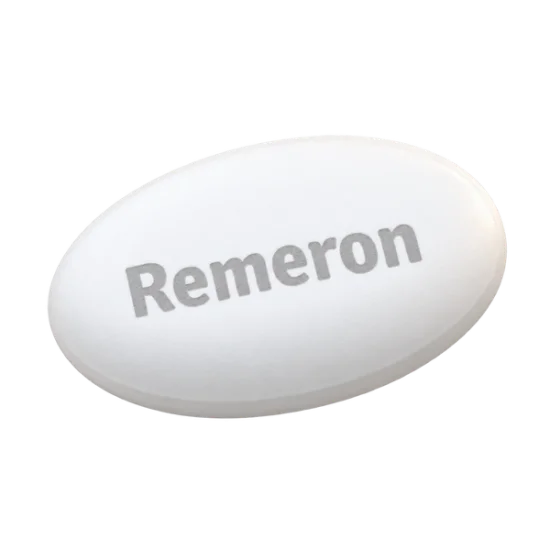
Remeron is intended for adults with major depressive disorder, with mirtazapine supporting mood regulation through serotonin and norepinephrine pathways. Its sedating and appetite-stimulating properties can also influence sleep and eating patterns, while requiring attention to weight, alcohol, interactions, and mood changes.
Overview
Remeron contains mirtazapine, an atypical antidepressant used primarily for major depressive disorder in adults. Mirtazapine is classified as a noradrenergic and specific serotonergic antidepressant, often shortened to NaSSA.
Dosage and administration
Dosage and Administration
The selected Remeron regimen should be confirmed with a healthcare professional before starting. Tablets are taken by mouth, usually once daily in the evening because mirtazapine can cause drowsiness.
Key administration points include:
- Take the tablet at the same time each evening unless the prescriber gives different instructions.
- Swallow it with water.
- Do not take an extra tablet after a missed dose.
- If the next scheduled dose is near, skip the missed dose rather than doubling.
- Avoid driving or operating machinery after taking it until the sedating effect is known.
- Do not stop suddenly after regular use without a tapering plan.
Mirtazapine may be taken with or without food. Food does not usually determine whether the tablet can be used, but taking it consistently at a similar time can make the sedating effect easier to predict.
Treatment response usually develops gradually. Sleep and appetite may change before mood improves, which can create the impression that the medicine is working fully when the antidepressant benefit is still developing.
Formulation
Remeron contains mirtazapine, an atypical antidepressant used primarily for major depressive disorder in adults.
Pharmacological Profile of Mirtazapine
Mirtazapine is classified as a noradrenergic and specific serotonergic antidepressant, often shortened to NaSSA. Its action increases noradrenergic and serotonergic neurotransmission without producing the same degree of direct serotonin-transporter inhibition seen with SSRIs.
How it affects the body
Unlike selective serotonin reuptake inhibitors, mirtazapine does not mainly work by blocking serotonin reuptake. It acts as an alpha-2 adrenergic receptor antagonist, increasing the release of norepinephrine and serotonin in the central nervous system.
Mirtazine also blocks certain serotonin receptors and histamine H1 receptors. This receptor profile helps explain several clinical features: it can improve depressive symptoms, may reduce nausea and sexual adverse effects compared with some SSRIs, and often causes drowsiness or increased appetite.
Its action increases noradrenergic and serotonergic neurotransmission without producing the same degree of direct serotonin-transporter inhibition seen with SSRIs.
Therapeutic indications
Remeron is approved for the treatment of major depressive disorder in adults. The FDA label describes its use for depressive symptoms such as persistent low mood, loss of interest, reduced energy, sleep disturbance, and changes in appetite [1].
Mirtazapine is also used off-label in selected clinical situations. Off-label use means that a prescriber uses an established medicine for a purpose that is not the primary indication listed in the regulatory approval. This decision depends on the patient’s symptoms, medical history, current medicines, and previous treatment response.
| Clinical use | Regulatory position | Practical consideration |
|---|---|---|
| Major depressive disorder | Approved indication | Used for persistent depressive symptoms in adults |
| Anxiety symptoms | Off-label use | May be considered when insomnia, poor appetite, or medication intolerance are also present |
| Insomnia associated with depression | Off-label use | Sedation can be helpful, but next-day drowsiness may limit treatment |
Mirtazapine is not a general sleeping tablet. Its use for insomnia alone requires clinical judgement, especially in older adults and people at risk of falls. Anxiety disorders also require a full assessment because sedation may reduce distress without addressing the underlying condition.
Common mistakes
Several avoidable mistakes can reduce benefit or increase adverse effects:
- Stopping after a few days because mood has not improved
- Taking a missed dose twice
- Combining the tablet with alcohol, cannabis, opioids, or sedating antihistamines
- Ignoring rapid weight gain or persistent excessive appetite
- Treating severe sore throat or fever as an ordinary infection
- Failing to mention St. John’s wort, tramadol, migraine medicines, or other antidepressants
- Changing the dose to manage sleep without medical direction
- Stopping suddenly after several weeks or months of use
- Driving before the sedating effect has become predictable
- Missing follow-up because sleep improved even though depression remains
Another common problem is unplanned evening eating. Patients may attribute increased hunger to stress, then discover that weight has changed substantially over several weeks. Early tracking gives the prescriber more options.
Reasons not to use it
The clearest absolute interaction involves monoamine oxidase inhibitors, also called MAO inhibitors. Mirtazapine must not be taken with an MAO inhibitor or within the required washout period after stopping one, because the combination can produce severe serotonergic or autonomic toxicity.
- Taking an MAO inhibitor or having recently stopped one without completing the required washout period
- Having had a serious allergic reaction to mirtazapine
- Active symptoms of mania or mixed bipolar mood without an appropriate treatment plan
- A history of severe neutropenia that has not been medically assessed
- A condition that makes sedation, falls, or impaired coordination especially dangerous
When this is not for you
Remeron may not be suitable for you if you take an MAO inhibitor, recently stopped one, or have had a serious allergic reaction to mirtazapine. Tell the prescriber before starting if you have bipolar disorder, seizures, liver or kidney disease, glaucoma, urinary retention, a history of severe neutropenia, or a high risk of falls and impaired coordination. Pregnancy and breastfeeding also require an individual risk assessment.
Possible side effects
The most familiar adverse effects of Remeron are sleepiness, increased appetite, dry mouth, constipation, and weight gain. In the FDA clinical trial data, somnolence occurred in about 54% of participants, dry mouth in about 25%, increased appetite in about 17%, and weight gain in about 12% .
Sedation is linked largely to histamine H1 receptor blockade. It can be more prominent early in treatment and may lessen as the body adjusts. The relationship between dose and sedation is not simple; some patients experience stronger sedation at lower doses, while others remain sleepy across the prescribed range.
Weight gain can result from increased appetite, stronger food cravings, reduced activity due to drowsiness, or a combination of these factors. People with diabetes, prediabetes, metabolic syndrome, or a history of rapid weight change may need closer monitoring.
Other possible adverse effects include:
- Dizziness, especially when standing quickly
- Headache
- Nausea or stomach discomfort
- Constipation
- Vivid dreams
- Fatigue or reduced concentration
- Swelling caused by fluid retention
- Increased cholesterol or triglyceride levels
- Changes in sexual function, although these may occur less often than with some SSRIs
Dry mouth may improve with regular water intake and sugar-free gum. Constipation responds better to early attention than to waiting several days; fluid intake, dietary fibre, and physical activity can help when medically suitable.
Serious reactions to mirtazapine are uncommon, but several require prompt medical attention. Serotonin syndrome can occur when serotonergic medicines are combined or when mirtazapine is used with other agents that raise serotonin activity. Symptoms may include agitation, confusion, sweating, fever, tremor, muscle stiffness, diarrhoea, and a rapid heartbeat.
Agranulocytosis is a rare blood disorder involving a marked reduction in neutrophils, the white blood cells that help fight bacterial infection. The FDA product information describes reported cases and advises attention to fever, sore throat, mouth ulcers, chills, or other signs of infection [1].
Other serious concerns include:
- New or worsening suicidal thoughts, especially after starting treatment or changing the regimen
- Mania or hypomania in people with bipolar disorder
- Seizures
- Severe skin reactions
- Low blood pressure or fainting
- Liver inflammation
- Severe allergic reaction
A person who develops fever and a sore throat while taking mirtazapine should receive prompt medical assessment rather than treating the symptoms as an ordinary cold.

Comparison
Mirtazapine differs from SSRIs and SNRIs in both receptor activity and common tolerability patterns. SSRIs block serotonin reuptake, while SNRIs block reuptake of serotonin and norepinephrine. Mirtazapine increases release of these neurotransmitters through alpha-2 receptor antagonism and modifies serotonin signalling through selected receptor effects.
| Treatment group | Main pharmacological action | Common clinical trade-off |
|---|---|---|
| Mirtazapine | Alpha-2 antagonism with increased noradrenergic and serotonergic transmission | Sleepiness, appetite increase, and weight gain |
| SSRIs such as fluoxetine, sertraline, escitalopram, and paroxetine | Block serotonin reuptake | Nausea, activation, sweating, and sexual dysfunction |
| SNRIs such as venlafaxine and duloxetine | Block serotonin and norepinephrine reuptake | Nausea, sweating, blood-pressure effects, and withdrawal symptoms after abrupt stopping |
The related names in this group include Prozac for fluoxetine, Zoloft for sertraline, Lexapro for escitalopram, Paxil for paroxetine, Effexor for venlafaxine, and Cymbalta for duloxetine. These are pharmacologically related antidepressants, but they are not interchangeable tablet-for-tablet.
Doctors may consider mirtazapine when depression is accompanied by insomnia, low appetite, or troublesome sexual adverse effects on an SSRI. An SSRI or SNRI may be preferred when weight gain and daytime sedation would create significant problems. The choice depends on the symptom pattern, medical history, previous response, and interaction profile.
What doctors say
In clinical practice, doctors often assess three separate outcomes: depressive symptoms, sleep quality, and appetite or weight. Mirtazapine can help all three in some patients, yet the same properties can become drawbacks when sedation or weight gain is substantial.
A prescriber will usually ask about suicidal thinking, agitation, unusual energy, reduced need for sleep, alcohol use, and new medicines. These questions are not limited to the first appointment. A change in mood or behaviour can occur after treatment begins, during dose changes, or when another serotonergic medicine is added.
The Royal College of Psychiatrists describes antidepressant treatment as a process that requires early monitoring and planned continuation after improvement, because stopping as soon as mood lifts can increase relapse risk. Mirtazapine should be judged by sustained mood improvement, daily functioning, sleep quality, and tolerability rather than by a single good or bad night.
Patients sometimes report that the tablet helps them sleep within the first few nights but leaves them heavy-headed in the morning. That pattern should lead to a treatment review, not automatic dose changes.
Comparison
Common questions
Can older adults use Remeron?
Older adults can use mirtazapine when the expected benefit outweighs risks such as sedation, falls, confusion, low blood pressure, and weight or lipid changes. Health Canada and geriatric prescribing principles support a cautious, individualized approach, with attention to kidney and liver function. The risk of next-day impairment may be greater when diazepam, opioid medicines, sleep aids, or alcohol are also present. A 2019 WHO medication-safety report supports regular review of medicines that affect alertness and balance in older people. Follow-up should also assess falls, confusion, and changes in daily functioning.
How soon can the effect of Remeron become noticeable?
Sleep and appetite changes may appear during the first several days, while improvement in depressed mood, interest, concentration, and energy often takes longer. The FDA antidepressant label and clinical practice experience support reassessment over the early treatment period rather than judging the full response after one or two doses. A person who develops agitation, suicidal thinking, or unusual energy needs prompt clinical review. A 2022 NICE guideline recommends monitoring early treatment response and adverse effects instead of relying on sleep improvement alone.
Can alcohol be used while taking Remeron?
Alcohol can add to mirtazapine-related drowsiness, poor coordination, dizziness, and impaired judgement. The combination may be more hazardous in older adults and in people also using diazepam, opioids, sleep medicines, or sedating antihistamines. Health Canada patient-safety information advises caution with substances that depress the central nervous system. A 2018 WHO global status report on alcohol and health supports avoiding combinations that increase impairment, especially before driving or operating machinery.
What happens when Remeron is stopped, and should it be tapered?
Abrupt discontinuation after regular treatment can cause dizziness, nausea, headache, anxiety, irritability, sleep disturbance, sweating, or unusual sensory sensations. These symptoms are usually managed by reducing the dose gradually under a prescriber’s plan, while also monitoring for the return of depression. The FDA label describes discontinuation symptoms and supports a gradual reduction rather than sudden cessation. A 2022 NICE guideline also recommends planned withdrawal with monitoring because relapse and withdrawal symptoms can overlap.
Can people under 18 use Remeron?
Remeron is primarily indicated for adults with major depressive disorder, and routine use in people under 18 requires specialist assessment. Antidepressants can be associated with increased suicidal thoughts or behavioural changes in children, teenagers, and young adults, especially early in treatment or after dose changes. Health Canada and the FDA require close observation for mood and behaviour changes when antidepressants are prescribed to younger patients. A 2020 WHO guideline on adolescent mental health supports specialist assessment, psychosocial care, and careful follow-up when medication is considered.
How does Remeron differ from SSRI antidepressants?
Mirtazapine increases noradrenergic and serotonergic signalling through alpha-2 receptor antagonism, while SSRIs such as sertraline, fluoxetine, and escitalopram mainly block serotonin reuptake. Remeron is often considered when insomnia, poor appetite, or SSRI-related sexual adverse effects are significant, but its trade-offs include sedation and weight gain. The 2019 EMA Summary of Product Characteristics for mirtazapine describes its pharmacological and tolerability profile rather than identifying a universally preferred antidepressant. A 2022 NICE guideline recommends selecting between classes according to symptoms, previous response, interactions, and patient priorities.
Do you offer anonymous delivery?
Your order will be securely packed and shipped within 24 hours. This is exactly what your package will look like (images of an actual item sent). It has the size and look of a regular private letter (24x11x0.7 cm) and its contents cannot be seen.
Customer Feedback on Remeron
The appetite increase was stronger than I expected. My mood was steadier after a month, but I needed to discuss weight and meal planning at follow-up.
I noticed fewer sexual problems than before and slept more consistently. The first two weeks brought vivid dreams and a dry mouth, which gradually became less troublesome.
The tablets had helped my sleep, but stopping abruptly brought restless nights and irritability. A later plan with a slower reduction was easier to manage.
My mood and appetite improved, but morning balance was an issue at first. Taking it later and reviewing my other sedating medicines made a noticeable difference.
Sources
- U.S. Food and Drug Administration (2010). REMERON (mirtazapine) Tablets Prescribing Information.