The first week brought nausea and a dry mouth, so eating smaller meals helped. My anxiety settled gradually, and I noticed that getting through ordinary errands took less effort. I still had trouble sleeping at times.
Cymbalta is a prescription antidepressant containing duloxetine, an SNRI used in psychiatric care and selected chronic pain conditions. The dose is decided individually, taking age, other medicines, and health conditions into account.
Overview
Cymbalta is the brand name for duloxetine, a prescription antidepressant from the serotonin-norepinephrine reuptake inhibitor class. Duloxetine is an antidepressant medication used in psychiatric care and in selected chronic pain conditions where altered nerve signalling contributes to persistent symptoms.
Dosage and administration
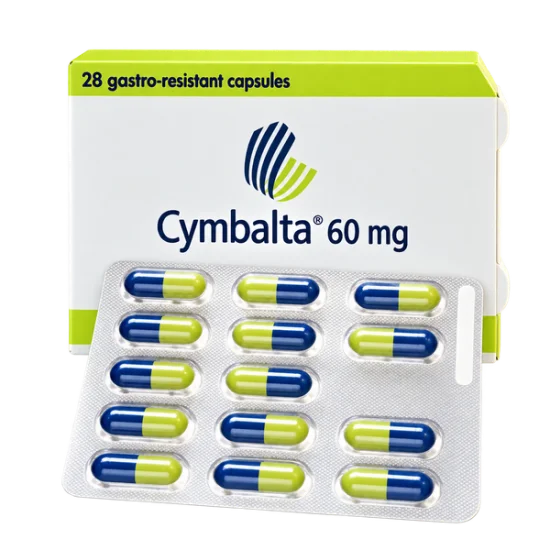
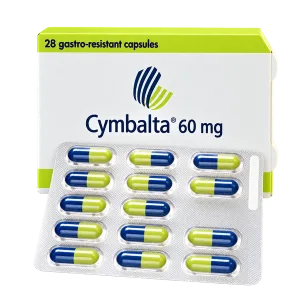
Cymbalta is taken by mouth as a gastro-resistant capsule. The dose is decided individually, taking age, other medicines, and health conditions into account.
Common prescribing principles include:
- The capsule is swallowed whole with water.
- The capsule should not be crushed, chewed, opened, or mixed into food or liquid.
- Treatment duration depends on the condition, response, relapse risk, and the prescriber’s plan.
- A missed dose is usually taken when remembered unless the next scheduled dose is near; two doses should not be taken together.
- An accidental extra dose requires prompt medical advice, especially if vomiting, severe drowsiness, agitation, rapid heartbeat, tremor, or seizures occur.
Cymbalta is generally taken once daily. Taking it at the same time each day helps maintain stable exposure, although the best time may depend on whether it causes sleepiness or insomnia.
Do not stop duloxetine suddenly after regular use. The nervous system adapts to changes in serotonin and norepinephrine signalling, so abrupt withdrawal can cause dizziness, nausea, irritability, sensory disturbances, anxiety, or sleep problems.
Cymbalta capsules must be swallowed whole with water. Crushing, chewing, opening, or dissolving a capsule can disrupt its release characteristics and may increase gastrointestinal irritation.
Formulation
The active substance is duloxetine. The product is supplied as delayed-release, gastro-resistant capsules. The dose is decided individually, taking age, other medicines, and health conditions into account. The gastro-resistant design helps the capsule pass through the stomach before releasing its contents.
How it affects the body
Duloxetine is a serotonin-norepinephrine reuptake inhibitor, also called an SNRI or selective serotonin and norepinephrine reuptake inhibitor. It reduces the reuptake of serotonin and norepinephrine by nerve cells, leaving more of these neurotransmitters available for signalling.
Serotonin helps regulate mood, emotional processing, sleep, and anxiety. Norepinephrine contributes to alertness, concentration, stress responses, and the brain’s control of incoming pain signals. In the spinal cord, increased norepinephrine and serotonin signalling can strengthen descending pain-inhibitory pathways.
The result is a dual-action pharmacological effect. One part supports mood and anxiety regulation. Another part changes how the central nervous system processes pain.
Duloxetine does not act as a sedative analgesic, and it does not numb the body in the way a local anaesthetic does. Its pain benefit develops through changes in nerve signalling over time. A pharmacology review indexed by PubMed describes this serotonin–norepinephrine action as the basis for duloxetine’s combined psychiatric and analgesic effects [2].
Therapeutic indications
Duloxetine is used for major depressive disorder, generalized anxiety disorder, diabetic peripheral neuropathic pain, fibromyalgia, and some forms of chronic musculoskeletal pain, depending on the indication and local prescribing information. Health Canada product information and European Medicines Agency documentation describe duloxetine as a medicine with both psychiatric and pain-related applications [1]. The approved indication depends on local product information. The treatment goal should be defined before dose changes. Follow-up compares symptom response with adverse effects.
| Clinical use | Main symptoms addressed | Therapeutic aim |
|---|---|---|
| Major depressive disorder | Low mood, loss of interest, reduced energy, disturbed sleep | Improve mood, motivation, and daily functioning |
| Generalized anxiety disorder | Excessive worry, tension, restlessness, physical anxiety | Reduce persistent anxiety and related impairment |
| Neuropathic or chronic pain | Burning, tingling, hypersensitivity, widespread pain | Reduce abnormal pain signalling and improve function |
For depression, duloxetine may be selected when low mood occurs with low energy, bodily tension, or pain symptoms. For generalized anxiety disorder, the aim is to reduce excessive worry and the physical symptoms that accompany prolonged anxiety.
Pain indications involve a different clinical pattern. Diabetic peripheral neuropathy can cause burning or electric sensations in the feet, while fibromyalgia often involves widespread pain, fatigue, and sleep disturbance. Duloxetine may reduce pain intensity, although it does not repair damaged nerves or remove every source of chronic pain.
The product may be prescribed for one main indication or for overlapping mood and pain symptoms. The dose is decided individually, taking age, other medicines, and health conditions into account.
Common mistakes
Several practical errors can reduce benefit or increase adverse effects:
- Crushing or chewing the gastro-resistant capsule.
- Doubling the next dose after a missed capsule.
- Stopping treatment as soon as mood improves.
- Stopping suddenly because of early nausea or dizziness.
- Adding tramadol, another antidepressant, or a migraine medicine without checking interactions.
- Ignoring new suicidal thoughts because they appeared after starting treatment.
- Taking doses inconsistently and then judging the medicine as ineffective.
- Failing to mention regular anti-inflammatory painkillers, anticoagulants, or substantial alcohol intake.
- Assuming that pain relief means an underlying nerve or metabolic condition has been cured.
A missed dose should not be “repaired” with two capsules close together. Extra duloxetine can increase nausea, agitation, tremor, blood pressure, drowsiness, and seizure risk.
Reasons not to use it
- Severe liver disease or substantial unexplained liver-enzyme elevation.
- Severe kidney impairment, especially when kidney function is markedly reduced.
- Uncontrolled narrow-angle glaucoma or a high risk of angle closure.
- Current use of a monoamine oxidase inhibitor.
- Previous serious allergic reaction to duloxetine or a capsule component.
- Bipolar disorder without appropriate mood-stabilising management.
- A history of seizures, significant bleeding risk, or uncontrolled hypertension requiring clinical review.
When this is not for you
Cymbalta is not suitable for everyone. Not for you if you have a listed contraindication, cannot complete needed monitoring, or have an interaction risk that cannot be managed; ask a prescriber about alternatives.
Duloxetine is processed extensively by the liver. Liver disease, heavy alcohol use, or other medicines that affect hepatic metabolism can increase exposure and adverse effects. Duloxetine also inhibits CYP2D6, an enzyme involved in the metabolism of several medicines.
People with heart disease, high blood pressure, fainting episodes, or rhythm problems need careful assessment. Duloxetine can increase blood pressure or heart rate in some patients and may worsen orthostatic dizziness.
Pregnancy and breastfeeding require an individual risk assessment. Newborns exposed late in pregnancy may develop temporary adaptation symptoms, while untreated depression or anxiety also carries clinical consequences.
Possible side effects
Common adverse effects include nausea, dry mouth, constipation, reduced appetite, sweating, fatigue, dizziness, headache, and sleep disturbance. Nausea is often most noticeable early in treatment and may lessen as the body adapts.
Some people experience insomnia or vivid dreams. Others feel sleepy, mentally slowed, or light-headed. Avoid driving or operating machinery until the individual response is clear.
Duloxetine can affect sexual function, including reduced libido, delayed orgasm, erectile difficulty, or reduced arousal. These effects may be underreported because patients may feel uncomfortable raising them, yet they can influence long-term adherence.
Serious reactions require urgent medical attention:
- Suicidal thoughts, self-harm urges, severe agitation, or sudden behavioural change.
- Serotonin syndrome with confusion, fever, sweating, tremor, muscle rigidity, diarrhoea, or a rapid heartbeat.
- Yellowing of the skin or eyes, dark urine, severe abdominal pain, or unusual itching.
- Severe allergic swelling, breathing difficulty, or widespread blistering rash.
- Eye pain, halos around lights, or sudden visual changes.
- Seizure, fainting, severe weakness, or an irregular heartbeat.
Antidepressants may increase suicidal thoughts or suicidal behaviour in children, adolescents, and young adults, especially during treatment initiation or dose changes. A sudden worsening of mood needs prompt clinical assessment rather than waiting for the next routine appointment.
Comparison
Duloxetine belongs to a different pharmacological group from selective serotonin reuptake inhibitors and tricyclic antidepressants. The choice depends on symptoms, previous treatment response, coexisting pain, cardiovascular factors, interactions, and tolerability.
| Class | Main mechanism and clinical profile |
|---|---|
| SNRIs such as duloxetine | Increase serotonin and norepinephrine signalling; useful when mood or anxiety symptoms coexist with some chronic pain patterns |
| SSRIs | Primarily increase serotonin signalling; commonly selected for depression and anxiety without a major pain indication |
| Tricyclic antidepressants | Affect several neurotransmitter systems; may help some pain conditions but often cause more anticholinergic and cardiovascular effects |
Clinicians may favour an SNRI when depression or anxiety occurs alongside diabetic neuropathic pain, fibromyalgia, or chronic musculoskeletal pain. An SSRI may be preferred when anxiety or depression is the main concern and pain is not a central feature.
Tricyclic antidepressants can be useful in selected neuropathic pain cases, though dry mouth, constipation, blurred vision, urinary retention, sedation, blood-pressure changes, and cardiac conduction effects can limit their use. Duloxetine has its own drawbacks, including nausea, sweating, insomnia, blood-pressure changes, withdrawal symptoms, and clinically significant interactions.
No antidepressant works equally well for every person. Previous response and adverse effects often provide more useful information than class comparisons alone.
What doctors say
In clinical practice, doctors usually assess two outcomes separately: the target symptoms and the medicine’s tolerability. A reduction in pain does not automatically mean that depression has improved, and better mood does not prove that neuropathic symptoms are adequately controlled.
Prescribers often review sleep, appetite, anxiety, concentration, pain interference, blood pressure, bowel symptoms, sexual function, and suicidal thoughts. These details are more useful than a single general statement such as “I feel better.”
A doctor may also ask whether symptoms began after a dose increase, whether doses were missed, and whether alcohol or a new medicine was added. Those details can explain sudden changes without assuming that duloxetine itself has stopped working.
Older adults may need closer monitoring for dizziness, falls, low sodium, bleeding, kidney impairment, and multiple-drug interactions. Dose selection remains individual rather than age-based alone.
Comparison
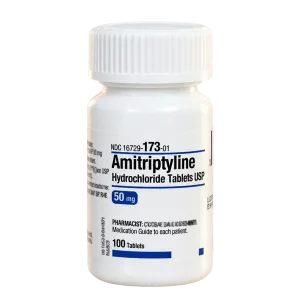
Amitriptyline
Anafranil
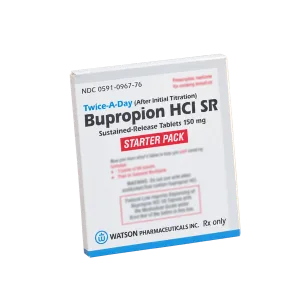
Bupropion
Celexa
Cymbalta Current
Common questions
What should I do after missing a Cymbalta dose?
Take the missed capsule when remembered unless the next scheduled dose is close; in that case, skip it and resume the regular schedule. Never take two capsules together to compensate. Health Canada product information reviewed in 2023 describes missed-dose management as a reason to avoid dose doubling, while persistent or severe symptoms require clinical assessment.
Which diet, exercise, or habits help or hinder Cymbalta treatment?
Regular meals, adequate fluids, moderate physical activity, and a consistent sleep schedule can support recovery from depression, anxiety, and chronic pain. Alcohol may worsen dizziness, sleep disruption, impaired judgement, and liver-related concerns, so substantial alcohol use is a poor combination with duloxetine. WHO mental-health guidance published in 2022 supports physical activity and regular sleep as useful parts of care, though lifestyle measures do not replace the prescribed treatment.
How does Cymbalta differ from an SSRI?
Cymbalta increases both serotonin and norepinephrine signalling, while an SSRI primarily increases serotonin signalling. The additional norepinephrine action may make duloxetine useful when mood or anxiety symptoms occur with selected neuropathic or chronic pain conditions. The European Medicines Agency described duloxetine’s dual neurotransmitter mechanism in its product information updated in 2024.
Can Cymbalta be taken with food or on an empty stomach?
Cymbalta can generally be taken with or without food, and taking it with food may make early nausea easier to tolerate. The capsule must remain intact regardless of whether food is present. Health Canada information from 2023 describes oral administration without requiring a specific meal, while individual tolerability can guide the preferred routine.
How soon can the effect of Cymbalta become noticeable?
Some people notice changes in sleep, anxiety, energy, or pain sensitivity during the first one to two weeks, while mood improvement often develops over several weeks. A partial response may appear before the full therapeutic effect, and early side effects can occur before benefits are established. A Cochrane review published in 2012 found that antidepressant response is commonly assessed over several weeks rather than after only a few doses.
Is Cymbalta appropriate for older adults?
Older adults can receive duloxetine when the indication, kidney function, liver status, and medication profile support its use. Monitoring may focus on dizziness, falls, blood pressure, sodium levels, bleeding, constipation, and interactions with medicines metabolised through CYP2D6. The Canadian Geriatrics Society guidance published in 2021 supports medication review and fall-risk assessment when antidepressants are used in later life.
Do you offer anonymous delivery?
Your order will be securely packed and shipped within 24 hours. This is exactly what your package will look like (images of an actual item sent). It has the size and look of a regular private letter (24x11x0.7 cm) and its contents cannot be seen.
Customer Feedback on Cymbalta
The pain became less intrusive after about a month. The benefit was not dramatic every day, and I disliked the sweating during exercise. Missing a capsule made me dizzy, so I became much more careful with timing.
My appetite dropped at first, but it returned toward normal. Mood and motivation improved slowly rather than all at once. Sexual side effects were difficult and needed an honest discussion during follow-up.
The main problem was light-headedness when standing, especially in the morning. A medication review helped identify the issue, but the treatment still required monitoring. The improvement in nerve pain was useful.
Sleep improved before my mood did. I had headaches during the first two weeks and wondered whether to stop, but they eased later. The medicine helped me function better, although it did not remove the pain completely.
Sources
- Health Canada (2023). Canadian product information for Cymbalta (duloxetine hydrochloride) delayed-release capsules.
- PubMed (2012). Duloxetine in the treatment of major depressive disorder, generalized anxiety disorder, and chronic pain conditions.