Skip to content
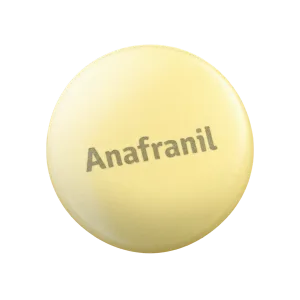
Anafranil
Active ingredient: Clomipramine

Anafranil

Quality products
24/7 Support
Fast delivery
Delivery from 4 days
Select pack Package Per unit Price

Free delivery on orders from $ 312.00, free express delivery from $ 468.00

Secure Payments
Track your order
Best price guarantee

Adults with obsessive-compulsive disorder may be prescribed Anafranil when persistent obsessions or compulsions require drug treatment. Anafranil contains clomipramine hydrochloride, a tricyclic antidepressant that increases serotonin and norepinephrine activity in the brain. It is also used in selected cases of depression or panic disorder.

Overview

Anafranil is the brand name associated with clomipramine hydrochloride. Clomipramine belongs to the tricyclic antidepressant class and is supplied as oral tablets. Its strongest established psychiatric use is obsessive-compulsive disorder, where treatment aims to reduce intrusive thoughts, repetitive rituals, and the distress linked to them.

Dosage and administration

Anafranil tablets are taken by mouth. The dose is decided individually, taking age, other medicines, and health conditions into account. Prescribers commonly begin cautiously and adjust the amount gradually according to symptom response and adverse effects.

Practical administration points include:

  • Take the tablet at the prescribed time and follow the prescribed frequency.
  • Swallow it with water unless the prescriber has given different instructions.
  • Take it with food if nausea occurs; food is not required for every dose.
  • Avoid changing the dose because symptoms improve quickly or because one dose causes temporary sleepiness.
  • Do not double the next dose after a missed dose.
  • If a missed dose is remembered near the next scheduled dose, skip the missed dose and resume the regular schedule.
  • Do not stop abruptly after prolonged treatment unless a prescriber directs it.

Treatment for obsessive-compulsive disorder often requires patience. The response may develop over several weeks, and the first sign of progress may be less time spent completing rituals rather than complete disappearance of intrusive thoughts. A prescriber may continue treatment after improvement to reduce relapse risk.

If the medicine causes morning grogginess, record the timing and severity rather than moving doses independently. A change in dosing time can affect sleep, daytime alertness, and adherence.

Formulation

Active Ingredient Identity

The active pharmaceutical ingredient is clomipramine hydrochloride, the hydrochloride salt form of clomipramine. After oral administration, the body converts and processes clomipramine through the liver, producing active metabolites that also influence neurotransmitter signalling.

Anafranil is not a fast tranquillizer. Its clinical effect develops through repeated dosing and gradual neurochemical adaptation, so early changes in sleep, dry mouth, or anxiety can appear before improvement in obsessive-compulsive symptoms.

Clomipramine can cause drowsiness, especially when treatment begins. Until its effect is clear, avoid driving or operating machinery after a dose that makes you sleepy.

The FDA prescribing information describes clomipramine as a serotonin-reuptake inhibitor with additional effects on norepinephrine transmission [1].

How it affects the body

Clomipramine blocks the reuptake transporter for serotonin, also called 5-hydroxytryptamine or 5-HT. This leaves more serotonin available between nerve cells. Serotonin signalling has a central role in obsessive thoughts, anxiety regulation, mood, and impulse control.

Clomipramine and its active metabolite also affect norepinephrine reuptake. Norepinephrine contributes to alertness, attention, stress responses, and mood. The combined effect explains why clomipramine can influence both obsessive-compulsive symptoms and depressive or panic symptoms.

The medicine also blocks muscarinic cholinergic, histamine H1, and alpha-adrenergic receptors to varying degrees. Those secondary actions help explain common problems such as dry mouth, constipation, blurred vision, sleepiness, increased appetite, postural dizziness, and a faster heartbeat. The same receptor activity can make clomipramine unsuitable for some people with glaucoma, urinary retention, cardiac conduction problems, or severe constipation.

The World Health Organization classifies tricyclic antidepressants as a distinct antidepressant group. Selective serotonin reuptake inhibitors act more selectively on serotonin transporters, while clomipramine has a broader receptor profile. That broader profile can help some patients, yet it also creates more tolerability and interaction concerns [2].

Dry mouth can feel worse at night. Sugar-free gum or lozenges may help saliva flow, while frequent sipping of sugary drinks can increase dental risk and does not solve the underlying dryness.

Therapeutic indications

Anafranil is primarily prescribed for obsessive-compulsive disorder in adults and, in selected circumstances, younger patients under specialist supervision. Clomipramine may also be used for depression or panic disorder when a prescriber considers its benefit-risk profile appropriate. These uses require an individualized treatment plan because clomipramine affects several receptor systems beyond serotonin reuptake.

The Canadian product monograph and guidance from Health Canada support careful assessment of psychiatric history, coexisting illness, age, and concurrent medicines before treatment begins. The therapeutic objective differs by condition:

  • Obsessive-compulsive disorder: fewer intrusive thoughts and less frequent or intense compulsive behaviour.
  • Depression: improvement in persistent low mood, loss of interest, sleep disturbance, guilt, and reduced energy.
  • Panic disorder: fewer panic attacks and less anticipatory fear, when clomipramine is selected for this purpose.
  • Associated anxiety symptoms: reduction may occur as the main disorder improves, though anxiety can temporarily feel stronger during early treatment.
Keep a short record of sleep, panic episodes, compulsions, bowel changes, and dizziness during the first weeks. These details help a prescriber adjust treatment more accurately than a general statement such as “I feel different.”

Common mistakes

Several patterns can reduce benefit or create avoidable risk:

  • Stopping after a few days because obsessive thoughts have not changed.
  • Taking an extra tablet after a difficult day.
  • Moving the dose repeatedly without recording sedation or insomnia.
  • Combining the medicine with alcohol, sedating antihistamines, or leftover anxiety tablets.
  • Failing to mention anticoagulants, migraine medicines, stimulants, or herbal products.
  • Ignoring constipation until abdominal pain or vomiting develops.
  • Assuming dry mouth is harmless while drinking frequent sugary beverages.
  • Stopping suddenly after months of treatment, which can cause dizziness, nausea, sleep disturbance, anxiety, sweating, or flu-like sensations.

A missed dose should not be replaced with two doses close together. If repeated missed doses occur, the treatment plan may need a practical adjustment rather than criticism of the patient.

Reasons not to use it

This medication is not for you if you have had a serious allergic reaction to clomipramine or another tricyclic antidepressant, are recovering from a recent myocardial infarction, or are taking a monoamine oxidase inhibitor. Combining clomipramine with an MAOI can cause dangerous changes in blood pressure, agitation, fever, muscle rigidity, seizures, or serotonin toxicity. A suitable washout interval is required when switching between these medicines.

  • Anagrelide: may add cardiac rhythm risk, including QT prolongation, when combined with another medicine that affects cardiac repolarization.
  • Apixaban: may increase concern about bleeding because antidepressant-related effects on platelet serotonin handling can add to anticoagulant-associated bleeding risk.
  • Arsenic trioxide: can prolong the QT interval; combining it with clomipramine may increase the risk of torsades de pointes, a potentially dangerous ventricular rhythm.
  • Artemether-containing treatment: some antimalarial regimens can affect cardiac repolarization, requiring assessment before combination.
  • Asenapine: may contribute to QT prolongation, drowsiness, dizziness, and other central nervous system effects when used with clomipramine.

The European Medicines Agency highlights QT-prolonging medicines as an important interaction category for drugs that can alter cardiac repolarization [3]. Other relevant combinations include serotonergic antidepressants, tramadol, linezolid, lithium, stimulants, sedating antihistamines, alcohol, and medicines that inhibit liver enzymes responsible for clomipramine metabolism.

When this is not for you

Tell the prescriber about heart disease, fainting, an abnormal electrocardiogram, seizures, bipolar disorder, glaucoma, prostate-related urinary difficulty, liver disease, constipation, and any history of suicidal thoughts. Clomipramine can trigger mania in someone with bipolar disorder and can increase suicidal thinking in some younger patients during early treatment or dose changes.

Alcohol can intensify sedation, impaired coordination, and poor judgment. Cannabis and sedating medicines may add to those effects. Clomipramine should not be combined with recreational stimulants because cardiovascular strain, agitation, and seizure risk may rise.

Possible side effects

Common adverse effects reflect clomipramine’s serotonin, histamine, muscarinic, and alpha-adrenergic activity. Possible effects include dry mouth, constipation, sweating, blurred vision, nausea, reduced appetite, increased appetite, drowsiness, insomnia, dizziness, tremor, headache, and sexual dysfunction. Some people experience weight change or a faster heartbeat.

Dizziness can be worse when standing because alpha-adrenergic blockade lowers blood pressure temporarily. Rise slowly from bed or a chair, especially during the first days of treatment. Constipation deserves attention because severe constipation can progress to bowel obstruction in vulnerable people.

Contact urgent medical services for fainting, a sustained or irregular heartbeat, chest pain, a seizure, severe confusion, high fever with muscle stiffness, serious allergic swelling, severe eye pain with blurred vision, or suicidal thoughts with an intention to act. Serotonin toxicity is more likely when clomipramine is combined with other serotonergic medicines.

One practical detail is easy to miss: clomipramine can impair sweating and heat tolerance. Hot environments, strenuous exercise, and dehydration may increase the risk of overheating. Another is that blurred vision may be an anticholinergic effect, but sudden painful visual loss requires urgent assessment rather than waiting for the symptom to pass.

The FDA warns about antidepressant-associated suicidal thinking in younger people, especially during early treatment and dose changes. This does not mean every patient will experience it, but new agitation, impulsivity, severe restlessness, or a marked mood shift requires prompt clinical attention.

Comparison

Clomipramine is chosen for its strong serotonin-transporter activity and its wider tricyclic pharmacology. The most suitable option depends on diagnosis, previous treatment response, suicide risk, heart health, seizure risk, sleep pattern, and other medicines.

Approach Main mechanism Typical clinical role
Clomipramine Strong serotonin reuptake inhibition with additional norepinephrine and receptor effects Obsessive-compulsive disorder; selected depression or panic disorder cases
SSRI treatment More selective serotonin reuptake inhibition Common first-line approach for depression, anxiety disorders, and obsessive-compulsive disorder
Cognitive behavioural therapy with exposure and response prevention Repeated, structured exposure without performing compulsions Core psychological treatment for obsessive-compulsive disorder, alone or alongside medicine

SSRIs often produce fewer anticholinergic and cardiac effects, which can make them easier for some patients to tolerate. Clomipramine may be considered when obsessive-compulsive symptoms remain severe or when previous approaches have not provided enough improvement. Cognitive behavioural therapy with exposure and response prevention directly targets the learned cycle between anxiety and ritual behaviour, but access, motivation, and symptom severity influence its practical use.

What doctors say

In clinical practice, doctors usually set expectations before treatment begins: clomipramine is taken consistently, improvement may be gradual, and early side effects do not always predict the final response. For obsessive-compulsive disorder, the goal is often a measurable reduction in time spent on rituals and avoidance rather than an instant absence of unwanted thoughts.

A psychiatrist will usually ask about sleep, agitation, suicidal thoughts, bowel function, urinary flow, sexual side effects, and adherence. A family physician may also review blood pressure, pulse, cardiac history, and the complete medication list. Older adults often need extra caution because dizziness, constipation, confusion, and falls can be more troublesome.

The Canadian Network for Mood and Anxiety Treatments describes antidepressant selection as a balance between diagnosis, previous response, adverse effects, comorbid illness, and patient preference. Clomipramine can be valuable for selected patients, but its broader pharmacology means that tolerability must be reviewed as treatment progresses.

Comparison

Comparison table: Antidepressants

Common questions

Can Anafranil be taken with food or on an empty stomach?

Anafranil may be taken with food if nausea or stomach discomfort occurs. The NHS's 2024 guidance describes food as a practical tolerability option for clomipramine, while regular timing supports consistent exposure. A heavy meal is not required, and changing between fed and fasting conditions should not be used to alter the dose.

What should be checked or discussed with a doctor before starting Anafranil?

Discuss heart rhythm problems, seizures, glaucoma, urinary retention, bipolar disorder, liver disease, pregnancy, breastfeeding, and all prescribed or non-prescription medicines. The Canadian Cardiovascular Society's 2023 guidance has emphasized medication review when QT-prolonging drugs are combined, especially in people with fainting or heart disease. Include anticoagulants, migraine treatments, stimulants, sedating products, and antidepressants in that review.

Can Anafranil be used by people under 18?

Use in people under 18 requires a specialist assessment of diagnosis, age, symptom severity, cardiac risk, and suicide risk. The FDA's 2018 antidepressant safety information has highlighted increased monitoring for suicidal thinking in children, adolescents, and young adults. Clomipramine has a recognized role in obsessive-compulsive disorder, but treatment in a minor should follow a clinician’s individualized plan.

What should happen after a missed Anafranil dose?

Take the missed dose when remembered unless the next scheduled dose is close. In that situation, skip the missed dose and return to the normal schedule; do not take two doses together. NICE guidance from 2022 on antidepressant treatment supports avoiding compensatory double dosing because it can increase adverse effects without restoring a stable treatment pattern.

What happens after stopping Anafranil, and does it need tapering?

Stopping suddenly after regular treatment can cause nausea, dizziness, sweating, sleep changes, headache, irritability, anxiety, and a return of the treated symptoms. The Royal College of Psychiatrists' 2024 guidance describes gradual dose reduction as a common approach for antidepressant discontinuation, with the pace adjusted to treatment duration and withdrawal symptoms. Tapering does not mean the medicine is addictive; it allows the nervous system to adapt more gradually.

What is the best time of day to take Anafranil?

The suitable time depends on whether the dose causes sleepiness, insomnia, nausea, or dizziness. A sedating dose may be scheduled later in the day, while troublesome night-time activation may lead to another timing plan. The American Psychiatric Association's 2023 guidance recommends tailoring antidepressant administration to tolerability and adherence rather than choosing one universal clock time.

Do you offer anonymous delivery?

Your order will be securely packed and shipped within 24 hours. This is exactly what your package will look like (images of an actual item sent). It has the size and look of a regular private letter (24x11x0.7 cm) and its contents cannot be seen.

Customer Feedback on Anafranil

3
Based on 3 reviews
Simon, 41 Barrie The first two weeks; by the sixth week
Verified
Rating: 3 out of 5

I took Anafranil for obsessive-compulsive symptoms after several months of struggling with repeated checking. The first two weeks brought dry mouth and evening drowsiness. By the sixth week, I was spending less time returning to check doors and appliances, although constipation became an issue that needed attention.

Oct 28, 2026
Michael, 46 Saint John After the first month
Verified
Rating: 3.5 out of 5

My prescriber increased the dose slowly because I had a history of dizziness. Sleep improved after the first month, but the improvement in panic symptoms was uneven. I found it useful to take notes because memory alone made the good and bad days blur together.

Nov 4, 2026
Steven, 46 Sherbrooke Not mentioned
Verified
Rating: 2.5 out of 5

Anafranil reduced the intensity of intrusive thoughts, but the side effects were difficult for me. I had sweating, blurred vision, and a racing feeling after some doses, so treatment was reviewed rather than continued unchanged. The medicine helped one symptom cluster, yet it was not a comfortable long-term option for me.

Oct 6, 2026

Sources

  1. U.S. Food and Drug Administration (2018). Anafranil (clomipramine hydrochloride) Prescribing Information
  2. World Health Organization (2023). WHO Model List of Essential Medicines — Mental and Behavioural Disorders
  3. European Medicines Agency (2022). Guideline on the Investigation of Drug Interactions
Get our free app Shop faster and track your orders Install