The first week brought nausea and lighter sleep. By the fifth week, getting through work felt less exhausting, although the sexual side effects were frustrating.
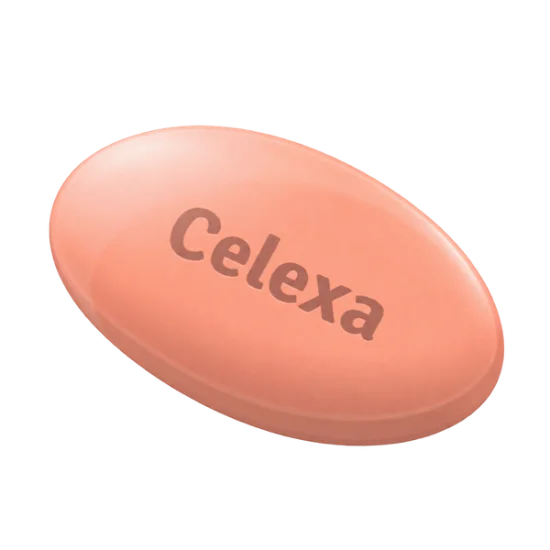
Celexa is a prescription antidepressant containing citalopram hydrobromide, an SSRI used mainly for major depressive disorder in adults. It increases serotonin activity in the brain, supporting mood regulation and gradual improvement in depressive symptoms. Celexa is supplied as oral tablets.
Overview
Celexa is the brand name associated with citalopram, a selective serotonin reuptake inhibitor. Citalopram hydrobromide belongs to the SSRI antidepressant class and is primarily used for major depressive disorder in adults. Health Canada and the FDA recognize citalopram as a prescription treatment for depressive illness [1].
Dosage and administration
Celexa is taken orally once daily, with or without food. The dose is selected individually and may be adjusted according to response and tolerability. The Health Canada product monograph describes age, liver function, and interaction-related restrictions that affect citalopram dosing [3].
Common prescribing principles include:
- Take the prescribed dose once daily at a consistent time.
- Swallow the tablet with water.
- Take it with food if nausea occurs, although food is not required for absorption.
- Do not increase the dose because improvement feels slow.
- Do not stop suddenly after regular use.
- If a dose is missed, take it when remembered unless the next dose is near; skip the missed dose rather than doubling.
- Older adults and people with liver impairment generally require lower maximum exposure.
- Citalopram has dose-related QT-interval prolongation risk, so the prescribed daily limit must not be exceeded.
There is no single standard amount that applies to every patient. A clinician may begin with a lower dose for people prone to activation, adults with hepatic impairment, older adults, or those taking interacting medicines.
Crushing or splitting tablets should follow the product-specific prescribing instructions. If swallowing is difficult, the prescriber or pharmacist can select an appropriate administration plan rather than relying on improvised tablet alteration.
Formulation
Active ingredient and formulation
The active substance is citalopram hydrobromide, commonly abbreviated as citalopram HBr. It is taken by mouth as a tablet. Citalopram works mainly through serotonin reuptake inhibition, rather than through sedation, stimulation, or hormonal activity.
The product may be prescribed at different strengths. The correct amount depends on age, liver function, response, other medicines, and cardiac risk factors; dosing differs between strengths and between users, so there is no single amount that suits everyone.
How it affects the body
Citalopram selectively blocks the serotonin transporter on nerve cells. This reduces the reuptake of serotonin from the space between neurons, allowing serotonin to remain available for longer. Serotonin is involved in mood, emotional processing, sleep, appetite, and stress responses.
The effect is gradual. Blood levels rise after dosing, but the antidepressant response depends on downstream changes in neuronal signalling that take time. The FDA prescribing information describes citalopram as a selective serotonin reuptake inhibitor with dose-related cardiac safety limits [2].
Unlike a sedative, Celexa does not work by immediately suppressing distress. Unlike an SNRI, it does not primarily increase norepinephrine activity. Its selectivity can make it suitable for adults whose main treatment target is depression, although tolerability varies from person to person.
Therapeutic indications
Citalopram is mainly used for depression. Clinicians may also prescribe it off-label for anxiety symptoms or panic attacks when the expected benefit fits the person’s clinical history. The medicine can reduce persistent worry, anticipatory fear, and panic severity after a gradual treatment period.
Celexa is intended for a consistent treatment course rather than occasional use during a difficult day.
Common mistakes
Several practical errors can reduce benefit or increase risk:
- Stopping after a few days because nausea or restlessness appears.
- Taking the tablet only on difficult days.
- Doubling the next dose after forgetting one.
- Increasing the amount without medical direction because improvement is gradual.
- Combining Celexa with tramadol, linezolid, lithium, or an MAOI.
- Using frequent ibuprofen, naproxen, or aspirin without reporting it.
- Treating severe insomnia or agitation as a minor inconvenience.
- Failing to report bipolar symptoms, fainting, palpitations, or a previous prolonged QT interval.
- Stopping abruptly after months of treatment.
Discontinuation symptoms may include dizziness, electric-shock sensations, irritability, sleep disturbance, sweating, and flu-like feelings. A gradual reduction is usually planned when treatment ends.
Alcohol can worsen drowsiness, impaired judgement, sleep disruption, and depressive symptoms. It can also make it harder to recognize whether a new symptom comes from Celexa or alcohol.
Reasons not to use it
- A monoamine oxidase inhibitor is being taken or was stopped recently.
- There is a known serious reaction to citalopram or its excipients.
- The person has congenital long-QT syndrome or a clinically significant rhythm disorder.
- Another medicine creates an unacceptable risk of QT prolongation.
- Severe hepatic impairment makes the prescribed exposure unsafe.
- The person has untreated bipolar disorder without an appropriate mood-stabilizing plan.
Citalopram may trigger mania or hypomania in someone with bipolar disorder. A history of bipolar disorder, psychosis, suicide attempts, or antidepressant-induced activation must be disclosed before treatment.
Angle-closure glaucoma deserves attention because antidepressant-related pupil dilation can precipitate an acute attack in susceptible people. Severe eye pain, halos around lights, blurred vision, nausea, or vomiting require urgent assessment.
When this is not for you
Celexa may not be appropriate if you have serious heart-rhythm problems, congenital long-QT syndrome, severe liver disease, angle-closure glaucoma, or bipolar symptoms without appropriate medical supervision. Tell your clinician about fainting, palpitations, electrolyte problems, kidney or liver disease, bleeding disorders, psychosis, suicide attempts, or previous activation from antidepressants. Pregnancy and breastfeeding also require an individual risk-benefit discussion.
Possible side effects
Common adverse effects of citalopram include nausea, dry mouth, increased sweating, headache, tremor, fatigue, insomnia, somnolence, and changes in sexual function. These effects may be mild or temporary, but persistent symptoms can affect adherence.
| Symptom pattern | Examples | Action |
|---|---|---|
| Common tolerability effects | Nausea, dry mouth, sweating, headache, sleep change, sexual dysfunction | Discuss persistence or severity during treatment review |
| Activation or mood change | Agitation, marked restlessness, impulsivity, worsening anxiety | Seek prompt medical assessment |
| Emergency warning signs | Fainting, fast or irregular heartbeat, seizure, severe allergic reaction, high fever with muscle rigidity or confusion | Obtain urgent medical care |
Citalopram can prolong the QT interval, an electrical measurement on an electrocardiogram. The risk is greater with excessive doses, congenital long-QT syndrome, low potassium or magnesium, significant heart disease, or other QT-prolonging medicines.
Serotonin syndrome is an uncommon but serious reaction caused by excessive serotonergic activity. Warning signs include agitation, confusion, sweating, fever, diarrhoea, muscle rigidity, tremor, loss of coordination, and rapidly changing heart rate or blood pressure. The risk rises when citalopram is combined with medicines such as tramadol, linezolid, lithium, or monoamine oxidase inhibitors. Prompt recognition supports urgent evaluation. Emergency care is warranted when fever, rigidity, confusion, or rapidly changing vital signs develop.
Sexual adverse effects can be overlooked because patients may feel uncomfortable raising the subject. Reduced libido, delayed orgasm, or erectile difficulty can occur with SSRIs and may persist after mood improves.
Comparison
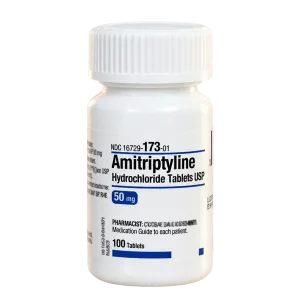
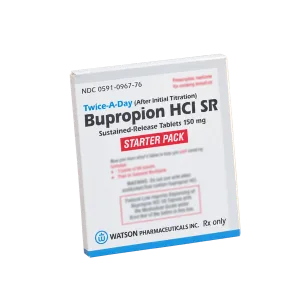
Citalopram belongs to the same broad antidepressant family as escitalopram and sertraline, while bupropion acts through a different neurotransmitter profile. Venlafaxine affects serotonin and norepinephrine, and mirtazapine has a receptor profile that can influence sleep and appetite.
| Treatment approach | Main pharmacology | Clinical distinction |
|---|---|---|
| Citalopram | SSRI; increases serotonin availability | Used mainly for depression; cardiac dose restrictions matter |
| Escitalopram or sertraline | SSRI; increases serotonin availability | Often selected when response, interaction profile, or tolerability favours another SSRI |
| Bupropion, venlafaxine, or mirtazapine | Norepinephrine/dopamine action, dual serotonin-norepinephrine action, or receptor modulation | May suit different symptom patterns, but each has its own contraindications |
Escitalopram is the active enantiomer of citalopram, meaning it represents one specific mirror-image form of the citalopram molecule. The two treatments are closely related, yet they are prescribed as separate medicines with different dosing instructions.
Sertraline may be preferred when a clinician wants an SSRI with a different interaction or tolerability profile. Bupropion may be considered when low energy or sexual adverse effects are central concerns, though it is unsuitable for people with certain seizure risks. Mirtazapine may be considered when insomnia and poor appetite are prominent, while venlafaxine can influence blood pressure and withdrawal symptoms.
The best alternative depends on prior response, coexisting illness, cardiac history, sleep pattern, anxiety, other medicines, and personal tolerability. Switching antidepressants requires a planned schedule.
What doctors say
In clinical practice, physicians usually set expectations early: Celexa is a daily maintenance treatment, not a rapid tranquillizer. The first review often focuses on activation, suicidal thinking, sleep, nausea, adherence, and signs of mania before judging the full antidepressant response.
A psychiatrist may choose citalopram when an SSRI approach fits the patient’s symptoms and previous treatment history. Cardiac history becomes more influential as dose increases or when interacting medicines are present. The Canadian product information places clear limits on exposure because QT prolongation is dose related.
Doctors also watch for the difference between emotional improvement and simple sedation. Feeling sleepy does not mean depression is resolving. Functional gains, such as returning to regular activities, improved concentration, and reduced hopelessness, provide more useful evidence.
A patient who feels suddenly energized but remains hopeless, impulsive, or sleepless needs prompt reassessment. This pattern can signal activation rather than recovery.
Comparison
Amitriptyline
Anafranil
Bupropion
Celexa Current
Cymbalta
Common questions
Can Celexa cause sexual side effects?
Sexual effects such as reduced libido, delayed orgasm, or erectile difficulty are recognized SSRI reactions. The FDA medication guide (2023) describes sexual dysfunction among possible adverse effects and advises clinical review when it persists. These symptoms may appear after treatment begins or become clearer once depression itself improves. Do not stop suddenly; a prescriber may consider dose adjustment, timing changes, or another treatment strategy.
Which diet, exercise, or habits support treatment with Celexa?
Regular sleep, moderate physical activity, consistent meals, and limiting alcohol can support recovery alongside antidepressant treatment. NICE guidance on depression, updated in 2022, includes behavioural activation and structured activity as parts of depression care [4]. Excessive caffeine may worsen tremor, anxiety, or insomnia in sensitive people. Exercise does not replace Celexa when an antidepressant has been prescribed, but it can support mood, energy, and sleep.
Can Celexa be taken with food or on an empty stomach?
Celexa can generally be taken with or without food. Taking it with a meal may reduce nausea for some people, while taking it at a consistent time helps maintain routine. The Health Canada product monograph (2020) describes oral administration without requiring a specific meal relationship. A sudden change in timing can make sleep problems harder to interpret, so keep the schedule stable unless the treatment plan changes.
How does Celexa differ from escitalopram?
Celexa contains citalopram, while escitalopram contains the active enantiomer of citalopram. Both are SSRIs and increase serotonin availability, but they are prescribed as separate medicines with different dose ranges and treatment plans. EMA product information from 2024 describes escitalopram and citalopram within the SSRI class while recognizing their separate medicinal products. A switch requires a deliberate clinical schedule rather than taking both routinely.
Can alcohol be used while taking Celexa?
Alcohol may increase sleepiness, dizziness, impaired coordination, and poor judgement during Celexa treatment. It can also worsen depressive symptoms and interfere with sleep, which makes treatment response harder to assess. The FDA medication guide (2023) addresses alcohol-related caution with citalopram and other central nervous system effects. Avoid driving or other hazardous activities if alcohol and Celexa together make you drowsy or light-headed.
Do you offer anonymous delivery?
Your order will be securely packed and shipped within 24 hours. This is exactly what your package will look like (images of an actual item sent). It has the size and look of a regular private letter (24x11x0.7 cm) and its contents cannot be seen.
Customer Feedback on Celexa
My panic symptoms became less frequent after the first month. I still had some morning anxiety, and missing a tablet made me feel dizzy, so I kept the dose beside my toothbrush.
I felt restless and had trouble sleeping during the first two weeks. My mood had not improved yet, so the prescriber changed the plan rather than increasing the dose on my own.
Sources
- Health Canada (2020). Product Monograph — Celexa (citalopram hydrobromide).
- U.S. Food and Drug Administration (2023). Celexa (citalopram hydrobromide) Prescribing Information.
- Health Canada (2020). Product Monograph — citalopram hydrobromide.
- National Institute for Health and Care Excellence (2022). Depression in adults: treatment and management.