Skip to content
Amitriptyline
Active ingredient: Amitriptyline

Amitriptyline

Quality products
24/7 Support
Fast delivery
Delivery from 4 days
Select pack Package Per unit Price

Free delivery on orders from $ 312.00, free express delivery from $ 468.00

Secure Payments
Track your order
Best price guarantee

Amitriptyline tablets are taken by mouth, usually once daily at a clinician-selected time. Amitriptyline treats major depressive disorder and is also prescribed for nerve pain, migraine prevention, fibromyalgia, and sleep-related symptoms.

Overview

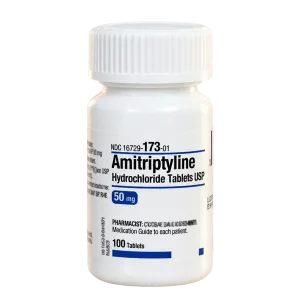
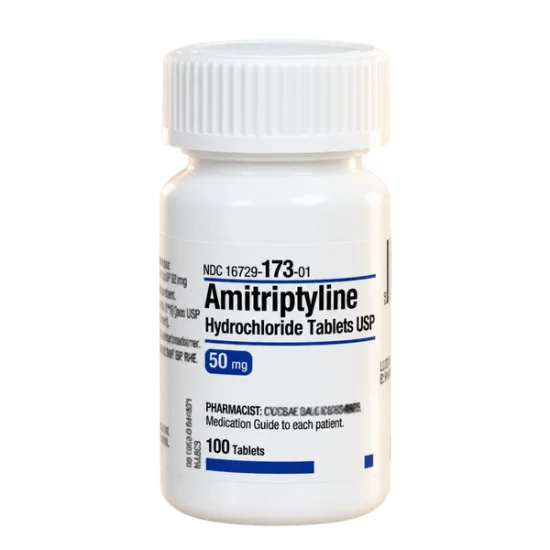
Amitriptyline is a tricyclic antidepressant used for Major Depressive Disorder. The product contains amitriptyline hydrochloride in tablet form. Dosing differs between tablet strengths and between users, so there is no single amount that suits everyone.

Dosage and administration

Amitriptyline is taken orally as a tablet. The dose depends on the indication, age, kidney and liver function, response, and other medicines. Dosing differs between tablet strengths and between users, so there is no single amount that suits everyone.

  • Take the prescribed dose at the prescribed time, commonly in the evening when sedation is expected.
  • Swallow the tablet with water.
  • Take it consistently at the same time each day unless the prescriber changes the schedule.
  • Do not increase the dose because pain or mood has not improved quickly.
  • Do not stop long-term treatment suddenly without a planned reduction.
  • If a dose is missed, take it when remembered unless the next scheduled dose is near; never double the next dose.
  • Avoid driving, cannabis, alcohol, and other sedating substances until the individual response is clear.

The available tablet strength may be used within a broader treatment plan, but the presence of that strength does not establish a starting dose. Older adults and people with cardiovascular disease often require a more cautious approach.

Amitriptyline does not provide instant relief for depression, neuropathic pain, or migraine prevention. Sedation may occur after an early dose, while therapeutic improvement usually requires repeated use and reassessment.

Formulation

The product contains amitriptyline hydrochloride in tablet form. Dosing differs between tablet strengths and between users, so there is no single amount that suits everyone.

How it affects the body

Amitriptyline blocks the neuronal reuptake of serotonin and norepinephrine. These neurotransmitters remain available for longer at synapses, which changes signalling in brain pathways involved in mood, pain processing, and sleep.

Its effects are broader than serotonin and norepinephrine reuptake inhibition. Amitriptyline also blocks muscarinic cholinergic, histamine H1, and alpha-adrenergic receptors. Those secondary actions help explain dry mouth, constipation, blurred vision, appetite changes, sedation, and dizziness when standing.

The pain-relieving effect does not mean the tablet acts like a conventional painkiller. Amitriptyline reduces abnormal amplification of pain signals within the central nervous system.

Compared with a selective serotonin reuptake inhibitor, a tricyclic antidepressant affects two main monoamine pathways and several additional receptors. This can make it useful for pain, but it also produces more anticholinergic and cardiovascular effects. Clinical pharmacology references describe this combined receptor profile as the reason amitriptyline can be both therapeutically versatile and harder to tolerate than newer antidepressants [2].

Therapeutic indications

Amitriptyline is a tricyclic antidepressant used for Major Depressive Disorder. Clinicians also prescribe it for several conditions outside its primary approved indication, including Chronic Pain Syndromes, Diabetic Neuropathy, Fibromyalgia, Migraine Prophylaxis, and selected cases of Insomnia or Anxiety Disorders. These uses depend on the patient’s symptoms, other medicines, age, heart health, and treatment history.

Clinical role Typical treatment target Prescribing context
Approved antidepressant use Depressive symptoms Major Depressive Disorder
Neuropathic pain use Burning, electric, shooting pain Diabetic neuropathy and other chronic nerve pain
Preventive use Recurrent migraine or tension-type headache Taken regularly rather than during an acute attack
Sleep-related use Difficulty falling or staying asleep linked with pain or depression Usually considered after the cause of insomnia is assessed

Amitriptyline is often selected when pain, poor sleep, and low mood occur together. Its sedating and analgesic properties can be useful, though daytime drowsiness may limit treatment. Evidence and regulatory status differ between depression and off-label pain conditions, so the intended treatment target should be clear before therapy begins [1].

Because amitriptyline can cause drowsiness, the first doses are often scheduled in the evening. Do not drive or operate machinery until you know how the tablets affect alertness.

Chronic pain treatment usually aims to reduce pain intensity and improve sleep or function rather than remove every symptom. Migraine prevention also requires regular use; amitriptyline is not an immediate rescue treatment for an attack.

Common mistakes

Several avoidable patterns can reduce benefit or increase harm:

  • Taking an extra tablet after one poor night of sleep
  • Stopping suddenly after mood or pain begins to improve
  • Combining the tablet with alcohol, cannabis, opioids, or sedating allergy medicines
  • Standing quickly after taking an evening dose
  • Ignoring constipation, urinary difficulty, blurred vision, or repeated dizziness
  • Forgetting to mention linezolid, MAOIs, migraine medicines, or other antidepressants
  • Assuming a 50 mg tablet is an appropriate starting amount for every condition
  • Driving before learning how strongly the tablet causes drowsiness
  • Treating amitriptyline as an acute migraine or pain rescue tablet
Keep a short record of sleep, pain intensity, bowel function, dizziness, and mood changes. These observations give the prescriber more useful information than relying on memory during a brief appointment.

Reasons not to use it

Amitriptyline is not suitable for everyone. This medication is not for you if any of the following applies unless a qualified prescriber has made a specific, documented decision:

  • Recent myocardial infarction, serious conduction disease, or an untreated significant arrhythmia
  • Previous serious allergic reaction to amitriptyline or another tricyclic antidepressant
  • Current use of a monoamine oxidase inhibitor
  • Uncontrolled angle-closure glaucoma
  • Acute recovery after certain cardiac events
  • Severe urinary retention
  • A seizure disorder requiring careful specialist management
  • Severe liver disease without an appropriate monitoring plan
  • A history of mania or bipolar disorder without mood-stabilising management

Monoamine Oxidase Inhibitors include tranylcypromine and phenelzine. Combining them with amitriptyline can cause dangerous neurological and cardiovascular reactions, including serotonin syndrome, severe blood-pressure changes, agitation, fever, muscle rigidity, and loss of consciousness. Linezolid also has monoamine oxidase inhibitor activity and requires a specific interaction assessment.

Other medicines that need review include opioids, sedating antihistamines, benzodiazepines, antipsychotics, medicines that prolong QTc, medicines that lower blood pressure, and strong CYP2D6 inhibitors. Serotonergic medicines can increase the risk of serotonin toxicity.

New suicidal thinking, severe agitation, unusual impulsivity, or a sudden dramatic mood change requires urgent help from emergency services or a crisis service [4].

When this is not for you

This medication is not for you if you have serious heart rhythm or conduction problems, have had a serious allergic reaction to amitriptyline or another tricyclic antidepressant, or are taking a monoamine oxidase inhibitor. It may also be unsuitable if you have uncontrolled angle-closure glaucoma, severe urinary retention, severe liver disease, a seizure disorder, or bipolar disorder without mood-stabilising management. Pregnancy and breastfeeding require an individual risk assessment.

Possible side effects

Amitriptyline’s common adverse effects arise from its anticholinergic, antihistamine, and alpha-adrenergic activity. The Canadian product information and geriatric prescribing standards describe the following problems as clinically relevant:

  • Dry mouth, thirst, altered taste, and dental discomfort
  • Constipation or difficulty passing urine
  • Blurred vision and sensitivity to bright light
  • Sleepiness, slowed reaction time, or morning grogginess
  • Dizziness when standing, known as orthostatic hypotension
  • Increased appetite, weight change, or sweating
  • Tremor, headache, or difficulty concentrating
  • Palpitations or a faster heartbeat

Orthostatic hypotension can cause a fall when rising from bed or a chair. Stand slowly, pause before walking, and sit down if light-headedness begins.

Amitriptyline can prolong the QTc interval, a measure of ventricular electrical recovery on an electrocardiogram. The risk rises with higher exposure, congenital long-QT syndromes, low potassium or magnesium, structural heart disease, and other QT-prolonging medicines. Fainting, sustained palpitations, chest discomfort, or an irregular heartbeat requires urgent assessment.

Rare but serious reactions include seizures, severe confusion, acute urinary retention, angle-closure glaucoma, liver injury, and Syndrome of Inappropriate Antidiuretic Hormone Secretion. SIADH can lower blood sodium and may present with headache, nausea, confusion, weakness, or seizures.

The American Geriatrics Society Beers Criteria lists amitriptyline among medicines that older adults should generally avoid when safer alternatives are available because of strong anticholinergic activity, sedation, and orthostatic hypotension [3].

Constipation can become severe before a patient considers it a medicine problem. Track bowel movements during the first weeks and report persistent abdominal pain, vomiting, or inability to pass stool.

One easily missed detail is the effect on urination. New difficulty starting urine, a painful full bladder, or very little urine despite strong urgency needs prompt medical attention.

Comparison

Amitriptyline occupies a different place from medicines that act mainly on one neurotransmitter pathway or from non-drug pain strategies.

Approach Main advantage Main limitation
Amitriptyline Can address mood, nerve pain, migraine prevention, and sleep symptoms Anticholinergic effects, sedation, dizziness, and cardiac risks
SSRI-type antidepressant Often easier to tolerate for depression and anxiety Usually less useful for neuropathic pain
Non-drug pain programme Can improve function without systemic drug effects Requires time, participation, and condition-specific support

For neuropathic pain, treatment selection depends on pain distribution, sleep, mood, falls risk, heart rhythm, and previous response. Amitriptyline can be a reasonable option when insomnia accompanies nerve pain, though sedation and dry mouth may be unacceptable.

A medication that helped one person’s pain may worsen another person’s balance or constipation. Treatment decisions are therefore based on the symptom pattern rather than the pain label alone.

What doctors say

In clinical practice, prescribers often start with the treatment goal rather than the tablet strength. Depression, diabetic neuropathy, migraine prevention, and sleep disturbance require different follow-up measures.

A physician will usually assess mood, pain interference, sleep quality, bowel and bladder function, falls risk, blood pressure, heart history, and the complete medicine list. An electrocardiogram may be appropriate for people with cardiac risk factors or combinations that can prolong QTc.

The main benefit is often gradual. A patient may sleep longer before pain becomes manageable, or notice less burning pain before mood improves. Sedation alone is not a useful measure of therapeutic success.

Older adults deserve extra caution. Follow-up timing should match the indication and individual risk factors. Age-related changes in liver metabolism and sensitivity to anticholinergic effects can make a previously tolerated dose unsuitable later.

Comparison

Comparison table: Antidepressants

Common questions

Can older adults take Amitriptyline?

Older adults can take amitriptyline in selected situations, but they have greater sensitivity to sedation, constipation, urinary retention, confusion, orthostatic hypotension, and falls. The American Geriatrics Society Beers Criteria published in 2023 lists it as a strong anticholinergic medicine that is generally avoided when alternatives are suitable. Health Canada product information also supports cautious dose selection and monitoring in older patients. A medication review should include heart rhythm, blood pressure, bowel function, bladder symptoms, and all sedating medicines.

Can Amitriptyline be combined with antidepressants or other serotonin medicines?

Combining amitriptyline with another antidepressant or serotonergic medicine may increase serotonin toxicity, sedation, blood-pressure effects, or cardiac risk. Monoamine oxidase inhibitors such as phenelzine and tranylcypromine require special separation procedures, while linezolid can create a serious interaction because of its monoamine oxidase activity. The FDA antidepressant safety information published in 2023 identifies interaction and suicidality concerns that require active monitoring. Do not add, stop, or switch serotonergic treatment without a prescriber-directed plan.

Is alcohol suitable while using Amitriptyline?

Alcohol can intensify amitriptyline-related drowsiness, impaired coordination, dizziness, and poor judgement. The combination may increase falls and driving risk, especially in older adults or when opioids, sleeping tablets, or antihistamines are also present. Health Canada product information from 2017 supports avoiding activities requiring alertness when impairment is possible. Avoid alcohol until the individual response to treatment is predictable, and continue avoiding it if even small amounts cause marked sedation.

What should be done if the expected result does not occur?

A lack of improvement should prompt a structured review rather than an unsupervised dose increase. The prescriber may assess adherence, treatment duration, the original diagnosis, interacting medicines, sleep quality, pain pattern, mood symptoms, and adverse effects. NICE guidance updated in 2022 describes reassessment as a key part of antidepressant and chronic pain management. Seek urgent help for suicidal thoughts, severe agitation, mania, fainting, seizures, or symptoms of serotonin toxicity.

Which diet, exercise, or habits can help or hinder treatment?

Regular sleep timing, gentle physical activity suited to ability, hydration, and fibre intake can help address constipation, sleep disruption, and reduced mobility. Alcohol, recreational sedatives, driving soon after a dose, and abrupt changes in caffeine or sleep schedules can worsen impairment or make response harder to judge. The World Health Organization’s 2023 mental-health guidance supports combining appropriate medicines with behavioural and lifestyle measures where relevant. Diet does not cancel the pharmacological effects of amitriptyline, so lifestyle measures complement rather than replace treatment.

How long does one dose of Amitriptyline keep working?

A single dose can produce sedation for much of the night and may cause morning drowsiness, especially early in treatment or after a dose increase. Its effects on pain, migraine frequency, and mood depend on repeated administration rather than one tablet acting as an immediate rescue treatment. The European Medicines Agency's 2019 information describes tricyclic antidepressant effects as linked to continued exposure and gradual clinical response. Individual duration varies with metabolism, age, liver function, dose, and interacting medicines.

Do you offer anonymous delivery?

Your order will be securely packed and shipped within 24 hours. This is exactly what your package will look like (images of an actual item sent). It has the size and look of a regular private letter (24x11x0.7 cm) and its contents cannot be seen.

Customer Feedback on Amitriptyline

3.3
Based on 4 reviews
Alison, 64 Vancouver Several weeks
Verified
Rating: 3 out of 5

My sleep became less broken after the first week, and the burning pain in my feet was less distracting later. Dry mouth and constipation were annoying, so I increased water and used sugar-free gum.

Oct 27, 2026
Zoe, 63 Regina Several weeks
Verified
Rating: 3.5 out of 5

The headaches became less frequent after several weeks, but I felt heavy and slow the next morning. Moving the dose earlier in the evening helped somewhat, although the grogginess did not disappear.

Nov 1, 2026
Louise F., 67 Kitchener About a month
Verified
Rating: 2 out of 5

The pain reduction was modest after about a month. I stopped after repeated dizziness when standing and discussed another option with my prescriber.

Oct 6, 2026
Lisa, 69 Kamloops Several weeks
Verified
Rating: 4.5 out of 5

Sleep improved, and I had fewer nighttime pain flares. The main problem was a dry mouth and difficulty focusing during the day at first.

Oct 14, 2026

Sources

  1. Health Canada (2017). Amitriptyline Hydrochloride Tablets — Product Monograph
  2. FDA (2023). Amitriptyline Hydrochloride Tablets, USP — Prescribing Information
  3. American Geriatrics Society (2023). Updated AGS Beers Criteria for Potentially Inappropriate Medication Use in Older Adults
  4. NICE (2022). Depression in Adults: Treatment and Management; Neuropathic Pain in Adults
Get our free app Shop faster and track your orders Install