Saskatoon, took the 150 mg sustained-release tablet as prescribed for depression for about six weeks. His morning motivation improved by the third week, and he found sexual side effects less troublesome than with a previous antidepressant. Dry mouth and lighter sleep were annoying at first, especially when his evening dose was delayed.
Bupropion is a sustained-release tablet product used for depressive disorders and, under an appropriate prescription and treatment plan, for smoking cessation. The amount per intake is determined individually for each person rather than being one fixed amount.
Overview
Bupropion is a sustained-release antidepressant used for depressive disorders and, under an appropriate prescription and treatment plan, in smoking-cessation programmes. The amount per intake is determined individually for each person rather than being one fixed amount.
Dosage and administration
- Dose per intake: the exact amount in mg is determined individually by the prescriber; no single fixed amount applies to everyone.
- Frequency: use twice daily when this regimen is prescribed.
- Timing: take the doses at separated times of day as directed; no specific relation to meals is established here.
- Duration: continue for the treatment period selected by the prescriber for the relevant indication.
- Route: take the sustained-release tablets by mouth and swallow them intact; do not crush, chew, or split them unless the specific product information permits it.
Formulation
The product is marked Bupropion HCl SR and contains bupropion hydrochloride in a sustained-release tablet formulation. The pack identifies the tablets as a starter pack for twice-daily use.
How it affects the body
Bupropion mainly inhibits the reuptake of dopamine and norepinephrine, also called noradrenaline. Reuptake is the process by which nerve cells remove signalling chemicals. These chemicals occupy the space between neurons. By reducing this removal, bupropion changes neurotransmitter activity. These circuits contribute to motivation, alertness, reward, and mood.
The medicine does not work as a traditional selective serotonin reuptake inhibitor. Its effect on serotonin is limited compared with SSRIs, which helps explain its different adverse-effect profile. The mechanism is pharmacological rather than sedative, so some people experience more alertness while others develop restlessness or difficulty sleeping.
Role of Hydroxybupropion
The liver converts bupropion into active metabolites, including hydroxybupropion. Hydroxybupropion contributes to the combined clinical effect and remains in the body longer than the original substance.
Metabolism varies between individuals. Liver function, age, smoking status, and interacting medicines can influence exposure. A prescriber may adjust the regimen when these factors increase the risk of adverse effects.
The Canadian product monograph and European Medicines Agency documentation describe sustained-release bupropion pharmacokinetics, active metabolites, contraindications, and dose-related seizure risk [2].
Therapeutic indications
In Canada, bupropion products are used in clinical practice for depressive disorders, while specific indications depend on the formulation and its Health Canada product monograph. Bupropion is also used in smoking-cessation programmes under an appropriate prescription and treatment plan. The United States Food and Drug Administration has approved specific bupropion formulations for major depressive disorder, seasonal affective disorder, and nicotine dependence [1].
Approved Therapeutic Indications
Bupropion may be prescribed for:
- Major depressive disorder.
- Prevention of recurrent seasonal depressive episodes with selected formulations.
- Nicotine dependence as part of a structured smoking-cessation plan.
- Depression when reduced sexual adverse effects are a clinical priority.
- Depression accompanied by low energy, slowed motivation, or excessive sleep, when the prescriber considers an activating medicine suitable.
Nicotine Dependence Management
Bupropion can reduce nicotine cravings and withdrawal symptoms in selected adults who are stopping smoking. It does not replace behavioural support, nicotine-avoidance planning, or treatment of triggers. A cessation programme usually includes a planned quit date and follow-up during the first weeks.
Bupropion may help reduce:
- Craving for cigarettes or other nicotine products.
- Irritability during nicotine withdrawal.
- Difficulty concentrating after stopping nicotine.
- The sense of urgency associated with habitual smoking.
Off-Label and Complex Psychiatric Uses
Specialist clinicians may consider bupropion in treatment-resistant depression, usually after reviewing diagnosis, previous treatments, adherence, sleep, substance use, and bipolar-spectrum symptoms. This is a specialist decision rather than a routine dose adjustment.
Common mistakes
Several errors can reduce benefit or raise risk:
- Crushing or chewing sustained-release tablets.
- Taking missed doses close together.
- Using a second bupropion-containing product at the same time.
- Taking a late dose and then assuming insomnia means the medicine must be stopped.
- Combining the medicine with abrupt alcohol or sedative withdrawal.
- Failing to mention stimulants, corticosteroids, antipsychotics, or antidepressants.
- Stopping suddenly after mood improvement without a treatment plan.
- Treating bupropion as a rescue medicine for an acute emotional crisis.
- Ignoring new agitation, unusually reduced sleep, or impulsive behaviour.
One easily missed detail is urine drug screening. Bupropion has been reported to produce false-positive amphetamine results with some immunoassay tests. A confirmatory laboratory method can distinguish the substances when a screening result is unexpected.
Reasons not to use it
Bupropion is not suitable for a person who:
- Has a current seizure disorder or a previous seizure unless a specialist has specifically assessed the situation.
- Has current or previous anorexia nervosa or bulimia nervosa.
- Is undergoing abrupt withdrawal from alcohol, benzodiazepines, barbiturates, or certain sedatives.
- Is taking a monoamine oxidase inhibitor, or has stopped one too recently.
- Has had a serious allergic reaction to bupropion.
- Is taking another bupropion-containing product.
- Has uncontrolled high blood pressure without a management plan.
Medicines that may increase seizure risk include some antipsychotics, antidepressants, systemic corticosteroids, stimulants, and medicines that lower the seizure threshold. Bupropion also inhibits CYP2D6, an enzyme involved in the metabolism of several medicines, including some beta blockers, antiarrhythmics, antipsychotics, and antidepressants.
When this is not for you
Bupropion is NOT for you if you have a seizure disorder, an eating disorder, abrupt sedative withdrawal, or an unreviewed interaction risk.
Bupropion is unsuitable for people with bulimia nervosa or anorexia nervosa because eating disorders can involve electrolyte abnormalities and a higher baseline seizure risk. It should also be avoided in anyone with a current seizure disorder and in people undergoing abrupt withdrawal from alcohol, benzodiazepines, or certain sedatives.
Bupropion is not a standard treatment for bulimia. The risk profile makes it an inappropriate choice for this condition.
Possible side effects
Common adverse effects of bupropion include dry mouth, nausea, headache, restlessness, tremor, sweating, and insomnia. These symptoms may be more noticeable after starting treatment or after a dose increase. Taking a later dose too close to bedtime can worsen sleep disruption.
Bupropion can raise blood pressure. People with hypertension may need blood-pressure monitoring, especially when other activating medicines are used. The medicine can also worsen anxiety or agitation during the early treatment period.
The most serious dose-related concern is seizure. The risk rises with higher exposure and with conditions or medicines that lower the seizure threshold. The FDA prescribing information highlights seizure precautions, contraindications, psychiatric monitoring, and sustained-release administration [3].
Urgent medical assessment is needed for a seizure, severe allergic swelling, trouble breathing, severe confusion, hallucinations, intense agitation, suicidal thoughts, or a sudden major change in behaviour. New manic symptoms such as unusually little sleep, racing thoughts, impulsive spending, or extreme irritability also require prompt attention.
Alcohol can worsen dizziness and agitation. Abruptly stopping heavy alcohol use while starting bupropion is unsafe. Pregnancy and breastfeeding require an individual benefit-risk assessment because untreated depression also carries clinical consequences.

Comparison
Bupropion, SSRIs, and SNRIs are antidepressant categories with different primary neurotransmitter targets. SSRIs such as sertraline and fluoxetine mainly increase serotonin signalling. SNRIs such as venlafaxine affect serotonin and norepinephrine. Bupropion mainly affects dopamine and norepinephrine.
| Treatment category | Main targets and practical distinction |
|---|---|
| Bupropion | Dopamine and norepinephrine; may feel activating and usually has a lower rate of sexual dysfunction than SSRIs |
| SSRIs | Serotonin; often selected for depression with anxiety, obsessive symptoms, or panic symptoms |
| SNRIs | Serotonin and norepinephrine; may suit depression with pain symptoms, though blood pressure and withdrawal effects require attention |
Some people experience fewer sexual difficulties or less emotional blunting with bupropion than with an SSRI. The trade-off is a greater tendency toward insomnia, dry mouth, tremor, anxiety, or agitation in susceptible patients. An SSRI may be preferable when persistent anxiety is central to the illness. An SNRI may be considered when depression and certain chronic pain symptoms occur together.
A clinician may consider another treatment when bupropion increases anxiety, causes persistent insomnia, fails to improve depressive symptoms, or is unsuitable because of seizure risk. The alternative depends on the dominant symptoms and medical history.
Escitalopram may be selected when anxiety and panic symptoms are prominent. Duloxetine may be considered when depressive symptoms occur with certain pain syndromes. Mirtazapine may suit depression with poor sleep or reduced appetite, though sedation and weight gain can occur. Buspirone is an anxiolytic option for some anxiety disorders, but it is not a direct substitute for bupropion in depression.
Changing between antidepressants requires a planned schedule. Some combinations increase seizure risk, blood pressure, agitation, or serotonin-related toxicity. A taper, washout period, or cross-taper may be needed according to the medicines involved.
What doctors say
In clinical practice, physicians usually assess sleep, anxiety, blood pressure, seizure history, eating-disorder history, alcohol use, and all current medicines before prescribing bupropion.
A patient who reports low energy may benefit from its activating profile, but activation can become uncomfortable when baseline anxiety is high.
Doctors also look for bipolar features. Antidepressant treatment can worsen mania or mixed symptoms in people with bipolar disorder, especially when mood instability has not been recognized.
A practical prescribing point is that improvement in energy may appear before a clear improvement in mood. That change can create a mismatch: a person may feel more able to act before hopeless thoughts have eased. Close follow-up is needed when depression includes suicidal thinking.
Consistency matters more than taking an extra tablet after a difficult day. Bupropion does not provide immediate relief from a single dose, and extra doses increase toxicity without reliably improving mood.
Comparison
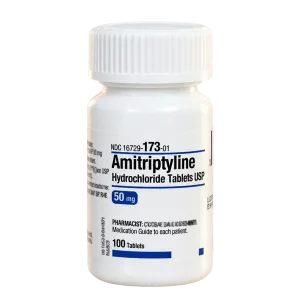
Amitriptyline
Anafranil
Bupropion Current
Celexa
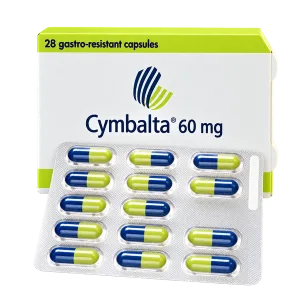
Cymbalta
Common questions
How does Bupropion differ from the closest alternative antidepressants?
The EMA’s 2024 medicine information distinguishes bupropion’s dopamine-norepinephrine activity from SSRIs, which mainly target serotonin. This difference may mean fewer sexual adverse effects for some patients, while insomnia, tremor, or anxiety may be more troublesome. SSRIs may fit depression with prominent panic or obsessive symptoms, whereas bupropion may suit selected patients with low energy or SSRI-related sexual problems. The choice depends on diagnosis, previous response, and contraindications.
Does Bupropion cause insomnia?
FDA prescribing information reviewed in 2024 lists insomnia among recognized adverse effects of bupropion. The problem may be more likely when a dose is taken late, when the person already sleeps poorly, or when other activating substances are used. Restlessness, racing thoughts, or several nights of sharply reduced sleep require prompt clinical review. Do not crush the sustained-release tablet to alter its timing.
Can Bupropion be used during pregnancy or breastfeeding?
Health Canada guidance available in 2024 supports an individualized assessment rather than an automatic decision for or against treatment. The prescriber weighs the severity of depression, previous response, pregnancy stage, other medicines, and the risks of untreated illness. Bupropion passes into breast milk, so infant age, feeding pattern, and clinical symptoms are relevant during breastfeeding. Sudden self-discontinuation can destabilize depression and should be avoided.
Which symptoms mean stopping Bupropion and seeking urgent medical care?
The WHO pharmacovigilance framework, referenced in 2023 safety guidance, treats seizures, severe allergic reactions, suicidal intent, psychosis, and severe manic symptoms as urgent warning signs. Seek emergency care for a seizure, breathing difficulty, facial swelling, severe confusion, or an immediate risk of self-harm. Contact a clinician promptly for rapidly worsening agitation, hallucinations, or several nights without meaningful sleep. Do not take another dose after a seizure until urgent medical advice has been obtained.
How can Bupropion affect driving, concentration, and work with machinery?
The EMA product information reviewed in 2024 advises caution because dizziness, insomnia, tremor, blurred vision, agitation, or impaired concentration can occur. Avoid driving or operating machinery until you know how the tablets affect you. Concentration may improve if depression responds, but activation or sleep loss can make work performance less predictable. Alcohol can worsen impairment and mood instability.
Can people under 18 use Bupropion?
Health Canada information from 2024 does not support treating children or adolescents with bupropion without specialist assessment and an appropriate indication. Antidepressant use in younger people requires monitoring for suicidal thoughts, agitation, behavioural change, and mania. The seizure risk and limited evidence for routine use make unsupervised treatment inappropriate. A paediatric or adolescent mental-health specialist should direct any exceptional use.
Do you offer anonymous delivery?
Your order will be securely packed and shipped within 24 hours. This is exactly what your package will look like (images of an actual item sent). It has the size and look of a regular private letter (24x11x0.7 cm) and its contents cannot be seen.
Customer Feedback on Bupropion
Guelph, used bupropion as part of a planned smoking-cessation programme. He reported fewer cigarette cravings after the quit date, but the first ten days brought irritability and a noticeable tremor. He found that taking the doses at consistent times helped, although the medicine alone did not remove every smoking trigger.
Kitchener, stopped treatment after developing marked restlessness and very little sleep during the first week. His symptoms settled after the prescriber reviewed the regimen and changed treatment. He said the experience reinforced the need to report activation early rather than waiting for it to become severe.
Sources
- U.S. Food and Drug Administration (2023). Wellbutrin XL (bupropion hydrochloride extended-release tablets) Prescribing Information.
- European Medicines Agency (2023). Bupropion-containing medicinal products: product information and pharmacological safety information.
- Health Canada (2024). Product Monograph: Bupropion Hydrochloride Sustained-Release Tablets.