The first ten days brought nausea and restless sleep. By the fifth week I was answering emails and leaving the house more easily, which was the first improvement I noticed.
Fluoxetine
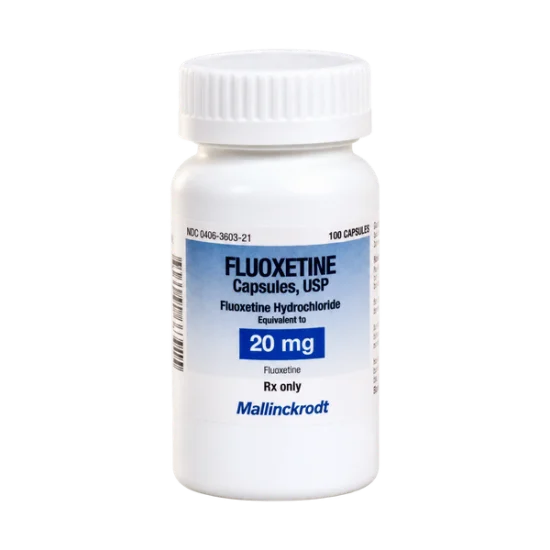
Fluoxetine is used mainly for depression, obsessive-compulsive disorder, bulimia nervosa and related conditions. Fluoxetine capsules contain fluoxetine hydrochloride, an SSRI that increases serotonin signalling gradually.
Overview
Fluoxetine capsules contain fluoxetine hydrochloride, an SSRI that increases serotonin signalling gradually. Treatment decisions depend on the diagnosis, age, medical history and Canadian prescribing information.
Dosage and administration
Fluoxetine capsules are taken by mouth. The capsule should be swallowed with water and taken according to the prescribed schedule.
- Take the prescribed amount at the same time each day when possible.
- Swallow the capsule whole.
- Do not open, crush or chew the capsule unless a prescriber or pharmacist has given a specific instruction.
- Do not increase the amount because the first doses feel ineffective.
- If a dose is missed, take it when remembered unless the next dose is near; skip the missed dose rather than doubling.
- Continue treatment for the duration prescribed, even if improvement begins before the planned review.
The dose is decided individually, taking age, other medicines and health conditions into account. The appropriate treatment plan depends on the response, tolerability and indication. Liquid fluoxetine, delayed-release forms and weekly formulations follow different instructions and should not be substituted for capsules without professional direction.
Early effects may include nausea, restlessness, sleep changes or headache. Mood benefits may take time to appear, and OCD symptoms may require a longer assessment than some depressive symptoms. Stopping, switching or increasing treatment requires a planned approach because fluoxetine and its active metabolite remain in the body for an extended period.
Kitchen spoons are unsuitable for measuring liquid medicines. An oral syringe gives a more accurate volume when a liquid formulation has been prescribed. Liquid and capsule formulations should not be treated as interchangeable simply because they contain the same active ingredient.
Formulation
Fluoxetine contains fluoxetine hydrochloride, the hydrochloride salt of fluoxetine. It belongs to the selective serotonin reuptake inhibitor (SSRI) class. The product is supplied as capsules.
Fluoxetine is prescribed for conditions such as:
- Major depressive disorder and other depressive illnesses
- Obsessive-compulsive disorder (OCD)
- Bulimia nervosa
- Selected anxiety disorders or panic attacks when a prescriber considers treatment appropriate
- Some eating-disorder symptoms under specialist supervision
Fluoxetine may improve mood, reduce persistent intrusive thoughts, lessen compulsive behaviours and decrease binge-and-purge symptoms in appropriate patients. It does not treat every condition associated with serotonin, and anxiety symptoms can temporarily feel stronger during the first part of treatment.
The dose is decided individually, taking age, other medicines and health conditions into account. The appropriate dose and treatment plan depend on the indication.
How it affects the body
Nerve cells release serotonin into the small space between them. A transporter normally pulls some serotonin back into the originating nerve cell. Fluoxetine blocks this reuptake transporter, leaving more serotonin available for signalling between nerve cells.
The process resembles slowing a conveyor belt that removes messages too quickly. More messages remain available, but the brain still needs time to adapt. Serotonergic neurotransmission changes gradually, so fluoxetine does not create an immediate mood shift after the first capsule.
The serotonin model is useful but incomplete. Depression can involve stress biology, sleep disruption, genetics, inflammation, cognition and social circumstances, so increasing serotonin is not a single-cause cure. Clinical improvement may appear as better sleep, less rumination, improved appetite or greater motivation before mood feels clearly different.
The FDA describes fluoxetine as an SSRI used for major depressive disorder, OCD and bulimia nervosa, while the pharmacological action involves inhibition of neuronal serotonin reuptake [1].
Therapeutic indications
Fluoxetine is prescribed for conditions such as:
- Major depressive disorder and other depressive illnesses
- Obsessive-compulsive disorder (OCD)
- Bulimia nervosa
- Selected anxiety disorders or panic attacks when a prescriber considers treatment appropriate
- Some eating-disorder symptoms under specialist supervision
Fluoxetine may improve mood, reduce persistent intrusive thoughts, lessen compulsive behaviours and decrease binge-and-purge symptoms in appropriate patients.
Common mistakes
Several day-to-day errors can make fluoxetine appear ineffective or increase avoidable risk:
- Taking extra capsules after a missed dose
- Stopping as soon as the first improvement appears
- Expecting immediate relief after the first capsule
- Hiding St John’s wort, migraine medicines or pain medicines from the prescriber
- Changing from capsules to liquid or a weekly formulation without guidance
- Ignoring new agitation, suicidal thoughts or unusual mood elevation
- Combining fluoxetine with alcohol when it worsens sleep or judgement
- Failing to report bruising, nosebleeds or gastrointestinal bleeding
- Restarting an old antidepressant after a treatment gap
Consistent dosing time can support adherence. Morning dosing may be useful when fluoxetine interferes with sleep, while a different schedule may be considered when it causes daytime fatigue. Unusual bruising or bleeding deserves attention when fluoxetine is combined with anticoagulants, antiplatelet medicines or regular anti-inflammatory drugs.
Fluoxetine’s long half-life can reduce withdrawal symptoms for some people, but it does not make unsupervised stopping or switching harmless. A prescriber should guide any change, especially when another serotonergic treatment will be introduced.
Reasons not to use it
Important contraindications and interaction groups include:
- Monoamine oxidase inhibitors (MAOIs), including certain medicines used for depression, Parkinson’s disease or infections
- Other antidepressants that increase serotonin
- Tramadol, linezolid, lithium and some triptans used for migraine
- St John’s wort and other supplements with serotonergic activity
- Medicines that increase bleeding risk, such as anticoagulants, antiplatelet medicines and some anti-inflammatory drugs
- Medicines affected by fluoxetine’s inhibition of liver enzymes
- Alcohol, which can worsen sedation, impaired judgement, sleep disruption or depressive symptoms
MAOIs require a medically planned washout interval before fluoxetine is started, and fluoxetine may require a prolonged interval before an MAOI is introduced. The correct interval depends on the specific medicines involved.
When this is not for you
Fluoxetine is not suitable for everyone. This medication is not for you if you have had a serious allergic reaction to fluoxetine or one of its ingredients, or if you are taking a medicine that creates an unsafe interaction.
People with bipolar disorder need assessment for past mania or hypomania because an antidepressant can trigger mood elevation in susceptible patients. Caution is also needed with epilepsy, significant liver disease, bleeding disorders, glaucoma risk and a history of severe reactions to antidepressants.
Do not start, stop or combine antidepressants from an old prescription. Tell the prescriber about pain medicines, migraine treatments, anticoagulants, recreational substances, vitamins and herbal products before the treatment plan changes.
Possible side effects
Fluoxetine is tolerated by many patients, but unwanted effects can occur. Common effects include nausea, diarrhoea, headache, nervousness, sweating, dry mouth, fatigue, sleep disturbance and changes in appetite. Sexual side effects can include reduced libido, delayed orgasm or difficulty reaching orgasm.
| Symptoms to monitor | Urgent symptoms |
|---|---|
| Nausea, headache, insomnia, nervousness or sexual difficulties | Severe agitation, confusion, high fever, heavy sweating, tremor, muscle rigidity or diarrhoea |
| Reduced appetite or tiredness | Swelling of the face or throat, wheezing, blistering rash or difficulty breathing |
| Increased restlessness or emotional activation | New suicidal thoughts, severe behavioural change, seizure or loss of consciousness |
Serotonin syndrome occurs when serotonergic activity becomes excessive, often after combining medicines or increasing treatment too quickly. Warning signs include agitation, tremor, sweating, diarrhoea, fever, muscle stiffness, confusion and a fast heartbeat. Fluoxetine does not treat serotonin syndrome; suspected cases require urgent medical assessment.
A small number of people, especially younger patients, can experience worsening mood, unusual agitation or suicidal thoughts during early treatment or after a dose change. This risk requires prompt attention rather than silent observation. Fluoxetine can also lower the seizure threshold, and caution is needed in people with seizure disorders or conditions that increase seizure risk.
Allergic reactions are uncommon but may be serious. Persistent sexual symptoms after stopping an SSRI have been reported as Post-SSRI Sexual Dysfunction (PSSD), although the frequency, causes and long-term course remain incompletely understood. The Canadian product information and FDA safety material describe these issues alongside common adverse effects and major warnings [2].
Comparison
Antidepressant selection depends on the target symptoms, previous response, side-effect priorities, medical conditions, pregnancy plans and interaction risks.
| Category | Typical clinical distinction | Main limitation |
|---|---|---|
| Fluoxetine and other SSRIs | Useful for depression, anxiety-related conditions and OCD | Nausea, activation and sexual side effects may occur |
| SNRIs such as venlafaxine or desvenlafaxine | Affect serotonin and noradrenaline; may help depression with pain symptoms | Blood-pressure changes, nausea and discontinuation effects require attention |
| Other antidepressants, including NASSAs and atypical agents | May suit selected sleep, appetite or sexual-function profiles | Different sedation, weight, seizure or interaction concerns |
What doctors say
In clinical practice, prescribers often judge fluoxetine by function rather than by a single mood score. Sleeping more regularly, returning to work tasks, eating consistently or interrupting compulsive rituals can signal progress before a person describes feeling happy.
A common early problem is activation. A patient may feel more restless or alert before anxiety improves, especially after starting treatment or changing the dose. The response should be discussed promptly when activation is marked, persistent or accompanied by impulsivity, reduced need for sleep or suicidal thinking.
Doctors also assess adherence without assuming that a missed capsule reflects unwillingness. Shift work, childcare, nausea and irregular sleep can all disrupt dosing. A simple routine linked to breakfast or another daily activity can help, provided the chosen timing does not worsen insomnia or daytime sleepiness.
Treatment response is judged over an adequate period. Fluoxetine should not be declared ineffective after a few days, and it should not be continued indefinitely without reviewing benefits, adverse effects and the reason for treatment.
Comparison
Amitriptyline
Anafranil
Bupropion
Celexa
Cymbalta
Common questions
Can Fluoxetine be taken with food or on an empty stomach?
Fluoxetine can generally be taken with food or without food. Taking it with a meal may reduce nausea for some people, while others prefer a consistent routine without a meal. Health Canada’s 2023 product information describes oral administration without requiring a specific meal pattern. Keep the method consistent unless a prescriber changes the instructions.
What is the best time of day to take Fluoxetine?
The best time depends on how fluoxetine affects sleep and alertness. Morning dosing may be preferable when the medicine causes activation or insomnia, while some people tolerate another time better when drowsiness occurs. The FDA prescribing information available in 2023 allows daily administration according to the prescribed schedule rather than requiring one universal clock time. Take it at a consistent time that fits the treatment plan.
What should happen after a missed Fluoxetine dose?
Take the missed capsule when remembered unless the next scheduled dose is close. In that situation, skip the missed dose and resume the usual schedule. The 2023 NHS medicines guidance advises against doubling the next dose after a missed fluoxetine dose. Contact the prescriber if missed doses are frequent or if a treatment interruption lasts several days.
Can Fluoxetine affect driving, concentration or work with machinery?
Fluoxetine can cause dizziness, drowsiness, restlessness, blurred vision or impaired concentration in some patients, especially early in treatment. Avoid driving or operating machinery until you know how the capsule affects alertness and coordination. Transport Canada’s 2022 medical guidance supports assessing individual impairment rather than assuming every person will react identically. Alcohol can make concentration and judgement worse.
Which diet, exercise or habits help or hinder Fluoxetine treatment?
Regular sleep, moderate physical activity, consistent meals and limited alcohol can support recovery alongside prescribed treatment. Large changes in caffeine intake may worsen anxiety, tremor or insomnia in someone who is sensitive to stimulation. WHO mental-health guidance published in 2023 supports activity, sleep routines and social connection as useful parts of depression care, but these habits do not replace fluoxetine when medication is clinically indicated. Tell the prescriber about supplements, especially St John’s wort.
Do you offer anonymous delivery?
Your order will be securely packed and shipped within 24 hours. This is exactly what your package will look like (images of an actual item sent). It has the size and look of a regular private letter (24x11x0.7 cm) and its contents cannot be seen.
Fluoxetine Brands and Product Variations
| Formulation | Active ingredient | Practical difference |
|---|---|---|
| Capsules | Fluoxetine hydrochloride | Oral daily dosing according to the prescription |
| Oral liquid | Fluoxetine | Useful when swallowing capsules is difficult; requires accurate measurement |
| Longer-interval formulation | Fluoxetine | Different dosing schedule; not interchangeable without medical direction |
The active ingredient and formulation should be confirmed before changing between products. A capsule, liquid and weekly product can have different administration instructions even when the active drug is fluoxetine.
Customer Feedback on Fluoxetine
My obsessive thoughts became less sticky after about a month. I still had some jaw tension and reduced libido, so the benefit came with a drawback I had to discuss.
My mood was steadier after six weeks and I was eating breakfast again. I felt more alert at night during the first fortnight, so taking it later in the day did not suit me.
The capsule helped after several weeks, but the early anxiety was uncomfortable. I nearly stopped on my own before contacting the prescriber, and the plan was adjusted safely.
After two months I felt less withdrawn, but I noticed easy bruising. The medication review found another medicine that increased bleeding risk, so the combination needed closer monitoring.
Sources
- FDA (2023). Prozac (fluoxetine hydrochloride) Prescribing Information.
- Health Canada (2023). Fluoxetine Product Monograph.