Skip to content
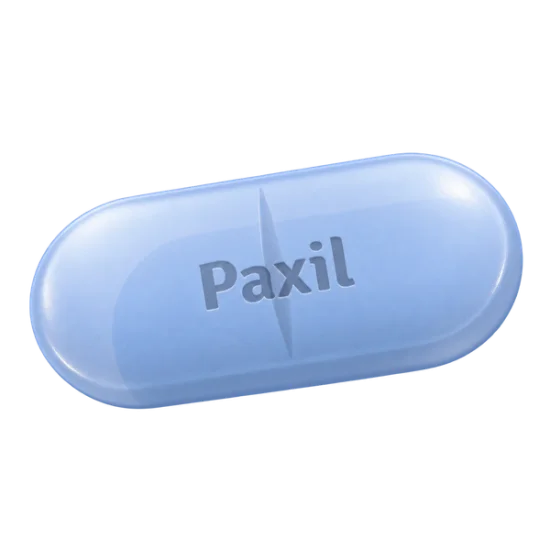
Paxil
Active ingredient: Paroxetine

Paxil

Quality products
24/7 Support
Fast delivery
Delivery from 4 days
Select pack Package Per unit Price

Free delivery on orders from $ 312.00, free express delivery from $ 468.00

Secure Payments
Track your order
Best price guarantee

Paroxetine, the active ingredient of Paxil, is a selective serotonin reuptake inhibitor used for depression and several anxiety-related disorders. It is prescribed for adults when persistent symptoms affect mood, functioning, panic, or social confidence.

Overview

By increasing serotonin signalling between nerve cells, Paxil can reduce depressive and anxiety symptoms over time.

Paxil contains paroxetine, an SSRI.

Dosage and administration

  • Dose: Take the individually selected amount of paroxetine in the prescribed pills.
  • Frequency: Take the pills at the frequency prescribed for the diagnosis and treatment plan.
  • Timing: Take the pills orally at the prescribed time.
  • Duration: Continue treatment beyond the first improvement when prescribed, because treatment may aim to reduce recurrent symptoms or panic attacks; the exact duration is individual.
  • Route: Swallow the pills by mouth. Paxil is used as an SSRI treatment for depression and several anxiety-related disorders, with the treatment plan tailored to the diagnosis, symptoms, and response.

Formulation

Paxil contains paroxetine as its active ingredient. Paroxetine is a selective serotonin reuptake inhibitor (SSRI) that increases serotonin signalling between nerve cells.

How it affects the body

Serotonin is a chemical messenger involved in mood, anxiety, sleep, appetite, and emotional regulation. After serotonin is released between nerve cells, a transporter normally carries part of it back into the sending cell. Paroxetine blocks this transporter, allowing serotonin to remain available in the synaptic space for longer.

The therapeutic response develops gradually. A person may notice changes in sleep, appetite, agitation, or anxiety before mood improvement becomes clear. Abrupt changes in treatment can produce problems because the nervous system adapts to ongoing serotonin-transporter inhibition.

Paroxetine is considered a potent SSRI. Potency does not mean that it is the best choice for every person. Its short half-life and clinically significant withdrawal potential make treatment planning important, especially after long-term use.

The Health Canada product monograph describes paroxetine’s serotonergic action, approved uses, warnings, and interaction profile [1].

Therapeutic indications

Paxil contains paroxetine, an SSRI. Doctors prescribe paroxetine for major depressive disorder, panic disorder, social anxiety disorder, generalized anxiety disorder, and obsessive-compulsive disorder in appropriate patients. Its use depends on the diagnosis, symptom pattern, age, other medicines, and previous treatment response.

Paxil may be prescribed for panic disorder, including panic attacks accompanied by anticipatory anxiety or avoidance. Treatment is usually continued beyond the first improvement because the aim includes reducing the likelihood of recurrent attacks and restoring normal activity.

Paroxetine can also be used for social anxiety disorder, generalized anxiety disorder, obsessive-compulsive disorder, and depressive illness. The same medicine may feel different across these conditions. A person with panic disorder may first notice fewer physical surges of fear, while someone with depression may notice better concentration or less hopelessness later.

The World Health Organization includes SSRIs among pharmacological options for selected depressive and anxiety conditions, with treatment choice guided by clinical assessment and follow-up [2].

Common mistakes

Several practical errors can reduce benefit or increase risk:

  • Stopping after a few days because early nausea or nervousness feels uncomfortable.
  • Taking extra tablets after a missed dose.
  • Crushing a controlled-release tablet.
  • Changing between morning and evening dosing repeatedly.
  • Combining Paxil with recreational substances or serotonergic supplements without review.
  • Hiding sexual side effects from the prescriber.
  • Treating withdrawal symptoms as proof that the original illness has permanently worsened.
  • Starting aspirin or naproxen regularly without considering bleeding risk.
  • Failing to mention a past episode of mania or hypomania.
  • Expecting Paxil to stop an acute panic attack immediately.

Patients should not switch between immediate-release and controlled-release forms on their own. The release pattern changes the way paroxetine is delivered, even when the active substance is the same.

Reasons not to use it

  • Current use of monoamine oxidase inhibitors, including phenelzine, tranylcypromine, isocarboxazid, or selegiline.
  • Recent use of an MAOI without the required washout interval.
  • Previous serious allergic reaction to paroxetine.
  • Bipolar disorder without a plan to manage mania risk.
  • A history of severe serotonin syndrome.
  • Significant liver or kidney impairment requiring dose adjustment.
  • Pregnancy or breastfeeding without an individual treatment review.
  • Use of medicines that increase bleeding risk or strongly affect serotonin.

Combining paroxetine with an MAOI can cause serotonin syndrome, a medical emergency involving excessive serotonergic activity. Other serotonergic agents, including some migraine treatments, opioid analgesics, lithium, and certain herbal products, can also increase risk.

Aspirin and naproxen can increase bleeding risk when combined with an SSRI. The risk is higher in people with a history of gastrointestinal bleeding, ulcers, clotting disorders, or treatment with anticoagulants or antiplatelet medicines.

Paroxetine can inhibit CYP2D6, an enzyme involved in the metabolism of several medicines. This interaction may affect drugs such as tamoxifen, some antiarrhythmics, and selected antipsychotics. A complete medicine list should be reviewed before treatment begins.

The FDA identifies MAOI combinations, serotonin syndrome, bleeding, mania, and suicidal thinking as important safety issues in paroxetine treatment [3].

When this is not for you

Paxil may not be suitable if you take an MAOI or have recently taken one, have had a serious allergic reaction to paroxetine, or have previously experienced severe serotonin syndrome. Extra medical review is needed if you have bipolar disorder, significant liver or kidney problems, are pregnant or breastfeeding, or take medicines that affect bleeding or serotonin.

Possible side effects

Paxil can cause side effects because serotonin signalling occurs in the digestive tract, sleep-wake pathways, sexual-response pathways, and several other systems. Some reactions improve as the body adjusts; others persist and require a treatment review.

Frequency pattern Possible effects Action
Common or early effects Nausea, loose stools, dry mouth, sweating, tiredness, sleep changes, headache Track severity and timing; persistent symptoms may require dose review
Ongoing tolerability concerns Reduced libido, delayed orgasm, erectile difficulty, emotional blunting, weight change Discuss directly during follow-up; do not stop abruptly
Serious warning signs Suicidal thoughts, severe agitation, serotonin syndrome, unusual bleeding, mania, severe allergic reaction Seek urgent medical assessment

Sexual dysfunction can occur even when mood improves. Patients sometimes omit this symptom because it feels embarrassing, yet it is a recognised SSRI effect and may influence adherence. Weight change can also occur, although the direction and degree vary between individuals.

Serotonin syndrome is uncommon but potentially dangerous. Symptoms can include confusion, marked agitation, fever, sweating, tremor, muscle stiffness, diarrhoea, and a rapid heartbeat. The risk rises when paroxetine is combined with other serotonergic substances.

Morning or evening dosing depends on the person’s response. If Paxil causes sleepiness, an evening schedule may help; if it causes insomnia, a prescriber may prefer morning use.

Comparison

Paxil belongs to the SSRI class. Other treatments may be considered when sexual side effects, sedation, weight change, anxiety activation, withdrawal sensitivity, blood pressure effects, or incomplete response become clinically relevant.

Treatment approach Main pharmacology Practical distinction
Paroxetine SSRI Broad use in depression and anxiety; withdrawal symptoms can be prominent
Sertraline or citalopram SSRI Similar serotonin mechanism with different interaction and tolerability profiles
Venlafaxine extended release Serotonin-norepinephrine reuptake inhibitor Influences serotonin and norepinephrine; blood pressure and withdrawal require attention
Bupropion or buspirone Non-SSRI approaches Different mechanisms; suitability depends strongly on diagnosis and medical history

Sertraline may be selected when a clinician wants an SSRI with a different interaction profile. Citalopram is another serotonin-focused option, though cardiac electrical effects can influence prescribing decisions in susceptible patients. Venlafaxine affects two neurotransmitter systems and may be considered when depression or anxiety has not responded adequately to an SSRI.

Bupropion does not work by increasing serotonin in the same way and may be unsuitable for people with seizure risk or certain eating disorders. Buspirone is used for some anxiety presentations, yet it is not a direct substitute for Paxil in every condition.

The choice is clinical, not a simple ranking. A person who previously developed sexual dysfunction with one SSRI may still experience it with another, while a different patient may tolerate the second medicine much better.

What doctors say

In clinical practice, doctors often focus on three points: the diagnosis, the first-week tolerability pattern, and the plan for continuation or tapering. Paxil can be a useful option for depression and anxiety, yet its short half-life makes missed doses more noticeable for some patients.

A psychiatrist would usually set expectations before treatment begins. Improvement may be gradual, anxiety may briefly increase, and sexual side effects may require direct discussion. The aim is not simply to remove one symptom while creating another problem that causes the patient to stop treatment.

A physician also considers previous SSRI response. Someone who improved on paroxetine but stopped because of withdrawal may need a carefully structured taper in the future. Someone with panic disorder may need treatment long enough to reduce avoidance, not merely enough to suppress the first few attacks.

Comparison

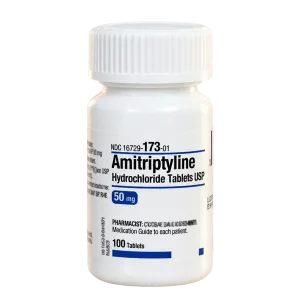
Amitriptyline

Active ingredient: Amitriptyline
50mg
From $ 198.12
pills
3.8 (4)

Anafranil

Active ingredient: Clomipramine
25mg 50mg 75mg 10mg
From $ 135.72
pills
3.5 (3)

Bupropion

Active ingredient: Bupropion
150mg
From $ 135.72
pills
3.5 (3)

Celexa

Active ingredient: Citalopram
20mg 10mg
From $ 126.36
pills
3.5 (3)

Cymbalta

Active ingredient: Duloxetine
20mg 30mg 40mg 60mg
From $ 135.72
pills
3.7 (5)

Comparison table: Antidepressants

Common questions

How long does one Paxil dose keep working?

Paroxetine is taken on a regular schedule because its clinical effect is intended to remain continuous rather than provide rapid, dose-by-dose relief. Its relatively short half-life means some people notice symptoms after a missed dose sooner than with longer-acting SSRIs. Health Canada’s 2023 product information describes regular administration and discontinuation precautions for paroxetine. The treatment effect on depression or anxiety lasts beyond one tablet’s immediate absorption, but it depends on consistent use. A prescriber can assess whether the dosing schedule is maintaining symptom control.

What happens when Paxil is stopped, and does it need tapering?

Stopping suddenly can cause dizziness, sensory disturbances, nausea, vivid dreams, insomnia, anxiety, irritability, and mood changes. A taper is commonly considered, with the pace adapted to treatment duration and previous withdrawal symptoms. The EMA’s 2022 guidance on SSRI use supports gradual reduction when discontinuation symptoms are a concern. Relapse and withdrawal can overlap, so timing and symptom pattern help the clinician distinguish them.

What should I do after a missed Paxil dose?

Take the missed tablet when remembered unless the next scheduled dose is near. If the next dose is close, the missed dose is generally skipped rather than doubled. The FDA’s 2023 paroxetine prescribing information advises against taking extra medication to compensate for a missed dose. Repeated missed doses should be discussed because they can produce discontinuation symptoms and reduce symptom control.

How does Paxil differ from the closest alternatives?

Paxil, sertraline, and citalopram are SSRIs, so all increase serotonin signalling through transporter inhibition. Venlafaxine is an SNRI and also affects norepinephrine, while bupropion uses a different mechanism. NICE guidance published in 2022 describes antidepressant selection as dependent on symptoms, previous response, adverse effects, interactions, and patient preference. Paroxetine’s withdrawal sensitivity and CYP2D6 inhibition can be decisive factors in choosing another option.

Can Paxil tablets be split, crushed, or chewed?

Immediate-release tablets should only be split when the prescriber or dispensing instructions confirm that the specific tablet is suitable for splitting. Controlled-release Paxil CR tablets should be swallowed whole and should not be crushed or chewed. Health Canada’s 2023 product information explains that altering a modified-release tablet can change drug delivery. Crushing a controlled-release tablet is not a safe way to make swallowing easier.

Which condition rules Paxil out?

Current treatment with an MAOI, such as phenelzine, tranylcypromine, isocarboxazid, or selegiline, rules out concurrent Paxil use because of serotonin-syndrome risk. A previous serious allergic reaction to paroxetine is another clear reason to avoid it. Health Canada’s 2023 monograph lists MAOI combinations and hypersensitivity among major contraindication concerns. Bipolar disorder, pregnancy, severe liver disease, and bleeding risk require individual clinical planning rather than automatic treatment.

Do you offer anonymous delivery?

Your order will be securely packed and shipped within 24 hours. This is exactly what your package will look like (images of an actual item sent). It has the size and look of a regular private letter (24x11x0.7 cm) and its contents cannot be seen.

Customer Feedback on Paxil

3.7
Based on 5 reviews
Simon, 46 Winnipeg About six weeks
Verified
Rating: 3.5 out of 5

Simon, 46 - Winnipeg, took an individually prescribed dose of Paxil for about six weeks. The first ten days brought nausea and restless sleep, but the panic attacks became less frequent by the second month. He still needed a slow taper later because missed tablets caused dizziness.

Nov 5, 2026
Amanda, 34 Guelph Several weeks
Verified
Rating: 4 out of 5

Amanda, 34 - Guelph, used an individually adjusted dose of Paxil for several weeks for depression. She described better concentration after several weeks, while reduced libido remained frustrating. Her prescriber changed the timing and discussed alternatives rather than telling her to stop suddenly.

Nov 12, 2026
Robert, 51 Sherbrooke Several months
Verified
Rating: 3.5 out of 5

Robert, 51 - Sherbrooke, had taken Paxil at an individually prescribed dose for several months for anxiety. He felt calmer in social situations but gained weight and felt tired in the afternoon. The improvement was meaningful, although the tolerability trade-off led to a treatment review.

Oct 15, 2026
Hannah M., 28 Saskatoon Several months
Verified
Rating: 3.5 out of 5

Hannah M., 28 - Saskatoon, had been taking Paxil at an individually prescribed dose for several months and missed two doses while travelling and noticed electric-shock sensations, irritability, and poor sleep. Symptoms eased after the regular schedule was restored, and a future taper was planned more slowly.

Oct 25, 2026
Victoria, 55 St. Catharines Several months
Verified
Rating: 4 out of 5

Victoria, 55 - St. Catharines, had used Paxil at an individually prescribed dose for several months and reported that it helped persistent worry but did not remove every low-mood day. She found the early adjustment period difficult and appreciated having a clear plan for monitoring sleep, appetite, and mood.

Nov 1, 2026

Sources

  1. Health Canada (2023). Paxil Product Monograph
  2. World Health Organization (2023). Mental Health Gap Action Programme (mhGAP) Guideline
  3. U.S. Food and Drug Administration (2023). Medication Guide: Paxil and Paroxetine
Get our free app Shop faster and track your orders 3.8 · 539 reviews Install