Skip to content
Pristiq
Active ingredient: Desvenlafaxine

Pristiq

Quality products
24/7 Support
Fast delivery
Delivery from 4 days
Select pack Package Per unit Price

Free delivery on orders from $ 312.00, free express delivery from $ 468.00

Secure Payments
Track your order
Best price guarantee

Depressive symptoms can affect mood, sleep, concentration, and daily functioning. Pristiq contains desvenlafaxine, an SNRI antidepressant prescribed for adults with major depressive disorder; it increases the availability of serotonin and norepinephrine in the brain.

Overview

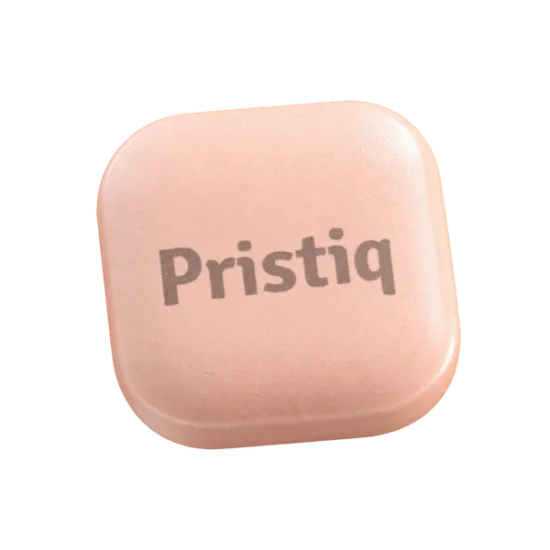
Pristiq is a prescription antidepressant tablet for adults with major depressive disorder. Its active substance, desvenlafaxine, belongs to the serotonin-norepinephrine reuptake inhibitor group, usually shortened to SNRIs.

Pharmacological classification

SNRIs reduce the reuptake of two neurotransmitters: serotonin and norepinephrine. Reuptake is the process by which nerve cells take these chemical messengers back after release. By slowing that process, desvenlafaxine leaves more serotonin and norepinephrine available between nerve cells.

This dual action differs from a selective serotonin reuptake inhibitor, or SSRI, which mainly acts on serotonin. That difference can matter when choosing treatment, though it does not make one class universally preferable.

A realistic early goal is better day-to-day function, such as getting through work, sleeping more regularly, or reconnecting with routine activities. Mood changes often follow more gradually.

Dosage and administration

Pristiq tablets are taken by mouth once daily, at a consistent time chosen around the person’s routine. The dose is decided individually, taking age, other medicines and health conditions into account. Swallow the tablet whole with fluid.

Do not crush, split, chew, or dissolve an extended-release tablet. The tablet matrix controls the release of desvenlafaxine over time; damaging it can release the medicine too quickly and increase unwanted effects.

  • Take it at the same time each day.
  • A morning routine may suit people who notice insomnia or restlessness.
  • An evening routine may suit people who feel sleepy after a dose.
  • If a dose is missed, take it when remembered unless the next scheduled dose is near.
  • Do not take two doses together to compensate for a missed tablet.

The first days can feel uneventful, uncomfortable, or both. Nausea or dizziness may appear before mood benefits do.

Keep a brief weekly record of sleep, mood, anxiety, sweating, nausea, and blood-pressure readings when relevant. A pattern is more useful to a prescriber than a vague report that the medicine feels strange.

Formulation

Pristiq contains desvenlafaxine, an active substance from the serotonin-norepinephrine reuptake inhibitor (SNRI) group. It is supplied as an extended-release tablet for adults with major depressive disorder.

How it affects the body

Desvenlafaxine is administered as desvenlafaxine succinate in extended-release tablets. It is the major active metabolite of venlafaxine, meaning the body forms desvenlafaxine when it processes venlafaxine. Both medicines affect serotonin and norepinephrine signalling, yet their metabolism and dosing approach are not interchangeable. [1]

At the synapse, one nerve cell releases a neurotransmitter and the next cell receives its signal. Desvenlafaxine limits transport proteins that return serotonin and norepinephrine to the first nerve cell. The result is a sustained increase in signalling from both neurotransmitters.

Metabolic pathway and venlafaxine connection

Venlafaxine depends more heavily on the liver enzyme CYP2D6 to form desvenlafaxine. Desvenlafaxine undergoes less CYP2D6-dependent metabolism, so genetic differences or medicines affecting that enzyme may have a smaller effect on desvenlafaxine exposure.

Therapeutic indications

Pristiq is intended to reduce the symptom burden over time rather than create an immediate change in mood.

Common mistakes

  • Stopping after a few days because nausea or sleep changes occur before any mood improvement.
  • Crushing or chewing the extended-release tablet.
  • Taking missed doses too close together.
  • Adding St. John’s wort, a triptan, or another antidepressant without disclosing it.
  • Assuming new agitation, racing thoughts, or reduced need for sleep are ordinary recovery signs.
  • Ignoring rising blood-pressure readings or persistent palpitations.
  • Stopping suddenly after feeling better.

A missed dose is not a reason to double up. Consistency matters more than chasing a perfect schedule.

Reasons not to use it

Pristiq is not for you if you have had hypersensitivity to desvenlafaxine, venlafaxine, or a component of the formulation. It is also not for you if you are taking a monoamine oxidase inhibitor, known as an MAOI, for psychiatric treatment.

When this is not for you

Extra caution is needed with uncontrolled high blood pressure, heart disease, glaucoma, seizure disorders, bipolar disorder, low sodium risk, kidney impairment, or a history of unusual bleeding. Desvenlafaxine can raise blood pressure in some people and may trigger mania or hypomania in a person with bipolar vulnerability.

Pregnancy and breastfeeding require an individualized assessment. Exposure late in pregnancy can be associated with neonatal adaptation symptoms, such as breathing difficulty, feeding problems, tremor, irritability, or low muscle tone after birth. Desvenlafaxine can also pass into breast milk.

Possible side effects

Common adverse effects of desvenlafaxine include nausea, dry mouth, dizziness, sweating, constipation, reduced appetite, fatigue, insomnia, anxiety, tremor, and sexual side effects. Some people notice these during the first weeks and find that they lessen as treatment continues. Others need a change in dose or treatment plan.

Sexual effects can include reduced libido, delayed orgasm, or erectile difficulty. This topic is often missed because people may feel awkward raising it, yet it is a valid reason to review treatment.

More serious reactions need prompt medical assessment. These include severe agitation, confusion, fever, muscle rigidity, loss of coordination, seizures, unusual bleeding, a major increase in blood pressure, manic behaviour, or thoughts of self-harm.

Nausea is often easier to manage when the tablet is taken with a small meal, even though it can be taken with or without food. Persistent vomiting, dehydration, or inability to keep fluids down needs medical attention.

Comparison

Antidepressant selection is based on symptoms, previous treatment response, coexisting health conditions, and tolerability. The World Health Organization describes antidepressants as one component of care for moderate to severe depression, alongside psychological and social interventions. [2]

Active substance or class Main neurotransmitter action Practical distinction
Desvenlafaxine SNRI: serotonin and norepinephrine Extended-release SNRI option with less CYP2D6 dependence than venlafaxine
Venlafaxine SNRI: serotonin and norepinephrine Converted partly into desvenlafaxine through CYP2D6 metabolism
SSRIs such as sertraline, escitalopram, or fluoxetine Mainly serotonin Often selected when a serotonin-focused approach is preferred

Duloxetine is another SNRI. It affects serotonin and norepinephrine and may be selected when depression occurs with certain chronic pain conditions. Amitriptyline, nortriptyline, imipramine, and desipramine are older tricyclic antidepressants that can be useful in defined situations, though they often carry a heavier anticholinergic burden.

Pristiq and venlafaxine

The two medicines are closely related but should not be combined. Taking desvenlafaxine with venlafaxine can increase serotonergic effects without providing a routine clinical advantage. A transition plan may be needed to reduce discontinuation symptoms or avoid overlapping adverse effects.

What doctors say

In clinical practice, prescribers often explain that Pristiq is judged by trends over several weeks, not by a single good or bad day. Sleep, appetite, anxiety, energy, and ability to complete ordinary tasks can improve at different speeds.

Blood pressure deserves attention. A person with pre-existing hypertension may need more frequent readings after starting or changing desvenlafaxine. Clinicians also screen for past mania, hypomania, seizures, alcohol withdrawal, and other medicines before treatment changes.

The European Medicines Agency emphasizes that antidepressant monitoring should include mood changes and suicidal thinking, especially early in treatment and after dose changes. [3]

Comparison

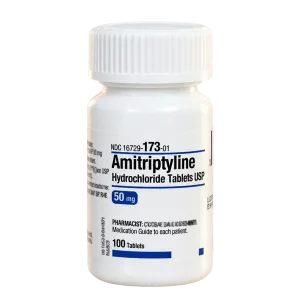
Amitriptyline

Active ingredient: Amitriptyline
50mg
From $ 198.12
pills
3.8 (4)

Anafranil

Active ingredient: Clomipramine
25mg 50mg 75mg 10mg
From $ 135.72
pills
3.5 (3)

Bupropion

Active ingredient: Bupropion
150mg
From $ 135.72
pills
3.5 (3)

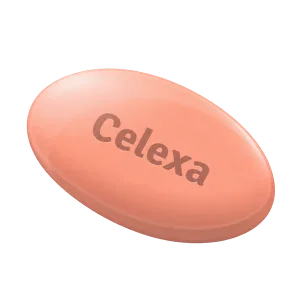
Celexa

Active ingredient: Citalopram
20mg 10mg
From $ 126.36
pills
3.5 (3)

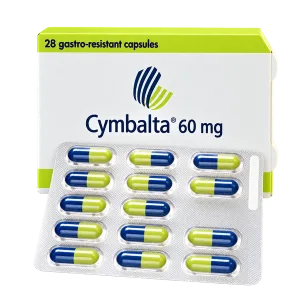
Cymbalta

Active ingredient: Duloxetine
20mg 30mg 40mg 60mg
From $ 135.72
pills
3.7 (5)

Comparison table: Antidepressants

Common questions

How does Pristiq differ from venlafaxine and SSRIs?

Pristiq contains desvenlafaxine, while venlafaxine is converted by the body into desvenlafaxine and other metabolites. Both are SNRIs, so they affect serotonin and norepinephrine; SSRIs mainly target serotonin. Desvenlafaxine has less reliance on CYP2D6 metabolism than venlafaxine, which may matter when other medicines affect that enzyme. The FDA’s 2023 prescribing information describes desvenlafaxine as an SNRI for major depressive disorder in adults.

Pristiq use in older adults

Older adults can use desvenlafaxine when it is clinically appropriate, though the dose and monitoring plan are individualized. Kidney function, blood pressure, falls risk, sodium levels, and the number of other medicines deserve close review. Dizziness or low sodium can increase the chance of confusion and falls in susceptible people. Health Canada’s 2023 medication information emphasizes monitoring for adverse effects and medication interactions in adults receiving antidepressant treatment.

Urgent symptoms during treatment

Seek urgent medical care for suicidal thoughts, severe agitation, confusion, fever, stiff muscles, tremor with exaggerated reflexes, seizures, severe rash or swelling, chest pain, fainting, or signs of major bleeding. These symptoms can indicate serotonin syndrome, a serious allergic reaction, a cardiovascular problem, or another condition requiring immediate assessment. New manic symptoms, such as unusually elevated mood, risky behaviour, racing thoughts, and little need for sleep, also need prompt review. The EMA’s 2024 safety guidance advises careful monitoring for behavioural changes during antidepressant treatment.

Driving, concentration, and machinery

Desvenlafaxine can cause dizziness, sleepiness, blurred vision, or reduced concentration, especially after starting treatment or changing the dose. Avoid driving, climbing ladders, or using machinery until you know how Pristiq affects you personally. Alcohol can worsen sedation, impaired judgement, and mood symptoms. The WHO’s 2023 depression guidance supports tailoring treatment around daily functioning and safety needs.

Time to noticeable benefit

Some physical symptoms, such as sleep or appetite disruption, may shift within the first weeks. Improvement in mood, motivation, and interest often takes longer and can be uneven. Early side effects do not reliably predict whether the medicine will help, though severe or persistent effects need review. FDA prescribing information from 2023 describes clinical trials assessing antidepressant benefit over weeks rather than days.

Storage at home and while travelling

Keep Pristiq tablets in their original closed container, away from excess heat, moisture, and direct sunlight. A dry cupboard is preferable to a humid bathroom. When travelling, keep the medicine accessible and protected from temperature extremes. Health Canada’s 2023 medicine-safety guidance advises keeping prescription medicines away from children and pets.

Diet, exercise, and habits affecting treatment

Regular meals, consistent sleep and wake times, gentle physical activity, and structured daily tasks can support recovery from depression. Alcohol and recreational substances can worsen sleep, anxiety, mood instability, and concentration, making it harder to assess the medicine’s effect. Caffeine late in the day may aggravate insomnia or palpitations for some people taking an SNRI. The WHO’s 2023 guidance supports combining evidence-based psychological, social, and lifestyle measures with appropriate depression care.

Do you offer anonymous delivery?

Your order will be securely packed and shipped within 24 hours. This is exactly what your package will look like (images of an actual item sent). It has the size and look of a regular private letter (24x11x0.7 cm) and its contents cannot be seen.

Customer Feedback on Pristiq

3.6
Based on 5 reviews
Kerry, 61 Montreal Four months
Verified
Rating: 5 out of 5

I took Pristiq for four months after several months of low mood and early waking. The nausea was annoying during the first week, but it faded. By the second month, I was sleeping more steadily and could keep up with ordinary errands again.

Oct 16, 2026
Jessica, 38 Vancouver About ten weeks
Verified
Rating: 3.5 out of 5

I used the tablets for about ten weeks. My concentration improved before my mood did, which surprised me. Dry mouth was my main complaint, and I kept water at my desk.

Oct 25, 2026
Zoe D., 65 Fredericton By month three
Verified
Rating: 3.5 out of 5

I had dizziness when I stood up too quickly during the first two weeks. My prescriber reviewed my other medicines and asked me to track my blood pressure. The mood benefit was gradual, not dramatic, but I felt less withdrawn by month three.

Oct 31, 2026
Catherine, 68 Thunder Bay Several weeks
Verified
Rating: 2.5 out of 5

This was not a good fit for me. I had more sweating and trouble sleeping, and the sleep problem did not settle after several weeks. We changed the treatment plan rather than pushing through it.

Nov 6, 2026
Amy, 47 St. Catharines About a month
Verified
Rating: 3.5 out of 5

I took it through a difficult period at work. I noticed I was less tearful after about a month, but I also had reduced libido. Bringing that up at my appointment was uncomfortable, yet it helped us discuss options honestly.

Nov 13, 2026

Sources

  1. U.S. Food and Drug Administration (2023). PRISTIQ (desvenlafaxine) extended-release tablets: Prescribing information.
  2. World Health Organization (2023). Depressive disorder (depression) fact sheet.
  3. European Medicines Agency (2013). Guideline on clinical investigation of medicinal products in the treatment of depression.
Get our free app Shop faster and track your orders 3.8 · 539 reviews Install