Skip to content
Rybelsus
Active ingredient: Semaglutide

Rybelsus

Quality products
24/7 Support
Fast delivery
Delivery from 4 days
Select pack Package Per unit Price

Free delivery on orders from $ 312.00, free express delivery from $ 468.00

Secure Payments
Track your order
Best price guarantee

Semaglutide, the active ingredient of Rybelsus, is an oral GLP-1 receptor agonist for adults with Type 2 diabetes. It improves glucose control by enhancing glucose-dependent insulin release, reducing glucagon secretion, and slowing stomach emptying. Rybelsus provides a tablet-based form of semaglutide therapy alongside diet and physical activity.

Overview

Rybelsus contains semaglutide, a long-acting GLP-1 receptor agonist developed for oral treatment of Type 2 Diabetes. It belongs to the incretin-mimetic class, which reproduces several effects of the natural hormone GLP-1. Novo Nordisk developed Rybelsus as an oral semaglutide option rather than an injectable formulation.

Semaglutide is the active pharmaceutical ingredient. Its action depends on the presence of glucose, so insulin release increases more strongly when blood glucose is elevated. This glucose-dependent mechanism helps explain why the risk of hypoglycaemia is lower when semaglutide is used alone than when it is combined with insulin or medicines that directly stimulate insulin release [1].

Active Ingredient Profile

Semaglutide binds to GLP-1 receptors in pancreatic tissue, the brain, and the gastrointestinal system. The result is improved glucose regulation, reduced appetite in some patients, and slower movement of food from the stomach into the intestine.

Rybelsus is intended for adults with Type 2 Diabetes. It does not replace insulin in people with Type 1 diabetes or treat diabetic ketoacidosis.

Rybelsus tablets work best when taken consistently under the same morning routine. Keeping the dose separate from breakfast, coffee, and other morning tablets helps preserve absorption.

Dosage and administration

The dose is decided individually, taking age, other medicines, and health conditions into account. Rybelsus is taken by mouth once daily, following the prescribed escalation plan.

  • Take the tablet after waking and before eating.
  • Swallow it whole with a small amount of plain water.
  • Wait at least 30 minutes before eating, drinking other beverages, or taking other oral medicines.
  • Do not crush, split, or chew the tablet.
  • Do not take two doses together after a missed dose.
  • If vomiting, persistent diarrhoea, or inability to drink develops, fluid intake and kidney function may need clinical assessment.

The absorption of oral semaglutide is sensitive to timing. Taking it with breakfast, coffee, juice, or several other tablets can reduce the amount absorbed. This is one of the most common practical reasons for an apparently weak response.

A simple routine is to take Rybelsus with plain water immediately after waking, then use a timer for the required waiting period before breakfast or other tablets.

Formulation

Rybelsus contains semaglutide, a long-acting GLP-1 receptor agonist developed for oral treatment of Type 2 Diabetes. It belongs to the incretin-mimetic class, which reproduces several effects of the natural hormone GLP-1. Novo Nordisk developed Rybelsus as an oral semaglutide option rather than an injectable formulation.

Semaglutide is the active pharmaceutical ingredient. Its action depends on the presence of glucose, so insulin release increases more strongly when blood glucose is elevated. This glucose-dependent mechanism helps explain why the risk of hypoglycaemia is lower when semaglutide is used alone than when it is combined with insulin or medicines that directly stimulate insulin release [1].

Active Ingredient Profile

Semaglutide binds to GLP-1 receptors in pancreatic tissue, the brain, and the gastrointestinal system. The result is improved glucose regulation, reduced appetite in some patients, and slower movement of food from the stomach into the intestine.

Rybelsus is intended for adults with Type 2 Diabetes. It does not replace insulin in people with Type 1 diabetes or treat diabetic ketoacidosis.

Rybelsus tablets work best when taken consistently under the same morning routine. Keeping the dose separate from breakfast, coffee, and other morning tablets helps preserve absorption.

How it affects the body

Oral semaglutide therapy acts on several metabolic pathways at the same time. After absorption, semaglutide activates GLP-1 receptors and supports insulin secretion when glucose levels are raised. It also suppresses inappropriate glucagon release, which reduces the liver’s signal to produce additional glucose.

The medicine slows gastric emptying. Food can therefore leave the stomach more gradually, which may reduce the sharp rise in blood glucose after a meal. Appetite reduction can also occur, although the intensity differs from one person to another.

The pathway can be summarised as follows:

  • GLP-1 receptors in the pancreas receive the semaglutide signal.
  • Glucose-dependent insulin secretion increases.
  • Glucagon secretion decreases when blood glucose is elevated.
  • Liver glucose output is reduced through lower glucagon activity.
  • Gastric emptying slows.
  • Appetite may decrease, contributing to weight reduction in some adults.

The term “glucose-dependent” matters. Insulin release is not stimulated to the same extent when glucose is low, though hypoglycaemia can still occur when Rybelsus is combined with insulin or a sulfonylurea.

The European Medicines Agency recognises semaglutide’s GLP-1 receptor activity as the basis of its glucose-lowering effect [2]. The medication therefore differs from metformin, which mainly reduces hepatic glucose production, and from insulin, which directly replaces or supplements endogenous insulin.

Therapeutic indications

Semaglutide, the active ingredient of Rybelsus, is an oral GLP-1 receptor agonist for adults with Type 2 diabetes.

Rybelsus is indicated for glycaemic control in Type 2 Diabetes.

Rybelsus is intended for adults with Type 2 Diabetes.

Common mistakes

Several practical errors can reduce the amount of semaglutide absorbed or increase side effects:

  • Taking Rybelsus with coffee, juice, milk, or breakfast.
  • Swallowing it with a large glass of water.
  • Taking other tablets during the required fasting interval.
  • Chewing or crushing the tablet because it appears small.
  • Increasing the dose faster than prescribed.
  • Taking an extra tablet after vomiting or missing a dose.
  • Continuing through repeated vomiting without addressing dehydration.
  • Focusing only on weight and ignoring HbA1c or glucose readings.
  • Failing to mention Rybelsus before sedation or surgery.
  • Combining it with another GLP-1 medicine without a treatment plan.
If nausea appears after a dose increase, forcing large meals usually makes it worse. Smaller portions and adequate fluids are often easier to tolerate while the body adjusts.

Reasons not to use it

  • You have a personal or family history of medullary thyroid carcinoma.
  • You have Multiple Endocrine Neoplasia syndrome type 2.
  • You have had a serious allergic reaction to semaglutide or an excipient.
  • You have Type 1 diabetes or diabetic ketoacidosis.
  • You are pregnant, unless a specialist has provided a specific treatment plan.
  • You have severe vomiting or dehydration that has not been corrected.

Semaglutide should not be combined casually with other GLP-1 receptor agonists. Insulin and sulfonylureas may require adjustment because the combination can increase hypoglycaemia risk. Medicines taken by mouth may also require review because delayed gastric emptying can alter their timing or absorption.

When this is not for you

Rybelsus may not be right for you if you or a close family member has had a specific thyroid cancer, if you have a rare multiple endocrine tumour syndrome, or if you have had a serious allergic reaction to semaglutide or one of its ingredients. It is also not intended for people with Type 1 diabetes or diabetic ketoacidosis. Pregnancy, severe vomiting, and dehydration need medical review before treatment is used.

Possible side effects

The most common adverse reactions involve the digestive system. Nausea, diarrhoea, abdominal discomfort, reduced appetite, vomiting, and constipation can occur, especially during treatment initiation or dose escalation. Symptoms often improve as the body adapts, though persistent vomiting or diarrhoea can cause dehydration.

Common tolerability issues include:

  • Nausea after meals or after dose increases.
  • Early fullness and reduced appetite.
  • Loose stools or constipation.
  • Abdominal pain or bloating.
  • Vomiting that makes fluid replacement difficult.

Small meals, slower eating, and limiting very fatty foods may reduce nausea for some patients. Severe abdominal pain that persists or spreads to the back requires prompt assessment because pancreatitis is a serious but uncommon concern associated with GLP-1 receptor agonist therapy.

Hypoglycaemia is more likely when Rybelsus is used with insulin or a sulfonylurea. Warning symptoms can include sweating, shaking, confusion, palpitations, hunger, weakness, and blurred vision. The Canadian product monograph describes gastrointestinal reactions, hypoglycaemia risks, diabetic retinopathy considerations, and pancreatitis warnings for semaglutide therapy [3].

One detail patients often miss is that rapid appetite reduction can lead to inadequate food and fluid intake. That may worsen dizziness, constipation, or fatigue even when blood glucose is improving.

Rybelsus may also affect gastric emptying. This matters before procedures requiring sedation or anaesthesia, because delayed stomach emptying can influence aspiration risk. The anaesthesia team needs to know about semaglutide treatment before a planned procedure.

Comparison

Rybelsus belongs to a broad group of metabolic treatments. Some alternatives share semaglutide, while others use a different GLP-1 receptor agonist or a separate mechanism.

Medicine or category Active ingredient and main distinction Route
Rybelsus Semaglutide; oral GLP-1 receptor agonist for Type 2 Diabetes Tablet
Ozempic or Wegovy Semaglutide; injectable formulations with different approved uses Injection
Mounjaro or Foundayo Tirzepatide or orforglipron; metabolic therapies with different receptor activity and formulations Injection or oral, depending on product
Trulicity or Saxenda Dulaglutide or liraglutide; injectable incretin-based options Injection
Mysimba or alli Naltrexone plus bupropion, or orlistat; non-GLP-1 weight-management mechanisms Tablet or capsule

Mounjaro contains tirzepatide, which activates GIP and GLP-1 pathways. Trulicity contains dulaglutide, while Saxenda contains liraglutide. These medicines are not interchangeable with Rybelsus because their active ingredients, dose escalation, administration routes, and approved uses differ.

Foundayo contains orforglipron, an investigational or developing oral metabolic approach in some regulatory settings; its availability and indication depend on the jurisdiction and authorisation status. Mysimba combines naltrexone and bupropion, which act through appetite and reward pathways rather than GLP-1 receptors. alli contains orlistat, which reduces intestinal fat absorption.

The most suitable option depends on the treatment goal. Rybelsus may suit an adult who needs oral GLP-1 therapy for Type 2 Diabetes. An injectable option may be selected when a different treatment intensity, cardiovascular profile, or approved weight-management indication is required.

What doctors say

In clinical practice, physicians usually assess Rybelsus through three questions: Is glucose control improving, is the treatment tolerated, and can the patient follow the fasting administration routine? A tablet does not automatically mean a simpler treatment if it must be separated from food and other medicines every morning.

Doctors also look beyond HbA1c. Kidney function, body weight, blood pressure, cardiovascular risk, appetite, bowel symptoms, and episodes of low blood glucose help determine whether treatment remains suitable.

The WHO describes GLP-1-based therapies as part of a broader approach to diabetes care rather than a replacement for nutrition, movement, or monitoring [4]. Patients who expect immediate weight loss may feel disappointed, while those tracking glucose and HbA1c may recognise benefit earlier. Treatment goals can change as glucose readings and tolerability develop. Follow-up helps identify whether the treatment plan still fits the patient's needs. Clinicians can adjust monitoring when risks or priorities change.

Comparison

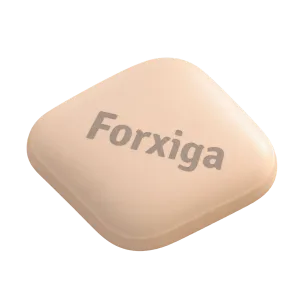
Forxiga

Active ingredient: Dapagliflozin
10mg 5mg
From $ 201.24
pills
3.7 (3)

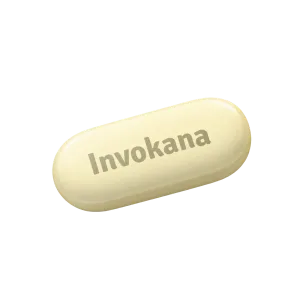
Invokana

Active ingredient: Canagliflozin
100mg
From $ 358.80
pills
3.5 (3)

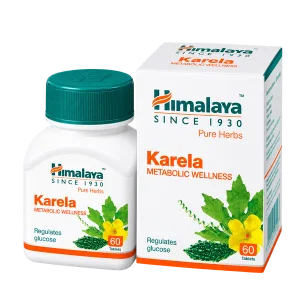
Karela

Active ingredient: Karela, Momordica charantia
250mg
From $ 191.88
pills
3.6 (4)

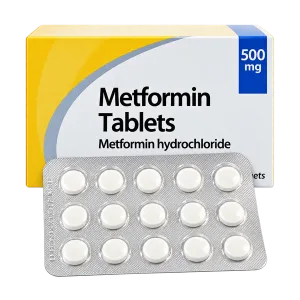
Metformin

Active ingredient: Metformin
850mg 500mg
From $ 53.04
pills
3.9 (4)

Rybelsus Current

Active ingredient: Semaglutide
14mg 3mg 7mg
From $ 391.56
pills
3.5 (4)

Comparison table: Diabetes

Common questions

Can alcohol be used while taking Rybelsus?

Alcohol is not automatically prohibited with semaglutide, but it can complicate diabetes control and worsen nausea, vomiting, dehydration, or low blood glucose when other glucose-lowering medicines are used. Health Canada’s semaglutide information supports reviewing alcohol intake in the context of the person’s full diabetes regimen. In 2026, the safest clinical approach is to avoid heavy drinking and monitor for symptoms after alcohol exposure.

Is Rybelsus suitable during pregnancy or breastfeeding?

Rybelsus is generally avoided during pregnancy because maintaining stable glucose with an established pregnancy-compatible treatment is prioritised. Semaglutide may remain active for an extended period, so pregnancy planning should happen before treatment begins or stops. EMA (2024) product information advises a planned washout before conception, and breastfeeding requires an individual review of treatment alternatives.

What should happen if the expected result does not come?

A weak response may reflect dose escalation stage, missed fasting intervals, interactions with other medicines, illness, or an inadequate treatment plan. HbA1c should be assessed after enough time has passed for a meaningful measurement rather than relying only on daily weight. The American Diabetes Association’s 2025 Standards of Care support reviewing adherence, tolerability, comorbidities, and treatment goals before changing diabetes therapy.

How should Rybelsus be stored at home and while travelling?

Keep the tablets protected from moisture and excessive heat, and store them in the supplied container during travel. Avoid leaving them in a hot vehicle, near a bathroom shower, or in direct sunlight. The European Medicines Agency (2024) product information supports storage according to the approved product conditions, with attention to the tablet container and moisture protection.

Can the Rybelsus tablet be split, crushed, or chewed?

The tablet should be swallowed whole. Splitting, crushing, or chewing may change how the formulation is absorbed and can interfere with the administration method used in clinical studies. FDA (2019) prescribing information describes oral semaglutide administration as a whole tablet taken with a limited amount of plain water before food.

How soon can the effect become noticeable?

Some people notice reduced appetite or gastrointestinal effects during the first days or weeks, while glucose improvement develops progressively. HbA1c requires several weeks to show a meaningful treatment response because it reflects longer-term glucose exposure. PIONEER clinical studies (2019) evaluated outcomes over scheduled treatment periods, so the result should be judged through glucose measurements, HbA1c, and tolerability rather than one early reading.

Do you offer anonymous delivery?

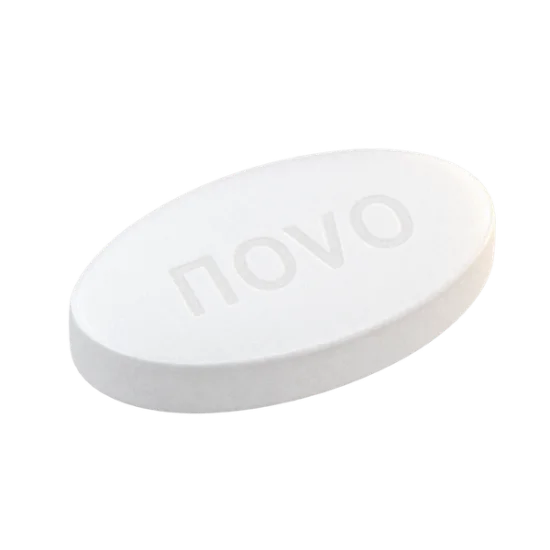
Your order will be securely packed and shipped within 24 hours. This is exactly what your package will look like (images of an actual item sent). It has the size and look of a regular private letter (24x11x0.7 cm) and its contents cannot be seen.

Customer Feedback on Rybelsus

3.5
Based on 4 reviews
Helen, 68 Kamloops Several months
Verified
Rating: 3.5 out of 5

My morning glucose readings became steadier, and I ate smaller portions without trying very hard. The first two weeks brought nausea after breakfast, so I changed to lighter meals. The routine was more demanding than I expected.

Nov 5, 2026
Elaine, 36 Regina
Verified
Rating: 3.5 out of 5

I noticed less appetite before I noticed a big change on the scale. Constipation bothered me during the first month. Drinking more water helped, but I still needed to discuss the symptoms at my follow-up.

Nov 14, 2026
Rebecca D., 51 Red Deer
Verified
Rating: 3.5 out of 5

My HbA1c improved at the next laboratory check, which was encouraging. I did not lose as much weight as friends expected, and nausea returned after an increase. The glucose benefit mattered more to me than the number on the scale.

Oct 19, 2026
Ruth A., 68 Sherbrooke
Verified
Rating: 3.5 out of 5

The tablet was convenient because I preferred not to inject myself. I missed the fasting interval a few times when travelling and felt the routine became confusing. Once I separated it from my other morning tablets, taking it was easier.

Oct 27, 2026

Sources

  1. Health Canada (2023). Product Monograph: Rybelsus — semaglutide tablets.
  2. European Medicines Agency (2024). Rybelsus: European public assessment report and product information.
  3. Novo Nordisk (2024). Rybelsus product information.
  4. World Health Organization (2023). WHO package of essential noncommunicable disease interventions for primary health care: diabetes care.
Get our free app Shop faster and track your orders 3.9 · 525 reviews Install