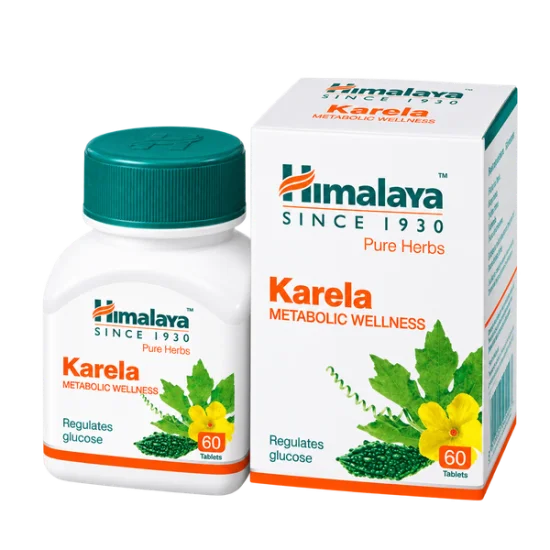
I chose the tablets because preparing bitter gourd regularly was inconvenient. I did not notice a dramatic change, but keeping my meals consistent made the routine manageable. The first few days gave me mild stomach rumbling, which settled when I took it with food.
Karela is a bitter-gourd tablet for adults who want herbal support as part of a balanced metabolic wellness routine. Its plant compounds may support glucose regulation, but it is intended to complement healthy habits and prescribed diabetes care.
Overview
Karela is intended for adults seeking herbal support for metabolic wellness, especially alongside balanced nutrition and regular activity. The tablet contains Karela, also known as bitter gourd, traditionally valued for supporting healthy blood sugar levels and normal glucose metabolism.
Dosage and administration
The amount taken at each intake is set individually rather than being one fixed number for every person. Use should follow the product’s recommended directions and the plan established for the individual’s metabolic needs.
Practical use points include:
- Take the tablets by mouth with water.
- Keep the daily routine consistent.
- Avoid changing diabetes medicine doses because of Karela.
- Monitor glucose more carefully when starting, stopping, or changing the herbal routine.
- Record symptoms and glucose readings if the product is used alongside glucose-lowering treatment.
- Do not use the tablets as a reason to skip meals or prescribed therapy.
If a dose is missed, do not automatically double the next intake. Resume the established schedule unless a prescriber or qualified pharmacist has provided a different plan.
Splitting, crushing, or chewing should be avoided unless the product’s directions specifically allow it. Tablets may differ in hardness, coating, and release characteristics, and altering them can change how they are swallowed or tolerated.
Formulation
Karela is commonly associated with bitter gourd, also called bitter melon. The plant’s scientific name is Momordica charantia. A plant name alone does not establish the amount of active compounds delivered by an individual tablet, so the dose should be individualized rather than treated as a universal fixed number.
The tablet format may suit adults who prefer a measured oral product over preparing bitter gourd as food. It remains distinct from a complete nutritional serving of fresh vegetables, since a tablet does not provide the same fibre, water, or broad nutrient profile as food.
How it affects the body
Bitter gourd has been studied because it contains naturally occurring compounds that may influence carbohydrate digestion, glucose transport, and insulin-related pathways.
Research on bitter gourd has explored several possible actions:
- Modulation of enzymes involved in carbohydrate digestion.
- Effects on glucose uptake by peripheral tissues.
- Influence on insulin signalling and glucose transport.
- Support for dietary patterns that limit excessive refined carbohydrate intake.
- Possible antioxidant activity from plant compounds.
These mechanisms remain an area of nutritional and clinical research. The American Diabetes Association describes dietary supplements as an area requiring careful evaluation because evidence for glucose control varies between products and formulations. Karela should therefore be considered a complementary wellness product, not a predictable substitute for diabetes therapy [1].
Therapeutic indications
Karela is marketed for metabolic wellness and glucose regulation. Bitter gourd has been studied because it contains naturally occurring compounds that may influence carbohydrate digestion, glucose transport, and insulin-related pathways. Human evidence remains mixed, and results can vary according to the preparation, amount used, diet, medication regimen, and individual metabolism.
The product’s role is supportive. It should not replace blood glucose monitoring, meal planning, physical activity, or treatment prescribed for diabetes.
Common mistakes
Several habits can make Karela harder to assess:
- Replacing prescribed diabetes medicine with an herbal tablet.
- Taking extra tablets after a high glucose reading.
- Using Karela while skipping meals.
- Starting several supplements at the same time.
- Failing to mention the product before surgery.
- Ignoring repeated sweating, tremor, dizziness, or confusion.
- Assuming bitter taste proves that the product is stronger.
- Stopping glucose monitoring because the product is plant-based.
- Taking the tablet inconsistently and judging its effect after only one or two intakes.
One common mistake is testing the product on a day with an unusually restricted diet. That can create a low reading that has more to do with inadequate food intake than with the tablet.
Another is taking Karela close to a change in diabetes medicine and then attributing every symptom to one product. Introducing only one change at a time gives a clearer clinical picture.
Reasons not to use it
- Pregnancy, because safety data for medicinal amounts of bitter gourd are insufficient.
- Breastfeeding, when transfer of plant constituents and effects on the infant have not been established.
- A history of recurrent hypoglycemia.
- Current use of insulin or glucose-lowering medicine without a monitoring plan.
- Known allergy to bitter gourd or related botanical ingredients.
- Planned surgery, because glucose control may change around fasting and anaesthesia.
- Severe gastrointestinal sensitivity to bitter plant preparations.
- Use in children unless specifically directed by a pediatric clinician.
People taking diabetes treatment should not assume that an herbal product is automatically neutral. Karela may add to the glucose-lowering effect of insulin or other medicines. Medicines that affect glucose, supplements used for metabolic health, and alcohol can make symptoms harder to interpret.
Health Canada’s natural health product framework recognizes that botanical products can have pharmacological effects and interaction potential. A clinician should know about Karela before changing diabetes treatment, planning surgery, or evaluating unexplained low-glucose symptoms [2].
When this is not for you
Karela is not suitable for everyone. It is not for you if you have recurrent hypoglycemia, use glucose-lowering medicine without a monitoring plan, are pregnant or breastfeeding without clinician advice, or have a relevant allergy.
Possible side effects
Karela may cause digestive symptoms in some people, including nausea, abdominal discomfort, loose stools, or a bitter aftertaste. Sensitivity can be influenced by taking the tablet without food, combining it with several herbal products, or using more than the individualized amount.
A possible concern is excessive glucose lowering when Karela is combined with insulin or other medicines that reduce blood sugar. The evidence for bitter gourd preparations is not uniform, yet this interaction is clinically plausible and deserves attention in people receiving diabetes treatment.
Stop taking the product and seek urgent medical care for fainting, severe confusion, persistent vomiting, difficulty breathing, facial swelling, or symptoms of severe hypoglycemia. Severe weakness, shaking, sweating, blurred vision, or inability to stay awake also require prompt assessment.
Allergic reactions are uncommon but possible with any botanical product. People with known plant allergies should take extra care, especially if they have previously reacted to herbal preparations.
Comparison
Karela belongs to the herbal-support category. Other approaches to glucose management work through different mechanisms and have different levels of clinical monitoring.
| Approach | Main role | Monitoring needs |
|---|---|---|
| Karela herbal tablets | Complementary metabolic wellness support | Symptoms, glucose readings, medication interactions |
| Food-based bitter gourd | Vegetable and dietary fibre source | Portion, meal pattern, tolerance |
| Prescription glucose-lowering treatment | Medical management of diagnosed diabetes | Clinician-directed glucose and laboratory monitoring |
Karela may appeal to adults seeking a plant-based addition to a structured wellness plan. Fresh bitter gourd offers food-based nutrition, while prescription treatment is selected for a defined medical diagnosis and glucose target.
The main limitation of Karela is predictability. A herbal tablet may not produce a uniform glucose response, and the product should not be used to self-adjust insulin or other medicines.
What doctors say
In clinical practice, a physician would usually frame Karela as an adjunct to a metabolic plan, not as a stand-alone treatment for diabetes. The first questions would concern the person’s diagnosis, glucose readings, current medicines, meal pattern, kidney function, and history of hypoglycemia. The review would also consider pregnancy, breastfeeding, allergies, and planned procedures. A pharmacist can check for interactions with prescribed medicines and other supplements. Follow-up readings help determine whether the routine should continue.
A doctor would also set realistic expectations. A plant-based product may support a routine, yet it cannot guarantee a measurable reduction in glycated hemoglobin or replace treatment selected for diabetes. The response should be judged through consistent monitoring rather than by thirst, appetite, or energy alone.
The European Medicines Agency evaluates herbal substances according to evidence, quality, traditional use, and safety considerations. Those principles support a careful approach to Karela: use a defined routine, avoid stacking several glucose-lowering products, and review unexpected symptoms promptly.
A useful clinical observation is that people often attribute a glucose change to the newest tablet when the actual cause is a smaller meal, increased walking, illness, dehydration, or a change in prescribed treatment. A short symptom and glucose record can prevent incorrect conclusions.

Comparison
Common questions
How does Karela differ from prescription glucose-lowering treatment?
Karela is a herbal metabolic wellness product associated with bitter gourd, while prescription treatment is selected for a diagnosed condition and monitored against clinical targets. Possible effects from bitter gourd preparations involve several plant compounds rather than one standardized pharmacological pathway. Health Canada’s 2023 Natural Health Products Ingredients Database supports identifying herbal ingredients that require review when they are used with conventional medicines. The American Diabetes Association’s 2024 standards continue to place prescribed treatment, glucose monitoring, nutrition, and activity at the centre of diabetes care.
Can Karela cause stomach upset?
Yes, digestive discomfort, nausea, loose stools, or a bitter aftertaste can occur with bitter gourd preparations. Health Canada’s 2023 natural health product safety information emphasizes that botanical products can produce adverse reactions even when they are traditionally used as foods. Taking the tablet consistently with water and food may improve tolerance for some adults. Persistent vomiting, severe abdominal pain, or signs of dehydration require medical assessment.
How soon might an effect from Karela become noticeable?
There is no dependable timetable for a noticeable glucose effect because preparations, diets, medicines, and individual responses differ. The World Health Organization’s 2013 Traditional Medicine Strategy supports evaluating traditional products within an evidence-based safety and monitoring framework. A single glucose reading cannot establish whether Karela is working. Trends recorded over time are more informative than an immediate sensation.
Which symptoms mean stopping Karela and seeking urgent care?
Stop the product and seek urgent care for fainting, severe confusion, difficulty staying awake, trouble breathing, facial swelling, or persistent vomiting. Diabetes Canada’s 2018 Clinical Practice Guidelines identify severe hypoglycemia symptoms such as confusion, loss of coordination, seizure, or loss of consciousness as emergencies. Sweating, shaking, blurred vision, and sudden weakness can also signal glucose that is too low, especially when Karela is combined with diabetes medicine. Do not take another intake while waiting for urgent medical advice.
Can alcohol be used while taking Karela?
Alcohol can make glucose control less predictable and may make dizziness, weakness, or low-glucose symptoms harder to recognize. The Canadian Centre on Substance Use and Addiction’s 2023 guidance on alcohol and health supports limiting alcohol intake and avoiding situations where alcohol could worsen a medication-related reaction. Adults using insulin or other glucose-lowering treatment should be especially cautious. Eating a balanced meal does not remove the interaction risk.
How long does a Karela course last, and is long-term use acceptable?
The duration should be individualized rather than treated as a fixed course for everyone. The European Medicines Agency’s 2011 guideline on herbal medicinal products supports reviewing longer-term use when evidence, product standardization, and individual safety factors vary. Long-term use may require periodic review of glucose readings, digestive tolerance, and interactions with prescribed treatment. Continuing indefinitely without checking whether the product remains appropriate is poor practice.
Which condition rules Karela out?
Recurrent hypoglycemia is a clear reason to avoid self-directed use of Karela, especially when insulin or another glucose-lowering medicine is involved. Health Canada’s 2023 Natural Health Products Ingredients Database supports extra caution when a product may influence a physiological measurement such as blood glucose. Pregnancy and breastfeeding also require individual medical assessment because medicinal amounts of bitter gourd have limited safety evidence. A known allergy to bitter gourd is another direct reason not to use it.
Do you offer anonymous delivery?
Your order will be securely packed and shipped within 24 hours. This is exactly what your package will look like (images of an actual item sent). It has the size and look of a regular private letter (24x11x0.7 cm) and its contents cannot be seen.
Customer Feedback on Karela
I was hoping for a quick effect and checked my glucose too often at first. The readings moved around, so I stopped judging the tablet from one result. After a few weeks, the routine felt easier, although I cannot separate the tablet from the changes in my meals and walking.
The tablets were simple to take, and I preferred them to the taste of fresh bitter gourd. I had some nausea when I took one without eating. Taking it with a meal was more comfortable, but I still treated my prescribed treatment as the main part of glucose control.
I did not feel a clear difference during the first week. My readings became easier to understand after I wrote down meals and medication times. The product fitted my routine, but I would not rely on it by itself.
Sources
- American Diabetes Association (2024). Standards of Care in Diabetes—2024
- Health Canada (2023). Natural Health Products Ingredients Database — Momordica charantia