Skip to content
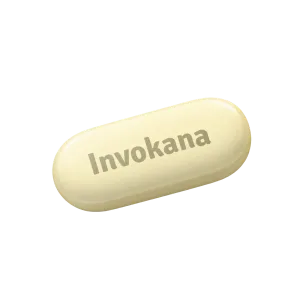
Invokana
Active ingredient: Canagliflozin

Invokana

Quality products
24/7 Support
Fast delivery
Delivery from 4 days
Select pack Package Per unit Price

Free delivery on orders from $ 312.00, free express delivery from $ 468.00

Secure Payments
Track your order
Best price guarantee

Invokana tablets are taken by mouth once daily before the first meal of the day to help adults with type 2 diabetes manage blood glucose. They contain canagliflozin, an SGLT2 inhibitor that helps the kidneys pass more glucose into urine.

Overview

Invokana is an oral prescription medicine for adults with type 2 diabetes. Its active ingredient, canagliflozin, belongs to the sodium-glucose co-transporter 2 inhibitor class.

Dosage and administration

The amount of Invokana per intake is set individually rather than being one fixed number. Kidney function is assessed before treatment and monitored during ongoing use because reduced kidney function changes both the expected glucose-lowering effect and the safety profile.

  • Take the prescribed tablet by mouth once daily before the first meal.
  • Swallow it whole with water.
  • Take it at the same time each day where possible.
  • Keep regular diabetes appointments for blood glucose, kidney function, blood pressure, and foot assessment.
  • Do not take two tablets together to make up for a missed dose.

People often focus only on glucose readings. Kidney function, hydration, and symptoms of infection are equally relevant with an SGLT2 inhibitor.

If you use a glucose meter, record readings together with illness, reduced food intake, or vomiting. These details help a prescriber distinguish ordinary glucose variation from a situation that may require temporary treatment changes.

Formulation

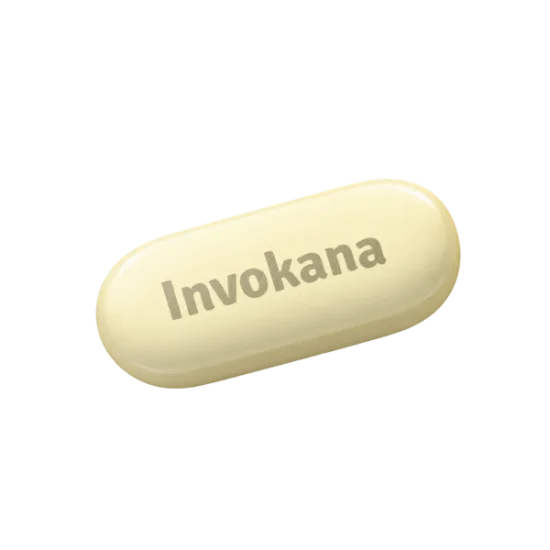
Invokana is a prescription antidiabetic tablet containing canagliflozin. It belongs to the sodium-glucose co-transporter 2 inhibitor class, commonly shortened to SGLT2 inhibitors. A licensed healthcare professional selects the amount per intake individually, taking account of kidney function, other glucose-lowering treatment, blood pressure, and tolerance.

Active Pharmaceutical Ingredient

Canagliflozin acts in the kidneys rather than stimulating the pancreas to release insulin. This matters for people with type 2 diabetes whose insulin response is reduced, whose tissues are less responsive to insulin, or both.

SGLT2 is a transport protein in the proximal renal tubules. It normally returns filtered glucose from urine back into the bloodstream. Canagliflozin reduces this reabsorption, so more glucose leaves the body in urine. The Health Canada product monograph describes Invokana as an oral SGLT2 inhibitor for adults with type 2 diabetes. [1]

Take Invokana at a consistent time before the first meal. A tablet taken later in the day can be easier to forget and may increase nighttime trips to the bathroom for some people.

Invokana is intended for type 2 diabetes. It is not a treatment for type 1 diabetes, where insulin replacement remains essential.

How it affects the body

Canagliflozin inhibits sodium-glucose co-transporter 2 (SGLT2) in the kidneys, reducing glucose reabsorption. This causes more glucose to remain in the urine and be excreted, helping lower blood glucose. SGLT2 inhibition also increases urinary sodium and water excretion, which may reduce circulating fluid volume and blood pressure.

Therapeutic indications

Invokana is intended for type 2 diabetes. It is not a treatment for type 1 diabetes, where insulin replacement remains essential.

Canagliflozin has been studied beyond its effect on blood glucose. In the CANVAS Program, canagliflozin reduced the combined risk of cardiovascular death, nonfatal heart attack, and nonfatal stroke in adults with type 2 diabetes who had established cardiovascular disease or a high cardiovascular risk profile. The trial also identified a higher amputation risk, which is why foot history and circulation remain clinically relevant. [2]

The CREDENCE trial studied people with type 2 diabetes and chronic kidney disease with albumin in the urine. Canagliflozin lowered the risk of kidney failure and major cardiovascular outcomes compared with placebo when added to standard care. [3]

Common mistakes

Invokana works best when it is part of a consistent diabetes plan rather than a tablet taken in isolation.

Common errors include:

  • Taking an extra tablet after a missed dose.
  • Continuing the medicine through prolonged vomiting, severe diarrhea, or very low food intake without clinical advice.
  • Assuming genital itching will disappear without treatment.
  • Restricting fluids to reduce urination.
  • Skipping foot checks because there is no pain from neuropathy.
  • Starting a strict fasting or very-low-carbohydrate diet without discussing ketoacidosis risk.
  • Changing insulin doses independently after glucose readings improve.

One practical detail is easy to miss: urine glucose tests can remain positive because the medicine is doing its job. A positive urine glucose result does not reliably show that diabetes control has worsened.

Reasons not to use it

Invokana is not for you if you have a known allergy to canagliflozin or any component of the tablet.

  • Type 1 diabetes or a previous episode of diabetic ketoacidosis.
  • Severe kidney impairment, dialysis, or a kidney-function level where canagliflozin is no longer appropriate.
  • Active severe dehydration, repeated vomiting, or inability to maintain fluids.
  • Pregnancy or breastfeeding, unless a specialist has made a specific plan.
  • A history of recurrent ketoacidosis.
  • Active serious foot ulcers, bone infection, gangrene, or a recent major foot complication.

The European Medicines Agency advises attention to ketoacidosis symptoms and genital infections across the SGLT2 inhibitor class. [4]

When this is not for you

Avoid starting or continuing treatment without prescriber direction if you have severe dehydration, repeated vomiting, or cannot maintain fluids. Pregnancy or breastfeeding requires a specific specialist plan. Seek medical advice before using Invokana if you have had ketoacidosis or have serious foot ulcers, bone infection, gangrene, or a recent major foot complication.

Possible side effects

Most adverse effects reflect the way canagliflozin works in the kidneys. More glucose in urine can encourage fungal growth, while increased urine output can reduce fluid volume.

Commonly reported effects include genital yeast infections, urinary tract infections, increased urination, thirst, constipation, nausea, and dizziness. Genital symptoms can include itching, soreness, redness, unusual discharge, or discomfort during urination. Early treatment is generally simpler than waiting until symptoms become severe.

Rare reactions need urgent assessment. Diabetic ketoacidosis can occur with only moderately raised glucose and may cause nausea, vomiting, abdominal pain, deep or rapid breathing, unusual tiredness, or confusion. Fournier’s gangrene is a rare but serious infection of the genital or perineal area. Severe allergic reactions, marked dehydration, and serious urinary infections also need prompt medical care.

Foot care is more than a routine diabetes reminder with canagliflozin. Report a new ulcer, persistent foot pain, skin colour change, or infection early, especially if you have neuropathy, peripheral artery disease, or a previous amputation.

Comparison

Metformin and canagliflozin work through different pathways and may be used together. Insulin is indispensable for some people, yet combining it with Invokana can require dose review because hypoglycemia risk rises when glucose falls more than expected.

What doctors say

In diabetes practice, canagliflozin is often considered when glucose control needs improvement alongside concerns about cardiovascular or kidney risk. Clinicians also look beyond HbA1c. Blood pressure, estimated kidney function, urine albumin, genital infection history, hydration, and foot health shape the decision.

A frequent clinical mistake is treating a normal or mildly elevated glucose result as proof that ketoacidosis is impossible. With SGLT2 inhibitors, symptoms such as vomiting, abdominal pain, rapid breathing, or extreme fatigue need attention even when the glucose number does not look dramatically high.

The World Health Organization identifies diabetes as a major cause of kidney failure and cardiovascular disease, which explains why treatment plans increasingly consider organ outcomes as well as glucose values. [5]

Comparison

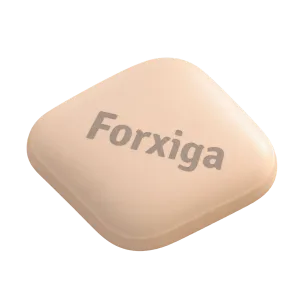
Forxiga

Active ingredient: Dapagliflozin
10mg 5mg
From $ 201.24
pills
3.7 (3)

Invokana Current

Active ingredient: Canagliflozin
100mg
From $ 358.80
pills
3.5 (3)

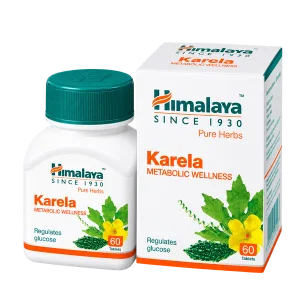
Karela

Active ingredient: Karela, Momordica charantia
250mg
From $ 191.88
pills
3.6 (4)

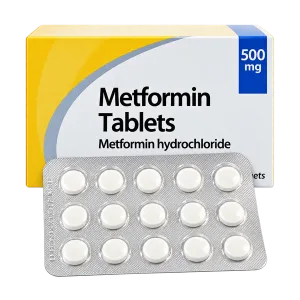
Metformin

Active ingredient: Metformin
850mg 500mg
From $ 53.04
pills
3.9 (4)

Rybelsus

Active ingredient: Semaglutide
14mg 3mg 7mg
From $ 391.56
pills
3.5 (4)

Comparison table: Diabetes

Common questions

Can older adults take Invokana?

Older adults may use Invokana when kidney function, hydration status, blood pressure, and other medicines are suitable. The Health Canada monograph revised in 2024 advises attention to volume depletion, since dizziness or a blood-pressure drop may contribute to falls. A clinician may monitor kidney function more closely in an older person taking a diuretic. The individual dose is selected according to clinical factors rather than age alone.

What should I do if I miss an Invokana dose?

Take the missed dose when remembered unless it is close to the next scheduled dose. Do not double the dose or take two tablets together. Health Canada’s 2024 prescribing information supports resuming the normal once-daily schedule after a missed dose. Repeated missed doses are worth discussing because timing before breakfast may need a more workable routine.

Can Invokana be used in children or teenagers?

Invokana is intended for adults with type 2 diabetes. The EMA product information updated in 2024 does not establish routine use of canagliflozin in people under 18 years of age. Children and adolescents with diabetes need an age-appropriate treatment plan because insulin needs, growth, diet, and ketoacidosis risk differ from those in adults. A paediatric diabetes specialist should direct treatment selection.

Can Invokana be taken with food or on an empty stomach?

Invokana is taken before the first meal of the day. The Health Canada product monograph from 2024 uses this timing because it fits the medicine’s daily dosing plan and glucose-lowering action. Taking it before breakfast also gives a dependable routine. Extended fasting, very low food intake, or acute illness can increase ketoacidosis risk and needs individualized medical advice.

Can I split, crush, or chew Invokana tablets?

Swallow Invokana tablets whole with water unless a prescriber or pharmacist has given a specific alternative instruction. The EMA product information published in 2024 describes oral tablet administration and does not present crushing or chewing as standard use. Splitting can make dosing less reliable, especially when the prescribed amount is individualized. If swallowing tablets is difficult, discuss options before changing how the tablet is taken.

How soon does Invokana become noticeable?

Canagliflozin begins increasing urinary glucose excretion after treatment starts, though a person may not feel that change directly. Blood glucose trends are usually assessed over days to weeks, while HbA1c reflects average glucose over roughly two to three months. Diabetes Canada guidance from 2023 supports using HbA1c alongside home glucose monitoring when evaluating treatment response. Increased urination may appear earlier than changes in laboratory results.

What happens if I stop Invokana, and does it need tapering?

Invokana does not usually require gradual tapering because it does not cause physical dependence. Blood glucose can rise after stopping because urinary glucose excretion returns toward its previous level. The 2024 Health Canada monograph advises treatment decisions under clinical supervision, especially when insulin or sulfonylureas are also used. A replacement glucose-lowering plan may be needed rather than simply stopping treatment.

Do you offer anonymous delivery?

Your order will be securely packed and shipped within 24 hours. This is exactly what your package will look like (images of an actual item sent). It has the size and look of a regular private letter (24x11x0.7 cm) and its contents cannot be seen.

Customer Feedback on Invokana

3.5
Based on 3 reviews
Thomas, 50 Lethbridge Four months
Verified
Rating: 3.5 out of 5

I used the prescribed Invokana dose alongside my existing diabetes treatment for four months. My morning readings became more predictable after the first few weeks, but I had to be more deliberate about water on days I worked outdoors. I also noticed more frequent urination early on.

Oct 7, 2026
Simon F., 58 Moncton About six months
Verified
Rating: 3.5 out of 5

I took the prescribed Invokana dose for about six months after my kidney results started becoming a bigger part of my appointments. The tablet itself was easy to fit before breakfast. I had one yeast infection in the first two months, which was uncomfortable but treated quickly after I mentioned it.

Oct 22, 2026
Luke F., 50 Edmonton Three months
Verified
Rating: 3.5 out of 5

I used the prescribed Invokana dose for three months with insulin. My glucose numbers improved, but I had two low readings before my insulin plan was adjusted. Keeping glucose tablets with me and writing down the readings helped at my next appointment.

Nov 2, 2026

Sources

  1. Health Canada (2024). Invokana Product Monograph.
  2. New England Journal of Medicine (2017). Canagliflozin and Cardiovascular and Renal Events in Type 2 Diabetes.
  3. New England Journal of Medicine (2019). Canagliflozin and Renal Outcomes in Type 2 Diabetes and Nephropathy.
  4. European Medicines Agency (2024). Invokana: EPAR Product Information.
  5. World Health Organization (2023). Diabetes Fact Sheet.
Get our free app Shop faster and track your orders 3.9 · 525 reviews Install