I used one Alli capsule with meals with lower-fat lunches and dinners for nearly eight weeks. The first oily episode happened after takeout food, so I changed how I planned meals. After that, it was manageable and made me pay closer attention to portions.
Alli contains orlistat for adults managing obesity or overweight alongside a reduced-calorie, lower-fat eating plan. It works in the digestive tract, reducing absorption of some dietary fat rather than suppressing appetite. [1]
Overview
Alli is an oral capsule used to support weight management in adults whose body weight places them in an overweight or obesity category. Its active substance is orlistat, classified under ATC code A08AB01 as a peripheral anti-obesity medicine. Unlike appetite-affecting medicines, orlistat acts mainly inside the gut and has minimal action on the brain. [2]
Dosage and administration
- Take Alli capsules orally with meals that contain fat.
- The exact dose in mg and frequency in times per day are decided individually, taking age, other medicines, and health conditions into account.
- If a meal contains no fat, a dose may not be needed.
- Do not take extra capsules later to make up for a skipped dose.
- The duration of use is not specified in the available information.
- Swallow the capsules whole with water; do not crush, chew, or split them.
Formulation
Alli is an oral capsule used to support weight management in adults whose body weight places them in an overweight or obesity category. Its active substance is orlistat, classified under ATC code A08AB01 as a peripheral anti-obesity medicine. Unlike appetite-affecting medicines, orlistat acts mainly inside the gut and has minimal action on the brain. [2]
Body mass index, or BMI, is a screening measure that relates weight to height. It does not describe body composition perfectly, yet it helps clinicians decide when weight-related health risks may justify pharmacological support alongside nutrition and activity changes.
Orlistat does not cancel out a high-fat diet. It changes what happens to a proportion of fat eaten at a meal.
Use pattern
Take Alli capsules by mouth with meals that contain fat. The dose is decided individually, taking age, other medicines, and health conditions into account.
If a meal contains no fat, a dose may not be needed. Do not take extra capsules later to make up for a skipped dose. Orlistat only affects fat from meals eaten close to the time of use; it does not remove fat already stored in the body.

How it affects the body
Orlistat blocks gastrointestinal lipases, enzymes released by the stomach and pancreas to break down dietary triglycerides. Triglycerides are the main form of fat in food. When lipases are inhibited, part of this fat remains too large to be absorbed and leaves the body through the stool. [3]
The effect is local.
This mechanism explains both the potential benefit and the common drawbacks. Lower calorie absorption can support gradual weight reduction when food intake is also adjusted. At the same time, unabsorbed fat can cause oily spotting, gas with discharge, softer stools, or urgency to use the bathroom.
Alli does not act as a stimulant. It does not raise metabolism directly, and it does not produce the central nervous system effects associated with medicines that act on appetite pathways in the brain.
Therapeutic indications
Alli is an oral capsule used to support weight management in adults whose body weight places them in an overweight or obesity category. Alli contains orlistat for adults managing obesity or overweight alongside a reduced-calorie, lower-fat eating plan.
Common mistakes
Several avoidable patterns make Alli harder to tolerate or less useful:
- Taking it after a meal that had no meaningful fat content.
- Using it with one very high-fat evening meal instead of distributing fat through the day.
- Taking extra capsules after overeating.
- Treating bowel effects as random rather than reviewing the preceding meal.
- Forgetting that vitamins A, D, E, and K need separate timing.
- Starting or stopping while using warfarin, levothyroxine, or ciclosporin without medication review.
- Expecting the capsule to compensate for frequent high-calorie foods with little fat.
Reasons not to use it
Alli is not for you if you have chronic malabsorption syndrome or cholestasis. Chronic malabsorption already limits nutrient uptake, while cholestasis reduces bile flow needed for normal fat digestion and absorption. Adding a fat-blocking medicine in either situation may worsen nutritional problems. [4]
- Chronic malabsorption syndrome
- Cholestasis or impaired bile flow
- Previous calcium oxalate kidney stones
- Chronic kidney disease
- Eating disorders or unintended weight loss
- Pregnancy or breastfeeding
- Allergy to orlistat or capsule ingredients
Ciclosporin should not be used at the same time as orlistat without specialist management because reduced absorption can lower ciclosporin concentrations and threaten immunosuppressive control. Timing separation alone may not remove this concern.
Warfarin and other vitamin K-sensitive anticoagulants also require close monitoring. Reduced absorption of vitamin K may change the international normalized ratio, or INR, which measures how quickly blood clots. Dose changes in warfarin may be needed when orlistat is started, stopped, or used inconsistently.
When this is not for you
Alli should also be avoided by anyone with a known allergy to orlistat or another capsule ingredient. Pregnancy is not a setting for intentional weight loss treatment. People who are breastfeeding, living with significant kidney disease, or experiencing recurrent kidney stones need individual medical assessment before using orlistat.
Seek urgent medical care for severe or persistent abdominal pain, yellowing of the skin or eyes, dark urine, marked weakness, facial swelling, trouble breathing, or signs of a serious allergic reaction. These effects are uncommon, yet they require prompt assessment.
Possible side effects
The most common effects of Alli involve the digestive system. Oily spotting, loose stools, fatty or oily stool, faecal urgency, increased bowel movements, and flatulence with discharge can occur because unabsorbed fat remains in the intestine.
Fat content drives these effects.
A meal unusually high in fat can produce symptoms quickly and may catch people off guard when they are away from home. Some users find that the first weeks are the most educational: the body’s response makes the fat content of certain meals far more obvious than a calorie counter does.
More serious symptoms are less common. Severe abdominal pain, persistent vomiting, signs of liver injury, or symptoms suggesting a kidney stone need medical assessment. Ongoing diarrhoea can also affect hydration and the absorption of other oral medicines.
Comparison
Alli is a lower-strength oral orlistat approach designed for weight management with dietary change. Higher-strength prescription orlistat formulations use the same fat-blocking mechanism, while non-drug weight management focuses on nutrition, movement, sleep, and treatment of medical contributors to weight gain.
| Approach | Main feature | Key limitation |
|---|---|---|
| Alli capsules | Local reduction of dietary fat absorption | Bowel effects rise with high-fat meals |
| Higher-strength prescription orlistat | Same mechanism under prescriber supervision | Requires more intensive monitoring and may cause similar gastrointestinal effects |
| Lifestyle-based weight management | Addresses food pattern, activity, sleep, and behavioural factors | Progress may be gradual without pharmacological support |
Higher-strength formulations are not automatically better for every person. More orlistat exposure can mean more pronounced gastrointestinal effects, while the central requirement remains a consistent calorie-controlled eating pattern.
WHO and NICE guidance recognize obesity as a chronic, relapsing condition shaped by biological, behavioural, environmental, and social factors. A capsule can support one part of management, but it cannot address every contributor to weight gain. [5]
What doctors say
In clinical practice, weight-management clinicians tend to set realistic expectations for orlistat. The aim is steady progress, not rapid weight loss over a few days. A medicine that acts on dietary fat can be useful for people who respond well to structure, meal planning, and feedback from symptoms.
Doctors also look beyond body weight alone. Blood pressure, waist circumference, glucose markers, cholesterol, sleep quality, mobility, and medication burden can all matter. A modest reduction in weight may still be meaningful if it improves one of these health measures.
Alli has a clear limitation: it will not reduce calories from sugary drinks, alcohol, or large portions of low-fat foods. Its mechanism targets dietary fat, not every source of excess energy.
Comparison
Alli Current
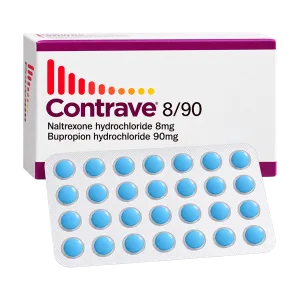
Contrave
Hoodia
Common questions
Which symptoms mean I should stop Alli and seek urgent medical care?
Stop Alli and seek urgent assessment for severe abdominal pain, yellow skin or eyes, dark urine, swelling of the face or throat, breathing difficulty, or a widespread rash. Persistent vomiting, severe weakness, or pain that may suggest a kidney stone also warrants prompt care. Health Canada safety information for medicines stresses that serious allergic symptoms and possible liver-related symptoms should not be managed by simply waiting for the next dose. In 2026, the same principle applies: urgent symptoms need clinical assessment rather than self-treatment. Do not take another dose until a clinician advises you.
How soon does the effect of Alli become noticeable?
The fat-blocking effect begins with meals taken near the capsule, so bowel changes can be noticed early. Weight change takes longer because it depends on the calorie deficit created over time. The FDA’s 2015 orlistat information describes the medicine as an aid to a reduced-calorie, lower-fat eating plan rather than a rapid weight-loss treatment. A useful early sign is often better awareness of meal fat content, not a dramatic scale change.
Can Alli be used by people under 18?
Alli is intended for adults. Weight concerns in children and adolescents need assessment that considers growth, puberty, nutrition, mental health, family eating patterns, and possible medical causes of weight change. WHO materials published in 2024 emphasize that obesity care for younger people should be age-appropriate and individualized. Adult self-management products should not replace paediatric evaluation.
Can Alli capsules be split, crushed, or chewed?
No. Swallow the capsule whole with water. Opening, crushing, or chewing it does not make orlistat work faster and may leave an unpleasant oily residue in the mouth. The EMA’s 2010 product information for orlistat formulations describes oral capsule use, with dosing linked to meals containing fat. If swallowing capsules is difficult, choose a clinical review rather than altering the capsule.
How long can a course of Alli last, and is long-term use acceptable?
Duration should be individualized according to health conditions, medicine use, tolerability, and progress with nutrition changes. Long-term use needs periodic review of weight trend, diet quality, fat-soluble vitamin intake, and possible interactions. The European Medicines Agency’s 2010 evaluation of orlistat supports its use alongside dietary measures, not as a stand-alone short course. If there is no meaningful progress or side effects remain disruptive, the treatment plan should be reassessed rather than simply continued unchanged.
Do you offer anonymous delivery?
Your order will be securely packed and shipped within 24 hours. This is exactly what your package will look like (images of an actual item sent). It has the size and look of a regular private letter (24x11x0.7 cm) and its contents cannot be seen.
Meal planning with orlistat
A practical eating pattern spreads dietary fat across main meals instead of concentrating it in one meal. This is not merely a comfort measure. It reduces the amount of unabsorbed fat reaching the colon at once, which can reduce urgent bowel effects.
Customer Feedback on Alli
I took one capsule with meals for three months while working on weight and blood sugar. The routine was straightforward, but I had urgency twice after heavier meals. I also had my medication list reviewed because I take several long-term prescriptions.
I took one capsule with meals and stopped after about two weeks because the bowel effects did not fit my schedule. They were worse on days when I ate richer food. It taught me that the capsule was not a good match for the way I was eating at the time.
Sources
- World Health Organization (2024). Obesity and overweight.
- U.S. Food and Drug Administration (2015). Drug Facts Label: alli (orlistat) capsules.
- European Medicines Agency (2010). Orlistat: European public assessment report and product information.
- Health Canada (2024). Drug Product Database.
- World Health Organization (2022). WHO European Regional Obesity Report 2022.