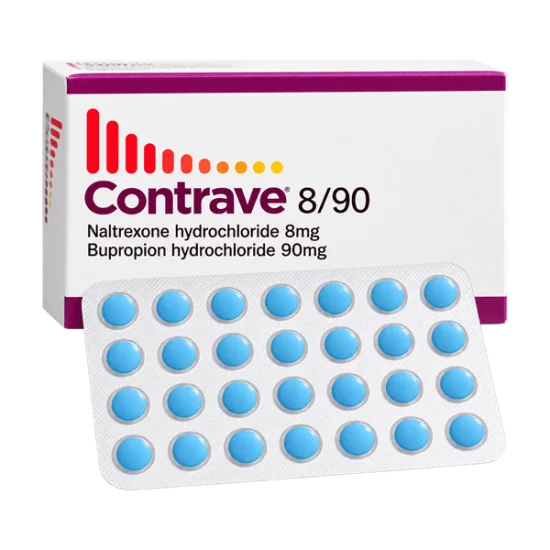
I used Contrave for several months after struggling with evening snacking. The nausea was annoying during the first few weeks, but it eased after I stopped having large greasy dinners. I did not lose weight quickly, yet I noticed I was less likely to keep eating after I was full.
Adults with obesity, or overweight with weight-related health conditions, may be prescribed Contrave alongside nutrition, activity, and behavioural changes. Contrave combines naltrexone hydrochloride and bupropion hydrochloride to influence appetite regulation and food-reward pathways in the brain. It is intended for long-term weight management rather than short-term dieting.
Overview
Contrave combines naltrexone hydrochloride and bupropion hydrochloride to influence appetite regulation and food-reward pathways in the brain. It is intended for long-term weight management rather than short-term dieting.
Target Patient Population
Contrave may suit adults whose hunger, cravings, or reward-driven eating make lifestyle changes difficult to sustain. It does not replace meals or act as a stimulant diet pill. Its role is to reduce appetite and the pull toward highly rewarding foods while a person builds habits that support gradual weight loss.
Dosage and administration
- Route: take Contrave orally as tablets.
- How to take it: swallow the tablets whole; do not crush, split, or chew them.
- Amount and frequency: how much to use and how often to take it depend on the purpose of treatment and are agreed with a doctor or pharmacist.
- Timing: follow the schedule agreed with the prescriber; do not change the timing independently.
- Duration: use is intended for long-term weight management, with continuation assessed over time by the prescriber.
- Meals: avoid taking a dose around a very high-fat meal, and ask a healthcare professional for advice about meal timing.
- Missed dose: if a dose is close to the next scheduled dose, skip it rather than taking two doses together.
Formulation
Each Contrave tablet contains two active substances in extended-release form: naltrexone hydrochloride and bupropion hydrochloride. Naltrexone is an opioid antagonist, meaning it blocks opioid receptors. Bupropion is an aminoketone antidepressant that affects norepinephrine and dopamine signalling.
| Active ingredient | Drug class |
|---|---|
| Naltrexone hydrochloride | Opioid antagonist |
| Bupropion hydrochloride | Aminoketone antidepressant |
The combination is designed to act on two connected brain systems. Bupropion stimulates pro-opiomelanocortin neurons in the hypothalamus, a region involved in energy balance and satiety. Naltrexone limits feedback that would otherwise reduce this signal. Together, these actions may support earlier fullness and fewer food cravings. [1] Clinical response varies between individuals.
Mechanism of Action in the Central Nervous System
The hypothalamus helps regulate hunger and energy use. The mesolimbic dopamine circuit influences reward, motivation, and the urge to repeat pleasurable behaviours, including eating certain foods. Contrave acts in both areas.
This dual mechanism is useful for people who describe persistent cravings rather than hunger alone. A smaller appetite is one possible effect. Reduced interest in impulsive snacking is another.
How it affects the body
Contrave combines naltrexone hydrochloride and bupropion hydrochloride to influence appetite regulation and food-reward pathways in the brain. Naltrexone blocks opioid receptors, while bupropion affects norepinephrine and dopamine signalling. Bupropion stimulates pro-opiomelanocortin neurons in the hypothalamus, and naltrexone limits feedback that would otherwise reduce this signal.
Therapeutic indications
Contrave is a prescription oral weight-management treatment for adults with a body mass index of at least 30 kg/m², or at least 27 kg/m² when weight is associated with conditions such as type 2 diabetes, high blood pressure, or abnormal blood lipids. Weight reduction is assessed over time, with eating patterns, physical activity, sleep, and emotional eating all affecting the result.
Common mistakes
Several avoidable errors can make Contrave harder to tolerate or less useful:
- Taking an extra tablet after a missed dose, which can raise seizure risk.
- Combining it with another bupropion-containing medicine.
- Using opioid pain relief without telling the prescriber that Contrave contains naltrexone.
- Taking tablets with a very high-fat meal.
- Chewing, crushing, or splitting extended-release tablets.
- Expecting the medicine to suppress all hunger immediately.
- Ignoring new insomnia, mood changes, racing thoughts, or a sustained rise in blood pressure.
Reasons not to use it
Contrave is not for everyone. Bupropion can lower the seizure threshold, while naltrexone blocks opioid receptors. The treatment can also increase blood pressure or heart rate, especially early in therapy.
- have uncontrolled high blood pressure;
- have a seizure disorder or a past diagnosis of anorexia nervosa or bulimia;
- use opioid medicines regularly or are in acute opioid withdrawal;
- are taking another medicine containing bupropion;
- use a monoamine oxidase inhibitor, or have used one within the previous 14 days;
- have abruptly stopped heavy alcohol use, benzodiazepines, barbiturates, or anti-seizure medicine;
- are pregnant.
Seizure risk also rises with severe head injury, certain brain conditions, low blood sugar in people using diabetes medicines, severe liver impairment, and heavy alcohol intake.
When this is not for you
Contrave is not for you if you:
- have uncontrolled high blood pressure;
- have a seizure disorder or a past diagnosis of anorexia nervosa or bulimia;
- use opioid medicines regularly or are in acute opioid withdrawal;
- are taking another medicine containing bupropion;
- use a monoamine oxidase inhibitor, or have used one within the previous 14 days;
- have abruptly stopped heavy alcohol use, benzodiazepines, barbiturates, or anti-seizure medicine;
- are pregnant.
Possible side effects
Nausea is the adverse effect reported most often with Contrave. Constipation, headache, vomiting, dizziness, dry mouth, diarrhoea, and trouble sleeping also occur. These effects are often more noticeable during the gradual dose-escalation phase and may become less troublesome after the body adjusts.
| Common reaction | Approximate frequency in clinical trials |
|---|---|
| Nausea | About 33% |
| Constipation | About 19% |
| Headache | About 18% |
| Vomiting | About 11% |
| Dizziness | About 10% |
| Trouble sleeping | About 9% |
| Dry mouth | About 8% |
| Diarrhoea | About 7% |
Trial results show a clear trade-off: Contrave can support clinically meaningful weight loss for some adults, yet gastrointestinal effects cause some people to stop before seeing the benefit. [2]
Alcohol may also intensify dizziness, impaired judgement, and mood changes. The FDA boxed warning for bupropion-containing products addresses suicidal thoughts and behaviours in children, adolescents, and young adults. New agitation, hostility, severe mood changes, manic symptoms, or thoughts of self-harm require urgent clinical assessment. Severe abdominal pain, yellowing of the skin or eyes, facial swelling, rash with blistering, or sudden eye pain with blurred vision also need prompt medical attention.

Comparison
Weight-management medicines differ in route, mechanism, expected effects, and limitations. Contrave is an oral combination treatment focused on appetite and reward signalling. Other approaches may target intestinal fat absorption or hormones that regulate appetite and glucose.
| Treatment approach | Route | Main clinical distinction |
|---|---|---|
| Naltrexone plus bupropion | Oral tablet | Influences appetite control and food reward pathways |
| GLP-1 receptor agonist | Injection | Mimics gut hormones that increase fullness and slow gastric emptying |
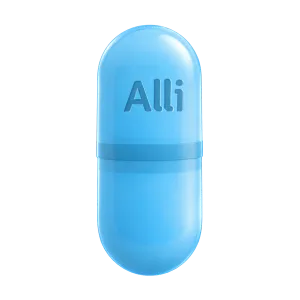
| Lipase inhibitor | Oral capsule | Reduces absorption of dietary fat in the intestine |
Saxenda is a GLP-1 receptor agonist containing liraglutide. Qsymia combines phentermine with topiramate. Xenical contains orlistat and acts in the intestine rather than the brain. Belviq contained lorcaserin and is no longer part of treatment options after its market withdrawal.
The best approach depends on medical history, blood pressure, diabetes treatment, migraine or seizure history, opioid use, and the side effects a person can realistically manage. The WHO describes obesity as a chronic, relapsing condition that often needs sustained medical and behavioural support rather than a brief intervention. [3]
What doctors say
In clinical practice, prescribers often focus on the pattern behind weight gain before choosing Contrave. Persistent cravings, evening eating, emotional eating, and loss of control around certain foods can point toward a reward-driven component that this treatment may address.
Doctors also look for early tolerability. Nausea and sleep disturbance may be manageable; rising blood pressure, severe anxiety, opioid use, or neurological symptoms demand a different response. Progress is not judged by one isolated weigh-in. Waist measurement, eating behaviour, mobility, blood pressure, and metabolic markers can all show whether treatment is helping.
A realistic expectation is gradual change. Contrave does not remove every appetite cue, and it cannot compensate for an untreated eating disorder, poor sleep, or a medicine that itself promotes weight gain.
Comparison
Alli
Contrave Current
Hoodia
Common questions
Can Contrave be used during pregnancy or breastfeeding?
Contrave is contraindicated during pregnancy because weight loss offers no benefit in pregnancy and may pose risk to the developing fetus. The 2024 EMA product information for the same naltrexone/bupropion combination states that treatment should be discontinued if pregnancy occurs. Bupropion and naltrexone may pass into breast milk, so breastfeeding requires an individual medical decision. Weight-management treatment is generally deferred during pregnancy and breastfeeding. [4]
What is the best time of day to take Contrave?
The best timing follows the individualized schedule set by the prescriber. Bupropion can cause insomnia or activation, so a later dose is commonly scheduled well before bedtime. The 2023 FDA prescribing information advises against taking Contrave with high-fat meals because this can increase medicine exposure. A stable daily routine is more useful than changing the time from day to day.
What should be discussed with a doctor before starting Contrave?
Discuss blood pressure, heart disease, seizure history, eating disorders, liver or kidney problems, bipolar disorder, depression, and past suicidal thoughts. The prescriber also needs to know about all opioid use, including pain medicines, cough preparations, and opioid-dependence treatment. Health Canada’s 2018 product monograph highlights the need to review medicines that may lower seizure threshold or contain bupropion. Alcohol intake and any recent abrupt withdrawal from sedatives or anti-seizure medicines also matter.
Can Contrave be taken with food or on an empty stomach?
Contrave may be taken with food, though very high-fat meals should be avoided. Fatty meals can increase blood levels of naltrexone and bupropion, which may increase adverse effects. The 2023 FDA prescribing information specifically warns against high-fat meals with Contrave. If nausea occurs, smaller ordinary meals and regular fluids may be easier to tolerate than a large meal.
Can Contrave affect driving, concentration, or machinery work?
Contrave can cause dizziness, sleepiness, anxiety, blurred vision, or difficulty concentrating in some people. These effects may be stronger during early treatment or after a dose change. Health Canada’s 2018 monograph advises caution with driving and machinery until the individual response is known. Work requiring rapid decisions, height safety, or vehicle operation needs extra care during adjustment.
What happens when Contrave is stopped, and does it need tapering?
Contrave does not have a standard requirement for tapering in the 2023 FDA prescribing information. Appetite and cravings can return after stopping because the medicine’s effect on appetite and reward signalling ends. A prescriber may still individualize a stopping plan when mood symptoms, other bupropion use, or complex medical treatment is involved. Stopping because of seizures, severe allergic symptoms, suicidal thoughts, opioid withdrawal, or major blood-pressure elevation requires prompt medical direction.
Do you offer anonymous delivery?
Your order will be securely packed and shipped within 24 hours. This is exactly what your package will look like (images of an actual item sent). It has the size and look of a regular private letter (24x11x0.7 cm) and its contents cannot be seen.
Customer Feedback on Contrave
I had more control over cravings by the second month and started planning meals instead of ordering food late at night. Dry mouth and constipation were the main drawbacks for me. Drinking water helped, but I still needed to adjust my fibre intake.
I stopped after several weeks because dizziness and poor sleep were affecting my morning routine. My blood pressure also needed closer follow-up. The appetite change was real, but the side effects were not a good fit for me.
I used it alongside regular walks and a structured eating plan. The biggest difference was that stressful workdays no longer led to constant grazing. I had a few days of vomiting early on, so the gradual increase was important for me.
Sources
- U.S. Food and Drug Administration (2023). CONTRAVE Prescribing Information.
- Wadden, T. A. et al. (2011). Weight Loss With Naltrexone SR/Bupropion SR Combination Therapy as an Adjunct to Behavior Modification: The COR-BMOD Trial.
- World Health Organization (2024). Obesity and overweight.
- European Medicines Agency (2024). Mysimba, INN-naltrexone/bupropion: Product Information.