Skip to content
Prilosec
Active ingredient: Omeprazole

Prilosec

Quality products
24/7 Support
Fast delivery
Delivery from 4 days
Select pack Package Per unit Price

Free delivery on orders from $ 312.00, free express delivery from $ 468.00

Secure Payments
Track your order
Best price guarantee

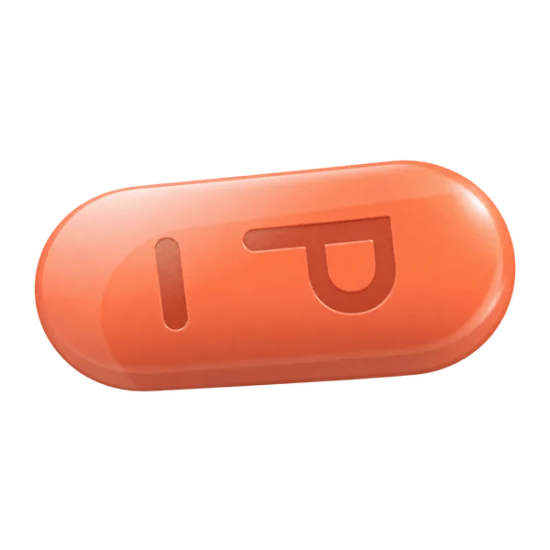
Prilosec capsules are taken by mouth before a meal by adults seeking control of frequent heartburn. The treatment reduces stomach-acid exposure that can irritate the esophagus when reflux occurs repeatedly, rather than providing instant relief during a sudden episode.

Overview

Omeprazole is a PPI used in acid-reduction therapy. Proton-pump inhibitors, often shortened to PPIs, reduce acid secretion at its source: specialised acid-producing cells in the stomach lining.

Dosage and administration

Prilosec capsules are swallowed whole with water before eating. Dosing differs between strengths and between users, so there is no single amount that suits everyone.

A practical routine includes:

  • take the prescribed or product-directed capsule before the first substantial meal of the day;
  • choose a time that is easy to repeat daily;
  • swallow the capsule intact rather than chewing it;
  • avoid taking an additional capsule simply because symptoms occur later that day;
  • seek clinical advice before extending a self-treatment course or beginning repeated courses.

A PPI is not designed for symptom-by-symptom dosing. Taking it only after a rich dinner, then stopping as soon as one dose feels helpful, is a common reason for disappointing results.

If symptoms are worsening despite regular use, do not compensate by increasing the frequency without medical advice. Persistent reflux can reflect gastroesophageal reflux disease, an ulcer, medication-related irritation, or another gastrointestinal condition that needs assessment.

Formulation

Prilosec capsules contain omeprazole, a proton-pump inhibitor (PPI) used in acid-reduction therapy. Omeprazole reduces acid secretion at its source in specialised acid-producing cells of the stomach lining.

How it affects the body

Proton-pump inhibitors, often shortened to PPIs, reduce acid secretion at its source: specialised acid-producing cells in the stomach lining. The proton pump is a microscopic transport system that releases hydrogen ions into the stomach; these ions form gastric acid.

Omeprazole is a PPI used in acid-reduction therapy. It binds to active proton pumps and suppresses acid production for longer than antacids, which neutralize acid already present in the stomach. The U.S. Food and Drug Administration describes this class as delayed-onset treatment for frequent heartburn rather than immediate symptom relief [1].

Relief may build over several days. A capsule taken today cannot instantly reverse irritation that has already developed in the esophagus.

The benefit of this approach is sustained acid control. The limitation is onset: people with occasional symptoms often need a faster-acting strategy for the same-day episode.

Do not crush, open, or chew acid-resistant capsules unless a prescriber has specifically given an alternative method. The protective coating is designed to help the medicine pass through stomach acid before releasing.

Therapeutic indications

Prilosec is used for frequent heartburn, meaning symptoms that occur on two or more days each week. Heartburn develops when acidic stomach contents move upward into the esophagus, causing burning behind the breastbone, sour taste, or regurgitation. Recurrent reflux can disturb sleep, meals, and daily comfort.

The intended role is prevention through sustained acid reduction. It is not a rescue option for a one-off spicy meal or a sudden nighttime flare-up.

Common mistakes

Several practical errors reduce the chance of useful symptom control.

  • Using Prilosec as an emergency antacid. PPIs do not act like chewable antacids.
  • Taking capsules after eating. Pre-meal timing supports the intended pharmacological effect.
  • Opening or chewing the capsule. This can damage delayed-release granules.
  • Doubling a dose after a bad night. More is not automatically better and may increase adverse effects.
  • Ignoring alarm symptoms. Black stools, vomiting blood, and swallowing pain need assessment.
  • Forgetting interaction risks. Clopidogrel and warfarin are not medicines to overlook.
  • Repeating self-treatment indefinitely. Recurring symptoms deserve a reasoned plan.

People also sometimes stop as soon as burning improves, then conclude the treatment failed when symptoms rebound. The more useful question is whether the course was used consistently and whether the symptom pattern actually fits reflux.

Reasons not to use it

Do not self-treat frequent heartburn with Prilosec if you have any of the following:

  • pain or difficulty when swallowing food;
  • vomiting blood or material resembling coffee grounds;
  • black, tar-like, or bloody stools;
  • unexplained weight loss;
  • ongoing vomiting;
  • yellowing of the skin or eyes;
  • chest pain with sweating, breathlessness, dizziness, or pain spreading to the arm, shoulder, neck, or jaw;
  • heartburn beginning for the first time later in adulthood or changing rapidly in pattern.

Omeprazole can affect how the liver processes other medicines, partly through the CYP2C19 enzyme system. This matters most for treatments with a narrow safety margin or treatments that depend on predictable blood levels.

Medicines that require individual review include:

  • clopidogrel, because omeprazole can reduce formation of its active metabolite;
  • warfarin, because changes in anticoagulant effect may require closer INR monitoring;
  • diazepam, which may remain in the body longer;
  • digoxin, because increased stomach pH can alter absorption;
  • prescription antifungal or anti-yeast medicines such as ketoconazole, itraconazole, or voriconazole;
  • methotrexate, tacrolimus, phenytoin, and certain HIV medicines;
  • St. John’s wort, which can reduce PPI exposure.

Clopidogrel deserves special attention. People using it after a heart attack, stroke, coronary stent, or peripheral arterial disease should not start omeprazole without the clinician managing their antiplatelet treatment.

When this is not for you

Prilosec is not for you if you have previously had an allergic reaction to a proton-pump inhibitor or to one of the capsule’s ingredients. Allergic reactions may include hives, facial swelling, wheezing, or a widespread blistering rash.

These signs can point to bleeding, obstruction, significant inflammation, malignancy, heart disease, or another condition outside routine self-care.

If swallowing becomes painful or food feels as though it sticks behind the breastbone, stop treating this as ordinary heartburn and arrange medical assessment promptly.

Possible side effects

Long-term or repeated PPI exposure has also been associated with low magnesium, vitamin B12 deficiency, bone fracture risk in susceptible people, and certain intestinal infections. These outcomes are more relevant with prolonged treatment, higher exposure, older age, malabsorption conditions, or concurrent medicines that affect minerals or bone health. The European Medicines Agency includes warnings about hypomagnesemia and fracture risk in PPI product information [3].

Comparison

Antacids, H2 blockers, and PPIs all address acid-related discomfort, yet they do so differently. Choosing the right category depends mainly on how often symptoms occur and how quickly relief is needed.

Treatment category How it works Typical role
Antacids Neutralize acid already in the stomach Fast relief for occasional symptoms
H2 blockers Reduce acid signalling through histamine receptors Shorter-term prevention or relief
Proton-pump inhibitors Suppress acid production at gastric proton pumps Repeated heartburn and sustained acid control

Antacids can help quickly because they act on existing acid. Their effect is brief. H2 blockers may act faster than PPIs but generally provide less complete acid suppression.

PPIs are useful when heartburn happens repeatedly. They are less suitable when the main need is immediate relief from a single flare-up.

The World Health Organization includes omeprazole among medicines used for acid-related gastrointestinal conditions, reflecting the established role of PPIs in clinical care [2]. NICE guidance also supports PPI use for suitable reflux-related indications.

What doctors say

In clinical practice, physicians usually separate frequent uncomplicated heartburn from symptoms that need investigation. The key questions are frequency, duration, nighttime waking, swallowing difficulty, weight change, bleeding, and medicines already in use.

Doctors also look for a pattern. Symptoms that repeatedly improve with acid suppression but return soon after stopping may indicate ongoing reflux disease and can justify a structured assessment rather than endless self-treatment cycles.

A PPI can reduce acid exposure, yet it does not prevent all reflux events. Stomach contents may still move upward; they are simply less acidic. This explains why some people continue to notice regurgitation, throat symptoms, or a sensation of fluid coming up even when burning improves.

Comparison

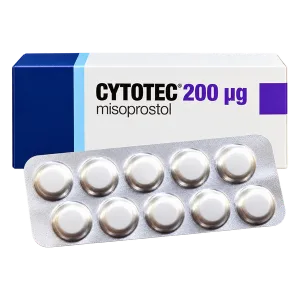
Cytotec

Active ingredient: Misoprostol
100mcg 200mcg
From $ 92.04
pills
4.1 (4)

Nexium

Active ingredient: Esomeprazole
40mg 20mg
From $ 132.60
pills
4 (5)

Pariet

Active ingredient: Rabeprazole
20mg
From $ 145.08
pills
4.7 (3)

Pepcid

Active ingredient: Famotidine
20mg 40mg
From $ 151.32
pills
4.3 (4)

Prilosec Current

Active ingredient: Omeprazole
10mg 20mg 40mg
From $ 145.08
capsules
4.2 (3)

Comparison table: Ulcer Treatment

Common questions

Can Prilosec be used during pregnancy and breastfeeding?

Pregnancy can worsen reflux because hormonal changes relax the lower esophageal sphincter and the growing uterus increases abdominal pressure. Omeprazole use in pregnancy or breastfeeding needs an individual review of symptom severity, alternatives, and medical history rather than routine self-treatment. Health Canada’s 2021 product information for omeprazole-containing therapies advises discussing pregnancy and nursing considerations with the clinician directing care. Seek assessment promptly if reflux is accompanied by vomiting, dehydration, weight loss, or bleeding.

Is tapering needed when stopping treatment?

Stopping a short course does not always require tapering, though some people notice rebound acid symptoms after prolonged PPI use. Rebound acid hypersecretion means the stomach temporarily produces more acid after suppression ends. The EMA’s 2022 product information discusses long-term PPI considerations, including the need to use the lowest suitable exposure for the clinical situation. A person who has relied on repeated or extended courses should discuss a step-down plan with the prescriber managing the reflux.

How should Prilosec be stored at home and while travelling?

Keep Prilosec capsules in a dry place at normal room temperature and away from heat, bathroom humidity, and direct sunlight. The capsule’s delayed-release design can be affected by moisture, so avoid transferring it into an unsealed container for extended periods. During travel, keep the capsules in their closed original container within hand luggage if temperature extremes are likely. The FDA’s 2023 consumer drug-safety guidance emphasizes proper storage to protect medicine quality [4].

What should you do if symptoms do not improve?

A lack of improvement can mean that the symptoms are not caused by acid reflux, that the capsules were taken inconsistently, or that another condition is present. Do not increase the amount or extend self-treatment on your own. The FDA’s 2024 labeling identifies frequent heartburn as a specific use case for OTC PPI therapy, not a diagnostic test for persistent upper digestive symptoms. Medical assessment is needed when symptoms remain troublesome, recur often, or include alarm features.

What should you do after missing a capsule?

Take a missed capsule when remembered if it is still before a meal and not close to the next planned dose. If the next dose is near, skip the missed one and return to the normal schedule. Do not take two capsules together to make up for one forgotten dose. The FDA’s 2024 OTC omeprazole labeling supports returning to the regular schedule rather than doubling doses. This approach helps avoid unnecessary overexposure while preserving a consistent pre-meal routine.

How long should treatment continue?

Course length depends on the strength, reason for use, symptom pattern, and medical history. Long-term PPI therapy can be appropriate for selected diagnosed conditions, though it should be reviewed periodically because prolonged use can affect magnesium, vitamin B12, infection risk, and bone health in susceptible people. The WHO’s 2023 Model List of Essential Medicines includes omeprazole for acid-related disorders, reflecting its established therapeutic role when used for suitable indications . Recurrent symptoms should be assessed instead of managed through indefinite repeated courses.

What should be discussed before starting Prilosec?

Discuss previous PPI reactions, swallowing problems, unexplained weight loss, gastrointestinal bleeding, liver disease, osteoporosis, low magnesium, and kidney disease before starting Prilosec. Also identify all regular medicines, with special attention to clopidogrel, warfarin, digoxin, diazepam, antifungals, methotrexate, tacrolimus, phenytoin, and HIV therapy. The FDA’s 2024 OTC omeprazole labeling advises reviewing concurrent medicines because interactions can alter treatment response or safety. A clear medication list is more useful than relying on memory during that discussion.

Do you offer anonymous delivery?

Your order will be securely packed and shipped within 24 hours. This is exactly what your package will look like (images of an actual item sent). It has the size and look of a regular private letter (24x11x0.7 cm) and its contents cannot be seen.

Customer Feedback on Prilosec

4.2
Based on 3 reviews
Matthew, 29 Thunder Bay Two weeks
Verified
Rating: 5 out of 5

I used one Prilosec capsule before breakfast daily for two weeks during a stretch when heartburn was waking me up several nights each week. The first day did not feel very different, but by the fourth day the burning after late meals had settled. I still had to stop eating close to bedtime because that was clearly making things worse.

Nov 5, 2026
Stephen, 57 Kitchener A few days
Verified
Rating: 4 out of 5

I had used an antacid for years and expected the same quick result. It did not work that way for me, which was frustrating at first. After a few days of taking one capsule before breakfast daily, the frequent burning was less noticeable, but I arranged an appointment when I realized I was getting food sticking in my throat.

Nov 13, 2026
Liam H., 27 Peterborough Two weeks
Verified
Rating: 3.5 out of 5

I took one capsule before breakfast daily for two weeks for repeated heartburn after dinner. They helped with the burning, though sour taste in the morning did not disappear until I cut back on late snacks and alcohol. Missing a dose made me realize that taking it at the same time mattered more than I expected.

Oct 16, 2026

Sources

  1. U.S. Food and Drug Administration (2024). Prilosec OTC: Drug Facts for omeprazole delayed-release tablets.
  2. World Health Organization (2023). WHO Model List of Essential Medicines, 23rd list.
  3. EMA (2019). Summary of Product Characteristics (SmPC) — omeprazole.
  4. FDA (2023). Drug Facts label — omeprazole delayed-release capsules.
Get our free app Shop faster and track your orders 3.9 · 514 reviews Install