Skip to content
Digoxin
Active ingredient: Digoxin

Digoxin

Quality products
24/7 Support
Fast delivery
Delivery from 4 days
Select pack Package Per unit Price

Free delivery on orders from $ 312.00, free express delivery from $ 468.00

Secure Payments
Track your order
Best price guarantee

Digoxin is used for selected patients with chronic heart failure or atrial fibrillation. It can strengthen cardiac contraction and slow electrical conduction through the atrioventricular node.

Overview

Digoxin, the active ingredient of Digoxin, is a cardiac glycoside used for selected cases of chronic heart failure and ventricular-rate control in atrial fibrillation. It strengthens cardiac contraction and slows conduction through the atrioventricular node. Because the gap between a useful and harmful concentration is narrow, treatment requires individualized dosing and laboratory monitoring.

Dosage and administration

Digoxin dosing is individualized. Kidney function, body weight, age, heart rhythm, electrolyte levels, and interacting medicines all influence the final regimen.

Prescribed Administration

  • Take the tablet by mouth at the prescribed time.
  • Swallow it with water unless a clinician has provided different instructions.
  • Take it at a consistent time each day.
  • Do not double the next dose after a missed dose.
  • If a dose is missed and the next scheduled dose is approaching, omit the missed dose rather than taking two together.
  • Do not stop long-term treatment abruptly without a specific clinical plan.

A loading dose, also called digitalization, may be used when a faster therapeutic effect is required. It is divided into carefully spaced doses and is not appropriate for every patient. Maintenance treatment uses smaller repeated doses and may begin without loading when the risk of accumulation is high.

Renal impairment often calls for a lower dose or a longer dosing interval. Older adults can be more sensitive because kidney filtration may decline with age even when there are few symptoms.

If vomiting, severe diarrhoea, or poor fluid intake develops, contact the treating clinic promptly. Dehydration and electrolyte loss can increase the risk of digoxin-related rhythm problems.

Formulation

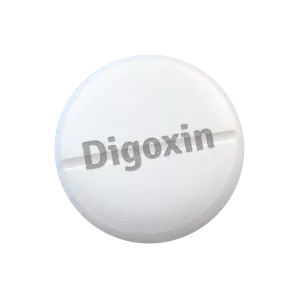
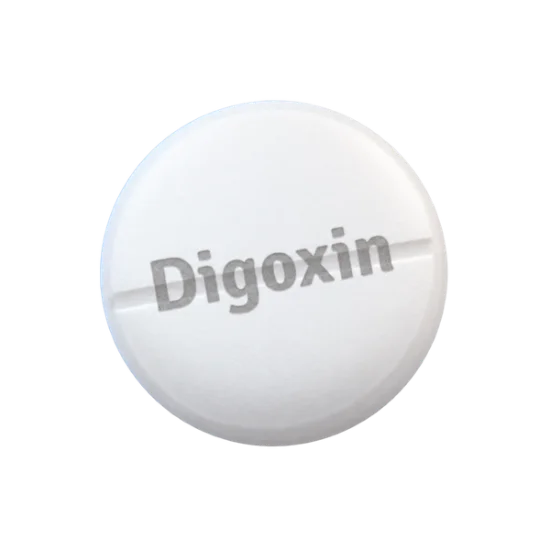
Digoxin is an oral cardiac glycoside supplied as tablets. Clinical products may include strengths such as 62.5 micrograms, 125 micrograms, and 250 micrograms, but the strength prescribed for an individual depends on clinical factors and the specific product presentation.

How it affects the body

Digoxin inhibits the sodium-potassium ATPase pump in cardiac muscle cells. This changes the movement of sodium across the cell membrane and reduces the gradient that normally drives sodium-calcium exchange. Calcium then accumulates inside myocardial cells, increasing the amount available for contraction.

The result is a positive inotropic effect, meaning stronger myocardial contraction. Improved contraction can support forward blood flow and reduce some symptoms of congestive heart failure. Digoxin also increases vagal activity and slows conduction through the atrioventricular node, which can reduce the number of atrial impulses reaching the ventricles during atrial fibrillation.

The same mechanism explains why dosing precision matters. Excessive cardiac glycoside activity can slow conduction too much, trigger abnormal automaticity, or produce dangerous arrhythmias. Changes in potassium, magnesium, or calcium can alter the heart’s response to digoxin.

Cellular and Electrophysiological Effects

Digoxin may:

  • Increase myocardial contractility.
  • Slow atrioventricular-node conduction.
  • Prolong the functional refractory period of the atrioventricular node.
  • Reduce the ventricular rate during atrial fibrillation.
  • Influence autonomic tone through increased vagal activity.

The medicine does not produce a simple dose-for-dose improvement. A higher concentration can move from therapeutic action to nausea, visual disturbance, conduction block, or arrhythmia.

Therapeutic indications

Digoxin is an oral cardiac glycoside supplied as tablets. It has a long-established role in cardiology for selected patients with chronic congestive heart failure, especially when symptoms persist despite standard treatment. It can also help control the ventricular rate in atrial fibrillation by slowing electrical conduction through the atrioventricular node.

Primary Clinical Applications in Cardiology

In heart failure, digoxin increases the force of myocardial contraction. This may improve symptoms such as breathlessness, reduced exercise tolerance, and fluid-related swelling in selected patients. It does not replace treatment that addresses blood pressure, fluid overload, coronary disease, or the underlying cause of heart failure.

In atrial fibrillation, digoxin mainly slows the ventricular response. It does not reliably restore normal sinus rhythm. Its rate-control effect can be more useful when physical activity is limited, while additional rate-control treatment may be required when a rapid pulse continues during exertion.

The European Medicines Agency describes digoxin as a medicine requiring careful attention to renal function, electrolytes, interactions, and serum concentration [1].

Digoxin controls cardiac signalling and contraction; it does not treat the electrical cause of atrial fibrillation itself. A persistently irregular or fast pulse still needs clinical assessment.

Common mistakes

Several avoidable errors can make digoxin treatment unsafe:

  • Taking an extra tablet after forgetting a dose.
  • Using a different tablet strength without a new prescription.
  • Treating nausea as an ordinary stomach problem while continuing repeated doses.
  • Failing to report a new diuretic, antibiotic, antiarrhythmic, or calcium-channel blocker.
  • Missing blood tests after kidney function changes.
  • Continuing the usual dose during severe dehydration.
  • Confusing a slower pulse with treatment success when dizziness or faintness is also present.
  • Stopping treatment suddenly because symptoms have improved.

A home blood-pressure monitor does not replace an electrocardiogram or serum digoxin test. Likewise, a single normal pulse reading does not prove that the concentration is safe.

Reasons not to use it

  • Previous serious reaction to digoxin or another cardiac glycoside.
  • Ventricular fibrillation or ventricular tachycardia.
  • Significant atrioventricular block or sick sinus syndrome without appropriate pacing support.
  • Severe kidney impairment.
  • Low potassium or magnesium.
  • High calcium levels.
  • Hypertrophic obstructive cardiomyopathy.
  • Wolff–Parkinson–White syndrome with atrial fibrillation.
  • Recent vomiting, diarrhoea, dehydration, or acute kidney injury.
  • Concurrent treatment with amiodarone, verapamil, diltiazem, or another medicine that affects digoxin concentration.

When this is not for you

NOT for you if you have ventricular fibrillation, significant conduction disease without pacing support, or a serious previous reaction to digoxin; specialist review is needed.

Possible side effects

Digestive symptoms can appear early. Nausea, vomiting, reduced appetite, and abdominal discomfort may occur with excessive exposure, although they can also have other causes.

Visual symptoms are a classic warning sign. Blurred vision, unusual colour perception, or yellow-green halos around lights should be treated as clinically significant, especially when accompanied by weakness, nausea, or a slow or irregular pulse.

Cardiac toxicity is the most serious concern. Digoxin can cause bradycardia, atrioventricular block, atrial or ventricular arrhythmias, and, in severe cases, life-threatening rhythm disturbance. A normal-looking pulse at one moment does not exclude intermittent toxicity.

Possible early toxicity Urgent cardiac or neurological concern
Loss of appetite, nausea, or vomiting Fainting, severe dizziness, or marked weakness
Blurred vision or colour changes Very slow, very fast, or irregular heartbeat
Abdominal discomfort or confusion Chest discomfort, breathlessness, or suspected heart block

The World Health Organization identifies electrolyte disturbances, kidney impairment, and medicine interactions as important contributors to adverse effects from digoxin [2].

Yellow-green halos are memorable but not required for toxicity. New nausea, confusion, faintness, or a changed heartbeat can be more urgent than a visual symptom.

Comparison

As an oral cardiac glycoside, Digoxin combines increased cardiac contraction with slowed atrioventricular-node conduction, distinguishing its mechanism from approaches that do not provide both effects.

What doctors say

In clinical practice, physicians often view digoxin as a precision medicine rather than a routine tablet for every heart-failure patient. The useful dose may be close to the dose that causes adverse effects, so the prescription must match the person’s kidney function and rhythm.

A cardiologist will usually assess symptoms, pulse, electrocardiogram findings, renal function, potassium, magnesium, and the complete medication list. A concentration result without this context can be misleading.

Digoxin can reduce symptoms or help control ventricular rate, yet it does not remove the need for treatment of fluid overload, hypertension, coronary disease, or the underlying rhythm disorder. The American Heart Association describes digoxin as one component of selected heart-failure and atrial-fibrillation treatment plans rather than a universal first choice [3].

Comparison

Comparison table: Cardiovascular Health

Common questions

What happens if the expected improvement does not occur?

Persistent breathlessness, swelling, fatigue, or a fast ventricular rate can mean that the treatment plan needs review rather than an automatic dose increase. The American Heart Association guidance from 2022 supports reassessing rhythm, kidney function, fluid status, and other heart-failure treatment when symptoms continue. A patient should report worsening symptoms, fainting, or new palpitations promptly. Taking extra digoxin can worsen toxicity without correcting the underlying problem.

Which diet, exercise, or habits help or hinder treatment?

Regular hydration and a stable intake of potassium-containing foods can support predictable treatment, but potassium supplements should not be started without clinical advice. The National Institute for Health and Care Excellence guidance from 2025 supports activity appropriate to the person’s heart-failure status rather than sudden strenuous exertion. Vomiting, diarrhoea, crash dieting, and heavy alcohol intake can worsen dehydration or electrolyte imbalance. Tell the clinic about major dietary changes, herbal products, and over-the-counter medicines.

How soon can the effect of digoxin become noticeable?

The timing depends on the reason for treatment, the dosing approach, kidney function, and whether a loading regimen is used. The EMA pharmacology information published in 2023 describes an earlier effect after loading and a slower assessment during maintenance treatment, when accumulation and steady concentration must be considered. Rate control may be assessed through pulse and electrocardiogram findings, while heart-failure benefit is judged through symptoms and functional ability. Do not use early symptom changes as a reason to alter the prescribed amount.

Which symptoms mean stopping and seeking urgent medical help?

Fainting, severe dizziness, confusion, a markedly slow or irregular heartbeat, chest discomfort, severe breathlessness, or new visual colour changes require urgent medical attention. FDA safety information published in 2022 identifies suspected digoxin toxicity as a reason for prompt evaluation, with electrocardiography, electrolytes, kidney function, and serum concentration considered together. Do not take another dose until urgent clinical services provide specific instructions when serious toxicity is suspected. Bring the names of all medicines and the time of the last tablet if emergency assessment is needed.

Do you offer anonymous delivery?

Your order will be securely packed and shipped within 24 hours. This is exactly what your package will look like (images of an actual item sent). It has the size and look of a regular private letter (24x11x0.7 cm) and its contents cannot be seen.

Customer Feedback on Digoxin

3.5
Based on 5 reviews
Kate, 33 Abbotsford The next week
Verified
Rating: 3 out of 5

I had started digoxin after episodes of rapid atrial fibrillation. The pulse became easier to control over the next week, but I needed a blood test after another medicine was added. The monitoring felt inconvenient, yet it helped keep the treatment organised.

Nov 1, 2026
Jack D., 65 Winnipeg Several months
Verified
Rating: 3.5 out of 5

I had taken the tablets for several months and noticed less breathlessness when walking around the house. I also had two days of poor appetite and nausea during a stomach illness. The clinic told me to seek advice promptly during dehydration rather than simply carrying on as usual.

Oct 6, 2026
Catherine, 43 Kamloops
Verified
Rating: 3 out of 5

The medicine helped with rate control, but it did not make the irregular rhythm disappear. I had expected a normal pulse and was disappointed at first. Understanding that the goal was ventricular-rate control made the treatment easier to judge.

Oct 13, 2026
Simon, 67 Kelowna Later that evening
Verified
Rating: 3.5 out of 5

I accidentally took an extra tablet after missing one. I felt light-headed later that evening and contacted the urgent service. The episode made me keep a written medication record beside my daily tablets.

Oct 19, 2026
Sophie, 56 Regina
Verified
Rating: 4.5 out of 5

My symptoms improved after treatment was adjusted for my kidney function. I still needed follow-up tests and had to tell the clinic about every new prescription. It was helpful, although the routine required more attention than I had expected.

Oct 23, 2026

Sources

  1. European Medicines Agency (2023). Summary of Product Characteristics (SmPC) — digoxin.
  2. World Health Organization (2019). Medication Safety in Polypharmacy: Technical Report.
  3. American Heart Association (2022). 2022 AHA/ACC/HFSA Guideline for the Management of Heart Failure.
Get our free app Shop faster and track your orders Install