Skip to content
Crestor
Active ingredient: Rosuvastatin

Crestor

Quality products
24/7 Support
Fast delivery
Delivery from 4 days
Select pack Package Per unit Price

Free delivery on orders from $ 312.00, free express delivery from $ 468.00

Secure Payments
Track your order
Best price guarantee

High cholesterol and elevated cardiovascular risk may require a statin such as Crestor. Crestor contains rosuvastatin, which lowers LDL cholesterol by reducing cholesterol production in the liver and increasing clearance from the bloodstream. It is used for adults whose lipid levels or cardiovascular risk require prescription treatment.

Overview

Crestor is a statin used to manage hypercholesterolemia, including raised low-density lipoprotein cholesterol (LDL-C), mixed dyslipidaemia, and selected inherited lipid disorders. Its active ingredient is rosuvastatin, supplied as rosuvastatin calcium in tablet form. The drug belongs to the HMG-CoA reductase inhibitor class, which reduces the liver’s production of cholesterol.

Doctors prescribe rosuvastatin when dietary measures alone do not reduce LDL-C sufficiently, or when a person’s cardiovascular risk makes lipid lowering a priority. Treatment can form part of cardiovascular risk reduction for people with established atherosclerotic disease or significant risk factors. The Canadian product monograph and international regulatory information describe Crestor as a prescription treatment requiring an individualized dose [1].

Pharmacological classification and active ingredient

Rosuvastatin inhibits HMG-CoA reductase, an enzyme involved in the early stages of cholesterol synthesis. The liver then removes more LDL particles from the blood by increasing LDL-receptor activity. This lowers circulating LDL-C and may also reduce triglycerides while modestly increasing HDL-C.

Dosage and administration

The amount per intake is selected individually rather than being one fixed number for every person. The chosen dose depends on LDL-C, treatment goals, kidney function, age, ethnicity, other medicines, and the risk of muscle-related adverse effects.

A practical detail matters here: the tablet should be swallowed as directed rather than crushed for convenience, unless a prescriber or pharmacist has specifically approved another method.

Key administration points include:

  • Take Crestor once daily by mouth.
  • Take it at the same time each day when possible.
  • It may be taken with food or on an empty stomach.
  • Swallow the tablet with water.
  • Continue treatment for the duration prescribed.
  • Do not double the next dose after a missed tablet.
  • If a missed dose is remembered close to the next scheduled dose, skip it and resume the usual schedule.

Unlike some shorter-acting statins, rosuvastatin can be taken at any time of day. Regular timing still helps prevent missed doses.

Crestor tablets are supplied in different strengths in clinical practice, yet the correct strength for one person cannot be selected from a general list. A higher strength is not automatically better; the aim is to achieve the required LDL-C reduction with an appropriate tolerability profile.

A missed tablet does not require a catch-up dose. Taking two tablets together can increase exposure without improving the missed day’s cholesterol control.

The duration of treatment is also individualized. Statins often remain part of long-term cardiovascular risk management because cholesterol production continues when treatment stops. Follow-up lipid testing helps determine whether the selected regimen is achieving its target.

Formulation

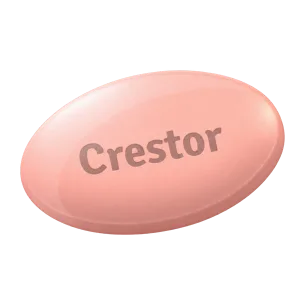
Its active ingredient is rosuvastatin, supplied as rosuvastatin calcium in tablet form.

How it affects the body

Rosuvastatin acts mainly in the liver. It blocks HMG-CoA reductase, reducing the liver’s internal cholesterol production. In response, liver cells increase the number of LDL receptors on their surface and pull more LDL particles out of the bloodstream.

The process can be understood in three steps:

  • Rosuvastatin reduces cholesterol synthesis inside liver cells.
  • Liver cells increase LDL-receptor activity.
  • More LDL cholesterol is removed from circulating blood.

This mechanism differs from medicines that reduce cholesterol absorption in the intestine or bind bile acids inside the digestive tract. Statins target cholesterol production and LDL clearance together, which explains their central role in lipid management.

Rosuvastatin is relatively hydrophilic compared with some other statins. It is also potent at lowering LDL-C, although the response varies between individuals. A lipid panel is needed to see the actual response rather than judging the effect by symptoms. Crestor does not usually produce a noticeable sensation when it lowers cholesterol.

Therapeutic indications

Crestor is a statin used to manage hypercholesterolemia, including raised low-density lipoprotein cholesterol (LDL-C), mixed dyslipidaemia, and selected inherited lipid disorders. Doctors prescribe rosuvastatin when dietary measures alone do not reduce LDL-C sufficiently, or when a person’s cardiovascular risk makes lipid lowering a priority. Treatment can form part of cardiovascular risk reduction for people with established atherosclerotic disease or significant risk factors.

Common mistakes

Several avoidable errors reduce the value of Crestor:

  • Stopping the tablet because high cholesterol has no symptoms.
  • Taking two doses after missing one.
  • Changing the dose without a lipid result or prescribing plan.
  • Ignoring new muscle weakness.
  • Failing to mention antacids, supplements, antivirals, or medicines for infections.
  • Assuming a healthier diet makes treatment unnecessary immediately.
  • Taking the tablet inconsistently at widely different times.
  • Forgetting to report pregnancy or a planned pregnancy.

One small detail can prevent confusion: write down the date treatment started, any dose change, and the date of the next blood test. It is easier to interpret a result when the timeline is clear.

Reasons not to use it

  • Pregnancy or a plan to become pregnant.
  • Breastfeeding.
  • Active liver disease or persistent unexplained liver enzyme elevation.
  • Previous serious reaction to rosuvastatin.
  • Significant kidney impairment requiring a lower starting dose.
  • A history of severe muscle toxicity with a statin.
  • Use of interacting medicines that increase rosuvastatin exposure.

Drug interactions are clinically important. Gemfibrozil, cyclosporine, some antiviral medicines, certain antifungal treatments, colchicine, and other lipid-lowering drugs may increase muscle toxicity or alter rosuvastatin exposure. Antacids containing aluminium or magnesium can reduce rosuvastatin absorption if taken at the same time; separating them according to prescribing instructions may be required.

When this is not for you

This medication is not for you if you are pregnant, breastfeeding, have active liver disease, or have had a serious rosuvastatin reaction. Those are specific clinical exclusions, not routine cautions.

Possible side effects

Crestor is tolerated by many patients, yet adverse effects can occur. Commonly reported problems include headache, nausea, abdominal discomfort, constipation, dizziness, and muscle pain. Some symptoms may arise from another condition or medicine, so timing matters: symptoms beginning after a dose change deserve closer assessment.

Mild effects may improve as the body adjusts. Persistent symptoms need review because continuing an intolerable regimen can lead to missed doses or abrupt discontinuation.

Muscle-related effects range from mild myalgia to rare myopathy or rhabdomyolysis. Seek urgent medical assessment for severe or rapidly worsening muscle pain, marked weakness, swelling, fever, or dark urine. These symptoms can signal serious muscle injury.

Liver enzyme elevations can occur. Severe liver injury is uncommon, yet yellowing of the skin or eyes, unusually dark urine, pale stools, severe itching, or persistent upper-right abdominal pain requires urgent medical attention. Health Canada’s product information describes the relevant muscle, liver, kidney, and interaction precautions for rosuvastatin [3].

Patients sometimes assume that constipation or nausea must be caused by the tablet. A food change, dehydration, infection, iron supplement, or another medicine can produce the same symptoms. A symptom diary can help clinicians identify the likely cause without stopping treatment prematurely.

Report unexplained muscle pain with weakness rather than treating it as ordinary post-exercise soreness. The distinction is more useful when the symptom began after starting Crestor, increasing the dose, or adding another medicine.

Comparison

Statins share the same broad therapeutic purpose, but they differ in potency, metabolism, lipophilicity, interaction patterns, and dosing considerations.

Statin approach Practical distinction
Rosuvastatin Potent LDL-C lowering; relatively hydrophilic; dose selection requires attention to kidney function and interactions
Atorvastatin Potent LDL-C lowering; longer half-life; metabolized through CYP3A4
Pravastatin or fluvastatin Generally lower potency; may suit selected patients needing a less intensive regimen

Simvastatin is another statin, though its interaction profile and dose limitations make it less suitable for some treatment plans. Choice depends on the required LDL-C reduction, previous intolerance, kidney or liver status, interacting medicines, and the person’s cardiovascular risk.

Rosuvastatin may be selected when substantial LDL-C reduction is needed at a relatively low tablet strength. Pravastatin may be considered when a lower-intensity approach is appropriate. Atorvastatin offers another high-intensity option, while simvastatin and fluvastatin may be used in selected lower-intensity regimens. No statin is automatically the best choice for every patient.

What doctors say

In clinical practice, doctors usually judge Crestor by laboratory results and cardiovascular risk rather than by how the patient feels. High cholesterol often produces no symptoms, so a person may feel unchanged even when LDL-C is falling.

A clinician will commonly review the baseline lipid panel, kidney and liver history, current medicines, and treatment goal. Repeat lipid testing then shows whether the dose is producing the expected response. A treatment change may involve adherence review, interaction assessment, dose adjustment, or a different statin strategy.

One practical observation is frequent: patients may stop the tablet when cholesterol improves. The improvement often reflects the treatment, not the disappearance of the underlying tendency to produce or retain LDL cholesterol. Stopping can allow levels to rise again.

Diet and activity still matter. Reducing saturated fat, increasing soluble fibre, maintaining a healthy body weight, exercising regularly, avoiding smoking, and managing diabetes can improve the cardiovascular risk profile alongside statin treatment. NICE lipid-modification guidance supports combining lipid-lowering therapy with broader cardiovascular risk management [4].

Comparison

Comparison table: Cardiovascular Health

Common questions

How long does a Crestor course last, and is long-term use acceptable?

Crestor treatment may continue for years when persistent LDL-C elevation or cardiovascular risk remains present. The appropriate duration depends on the reason for treatment, lipid results, age, kidney and liver health, and tolerability. Health Canada (2021) and the EMA (2024) describe statin therapy as an ongoing risk-reduction treatment rather than a short course for many patients. The treatment plan should be reassessed through lipid testing and adverse-effect review, not stopped solely because cholesterol has improved. A clinician can reassess the need for treatment when risk factors or tolerability change.

Which diet, exercise, or habits help or hinder Crestor’s results?

A diet lower in saturated fat and trans fat, combined with soluble fibre, physical activity, weight management, and smoking cessation, supports cardiovascular risk reduction. Excessive alcohol intake can complicate liver assessment and should be discussed when liver enzymes are abnormal. The WHO’s 2023 cardiovascular prevention guidance supports lifestyle measures alongside lipid-lowering treatment. Crestor cannot offset a persistently high intake of saturated fat or replace treatment for diabetes, hypertension, or smoking.

What happens after stopping Crestor, and does it need tapering?

Rosuvastatin does not usually require tapering in the way some medicines do. Stopping it removes the LDL-lowering effect, so cholesterol can rise again over time, especially when the underlying lipid disorder persists. The EMA’s 2024 product information identifies continued treatment as part of long-term risk management for appropriate patients. If treatment must stop because of muscle symptoms, pregnancy, liver concerns, or another clinical reason, the next plan may include observation, a different statin strategy, or another lipid-lowering approach.

What should happen if the expected cholesterol result does not come?

A limited response can result from missed doses, an incorrect treatment interval, absorption or interaction issues, genetic lipid disorders, thyroid disease, or a higher baseline risk than initially recognized. A clinician may repeat the lipid panel, review the dosing schedule, assess secondary causes, and revise the treatment plan. NICE guidance published in 2023 recommends checking adherence and clinical factors before judging lipid therapy ineffective. Do not increase the dose independently.

Which symptoms mean stopping Crestor and seeking urgent medical help?

Urgent assessment is needed for severe muscle pain, marked weakness, muscle swelling, dark urine, yellow skin or eyes, severe upper-abdominal pain, facial swelling, or difficulty breathing. These symptoms may indicate serious muscle injury, liver injury, or an allergic reaction. The FDA’s 2020 rosuvastatin prescribing information identifies serious muscle toxicity and hepatic concerns among the events requiring prompt clinical evaluation. A mild transient stomach upset is different from severe weakness or dark urine, which should not be ignored.

Is Crestor suitable during pregnancy or breastfeeding?

Crestor should not be used during pregnancy because cholesterol production is necessary for fetal development, and treatment offers no preventive benefit that outweighs this concern during pregnancy. Breastfeeding is also generally incompatible with rosuvastatin treatment because exposure through breast milk cannot be considered appropriate for routine use. The EMA’s 2024 product information identifies pregnancy and breastfeeding as contraindications for rosuvastatin. Anyone who becomes pregnant while taking Crestor should stop further doses and obtain prompt medical advice about the next step.

Do you offer anonymous delivery?

Your order will be securely packed and shipped within 24 hours. This is exactly what your package will look like (images of an actual item sent). It has the size and look of a regular private letter (24x11x0.7 cm) and its contents cannot be seen.

Clinical benefits and cardiovascular risk reduction

The main clinical benefit of Crestor is LDL-C reduction. Lower LDL-C reduces exposure of artery walls to atherogenic lipoproteins, which can slow the development of atherosclerotic plaque and reduce the probability of cardiovascular events in appropriate patients.

Statin treatment has been studied in both primary prevention and secondary prevention. Primary prevention means reducing the chance of a first cardiovascular event in someone without established cardiovascular disease. Secondary prevention means reducing the chance of another event after conditions such as coronary artery disease, ischaemic stroke, or peripheral arterial disease.

Benefits may include:

  • Lower LDL-C and non-HDL cholesterol.
  • Reduced risk of myocardial infarction in appropriate risk groups.
  • Lower risk of ischaemic stroke in suitable patients.
  • Reduced progression of atherosclerotic cardiovascular disease.
  • Better long-term risk control when treatment is maintained.

The size of the benefit depends on baseline cardiovascular risk. A person with a high starting risk may gain more absolute protection than someone with mildly raised cholesterol and few other risk factors. Treatment decisions therefore use blood pressure, diabetes status, smoking, kidney disease, age, family history, existing vascular disease, and lipid results rather than cholesterol alone. The Cholesterol Treatment Trialists’ Collaboration found that cardiovascular benefit generally increases as LDL-C reduction increases, with the greatest value in people at higher baseline risk [2].

The benefit is preventive. It does not rapidly relieve chest pain, treat an acute heart attack, or remove an existing plaque mechanically.

Customer Feedback on Crestor

3.6
Based on 5 reviews
Thomas F., 26 Peterborough About six weeks
Verified
Rating: 3 out of 5

I did not feel a difference, which was expected. My follow-up blood test showed a better LDL result, but I had mild nausea during the first few days.

Oct 6, 2026
Daniel A., 55 Saskatoon Several months
Verified
Rating: 3.5 out of 5

The tablet fitted my evening routine, and I rarely missed it. I still had to change my diet because the medicine alone did not fix my triglycerides.

Oct 10, 2026
Alan P., 41 Fredericton
Verified
Rating: 3 out of 5

After a dose increase, I noticed unusual thigh weakness when climbing stairs. The symptom improved after the treatment was reviewed, but the first few weeks were unsettling.

Oct 19, 2026
Simon, 33 Calgary Roughly three months
Verified
Rating: 5 out of 5

I had no noticeable side effects and found the once-daily schedule easy. The result was clearer on the blood test than in day-to-day life.

Oct 23, 2026
Matthew R., 68 Regina Long term
Verified
Rating: 3.5 out of 5

I missed a dose once and doubled the next one, which was a mistake. After that, I kept the tablets beside my usual morning medicines and followed the normal schedule.

Nov 1, 2026

Sources

  1. Health Canada (2021). Product Monograph: Crestor (rosuvastatin calcium) tablets.
  2. Cholesterol Treatment Trialists’ Collaboration (2010). Efficacy and safety of more intensive lowering of LDL cholesterol: a meta-analysis of data from 170,000 participants in 26 randomised trials.
  3. U.S. Food and Drug Administration (2020). Crestor (rosuvastatin calcium) Prescribing Information.
  4. National Institute for Health and Care Excellence (2023). Cardiovascular disease: risk assessment and reduction, including lipid modification.
Get our free app Shop faster and track your orders Install