I did not feel any different, which was expected. My next blood test showed a lower LDL-C, and I found the tablet easier to remember when I took it with breakfast. I still had to work on evening snacks.
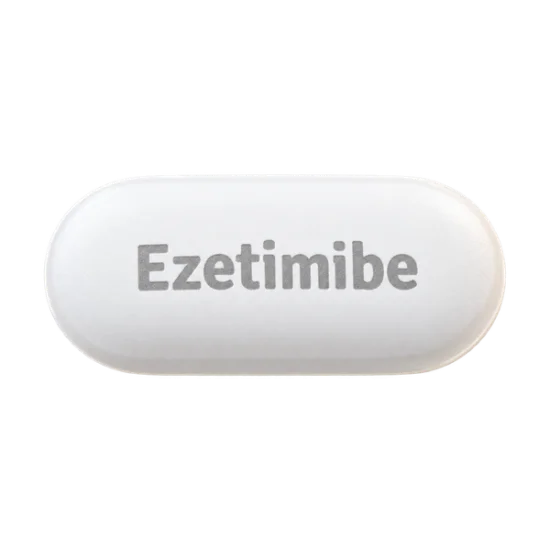
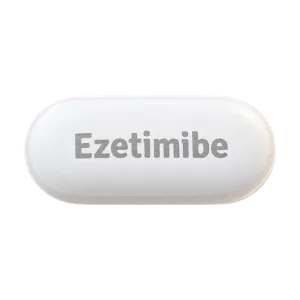
Ezetimibe tablets are taken by mouth to help lower high cholesterol. They reduce intestinal cholesterol absorption by blocking the NPC1L1 protein and lower LDL-C, often alongside diet changes or statin therapy.
Overview
Ezetimibe is an oral lipid-lowering treatment for adults with high cholesterol, including elevated low-density lipoprotein cholesterol (LDL-C). The active ingredient, ezetimibe, acts at the brush border of the small intestine.
Dosage and administration
- Dose: The amount in mg is decided individually; the exact dose is not provided here.
- Frequency: Take the prescribed dose once daily unless a healthcare professional gives different instructions.
- Timing: Take the tablet by mouth, with or without food, at approximately the same time each day.
- Duration: Continue treatment for the duration prescribed by a healthcare professional.
- Route and form: Swallow the ezetimibe tablet orally; do not use it as a topical treatment.
Formulation
The active ingredient is ezetimibe. It acts at the brush border of the small intestine by blocking the NPC1L1 protein, thereby reducing intestinal cholesterol absorption and helping lower LDL-C.
How it affects the body
Ezetimibe Tablets reduce the amount of cholesterol entering the bloodstream from the small intestine.
It blocks the Niemann-Pick C1-Like 1, or NPC1L1, protein. This transporter helps move dietary and biliary cholesterol into intestinal cells. By inhibiting NPC1L1, ezetimibe reduces cholesterol absorption and increases the liver’s removal of LDL-C from the circulation [1].
Intestinal Cholesterol Absorption Inhibition
The mechanism is selective. Ezetimibe reduces absorption of cholesterol and plant sterols without acting as a general fat-blocking medicine. The FDA prescribing information describes its action at the intestinal brush border, with minimal systemic exposure compared with medicines that work throughout the body .
Therapeutic indications
Ezetimibe is used as an adjunct to dietary changes. It may be prescribed alone when statins are unsuitable, or with a statin when LDL-C remains above the patient’s treatment target.
Some patients remain above their LDL-C target despite a statin and ezetimibe. For severe familial hypercholesterolaemia or very high cardiovascular risk, a specialist may consider a PCSK9 inhibitor.
Common mistakes
Several habits can reduce the benefit or increase the risk of treatment:
- Taking tablets only on days when cholesterol-rich food is eaten.
- Stopping treatment because high cholesterol has no symptoms.
- Doubling the next dose after a missed tablet.
- Combining ezetimibe with a statin without reporting muscle pain or unusual weakness.
- Taking a bile acid sequestrant at the same time without separating the doses.
- Forgetting to mention cyclosporine, transplant medicines, or supplements.
- Assuming that ezetimibe removes the need for dietary improvement and physical activity.
- Treating a single improved cholesterol test as proof that long-term follow-up is unnecessary.
Dietary changes should focus on reducing saturated fat, increasing soluble fibre, and choosing unsaturated fats where appropriate. Regular activity supports cardiovascular health, but exercise does not replace prescribed lipid treatment in high-risk disease.
Reasons not to use it
- Known allergy to ezetimibe or any tablet component.
- Active liver disease or persistent unexplained liver enzyme elevation, especially when a statin is also prescribed.
- Pregnancy when ezetimibe is being used with a statin, because statins are contraindicated during pregnancy.
- Breastfeeding when combination treatment with a statin is planned.
- Cyclosporine therapy, because exposure to ezetimibe may increase.
- Significant unexplained muscle pain or weakness during statin combination therapy.
- Severe kidney disease or complex transplant treatment, where interaction and monitoring decisions require individual review.
When this is not for you
Ezetimibe is not suitable for everyone. NOT for you if you have active liver disease, unexplained liver enzyme elevation, or a contraindication to a planned combination treatment.
Patients with liver disease may need a different lipid-lowering strategy. Ezetimibe taken with a statin can increase the need for liver monitoring.
Possible side effects
Ezetimibe is generally tolerated by many patients, with adverse effects often described as mild or temporary. Reported reactions include abdominal discomfort, diarrhoea, fatigue, headache, muscle pain, and elevations in liver enzymes. The frequency and severity can differ when ezetimibe is taken alone compared with combination treatment.
When ezetimibe is combined with a statin, liver enzyme testing may be used when clinically appropriate, especially if the patient develops unusual tiredness, loss of appetite, dark urine, upper abdominal discomfort, or yellowing of the skin. Severe muscle pain or weakness also needs prompt medical assessment because statins can rarely cause serious muscle injury.
A useful advantage is that ezetimibe does not usually cause the same muscle symptoms in every patient who has difficulty with statins. A limitation is that muscle symptoms and liver enzyme changes can still occur, especially during combination therapy.
Adverse Event Monitoring and Reporting
Routine follow-up may include a lipid panel and, when indicated, liver function tests. The timing depends on the treatment plan, the accompanying statin, previous results, and medical history.

Comparison
Statins reduce cholesterol production in the liver by inhibiting HMG-CoA reductase. Examples include simvastatin, rosuvastatin, and atorvastatin. Ezetimibe complements this mechanism by reducing cholesterol absorption in the intestine.
A statin increases hepatic LDL-receptor activity and helps the liver clear LDL-C from blood. Ezetimibe reduces the incoming cholesterol supply, which can support further LDL-C lowering when the statin alone does not achieve the desired result. Health Canada recognizes ezetimibe’s role as monotherapy or in combination with statin treatment for appropriate lipid disorders [2].
Ezetimibe remains useful because it is taken orally and targets a different pathway from statins. Its LDL-C reduction may be smaller than that achieved with a PCSK9 inhibitor, so the appropriate choice depends on the target and the patient’s response.
What doctors say
In clinical practice, physicians often use ezetimibe when LDL-C remains above target after lifestyle measures and statin treatment. The decision is based on absolute cardiovascular risk rather than on cholesterol numbers alone. A person with previous heart attack or stroke may have a lower LDL-C target than someone undergoing routine risk assessment.
Doctors also explain that treatment response is measured through blood work, not by symptoms. A patient can feel completely well while LDL-C remains high, and a patient can experience muscle discomfort even when the lipid panel improves. Both findings deserve attention.
A practical prescribing point is consistency. Ezetimibe lowers cholesterol while it is being taken; stopping it can allow LDL-C to rise again. Physicians may adjust the regimen after reviewing adherence, diet, laboratory results, side effects, and interactions.
Comparison
Abana
Clonidine
Crestor
Digoxin
Ezetimibe Current
Common questions
How long does ezetimibe treatment last, and can it be used long term?
Ezetimibe may be prescribed for long-term cholesterol management when LDL-C remains elevated or cardiovascular risk is high. The 2023 Health Canada product information supports ongoing treatment with periodic review of lipid results, liver status, and tolerance. The appropriate duration depends on the underlying condition, response, and other medicines rather than on a fixed course length.
Can ezetimibe be combined with statins or other lipid medicines?
Ezetimibe can be combined with statins such as simvastatin, rosuvastatin, or atorvastatin when additional LDL-C lowering is needed. The 2024 FDA labeling describes combination use while also outlining liver and muscle-related precautions. Fibrates, cyclosporine, and bile acid sequestrants require specific review because they can alter safety or absorption.
What should happen after a missed ezetimibe dose?
A missed dose should generally be taken when remembered unless the next scheduled dose is close. The 2024 FDA prescribing information supports avoiding a double dose after an omission. Returning to the regular schedule is safer than trying to compensate with extra tablets.
How should ezetimibe tablets be stored at home or during travel?
The 2023 Health Canada product information recommends protecting tablets from excessive heat, moisture, and direct light while keeping them in their supplied container. During travel, keep the medicine with your regular medicines rather than in a hot vehicle or checked luggage. A consistent daily routine helps maintain treatment during changes in schedule.
Which condition can rule out ezetimibe treatment?
Active liver disease is a key condition requiring avoidance or specialist review, especially when ezetimibe is combined with a statin. The 2024 FDA label describes liver-related restrictions and monitoring considerations for combination therapy. A previous mild liver enzyme increase does not automatically answer the question, because the cause, current results, and other medicines also matter.
Which diet, exercise, or habits help ezetimibe work better?
A diet lower in saturated fat and higher in soluble fibre can support LDL-C reduction alongside ezetimibe. The WHO's 2023 guidance identifies physical inactivity, tobacco use, unhealthy diet, and other modifiable factors as contributors to cardiovascular risk [3]. Regular activity, weight management when appropriate, and adherence to the prescribed regimen support the broader treatment plan.
Do you offer anonymous delivery?
Your order will be securely packed and shipped within 24 hours. This is exactly what your package will look like (images of an actual item sent). It has the size and look of a regular private letter (24x11x0.7 cm) and its contents cannot be seen.
Customer Feedback on Ezetimibe
The change was gradual and I needed repeat blood work before knowing whether it helped. I had mild stomach discomfort during the first week, then it settled. The treatment did not remove the need to pay attention to diet.
I missed a dose during a busy weekend and nearly doubled the next one. The pharmacist advised me to return to the regular schedule. My main frustration was having to keep track of several medicines, not the ezetimibe itself.
My LDL-C improved, but I developed muscle soreness after the statin dose was changed at the same time. It was difficult to know which medicine caused it. Testing and a later adjustment clarified the plan.
Sources
- U.S. Food and Drug Administration (2024). ZETIA (ezetimibe) Prescribing Information.
- Health Canada (2023). Ezetimibe Product Monograph.
- World Health Organization (2023). Cardiovascular Diseases: Key Facts.