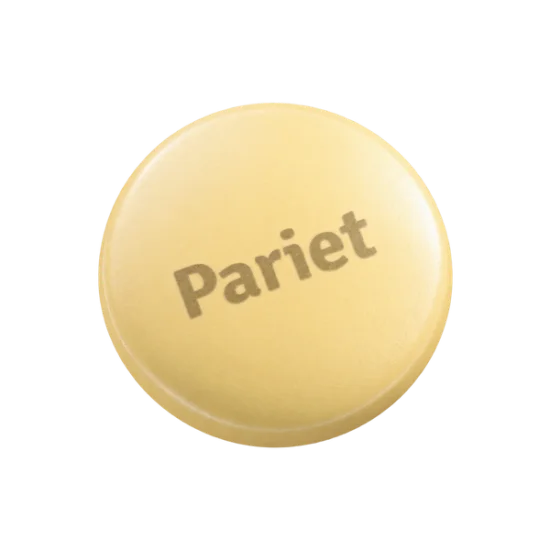
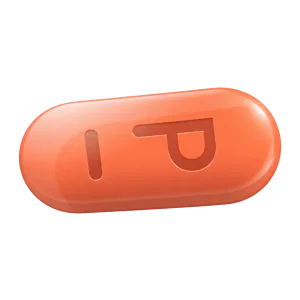
I used Pariet daily for several weeks after persistent burning in my upper stomach. The first few days were not dramatic, but by the second week I was waking up less often with reflux. I did get mild constipation at first, which settled after I adjusted my meals and fluids.
Rabeprazole is used when stomach acid contributes to symptoms, inflammation, or ulcer formation. Its acid-suppressing action supports healing in the upper digestive tract and can reduce reflux-related discomfort.
Overview
Taken by mouth as a delayed-release tablet, Pariet contains rabeprazole sodium, a proton pump inhibitor used for acid-related digestive conditions in adults. It lowers stomach acid production, supporting healing of acid-related damage in the stomach and duodenum while easing symptoms such as persistent heartburn or upper-abdominal burning.
Dosage and administration
Pariet is swallowed whole with water. The prescribed schedule should match the condition being treated, since ulcer healing, reflux management, and bacterial eradication protocols do not use identical treatment plans.
Common administration points include:
- Take the tablet at the same time each day when it is prescribed regularly.
- Take it before a meal when this timing is part of the treatment plan.
- Do not crush, chew, or split the tablet.
- If a dose is missed, take it when remembered unless the next scheduled dose is close.
- Do not double the next dose to compensate for a missed tablet.
- Use only the duration agreed with the prescriber for short-course treatment.
One detail patients often miss is the effect of irregular timing. A tablet taken after several days without treatment may still help, yet it may not give the same symptom control as steady dosing. Reaching for extra tablets during a bad reflux day is also a poor substitute for reviewing the cause of breakthrough symptoms. A clinician can assess whether the timing, diagnosis, or treatment plan needs adjustment. Alarm symptoms require prompt medical evaluation rather than self-directed dose changes.
Formulation
Pariet is an oral tablet containing rabeprazole sodium. Rabeprazole belongs to the proton pump inhibitor, or PPI, class of medicines. PPIs reduce the amount of acid released into the stomach and are used when acid is contributing to symptoms, inflammation, or ulcer formation.
| Active ingredient | Dosage form | Drug class |
|---|---|---|
| Rabeprazole sodium | Delayed-release oral tablet | Proton pump inhibitor |
Active Ingredient Profile
Rabeprazole sodium is acid-sensitive, so the tablet is designed to pass through the stomach before releasing the medicine in the intestine. After absorption, it reaches the acid-producing cells in the stomach lining.
Health Canada’s product monograph for rabeprazole identifies it as an acid-suppressing treatment for conditions linked to excessive gastric acid exposure. [1]
Oral Dosage Form Characteristics
Pariet is taken by mouth. The amount used and how often it is taken depends on the reason for treatment and is agreed with a doctor or pharmacist.
For many acid-related conditions, clinicians schedule a PPI before food because acid pumps become active around meals. A consistent daily time makes missed doses less likely. The tablet does not work like an antacid that neutralizes acid already present in the stomach; it reduces new acid production.
How it affects the body
Rabeprazole acts at the final stage of acid secretion. This matters because the stomach receives several signals to release acid, including signals related to food, histamine, and gastrin. Pariet blocks their shared endpoint rather than trying to block each signal separately.
Inhibition of the Gastric Proton Pump
The gastric proton pump is an enzyme called hydrogen-potassium adenosine triphosphatase, often shortened to H+/K+-ATPase. It sits in parietal cells, which are specialized cells in the stomach lining.
Rabeprazole binds to active proton pumps and suppresses their ability to move hydrogen ions into the stomach. Hydrogen ions are a central component of gastric acid. As more pumps are inhibited over repeated doses, acid output falls.
Downstream Suppression of Acid Secretion
Lower acid exposure allows irritated tissue to recover. In peptic ulcer disease, this can support healing of the stomach or duodenal lining. In reflux-related illness, less acid reaching the esophagus can reduce burning, sour regurgitation, and nighttime discomfort.
Rabeprazole is not a painkiller. It treats the acid environment that can sustain symptoms and mucosal injury.
Therapeutic indications
Pariet is used in adult treatment plans for acid-mediated upper gastrointestinal conditions. These include duodenal ulcers, gastric ulcers, gastroesophageal reflux disease, and conditions where acid suppression is needed to protect healing tissue.
Management of Peptic Ulcer Disease
A duodenal ulcer forms in the first part of the small intestine. A gastric ulcer forms in the stomach. Both can cause upper-abdominal pain, nausea, early fullness, or discomfort related to meals, though some ulcers cause no obvious pain.
By reducing stomach acid production, Pariet gives the protective lining a better chance to repair itself. Ulcer treatment also requires attention to causes such as Helicobacter pylori infection or anti-inflammatory pain medicines, including ibuprofen and naproxen.
Symptoms such as black stools, vomiting blood, unexplained weight loss, progressive difficulty swallowing, or persistent vomiting need urgent medical assessment. These signs should not be managed by extending acid-suppression treatment on your own.
Role in Chronic Gastritis Management
Chronic gastritis means ongoing inflammation of the stomach lining. Acid reduction can relieve acid-related symptoms when gastritis is part of the clinical picture, though treatment also depends on the underlying cause.
For example, H. pylori, regular anti-inflammatory medicine use, autoimmune disease, alcohol exposure, and bile reflux require different approaches. A PPI reduces acid; it does not remove every cause of chronic gastritis.
Eradication Protocols for Helicobacter pylori
H. pylori is a bacterium that can contribute to ulcers and chronic gastritis. When testing confirms infection, Pariet may form one part of a combination regimen that also includes antibiotics.
Role of Acid Suppression in Bacterial Clearance
Acid suppression raises stomach pH, creating conditions that can improve the activity of certain antibiotics against H. pylori. It also helps reduce acid-related injury while treatment addresses the infection.
A PPI alone does not eradicate H. pylori. Antibiotics are necessary, and taking every prescribed component for the intended course is central to successful treatment.
Integration with Antimicrobial Regimens
Modern H. pylori treatment uses multiple medicines because antibiotic resistance can make single-antibiotic approaches unreliable. The 2024 American College of Gastroenterology guideline supports multi-drug eradication regimens selected according to prior antibiotic exposure, allergy history, and local resistance patterns. [2]
Common mistakes
Several avoidable habits can make Pariet seem less helpful than it is.
- Taking it only after a large meal, then expecting instant antacid-like relief.
- Chewing or crushing the delayed-release tablet.
- Doubling doses after forgetting one.
- Continuing frequent ibuprofen, naproxen, or aspirin use without discussing ulcer risk.
- Stopping an H. pylori antibiotic combination when pain improves.
- Assuming every upper-abdominal symptom is caused by acid.
- Using a PPI for months without reviewing whether the original reason still applies.
Stopping after long-term daily use can trigger rebound acid symptoms for a short period. This can feel like the original problem returning more intensely, even when the stomach is adjusting to restored acid production.
Reasons not to use it
Extra caution is needed in the following situations:
- You have unexplained weight loss, anemia, trouble swallowing, vomiting, black stools, or vomiting blood.
- You have severe liver disease.
- You use medicines whose absorption depends on stomach acid.
- You take high-dose methotrexate, since PPIs can affect methotrexate handling.
- You use anticoagulants, anti-seizure medicines, digoxin, or medicines that can lower magnesium.
- You are pregnant, breastfeeding, or planning pregnancy, because the treatment decision should account for the specific clinical need.
Rabeprazole can alter the absorption of medicines such as ketoconazole and some antiviral treatments because less acid is available in the stomach. Tell the prescriber about prescription medicines, non-prescription pain relievers, vitamins, and herbal products before starting therapy.
When this is not for you
This is NOT for you if you have had a serious allergic reaction to rabeprazole, another proton pump inhibitor, or a tablet ingredient.
Possible side effects
Most people tolerate rabeprazole without major difficulty. Headache, diarrhea, constipation, nausea, abdominal discomfort, and gas can occur. These effects are often mild, though persistent diarrhea deserves attention because acid suppression can alter the gut environment.
Rare but serious reactions include a severe rash, facial swelling, breathing difficulty, marked weakness, confusion, muscle cramps, reduced urine output, or ongoing watery diarrhea. These need prompt medical evaluation.
Long-term PPI use has been associated with low magnesium, vitamin B12 deficiency, bone fractures, certain intestinal infections, and kidney problems in some studies. Associations do not mean every person using Pariet will develop these problems. Risk is more relevant when therapy is prolonged, when doses are high, or when other health conditions and medicines add to the risk.
Comparison
Pariet is a PPI. It provides deeper and longer acid suppression than medicines that only neutralize existing acid or block histamine-related acid signals.
| Approach | How it reduces acid | Typical role |
|---|---|---|
| Rabeprazole PPI | Blocks the gastric proton pump | Ulcers, persistent reflux, H. pylori regimens |
| H2-receptor blocker | Reduces histamine-driven acid release | Intermittent or milder acid symptoms |
| Antacid | Neutralizes acid already in the stomach | Rapid, short-term symptom relief |
Antacids may act faster for occasional burning, though their effect is brief. H2-receptor blockers can help some people, especially for intermittent symptoms, but they generally suppress acid less strongly than PPIs. Pariet is usually chosen when a clinician needs reliable acid suppression for tissue healing or persistent symptoms. Potential advantages include sustained acid suppression, support for ulcer healing, and usefulness in combination treatment for H. pylori. A drawback is that it can cause adverse effects, and longer courses require periodic review.
Long-term PPI therapy has a place for selected conditions, yet it should be reviewed periodically. The American Gastroenterological Association advises reassessing the indication rather than continuing a PPI indefinitely without a clear reason. [3]
What doctors say
In clinical practice, doctors usually focus on the reason for acid suppression before selecting the duration. A short course may be appropriate for healing an ulcer or settling a flare of reflux. Ongoing therapy can be justified for recurrent erosive disease, prevention of ulcers in higher-risk medicine users, or other documented conditions.
A good outcome is more than reduced burning. Doctors also look for resolution of alarm symptoms, improvement in sleep and eating comfort, and evidence that the underlying cause has been addressed. Persistent symptoms despite regular treatment may point to reflux that is not acid-driven, H. pylori, medication-related irritation, gallbladder disease, or another digestive condition.
Comparison
Common questions
Can Pariet be used by people under 18?
Pariet is generally discussed as an adult treatment in rabeprazole product information. Pediatric treatment decisions depend on age, diagnosis, body size, and the availability of an appropriate formulation. Health Canada’s 2021 product information should guide pediatric use rather than adult dosing habits being copied for a younger person. [4]
How long does a Pariet course last, and is long-term use acceptable?
Course length depends on the reason for acid suppression. Ulcer healing and H. pylori treatment usually have defined treatment periods, while some people with documented reflux complications may need longer therapy. The American Gastroenterological Association’s 2022 advice supports regular review of the reason for continued PPI use, especially after symptoms are controlled. Long-term use can be appropriate when its benefit clearly outweighs its risks.
What should I do if Pariet does not provide the expected result?
Take it consistently in the prescribed way before deciding it has failed. Persistent symptoms may need reassessment for H. pylori, ongoing anti-inflammatory medicine exposure, non-acid reflux, ulcer complications, or another digestive cause. The 2024 American College of Gastroenterology guideline supports testing and targeted treatment strategies for confirmed H. pylori infection. Do not respond by increasing the dose independently.
What should I discuss with a doctor before starting Pariet?
Discuss previous ulcer disease, reflux symptoms, liver disease, kidney problems, osteoporosis, low magnesium, and prior reactions to PPIs. Mention all medicines, with special attention to methotrexate, digoxin, anticoagulants, antifungal medicines, antivirals, aspirin, and anti-inflammatory pain medicines. The WHO’s 2023 clinical information recognizes gastrointestinal ulcer disease as an important condition requiring appropriate assessment of causes and treatment needs. Pregnancy or breastfeeding also belongs in that conversation.
How long does one Pariet tablet keep working?
Rabeprazole has a relatively short presence in the bloodstream, yet its effect on activated proton pumps lasts longer because those pumps remain inhibited until the stomach makes new ones. Acid suppression is therefore maintained across the day when the medicine is taken on its intended schedule. The FDA’s 2018 rabeprazole prescribing information describes this sustained pharmacodynamic effect despite a shorter plasma half-life. [5]
Does Pariet cause headache?
Yes. Headache is among the more commonly reported side effects of rabeprazole and other PPIs. A mild headache that settles may be manageable, while severe, unusual, recurrent, or worsening headache should be assessed, especially if it occurs with dizziness, weakness, visual symptoms, or signs of dehydration. The FDA’s 2018 rabeprazole label lists headache among adverse reactions seen in clinical use.
Do you offer anonymous delivery?
Your order will be securely packed and shipped within 24 hours. This is exactly what your package will look like (images of an actual item sent). It has the size and look of a regular private letter (24x11x0.7 cm) and its contents cannot be seen.
Customer Feedback on Pariet
My doctor used it as part of a treatment plan after an ulcer investigation. I took the tablets as scheduled and finished the accompanying antibiotics. The metallic taste from the antibiotic part was the worst issue, not Pariet, and my stomach pain eased gradually rather than overnight.
It only partly reduced my heartburn after about a week, and I made the mistake of taking it randomly at first. Once I took it consistently before breakfast, the result was more predictable. I still needed an appointment when symptoms returned after stopping.
Sources
- Health Canada (2017). Product Monograph: PARIET (rabeprazole sodium delayed-release tablets).
- American College of Gastroenterology (2024). ACG Clinical Guideline: Treatment of Helicobacter pylori Infection in North America.
- American Gastroenterological Association (2022). AGA Clinical Practice Update on De-Prescribing of Proton Pump Inhibitors: Expert Review.
- Health Canada (2021). Safe Use of Medicines for Children.
- U.S. Food and Drug Administration (2018). ACIPHEX (rabeprazole sodium) delayed-release tablets: Prescribing Information.