Skip to content
Pepcid
Active ingredient: Famotidine

Pepcid

Quality products
24/7 Support
Fast delivery
Delivery from 4 days
Select pack Package Per unit Price

Free delivery on orders from $ 312.00, free express delivery from $ 468.00

Secure Payments
Track your order
Best price guarantee

Heartburn and acid indigestion occur when stomach contents move back into the esophagus and irritate its sensitive lining. Pepcid contains famotidine, an acid reducer for adults seeking prevention or relief of occasional heartburn. It lowers stomach acid production through histamine-2 receptor blockade.

Overview

Pepcid is an acid reducer for adults seeking prevention or relief of occasional heartburn. It belongs to the histamine-2 blocker, or H2 blocker, class of acid reducers.

Dosage and administration

Pepcid may start reducing acid-related symptoms within 15 to 30 minutes. Its effect can last for up to 12 hours after one dose, which makes it useful for predictable trigger periods such as a rich dinner or late-night reflux.

Speed varies. Symptoms caused by a heavy meal may settle sooner than symptoms linked with ongoing gastroesophageal reflux disease, often called GERD. Severe pain, repeated vomiting, or difficulty swallowing are not typical minor-heartburn symptoms.

Practical tip: For prevention, famotidine works best when taken before a known trigger meal rather than waiting until severe burning has developed.

Pepcid can be used for occasional symptom relief or before a meal that is likely to trigger heartburn. Follow the directed dose and interval for the product strength being used. Do not take extra tablets merely because the burning feels intense.

A practical routine includes:

  • Take the tablet with water.
  • Use it before a trigger meal when prevention is the goal.
  • Avoid lying down for at least two to three hours after eating.
  • Choose smaller meals if large portions consistently provoke reflux.
  • Limit alcohol, tobacco, peppermint, chocolate, and high-fat meals when they reliably worsen symptoms.
Practical tip: Keep a brief trigger record for one week. The useful details are meal size, timing, alcohol intake, bedtime, and whether symptoms wake you from sleep.

Formulation

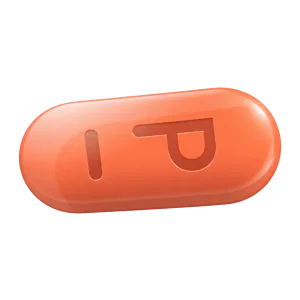
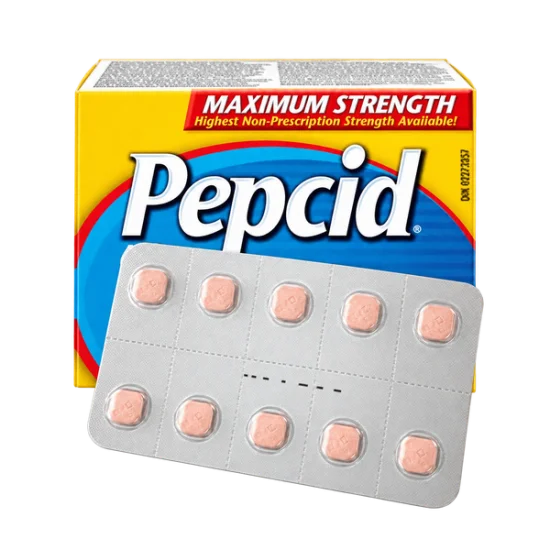
Pepcid tablets use famotidine as the active acid-reducing substance. Famotidine is an H2 blocker, not an antacid and not a proton pump inhibitor.

The tablet form is swallowed with water. It suits people who prefer a measured oral dose and longer acid control than an antacid alone may provide. Dosing differs between strengths and between users, so there is no single amount that suits everyone.

How it affects the body

Famotidine reduces the stomach’s acid output rather than simply neutralizing acid already present. Histamine normally attaches to H2 receptors on acid-producing cells in the stomach. Famotidine blocks part of that signal, so these cells release less acid. This mechanism differs from an antacid, which reacts with acid already in the stomach.

Famotidine decreases acid secretion stimulated by food, histamine, and normal day-to-day stomach activity. The U.S. Food and Drug Administration describes H2 blockers as medicines that reduce acid production for relief and prevention of heartburn symptoms. [2]

Therapeutic indications

This can ease the burning sensation behind the breastbone, sour taste, and upper-abdominal discomfort linked with acid indigestion.

Pepcid offers a middle ground between rapid acid neutralization and deeper long-term acid suppression. The best choice depends on how often symptoms occur, how quickly relief is needed, and whether reflux is occasional or persistent.

Common mistakes

Several avoidable habits reduce the value of acid-reducing treatment.

  • Taking repeated doses too close together after a rich meal.
  • Using Pepcid for persistent symptoms without investigating the cause.
  • Lying down immediately after dinner.
  • Mixing several acid remedies without understanding their different actions.
  • Ignoring dizziness or confusion in an older adult with kidney disease.
  • Assuming chest pressure is heartburn when it occurs during exertion or with breathlessness.

Another frequent error is expecting every acid remedy to act identically. Antacids neutralize acid already present. Famotidine reduces new acid production. PPIs suppress acid production through a different pathway and are used differently.

Practical tip: Bring a complete list of prescription medicines, non-prescription treatments, vitamins, and herbal products to a medication review, since acid reduction can affect absorption of selected medicines.

Reasons not to use it

Use needs individual review in the following situations:

  • Known moderate or severe kidney impairment.
  • A history of confusion or delirium linked with acid-reducing medicines.
  • Persistent vomiting, unexplained weight loss, anemia, trouble swallowing, or gastrointestinal bleeding.
  • Ongoing heartburn that occurs repeatedly over weeks.
  • Pregnancy or breastfeeding, where individual treatment choices should be assessed.
  • Use of medicines whose absorption depends on stomach acidity.

Famotidine can reduce absorption of some medicines that require an acidic stomach environment, including certain antifungal treatments and some antiviral medicines. It may also interact with medicines such as tizanidine through effects on drug handling. The EMA advises that medicine interaction assessment should consider kidney function, concurrent medicines, and individual clinical circumstances. [4]

When this is not for you

Pepcid is not for you if you have had an allergic reaction to famotidine or another H2 blocker. Signs of allergy can include hives, swelling of the lips or tongue, wheezing, or widespread blistering rash.

Stop use and seek urgent medical assessment for chest pain with shortness of breath, sweating, fainting, pain spreading to the arm or jaw, vomiting blood, black stools, facial swelling, wheezing, or a severe rash. Heartburn-like chest discomfort should never be assumed to be digestive when these symptoms are present.

Practical tip: If Pepcid makes you dizzy or unusually sleepy, avoid driving, ladders, and powered equipment until you know how it affects you.

Possible side effects

Possible side effects include headache, dizziness, constipation, diarrhea, nausea, and tiredness. These effects are often mild, though they can interfere with driving or work requiring steady concentration.

Older adults and people with reduced kidney function may be more prone to confusion, agitation, or unusual drowsiness if famotidine accumulates. Kidney function matters because famotidine leaves the body mainly through the kidneys.

Comparison

Treatment class Main action Typical role
Antacids Neutralize acid already present Fast, short-term relief
H2 blockers such as famotidine Reduce acid production through H2 receptors Prevention and relief lasting several hours
Proton pump inhibitors Block the acid pump in stomach cells Frequent reflux requiring sustained acid suppression

Antacids may act faster for symptoms that are already present, though their effect is usually brief. Famotidine takes longer to act but can provide longer acid control. Proton pump inhibitors, or PPIs, are often used for frequent GERD symptoms, yet they are not designed as immediate rescue products and may take repeated dosing to show their fullest benefit.

The American College of Gastroenterology recommends an evidence-based approach to GERD that considers symptom frequency, alarm features, and response to treatment rather than relying on indefinite self-treatment. [3]

What doctors say

In clinical practice, physicians often view famotidine as a practical option for occasional, meal-related heartburn. It is useful when the pattern is clear: symptoms after spicy meals, alcohol, large portions, or late dinners. It is less suitable as a long-term answer for unexplained or progressively worsening upper digestive symptoms. A clinician may review symptom frequency and warning signs before recommending continued self-treatment. Persistent symptoms may require diagnostic testing or a different treatment plan.

Doctors also separate burning reflux from other causes of chest or upper-abdominal pain. A person who needs acid relief many days each week may need a GERD assessment, a medication review, or testing for another digestive condition. Relief from Pepcid does not prove that reflux is the only cause.

Comparison

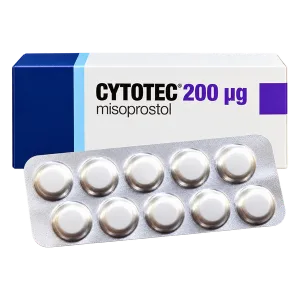
Cytotec

Active ingredient: Misoprostol
100mcg 200mcg
From $ 92.04
pills
4.1 (4)

Nexium

Active ingredient: Esomeprazole
40mg 20mg
From $ 132.60
pills
4 (5)

Pariet

Active ingredient: Rabeprazole
20mg
From $ 145.08
pills
4.7 (3)

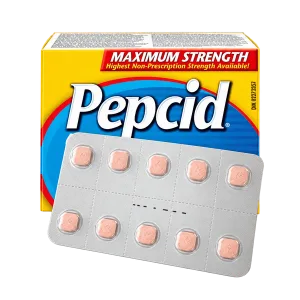
Pepcid Current

Active ingredient: Famotidine
20mg 40mg
From $ 151.32
pills
4.3 (4)

Prilosec

Active ingredient: Omeprazole
10mg 20mg 40mg
From $ 145.08
capsules
4.2 (3)

Comparison table: Ulcer Treatment

Common questions

Can Pepcid be combined with antacids or mineral supplements?

Pepcid and an antacid may sometimes be used in the same heartburn-management plan because they work differently: antacids neutralize existing acid, while famotidine reduces further acid release. Spacing can be sensible when taking mineral supplements or medicines with absorption affected by stomach acidity. Health Canada's 2023 medicine-information approach emphasizes reviewing all non-prescription products and supplements for interactions. A medication review remains most useful when symptoms are frequent or several treatments are being combined.

Does kidney disease rule out Pepcid?

Kidney disease does not always rule out famotidine, though it can require a lower dose or a longer interval because the kidneys clear the medicine. Reduced clearance raises the chance of confusion, drowsiness, or other central nervous system effects, especially in older adults. The FDA's 2024 labeling warns that dose adjustment may be needed in moderate to severe renal impairment. A clinician should determine whether Pepcid is appropriate when kidney function is reduced.

Which symptoms require urgent medical care?

Stop Pepcid and seek urgent care for chest pain with sweating, breathlessness, fainting, jaw or arm pain, vomiting blood, black stools, trouble swallowing, or severe abdominal pain. These symptoms can reflect bleeding, a heart problem, or another condition that cannot be managed as simple heartburn. WHO guidance published in 2024 identifies cardiovascular disease as a major cause of serious chest symptoms worldwide. Urgent symptoms should be assessed immediately, even if antacid or famotidine treatment has helped in the past.

What happens when Pepcid is stopped, and does it need tapering?

Pepcid does not usually require tapering after short-term occasional use. Stopping it may allow the original heartburn pattern to return if trigger foods, late meals, reflux, or GERD are still present. This is different from dependence, and it does not mean the body is addicted to famotidine. NICE guidance published in 2024 on dyspepsia and reflux management supports reviewing ongoing need for acid suppression rather than continuing it automatically.

What is the best time of day to take Pepcid?

The best time depends on the symptom pattern and the reason for use. For predictable meal-related heartburn, taking it before the trigger meal may prevent symptoms. For symptoms that occur mainly at night, the timing should be planned around the evening pattern while staying within the directed interval. The FDA's 2024 Drug Facts framework for non-prescription heartburn treatment supports preventive use before known triggers.

How soon does Pepcid become noticeable?

Pepcid may begin to relieve heartburn within 15 to 30 minutes, though the experience varies with meal size, symptom severity, and whether reflux is already active. Acid control can continue for up to 12 hours after one dose. Persistent symptoms despite repeated use point to a need for clinical assessment rather than escalating treatment independently. The American College of Gastroenterology's 2022 guideline links ongoing troublesome reflux with the need to evaluate GERD and alarm symptoms. [5]

Do you offer anonymous delivery?

Your order will be securely packed and shipped within 24 hours. This is exactly what your package will look like (images of an actual item sent). It has the size and look of a regular private letter (24x11x0.7 cm) and its contents cannot be seen.

Physiological role of H2 blockers

The benefit is sustained acid control. The limitation is that Pepcid does not repair an injured esophagus or correct the physical tendency toward reflux. Health Canada recognizes famotidine as an H2-receptor antagonist used for acid-related symptoms and conditions. [1]

Practical tip: Heartburn that appears mainly when lying flat may respond better when Pepcid is paired with an earlier evening meal and avoiding bedtime snacks.

Lifestyle and reflux habits

Heartburn is not caused by excess acid alone. The lower esophageal sphincter can relax after large meals, alcohol, coffee, smoking, or lying down soon after eating. Acid then flows backward from the stomach into the esophagus, where it causes burning because the esophageal lining is less protected than the stomach lining.

One common mistake is treating recurring daily reflux as if it were occasional indigestion. Frequent symptoms deserve assessment because GERD, ulcers, medication irritation, and other conditions can produce similar discomfort.

Customer Feedback on Pepcid

4.3
Based on 4 reviews
Steven, 45 Kelowna About two months
Verified
Rating: 5 out of 5

I took Pepcid as directed before restaurant meals for about two months. The burning after spicy food settled within half an hour most evenings, and I did not need it on days when I ate earlier and lighter.

Oct 16, 2026
Harry, 30 Regina A stretch of late dinners
Verified
Rating: 3.5 out of 5

I took it as directed during a stretch of late dinners at work. It helped with the sour feeling in my throat, but I still had symptoms when I ate and went straight to bed. Changing that habit made the bigger difference.

Oct 27, 2026
Luke, 39 Thunder Bay Three weeks
Verified
Rating: 5 out of 5

I took the tablets as directed for three weeks after frequent coffee and takeout meals. The heartburn improved, though I had a mild headache on the first two days. It passed, and I did not notice it again.

Nov 8, 2026
Stephen, 60 Oshawa Several days
Verified
Rating: 3.5 out of 5

I took Pepcid as directed, and it reduced my evening burning for several days, but I also felt more tired than usual. Because I have kidney problems, my clinician reviewed my medicines and adjusted my approach rather than having me continue on my own.

Nov 13, 2026

Sources

  1. Health Canada (2023). Famotidine: Product Monograph and consumer medicine information.
  2. U.S. Food and Drug Administration (2024). OTC Drug Facts Label: Famotidine acid reducer products.
  3. American College of Gastroenterology (2022). ACG Clinical Guideline for the Diagnosis and Management of Gastroesophageal Reflux Disease.
  4. European Medicines Agency (2017). Guideline on the investigation of drug interactions.
  5. Katz, P.O., Dunbar, K.B., Schnoll-Sussman, F.H., et al. (2022). ACG Clinical Guideline for the Diagnosis and Management of Gastroesophageal Reflux Disease.
Get our free app Shop faster and track your orders 3.9 · 514 reviews Install