The first few nights left me groggy, and my mouth was very dry. Sleep settled first; my mood took longer to change. I had to move my evening routine earlier because I felt slow in the morning.
Adults with major depressive disorder or selected chronic pain conditions may be prescribed Elavil, which contains amitriptyline hydrochloride. This tricyclic antidepressant changes central nervous system signalling and can also reduce certain neuropathic pain symptoms.
Overview
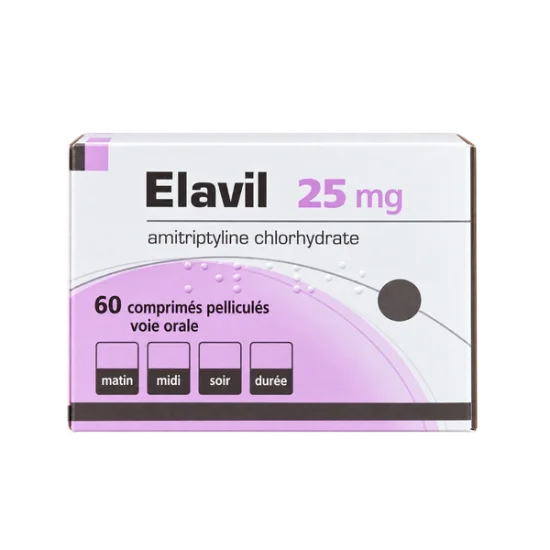
Elavil is an oral tablet containing amitriptyline hydrochloride. The dose is decided individually, taking age, other medicines, and health conditions into account. Amitriptyline belongs to the tricyclic antidepressant class, also called TCAs. It has established use in depressive illness and is also prescribed in clinical practice for selected chronic pain conditions, although some pain uses may be outside the product’s primary psychiatric indication.
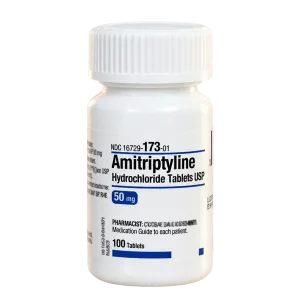
Amitriptyline is the active pharmaceutical ingredient in Elavil. The terms Amitriptyline HCl, Amitriptyline (Elavil), and amitriptyline hydrochloride refer to the same active salt used in this product. Brand-name Elavil and a generic equivalent containing the same active ingredient are expected to provide the same pharmacological action when manufactured to applicable quality and bioavailability requirements.
The tablets are taken by mouth. Their sedating properties often influence the timing selected by the prescriber.
Active ingredient and mechanism
Amitriptyline increases the activity of noradrenaline and serotonin in nerve pathways by reducing their reuptake. These neurotransmitters influence mood, pain processing, sleep, and emotional regulation. Amitriptyline also blocks muscarinic, histamine, and alpha-adrenergic receptors, which explains several useful effects and many unwanted effects.
The same receptor activity can cause dry mouth, constipation, blurred vision, drowsiness, dizziness, and postural blood-pressure changes. Its broader receptor profile separates a tricyclic antidepressant from newer medicines that act more selectively.
Health Canada recognizes amitriptyline as a prescription medicine requiring individualized clinical assessment. The World Health Organization includes tricyclic antidepressants among established options for depressive disorders, while treatment choice depends on symptoms, coexisting conditions, and previous response [1].
Dosage and administration
Elavil is supplied as an oral tablet. The dose is decided individually, taking age, other medicines, and health conditions into account.
- Take the tablet by mouth at the prescribed time.
- Swallow it with water unless a prescriber gives different instructions.
- Follow the prescribed frequency rather than changing the schedule according to daily symptoms.
- Do not increase the dose independently.
- Do not stop long-term treatment abruptly, because withdrawal symptoms and symptom relapse can occur.
- If a dose is missed, take it when remembered unless the next scheduled dose is near. Skipping the missed dose is safer than taking two doses together.
Clinical dosing differs according to the condition being treated. Depression, neuropathic pain, sleep disturbance, older age, liver disease, and concurrent medicines can all change the appropriate regimen. An oral tablet may be used as part of a lower starting regimen or as one component of a larger daily dose, but the tablet strength does not determine an individual’s treatment plan.
Titration and maintenance
Gradual dose changes allow clinicians to assess dry mouth, constipation, daytime sedation, dizziness, heart-rate changes, and mood response. Older adults often require more cautious dosing because amitriptyline can cause confusion, falls, urinary retention, and blood-pressure changes.
A patient who feels heavily sedated after the first doses should not compensate by skipping several days and restarting at a higher amount. Abrupt changes can make adverse effects harder to interpret.
Formulation
Elavil is an oral tablet containing amitriptyline hydrochloride. The dose is decided individually, taking age, other medicines, and health conditions into account. Amitriptyline is the active pharmaceutical ingredient in Elavil. The terms Amitriptyline HCl, Amitriptyline (Elavil), and amitriptyline hydrochloride refer to the same active salt used in this product.
How it affects the body
Amitriptyline blocks the neuronal reuptake of serotonin and noradrenaline. More of these chemical messengers remains available between nerve cells, which can gradually influence mood and pain signalling.
Elavil differs from selective serotonin reuptake inhibitors because it affects two main monoamine pathways and several other receptors. This wider action may help some people with depression, insomnia, or neuropathic pain, but it also creates more anticholinergic and cardiovascular effects.
Terms explained
- Tricyclic antidepressant: a medicine with a three-ring chemical structure that affects serotonin and noradrenaline signalling.
- Anticholinergic effect: reduced acetylcholine activity, which can cause dry mouth, constipation, blurred vision, urinary difficulty, or confusion.
- Neuropathic pain: pain caused by irritated or damaged nerves rather than ordinary tissue injury.
- Orthostatic hypotension: a blood-pressure drop after standing, which may cause light-headedness or fainting.
Therapeutic indications
Adults with major depressive disorder or selected chronic pain conditions may be prescribed Elavil. It contains amitriptyline hydrochloride, which changes central nervous system signalling and can reduce certain neuropathic pain symptoms.
Common mistakes
Several practical errors can reduce benefit or increase harm:
- Taking the tablet in the morning despite strong sedation, then operating machinery or driving.
- Increasing the dose because sleep improves before mood or pain.
- Stopping suddenly after several weeks or months.
- Treating severe constipation as a minor inconvenience.
- Combining Elavil with alcohol, opioids, sleep medicines, or sedating antihistamines.
- Failing to mention glaucoma, urinary retention, fainting, arrhythmia, or seizure history.
- Taking two doses after forgetting one.
- Assuming that a 25 mg tablet is automatically a complete daily regimen.
- Ignoring new agitation, racing thoughts, impulsive behaviour, or suicidal thinking.
- Using leftover tablets to restart treatment after a long interruption.
Overdose is a medical emergency with amitriptyline. It can produce severe drowsiness, seizures, dangerously low blood pressure, wide-complex arrhythmias, coma, and cardiac arrest. Emergency services should be contacted immediately after a suspected overdose.
Reasons not to use it
This medication is not for you if you have a known allergy to amitriptyline or related tricyclic antidepressants, or if you are taking a monoamine oxidase inhibitor.
Extra caution is required with:
- Previous heart attack, conduction disease, arrhythmia, or unexplained fainting
- Seizure disorder or factors that lower the seizure threshold
- Bipolar disorder or a history of mania
- Severe liver disease
- Narrow-angle glaucoma
- Urinary retention or significant prostate obstruction
- Older age, frailty, recurrent falls, or cognitive impairment
- Pregnancy or breastfeeding, where the expected benefit and potential infant exposure require assessment
- Severe constipation or intestinal obstruction
Amitriptyline may worsen angle-closure glaucoma, urinary retention, confusion, and orthostatic hypotension. A prescriber may consider an electrocardiogram when there is cardiac history, an elevated arrhythmia risk, or use of other medicines that prolong the QT interval.
When this is not for you
Elavil is not suitable for everyone. This medication is not for you if you have a known allergy to amitriptyline or related tricyclic antidepressants, or if you are taking a monoamine oxidase inhibitor.
Possible side effects
Amitriptyline’s side effects reflect its activity at several receptor types. Mild effects may improve as the body adapts, but persistent or severe symptoms require prompt clinical review.
Common effects include:
- Dry mouth or an unpleasant taste
- Constipation
- Drowsiness and reduced alertness
- Dizziness, especially when standing
- Blurred vision
- Increased appetite or weight gain
- Sweating
- Nausea or stomach discomfort
- Headache
- Difficulty urinating
- Faster heartbeat or awareness of heartbeats
Amitriptyline can also cause sexual difficulties, changes in blood pressure, tremor, and impaired coordination. Sedation may be useful at night but disruptive during daytime work, childcare, driving, or study.
Serious reactions require urgent medical attention. These include fainting, severe palpitations, chest pain, seizures, severe confusion, hallucinations, marked agitation, yellowing of the skin, serious rash, facial swelling, and thoughts of self-harm. A sudden worsening of mood or suicidal thinking is an urgent psychiatric concern, especially after starting treatment or changing the dose.
The FDA-approved prescribing information describes risks involving suicidal thoughts in younger patients, cardiac conduction, overdose toxicity, and interactions with monoamine oxidase inhibitors [2].
One practical detail is easy to underestimate: blurred vision from anticholinergic activity can make reading, night driving, or screen work difficult. Another is urinary difficulty. New inability to pass urine needs prompt medical attention, especially in people with prostate enlargement.

Comparison
Elavil may be selected when a clinician wants antidepressant activity with additional effects on sleep or pain processing. Newer medicines often have a simpler tolerability profile, but they may not provide the same degree of sedative or analgesic action.
| Treatment approach | Main pharmacological feature |
|---|---|
| Amitriptyline | Tricyclic action affecting serotonin, noradrenaline, histamine, muscarinic, and adrenergic receptors |
| Escitalopram or citalopram | Selective serotonin reuptake inhibition with less anticholinergic activity |
| Venlafaxine or desvenlafaxine | Serotonin and noradrenaline reuptake inhibition, with possible blood-pressure effects |
| Mirtazapine | Noradrenergic and specific serotonergic action, often associated with sedation and increased appetite |
| Nortriptyline | Tricyclic antidepressant related to amitriptyline, often viewed as less sedating and less anticholinergic |
A selective serotonin reuptake inhibitor may be preferred when avoiding constipation, blurred vision, or cardiac conduction effects is a priority. An SNRI may suit depression accompanied by anxiety or pain, though blood-pressure monitoring can matter. Mirtazapine may be considered when insomnia and poor appetite accompany depression, while increased appetite and weight gain can limit its usefulness.
Nortriptyline has a related mechanism but may produce less sedation for some patients. Individual response varies, and a treatment that is well tolerated by one person can cause troublesome dry mouth, insomnia, sexual dysfunction, or nausea in another.
What doctors say
In clinical practice, physicians usually assess Elavil through two separate questions: whether it improves the target condition and whether its receptor effects remain tolerable. Sedation can help a patient sleep, yet excessive morning drowsiness may make the treatment impractical.
Psychiatrists also monitor mood activation, suicidal thinking, adherence, and emerging manic symptoms. Family observations can be useful when a patient has recently started treatment or changed the dose.
Pain specialists may consider amitriptyline for neuropathic pain when sleep disruption and burning or electric-shock sensations occur together. The expected benefit is symptom reduction, not immediate removal of every pain signal.
Health Canada’s product monograph describes amitriptyline’s pharmacological effects, precautions, and adverse reactions in approved medicinal use [3]. Clinicians balance these factors against the person’s age, cardiac history, fall risk, mental-health diagnosis, and other treatments.
Comparison
Amitriptyline
Anafranil
Bupropion
Celexa
Cymbalta
Common questions
Can alcohol be used while taking Elavil?
Alcohol can add to amitriptyline-related drowsiness, dizziness, impaired coordination, and poor concentration. The risk is greater when treatment has just started, after a dose increase, or when other sedatives are present. Health Canada safety information supports avoiding alcohol until the individual response is clear and a prescriber has reviewed the full treatment plan in 2025. Alcohol can also worsen falls and breathing problems when combined with opioids or sleeping medicines. A clinician can help assess the risk before alcohol is consumed during treatment.
Does Elavil cause dry mouth?
Dry mouth is a well-known anticholinergic effect of amitriptyline. It can contribute to dental problems, difficulty swallowing, altered taste, and discomfort during sleep. The WHO’s pharmacological information on tricyclic antidepressants identifies anticholinergic effects as a recognized tolerability issue in 2024. Water sips, sugar-free gum, and regular dental care may help, while persistent symptoms deserve a medication review.
What should be discussed with a doctor before starting Elavil?
Discuss heart disease, fainting, irregular heartbeat, seizures, glaucoma, urinary retention, bipolar disorder, liver disease, pregnancy, breastfeeding, and previous antidepressant reactions. Provide a complete list of medicines, including sedatives, opioids, antihistamines, migraine medicines, supplements, and antidepressants. The FDA prescribing information emphasizes review of suicide risk, mania risk, cardiac factors, and interacting medicines in 2025. This assessment helps determine whether amitriptyline is suitable and how cautiously treatment should begin.
Can an Elavil tablet be split, crushed, or chewed?
The 25 mg product is an oral tablet, but its physical handling should follow the prescribed product instructions and tablet design. Do not crush or chew a tablet unless a prescriber or pharmacist has confirmed that the specific tablet can be handled that way. EMA medicine guidance from 2024 stresses that altering solid oral dosage forms can change swallowing, dose accuracy, or release characteristics. A tablet that is difficult to swallow may require a different formulation or administration plan.
How does Elavil differ from the closest alternative by mechanism?
Elavil is a tricyclic antidepressant that inhibits serotonin and noradrenaline reuptake while also affecting histamine, muscarinic, and adrenergic receptors. A selective serotonin reuptake inhibitor acts more selectively on serotonin reuptake and usually has fewer anticholinergic effects. NICE guidance published in 2022 describes antidepressant selection as dependent on clinical features, adverse effects, comorbidities, and patient preference. Amitriptyline may offer added sleep or pain effects, while its broader receptor activity can limit tolerability.
What should be done after a missed dose?
Take the missed dose when remembered only if the next scheduled dose is not close. If the next dose is near, skip the missed dose and return to the usual schedule. The FDA medication information reviewed in 2025 advises against doubling doses because excess amitriptyline can cause severe sedation, confusion, seizures, and heart-rhythm problems. Contact emergency services for suspected overdose rather than waiting for symptoms to develop.
Can Elavil affect driving, concentration, or machinery work?
Amitriptyline can cause drowsiness, blurred vision, dizziness, slowed reactions, and impaired coordination. Avoid driving, cycling in traffic, or machinery work until the individual response is known, especially after starting or increasing treatment. Health Canada guidance available in 2025 supports caution with activities requiring alertness when a medicine causes central nervous system depression. Morning impairment can persist even when the tablet is taken at night.
Do you offer anonymous delivery?
Your order will be securely packed and shipped within 24 hours. This is exactly what your package will look like (images of an actual item sent). It has the size and look of a regular private letter (24x11x0.7 cm) and its contents cannot be seen.
Customer Feedback on Elavil
The burning pain became less intrusive after several weeks. Constipation was the frustrating part, and I needed to pay more attention to fluids and fibre. I did not increase the dose myself.
My sleep improved quickly, but I still felt dizzy when standing during the first week. The prescriber reviewed my other medicines and changed the timing, which made mornings easier.
The pain relief was modest, and the sedation was too strong at first. I also noticed trouble urinating, so treatment was reviewed rather than simply continued.
I had fewer pain flares and slept more consistently. Dry mouth and vivid dreams remained, so the benefit was useful but not perfect.
Sources
- World Health Organization (2023). WHO Model List of Essential Medicines: 23rd list.
- U.S. Food and Drug Administration (2025). Amitriptyline hydrochloride prescribing information.
- Health Canada (2024). Amitriptyline hydrochloride product monograph.