Skip to content
Topamax
Active ingredient: Topiramate

Topamax

Quality products
24/7 Support
Fast delivery
Delivery from 4 days
Select pack Package Per unit Price

Free delivery on orders from $ 312.00, free express delivery from $ 468.00

Secure Payments
Track your order
Best price guarantee

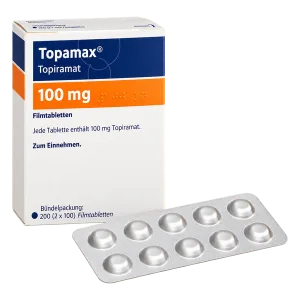
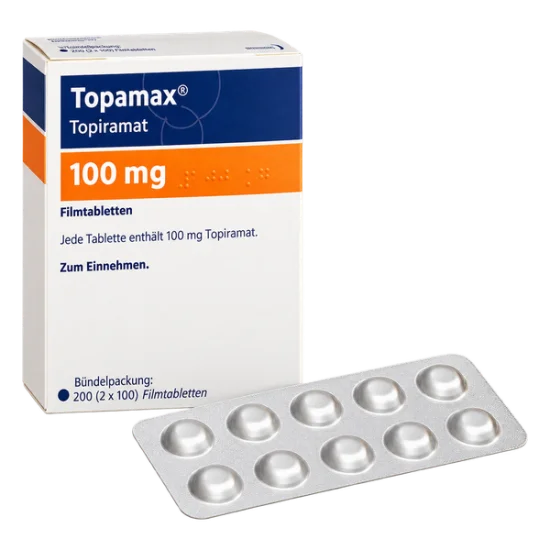
Topamax contains topiramate and is supplied as tablets taken by mouth for epilepsy management and migraine prevention. The regimen for the chosen strength should be confirmed with a healthcare professional before starting.

Overview

Topamax contains topiramate, an anticonvulsant used in epilepsy management and migraine prophylaxis. The product is supplied as tablets taken orally, and the regimen for the chosen strength should be confirmed with a healthcare professional before starting.

Dosage and administration

Topamax tablets are swallowed by mouth. The regimen for the chosen strength is confirmed with a healthcare professional before starting.

  • Take the prescribed dose at the scheduled time.
  • Swallow tablets whole with fluid.
  • Do not crush, chew, or split the tablet unless a prescriber specifically provides different instructions.
  • Take doses consistently, with or without food.
  • If a dose is missed, follow the prescribed missed-dose plan; do not double the next dose.
  • Do not stop treatment suddenly, especially when Topamax is being used for epilepsy.
  • Maintain regular fluid intake unless a clinician has prescribed fluid restriction.

Topiramate is commonly introduced gradually because rapid dose escalation increases dizziness, tingling, sleepiness, and cognitive symptoms. The final dose depends on the indication, age, kidney function, other anticonvulsants, and treatment response.

People with reduced kidney function may need a lower dose or slower titration. Topiramate is cleared largely through the kidneys, so renal impairment can increase exposure.

Adequate hydration helps reduce the chance of kidney stones, yet forcing excessive fluid can be unsuitable for people with heart or kidney conditions. The practical target should be individualized.

Avoid heavy alcohol use while taking topiramate. Alcohol can intensify drowsiness, dizziness, poor coordination, and impaired judgement, making ordinary activities such as driving less safe.

Pregnancy requires special planning. Treatment should be reviewed before conception, but seizure medicine must not be stopped abruptly.

Formulation

Topiramate is Topamax's active ingredient. A generic topiramate tablet uses the same active pharmaceutical substance and must meet applicable quality, strength, and bioequivalence requirements established by the relevant regulator.

Inactive ingredients can differ between manufacturers. Those differences may affect tablet colour, coating, shape, or tolerability in a person with a specific excipient sensitivity, while the antiseizure and migraine-prevention activity comes from topiramate.

Topamax should not be substituted, stopped, or switched between formulations without a planned discussion when seizure control is sensitive to changes. The prescriber may decide whether a consistent product is preferable for an individual patient.

How it affects the body

Topiramate acts at several points in the nervous system rather than through one single pathway. This multimodal activity helps reduce the likelihood that groups of neurons will fire excessively or synchronize abnormally.

Topiramate:

  • Blocks some voltage-gated sodium channels, limiting repeated nerve firing
  • Enhances the inhibitory effects of gamma-aminobutyric acid, or GABA
  • Reduces activity at AMPA and kainate glutamate receptors, which contribute to excitatory signalling
  • Produces weak inhibition of carbonic anhydrase enzymes

In plain language, topiramate raises the threshold for uncontrolled neuronal activity. This is useful in epilepsy, where abnormal electrical discharges trigger seizures. The same stabilizing effect can reduce the biological processes associated with recurrent migraine attacks, although the precise mechanism of migraine prevention is not fully established.

The carbonic anhydrase effect also explains several practical safety issues. It can contribute to metabolic acidosis, reduced sweating, heat intolerance, and kidney stone formation. These effects are pharmacological consequences, not signs that the medicine is damaging the brain.

Therapeutic indications

Topamax helps prevent migraine attacks; it is not used to stop an acute migraine once it has already started.

Approved therapeutic indications

Topamax may be prescribed for:

  • Focal-onset seizures, with or without secondary generalization
  • Generalized tonic-clonic seizures
  • Seizures associated with Lennox–Gastaut syndrome
  • Migraine prevention in appropriate patients
  • Monotherapy or add-on treatment, depending on the seizure diagnosis and clinical plan

Topiramate does not replace emergency treatment for prolonged seizures.

Common mistakes

Several avoidable errors can reduce benefit or increase harm:

  • Stopping Topamax abruptly after seizures become less frequent
  • Increasing the dose faster than prescribed because migraine relief has not appeared immediately
  • Crushing or chewing tablets
  • Drinking too little during hot weather, exercise, vomiting, or diarrhoea
  • Treating new eye pain or sudden blurred vision as an ordinary headache
  • Ignoring marked cognitive slowing, mood change, or suicidal thoughts
  • Assuming oral contraception is unaffected at every topiramate dose
  • Combining topiramate with acetazolamide or zonisamide without reviewing kidney-stone and acidosis risks
  • Failing to mention a ketogenic diet or previous kidney stones
  • Using topiramate as an acute painkiller during a migraine attack
If a dose is missed, do not compensate with two tablets unless the prescribed plan specifically says so. Extra topiramate can worsen dizziness, confusion, and coordination.

A subtle mistake is overlooking heat intolerance. Reduced sweating can be more concerning in children, during summer travel, or during strenuous activity. Headache, weakness, nausea, confusion, and fever after heat exposure need prompt attention.

Reasons not to use it

Topamax is not for you if you have had a serious allergic reaction to topiramate or its ingredients.

Tell the prescriber about kidney stones, kidney disease, glaucoma, metabolic acidosis, or a ketogenic diet.

Topiramate exposure has been associated with fetal risks, including oral clefts and restricted fetal growth, and it may reduce the reliability of some hormonal contraceptives.

When this is not for you

Topamax is not for you if you have had a serious allergic reaction to topiramate or its ingredients; ask a clinician about alternatives. Tell the prescriber about kidney stones, kidney disease, glaucoma, metabolic acidosis, or a ketogenic diet. Pregnancy requires special planning.

Possible side effects

Side effects are more likely during dose increases and may lessen after the body adapts. Clinical trials and regulatory product information identify tingling, reduced appetite, weight loss, sleepiness, fatigue, dizziness, and memory or concentration problems among recognised reactions [2].

Common tolerability problems

Patients may experience:

  • Paresthesia, felt as tingling or pins and needles in the fingers, toes, face, or around the mouth
  • Cognitive slowing, such as difficulty finding words or processing information
  • Sleepiness, dizziness, fatigue, or reduced coordination
  • Reduced appetite and weight loss
  • Nausea, altered taste, or abdominal discomfort
  • Irritability, low mood, or changes in sleep
  • Blurred vision or difficulty focusing

Some patients informally call the cognitive effect “Dopamax.” The nickname reflects a real clinical complaint, but it does not describe every patient’s experience. Concentration problems become more noticeable when titration is rapid, sleep is poor, or another sedating medicine is also being used.

Topiramate can reduce appetite and body weight. That may be welcome for some patients, but unintended weight loss, poor nutrition, or a history of eating disorder requires careful monitoring.

Serious reactions requiring urgent assessment

Seek urgent medical attention for:

  • Sudden blurred vision, eye pain, halos around lights, or severe headache
  • Marked reduction in sweating with fever or overheating
  • Rapid breathing, unusual fatigue, confusion, or irregular heartbeat
  • Severe flank pain, blood in the urine, or difficulty passing urine
  • New suicidal thoughts, severe agitation, or major behavioural change
  • Facial swelling, breathing difficulty, blistering rash, or widespread skin peeling
  • Reduced vision or sudden loss of visual acuity

Acute myopia and secondary angle-closure glaucoma can develop rapidly. Visual symptoms should not be watched at home for several days.

Tingling often appears in the hands or feet after a dose increase. Report persistent or troublesome symptoms rather than stopping Topamax suddenly, because abrupt withdrawal can increase seizure risk.

Topiramate may reduce sweating, especially in children. Hot weather, vigorous exercise, fever, or dehydration can raise the risk of overheating. Children taking topiramate require extra attention to fluid intake and body temperature.

Comparison

The most suitable option depends on whether the main goal is seizure control, migraine prevention, or treatment of another neurological condition. Medicines with different mechanisms can have very different effects on weight, alertness, mood, pregnancy risk, and laboratory monitoring.

Treatment approach Main clinical role and trade-off
Topiramate Epilepsy treatment and migraine prevention; may cause tingling, cognitive slowing, reduced appetite, kidney stones, or metabolic acidosis
Lamotrigine Used for selected seizure disorders and mood-related indications; requires slow escalation because serious skin reactions are possible
Valproic acid or divalproex Broad antiseizure activity and migraine prevention in selected patients; weight gain, tremor, liver toxicity, and pregnancy risks limit suitability
Carbamazepine Useful for several focal seizure disorders and some neuralgic pain conditions; drug interactions and low sodium can be clinically relevant
Amitriptyline Migraine prevention and some chronic pain settings; sedation, dry mouth, constipation, and weight gain are common limitations
Triptans such as sumatriptan Acute migraine treatment, not routine migraine prevention; cardiovascular precautions apply
Gabapentin Used for selected seizure and neuropathic pain indications; sedation and dizziness may limit use

Topiramate may appeal when weight gain is a concern, since reduced appetite and weight loss can occur. Its limitation is a higher likelihood of tingling and cognitive symptoms than some alternatives. Valproic acid may provide broad seizure coverage but carries a major pregnancy-related safety concern. Lamotrigine can be useful when cognitive effects are a priority, though its slow titration and rash risk require careful management.

Acetazolamide and zonisamide share carbonic anhydrase-related effects with topiramate. Combining them can increase the risk of metabolic problems and kidney stones. A triptan such as sumatriptan or rizatriptan has a different purpose: it treats an acute migraine rather than reducing the number of future attacks.

What doctors say

In clinical practice, prescribers usually judge Topamax by seizure control, migraine-day reduction, daily functioning, and tolerability together. A lower number of attacks is valuable only if cognitive slowing, fatigue, or mood symptoms remain manageable.

Doctors often increase topiramate gradually. Patients who report word-finding difficulty, poor concentration, or persistent tingling may need a slower titration or a treatment review rather than simply pushing toward a higher dose.

Monitoring is guided by the patient’s risks. Kidney disease, recurrent stones, glaucoma, a ketogenic diet, pregnancy potential, and concurrent valproic acid change the safety discussion. Health Canada product information also highlights the need to consider metabolic acidosis, ocular reactions, cognitive effects, and fetal risk [1].

Topiramate works as preventive therapy, so judging it after one or two doses gives little information about migraine benefit. Seizure treatment also requires continuity; missed doses can undermine control even when the medicine had previously worked well.

Comparison

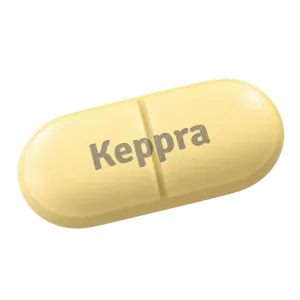
Keppra

Active ingredient: Levetiracetam
250mg 500mg
From $ 207.48
pills
4 (4)

Mysoline

Active ingredient: Primidone
250mg
From $ 163.80
tablets
3.8 (3)

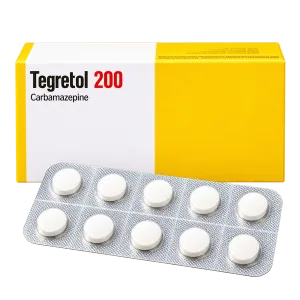
Tegretol

Active ingredient: Carbamazepine
100mg 200mg 400mg
From $ 57.72
pills
3.7 (3)

Topamax Current

Active ingredient: Topiramate
100mg 200mg 25mg 50mg
From $ 156.00
pills
3.8 (4)

Comparison table: Epilepsy

Common questions

Can Topamax tablets be split, crushed, or chewed?

Topamax tablets should generally be swallowed whole with fluid rather than crushed or chewed. Altering a tablet can make administration unpleasant and may affect how the formulation is used. The FDA prescribing information describes oral administration and provides formulation-specific handling instructions [3]. A pharmacist or prescriber should confirm the correct approach if swallowing is difficult. The FDA prescribing information cited here is from 2018.

What should be discussed with a doctor before starting Topamax?

Tell the prescriber about kidney disease, kidney stones, glaucoma, metabolic acidosis, depression, suicidal thoughts, pregnancy, breastfeeding, and a ketogenic diet. Provide a complete list of medicines, including valproic acid, divalproex, acetazolamide, zonisamide, hormonal contraceptives, sedatives, and alcohol use. Health Canada safety information supports reviewing these factors before treatment begins. Pregnancy planning deserves early attention because topiramate is associated with fetal risks. The Health Canada product monograph cited here is from 2020.

How long does one dose of Topamax keep working?

Topiramate has a half-life of roughly one day in adults with normal kidney function, so regular dosing maintains steadier exposure than occasional use. The clinical effect depends on the indication, dose, kidney function, and other medicines. Migraine prevention develops over repeated treatment rather than after one tablet. The EMA product information describes pharmacokinetic factors that can extend exposure when renal clearance is reduced [4]. The EMA product information cited here is from 2023.

Which symptoms require stopping Topamax and seeking urgent medical care?

Sudden blurred vision, eye pain, halos around lights, severe confusion, breathing difficulty, facial swelling, or a widespread blistering rash require urgent medical assessment. Rapid breathing, severe weakness, fever with reduced sweating, or altered consciousness may signal metabolic or heat-related complications. New suicidal thoughts also require immediate support. Do not independently stop long-term seizure treatment unless emergency clinicians direct you to do so, because abrupt withdrawal can provoke seizures. The FDA prescribing information from 2018 also directs urgent evaluation of serious reactions.

Is Topamax suitable for older adults?

Older adults may use topiramate when the expected benefit outweighs the risks, but kidney function and concurrent medicines need careful review. Age-related reduction in renal clearance can increase exposure and prolong dizziness, sedation, or cognitive symptoms. Falls, reduced appetite, weight loss, and confusion deserve attention. A slower titration and lower maintenance dose may be appropriate for some older patients, based on clinical assessment. Health Canada product information from 2020 supports reviewing renal function and tolerability in this group.

Do you offer anonymous delivery?

Your order will be securely packed and shipped within 24 hours. This is exactly what your package will look like (images of an actual item sent). It has the size and look of a regular private letter (24x11x0.7 cm) and its contents cannot be seen.

Customer Feedback on Topamax

3.8
Based on 4 reviews
David M., 45 Thunder Bay A couple of weeks
Verified
Rating: 3.5 out of 5

The first couple of weeks brought tingling in my fingers and some trouble finding words. After a gradual increase, my migraine days dropped, and the concentration problem became easier to manage.

Nov 19, 2026
Neil, 64 Barrie Several months
Verified
Rating: 3.5 out of 5

Seizure control improved over several months, but I felt unsteady in the mornings at first. Taking the tablet at the agreed time and keeping fluids nearby helped, although the dose still needed review.

Oct 31, 2026
Colin, 34 Saskatoon Several weeks
Verified
Rating: 4 out of 5

I noticed less appetite and lost weight, which was not entirely welcome. The headaches were less frequent, but I stopped ignoring the tingling once it became constant and discussed it with my prescriber.

Nov 12, 2026
Robert, 26 Vancouver One week
Verified
Rating: 4 out of 5

The medicine made me sleepy and slowed my thinking during the first week. It was not suitable for driving or late-night studying then, but the symptoms eased after the dose was adjusted.

Oct 24, 2026

Sources

  1. Health Canada (2020). Topamax (topiramate) Product Monograph.
  2. U.S. Food and Drug Administration (2018). Topamax (topiramate) Prescribing Information.
  3. U.S. Food and Drug Administration (2024). Medication Guide: Topamax (topiramate) Tablets.
  4. European Medicines Agency (2023). Summary of Product Characteristics (SmPC) — topiramate.
Get our free app Shop faster and track your orders 3.9 · 525 reviews Install