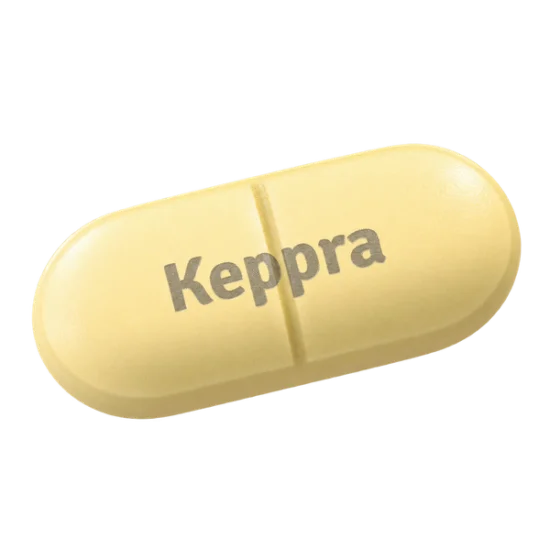
Vancouver, I had been prescribed Keppra tablets after several focal seizures. During the first week of taking the prescribed dose, I felt sleepy in the afternoons, but that eased after about two weeks. My partner noticed irritability before I did, so the neurologist adjusted the plan.
Keppra tablets are taken by mouth, with or without food, for seizure control in adults and children when prescribed. The active ingredient, levetiracetam, helps reduce abnormal electrical activity linked to seizures.
Overview
The active ingredient, levetiracetam, is an anticonvulsant used for focal-onset seizures and selected generalized seizure disorders, including juvenile myoclonic epilepsy.
Dosage and administration
Keppra tablets are swallowed with water. They may be taken with food or on an empty stomach, but taking them in the same way each day can make the routine easier to maintain.
The exact regimen is individualized. It depends on the patient’s age, seizure type, kidney function, concurrent medicines, and response to treatment. A prescriber confirms the strength and schedule before starting.
Administration principles
- Take the prescribed tablet dose at the scheduled times.
- Swallow tablets with water unless the prescriber gives different instructions.
- Keep the dosing interval as even as possible.
- Do not crush or chew a modified-release tablet unless the product instructions specifically permit it.
- Do not double the next dose after a missed dose.
- Continue treatment for the prescribed duration, even if seizures have stopped.
Keppra is a prescription anticonvulsant. Children and adolescents require age-appropriate dosing and ongoing review. A child’s dose may change as body weight, kidney function, seizure control, or treatment goals change.
The product data identify Keppra as tablets. Oral solutions and extended-release levetiracetam are separate formulations with different handling requirements, so they should not be substituted without a prescriber’s instruction.
Formulation
Keppra contains levetiracetam, an anticonvulsant that acts in the central nervous system. It is supplied as tablets and is prescribed for epilepsy management when reducing seizure frequency is clinically appropriate.
How it affects the body
Levetiracetam differs from older sodium-channel-blocking anticonvulsants. Its main binding site is synaptic vesicle protein 2A, commonly called SV2A, a protein involved in the release of neurotransmitters from nerve cells.
By binding to SV2A, levetiracetam helps regulate communication between neurons that are firing excessively. This reduces the spread of abnormal electrical activity without broadly suppressing normal brain signalling. The mechanism is distinct from medicines that mainly block voltage-gated sodium channels or enhance gamma-aminobutyric acid activity [2].
The clinical result is a lower tendency for seizure activity to begin or spread.
Therapeutic indications
Health Canada recognizes levetiracetam as a treatment option for several seizure patterns, including focal-onset seizures and certain generalized seizures [1].
Levetiracetam may be used alone in selected patients or as adjunctive therapy alongside another antiseizure medicine. The choice depends on seizure type, age, kidney function, other medicines, pregnancy status, and previous treatment response.
Target epileptic conditions
Keppra may form part of treatment for:
- Focal-onset seizures, which begin in one area of the brain.
- Focal seizures that spread and become bilateral tonic-clonic seizures.
- Myoclonic seizures associated with juvenile myoclonic epilepsy.
- Primary generalized tonic-clonic seizures in appropriate patients.
- Seizure disorders requiring add-on therapy when one medicine does not provide adequate control.
Epilepsy is a neurological condition involving a recurring tendency to have unprovoked seizures. A seizure can affect movement, awareness, sensation, behaviour, or several of these functions at once. Keppra controls abnormal electrical activity; it does not remove the underlying cause of epilepsy.
The regimen for the selected strength should be confirmed with the prescribing clinician before treatment begins. Do not change from one levetiracetam product to another formulation without medical direction, since immediate-release and extended-release products follow different administration schedules.
Common mistakes
- Stopping Keppra after a seizure-free period without a tapering plan.
- Taking tablets only when the patient senses an aura.
- Doubling the next dose after forgetting one.
- Treating irritability as a temporary personality issue for months without reporting it.
- Driving before knowing whether dizziness or sleepiness occurs.
- Using alcohol or sedatives while severe drowsiness is already present.
- Failing to mention kidney disease, dialysis, pregnancy, or breastfeeding.
- Switching between tablet formulations without confirming the release type.
- Assuming that one missed dose is harmless in someone with a history of breakthrough seizures.
- Keeping an inconsistent schedule during travel, shift work, or overnight employment.
A missed dose should be handled according to the timing and the prescribed schedule. If the next dose is soon due, taking two doses together is usually inappropriate. The patient should obtain individualized instructions from the prescribing service rather than improvising.
Reasons not to use it
Kidney function matters because levetiracetam is cleared primarily through renal excretion. The dose may need reduction in renal impairment, and kidney function can change with age, dehydration, acute illness, or kidney disease. Health Canada product information recommends renal assessment when clinically appropriate, especially before long-term treatment or when the patient’s health status changes [4].
Pregnancy requires an individualized balance between seizure control and fetal exposure. Uncontrolled tonic-clonic seizures can also harm the pregnant patient and fetus. The treating clinician may review folate intake, seizure frequency, other anticonvulsants, and pregnancy monitoring.
Levetiracetam passes into breast milk. Breastfeeding decisions depend on the maternal regimen, infant age, feeding pattern, and signs such as unusual sleepiness or poor feeding.
When this is not for you
Keppra is not for you if
- You have had a serious allergic reaction to levetiracetam or a component of the tablets.
- You have severe kidney impairment without an individualized dose plan.
- You developed severe psychiatric symptoms during previous levetiracetam treatment.
- You are taking multiple medicines that cause marked sedation and have not received a coordinated treatment plan.
- You are pregnant, planning pregnancy, or breastfeeding without a clinician reviewing seizure control and fetal or infant considerations.
- You have a history of suicidal thoughts or severe depression that is not being monitored.
- You intend to stop antiseizure treatment abruptly.
Possible side effects
The most common unwanted effects involve the nervous system. Somnolence, headache, dizziness, fatigue, weakness, and coordination problems can appear after treatment begins or after a dose increase. Clinical information from the European Medicines Agency describes these effects alongside psychiatric and behavioural reactions reported with levetiracetam [3].
Common effects
Patients may experience:
- Sleepiness or reduced alertness.
- Headache or dizziness.
- Fatigue, weakness, or low energy.
- Irritability or nervousness.
- Reduced appetite.
- Nausea, abdominal discomfort, or diarrhoea.
- Insomnia or unusual dreams.
- Problems with balance or coordination.
Many patients tolerate levetiracetam without major difficulty. Early sleepiness may improve after the body adapts, while behavioural changes can persist and deserve prompt review.
Behavioural and psychiatric reactions
Levetiracetam can cause irritability, agitation, anger, anxiety, depression, emotional lability, or unusual hostility. Rarely, hallucinations, severe confusion, suicidal thoughts, or psychotic symptoms may occur. These symptoms may emerge after treatment starts or after a dose increase. The prescriber should assess their severity, timing, and effect on daily functioning. Immediate medical help is needed when there is danger to the patient or others.
A family member may notice a change before the patient does. New aggression, marked withdrawal, frightening thoughts, or a sudden change in personality should be reported promptly. Urgent medical help is needed for suicidal intent, severe confusion, hallucinations, facial swelling, breathing difficulty, or a serious skin reaction with blistering or peeling.
Driving, cycling in traffic, operating machinery, and working at height require extra caution until the individual response is clear. Alcohol can worsen dizziness, sleepiness, poor coordination, or impaired judgement.
Comparison
Keppra belongs to the levetiracetam class of anticonvulsants. Other antiseizure treatments use different mechanisms, and selection depends on the seizure pattern rather than on a simple ranking of one medicine over another.
| Treatment approach | Main pharmacological feature | Common clinical consideration |
|---|---|---|
| Levetiracetam | Binds synaptic vesicle protein SV2A | Few clinically significant hepatic enzyme effects; mood changes require monitoring |
| Sodium-channel modulation | Limits repeated neuronal firing | May suit some focal seizures but can have different interaction and tolerability concerns |
| GABA-enhancing therapy | Strengthens inhibitory brain signalling | Sedation, tolerance, and dependence concerns vary by medicine |
Levetiracetam is often considered when a relatively low interaction burden is useful. Its drawbacks include somnolence, irritability, agitation, and mood or behavioural symptoms in some patients. A different mechanism may be selected when these effects are troublesome, when a specific seizure syndrome responds better to another option, or when renal impairment requires a carefully adjusted plan.
What doctors say
In clinical practice, neurologists usually judge Keppra by seizure control, tolerability, adherence, and functional effects rather than by a single early response. A patient may need follow-up after initiation, after a dose change, and after any seizure recurrence.
A practical prescribing principle is simple: seizure type comes first. A medicine that suits focal-onset seizures may not be the best choice for every generalized epilepsy syndrome. The clinician also considers kidney function, pregnancy potential, mood history, occupational risks, and the patient’s ability to follow the schedule.
Physicians often ask relatives about irritability or personality changes because these effects may be underreported during a short appointment. The question is not merely whether seizures improved. Sleep, concentration, mood, balance, and daily independence also matter.
Patients switching from another anticonvulsant may receive overlapping treatment during a planned transition. That process should be gradual and supervised. A sudden self-directed switch can create gaps in seizure protection.
Common questions
How does Keppra differ from the closest alternative by mechanism?
Keppra contains levetiracetam, which binds to synaptic vesicle protein SV2A and regulates neurotransmitter release. Many alternative anticonvulsants act mainly through sodium-channel modulation or enhancement of inhibitory GABA signalling. The EMA’s product information reviewed in 2025 describes levetiracetam’s SV2A-related pharmacology and its clinical use in selected seizure disorders; U.S. Food and Drug Administration labeling and NICE guidance provide additional prescribing context. The most suitable option depends on seizure type, kidney function, pregnancy considerations, interactions, and tolerability.
Can children and teenagers under 18 use Keppra?
Keppra can be prescribed for children and adolescents when the seizure indication and age range are appropriate. The dose is adjusted according to age, body weight, kidney function, formulation, and clinical response. Health Canada guidance available in 2025 supports age-specific use while emphasizing monitoring for sleepiness, irritability, aggression, and mood changes. Parents should report a marked behavioural change rather than waiting for the next routine review.
How long does one Keppra dose keep working?
The duration of seizure protection depends on the formulation, dosing schedule, kidney function, and the individual’s drug clearance. Immediate-release tablets are commonly scheduled at regular intervals, while extended-release products follow a different regimen. EMA pharmacology information reviewed in 2025 describes levetiracetam’s renal elimination and supports individualized scheduling. A dose should not be repeated early because seizure symptoms or anxiety appear.
What should I do after missing a dose?
Take the missed dose when remembered unless the next scheduled dose is close. When the next dose is near, skip the forgotten dose and resume the usual schedule; do not take two doses together unless a prescriber specifically instructs this. The WHO epilepsy information reviewed in 2024 emphasizes continuity of antiseizure treatment because interruptions can precipitate seizures. A prolonged gap, repeated missed doses, or a seizure after missing treatment requires prompt medical guidance.
What should I do if the expected seizure control does not occur?
Do not increase the tablets independently. Record seizure timing, duration, triggers, missed doses, sleep loss, illness, alcohol exposure, and any new medicines, then provide that information to the neurologist. Health Canada clinical information reviewed in 2025 supports reassessment when seizures continue, since the diagnosis, formulation, adherence, dose, renal function, and combination treatment may all need review. Emergency help is required for a seizure lasting five minutes or longer, repeated seizures without recovery, serious injury, breathing difficulty, or a first suspected seizure.
Can Keppra cause irritability or other mood changes?
Yes. Irritability, agitation, aggression, anxiety, depression, and emotional changes are recognized reactions to levetiracetam. The EMA safety information reviewed in 2025 advises attention to psychiatric symptoms, especially after starting treatment or changing the dose. New suicidal thoughts, hallucinations, severe aggression, or rapid personality change require urgent medical assessment rather than routine follow-up.
Do you offer anonymous delivery?
Your order will be securely packed and shipped within 24 hours. This is exactly what your package will look like (images of an actual item sent). It has the size and look of a regular private letter (24x11x0.7 cm) and its contents cannot be seen.
Customer Feedback on Keppra
Fredericton, My seizures became less frequent after several months at the prescribed dose. I missed one evening dose during a hospital visit and did not take extra tablets the next morning; I contacted the clinic and followed their instructions. The routine worked better once I kept the tablets beside my morning medication.
Moncton, Keppra helped with seizure control at the prescribed dose, but the first month included headaches and a short temper. The mood change was more disruptive than the physical effects. A follow-up appointment helped decide whether the benefit justified continuing at the same regimen.
St. Catharines, I had taken the prescribed dose for several months and had fewer breakthrough episodes. Sleepiness made early driving difficult at first, so I changed my schedule and waited until my response was predictable. The treatment was useful, though it required attention to timing and mood.
Sources
- Health Canada (2025). Canadian product information for Keppra (levetiracetam).
- European Medicines Agency (2025). Keppra — Summary of Product Characteristics.
- European Medicines Agency (2025). Levetiracetam-containing medicinal products — safety information.
- Health Canada (2025). Levetiracetam — renal dosing and product monograph information.