Skip to content
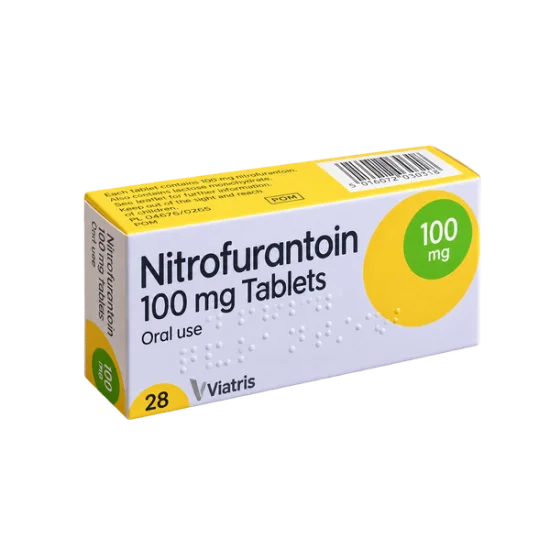
Nitrofurantoin
Active ingredient: Nitrofurantoin

Nitrofurantoin

Quality products
24/7 Support
Fast delivery
Delivery from 4 days
Select pack Package Per unit Price

Free delivery on orders from $ 312.00, free express delivery from $ 468.00

Secure Payments
Track your order
Best price guarantee

Urinary burning, urgency, and frequent small-volume urination can signal an uncomplicated lower urinary tract infection. Nitrofurantoin is an oral antibiotic for adults when susceptible bacteria are causing infection in the bladder, and its active substance reaches high concentrations in urine to act at the infection site.

Overview

Nitrofurantoin tablets are antibacterial pills for oral use. They are used for uncomplicated urinary tract infections, meaning infections limited to the lower urinary tract rather than infections involving the kidneys, bloodstream, prostate, or other tissues. Nitrofurantoin is also used in selected people for UTI prevention when recurrent infections have been assessed by a prescriber.

The medicine works best against bacteria commonly responsible for bladder infections, including many strains of Escherichia coli. It is not a general-purpose antibiotic for every bacterial illness.

The World Health Organization includes nitrofurantoin in its AWaRe antibiotic framework as an Access antibiotic, reflecting its useful role in common infections when used for the right indication [1].

Dosage and administration

This product is supplied as oral tablets. The prescribed regimen depends on the infection type, kidney function, treatment history, bacterial susceptibility, and whether Nitrofurantoin is being used for treatment or prevention. Dosing differs between strengths and between users, so there is no single amount that suits everyone.

Take the prescribed amount by mouth at evenly spaced times. Swallow the tablet with water and avoid stopping early merely because urinary discomfort has improved. Symptoms may ease before bacteria have been cleared.

  • Take doses with a meal or snack.
  • Keep the timing consistent from day to day.
  • Finish the prescribed course unless a prescriber changes the plan.
  • If a dose is missed, take it when remembered unless the next dose is due soon.
  • Do not double a dose to make up for one missed tablet.
  • Contact the prescribing clinician if vomiting prevents tablets from staying down.

Formulation

This product contains Nitrofurantoin as its active substance and is supplied as oral tablets. The pack identifies the medicine for oral use.

How it affects the body

After absorption, Nitrofurantoin is filtered and secreted into the urine. Bacterial enzymes activate the drug into reactive compounds that disrupt bacterial DNA, proteins, and other essential cellular processes. This multi-target action is why Nitrofurantoin remains useful for many uncomplicated urinary tract infections.

Its concentration in urine is a practical advantage. Blood and deep-tissue concentrations are lower, so Nitrofurantoin is not suitable for suspected pyelonephritis, kidney infection, or sepsis.

Therapeutic indications

Nitrofurantoin is also used in selected people for UTI prevention when recurrent infections have been assessed by a prescriber.

The medicine works best against bacteria commonly responsible for bladder infections, including many strains of Escherichia coli.

Common mistakes

  • Stopping after one or two improved days: symptoms may settle before bacterial clearance.
  • Using it for fever or flank pain: these symptoms can indicate kidney involvement rather than a simple bladder infection.
  • Taking doses on an empty stomach: this may worsen nausea and reduce absorption.
  • Doubling up after a missed dose: extra doses increase adverse-effect risk without reliably correcting the missed interval.
  • Ignoring reduced kidney function: the medicine depends on renal excretion to reach therapeutic urine levels.
  • Assuming every recurrence is identical: recurrent symptoms deserve reassessment, especially after a recent antibiotic course.

One detail patients often miss is the difference between temporary urine darkening and a serious warning sign. Nitrofurantoin itself can darken urine, while dark urine combined with jaundice, pale stools, or severe fatigue needs urgent attention.

Reasons not to use it

  • Previous nitrofurantoin-related lung, liver, nerve, or blood reaction.
  • Significant renal impairment, anuria, or oliguria.
  • Glucose-6-phosphate dehydrogenase deficiency, which can raise the risk of haemolytic anaemia.
  • Late pregnancy close to delivery, or in newborn infants, because of a risk of red-blood-cell breakdown.
  • Suspected kidney infection, marked fever, flank pain, or systemic illness.
  • Known allergy to nitrofurantoin or tablet ingredients.

The Canadian product information for nitrofurantoin identifies nausea, headache, appetite changes, and urine discolouration among reported effects, while also warning about pulmonary, hepatic, neurological, and haematological reactions [2].

When this is not for you

Nitrofurantoin is not for you if you have had an allergic reaction to nitrofurantoin, such as hives, facial swelling, wheezing, or a serious skin reaction. It should also be avoided when kidney function is significantly reduced because enough medicine may not reach the urine and unwanted blood levels can rise.

New tingling, numbness, burning pain in the hands or feet, yellowing of the eyes, or unexplained breathlessness are not symptoms to wait out. Stop further doses and seek urgent clinical advice.

Possible side effects

Most people who take a short course tolerate Nitrofurantoin reasonably well. Digestive effects are the most frequent issue. Nausea, reduced appetite, abdominal discomfort, vomiting, headache, and loose stools can occur, especially when tablets are taken without food. Taking doses with food may improve tolerability. Contact a clinician if symptoms are severe or persistent.

Taking Nitrofurantoin after a meal often makes a real difference. Small, bland meals can be easier during the first days of treatment. Persistent vomiting is different from mild nausea because it can prevent the antibiotic from being absorbed.

Less common but serious reactions need prompt action:

  • Breathing difficulty, persistent cough, fever, or chest discomfort.
  • Yellow skin or eyes, dark urine with pale stools, or severe fatigue.
  • Severe diarrhoea that is persistent or bloody.
  • Numbness, weakness, tingling, or burning sensations.
  • Widespread rash, blistering, mouth sores, facial swelling, or wheezing.
  • Severe fatigue, pallor, or unexplained bruising.
Do not use an over-the-counter urine alkalinizer to ease burning unless the prescriber confirms it is suitable with Nitrofurantoin. It can work against the antibiotic’s urinary activity.

Comparison

Nitrofurantoin is often selected for uncomplicated bladder infection because its activity is concentrated in urine and it has less effect on bowel bacteria than broad-spectrum antibiotics that circulate widely through the body. Its limitation is equally clear: it does not provide dependable kidney-tissue or prostate-tissue coverage.

Antibiotic approach Main role Limitation
Nitrofurantoin Lower uncomplicated UTI caused by susceptible bacteria Not suitable for kidney infection or systemic infection
Fosfomycin Selected uncomplicated lower UTIs Susceptibility and local treatment protocols vary
Fluoroquinolone antibiotics Some complicated or tissue-invasive infections Greater collateral effects and resistance-selection concerns

Clinical guidance from the European Medicines Agency has restricted fluoroquinolone use because of potentially long-lasting musculoskeletal and neurological adverse effects. For an uncomplicated lower UTI, that risk profile is one reason clinicians often reserve fluoroquinolones when narrower options are suitable [3].

A 2018 randomized trial in JAMA found that a five-day Nitrofurantoin regimen produced better clinical resolution than single-dose fosfomycin for women with uncomplicated UTI. Individual treatment choice still depends on culture results, allergies, kidney function, and local resistance patterns [4].

What doctors say

In primary care and urology practice, Nitrofurantoin is valued for a straightforward reason: it is focused on uncomplicated bladder infection rather than broad coverage throughout the body. That focus can reduce unnecessary disruption of normal gut bacteria compared with broader agents.

Clinicians also look for the details that alter the choice. Recurrent infections, fever, male urinary symptoms, pregnancy, urinary catheter use, visible blood in urine, kidney disease, and recent antibiotic exposure can all change the plan. A urine culture may identify whether the bacteria are susceptible before repeated courses are considered.

Long-term prevention is not automatic. Doctors usually look first for infection frequency, culture results, kidney function, and alternative causes of urinary symptoms. The UK National Institute for Health and Care Excellence advises reassessment of recurrent UTI prevention strategies, including antibiotic prophylaxis, because benefit must be weighed against adverse effects and resistance [5].

Comparison

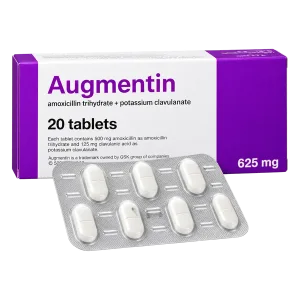
Augmentin

Active ingredient: Amoxicillin, Clavulanic acid
1000mg 375mg 625mg
From $ 166.92
pills
4.3 (5)

Bactrim

Active ingredient: Sulfamethoxazole, Trimethoprim
480mg 960mg
From $ 145.08
pills
4.3 (4)

Chloramphenicol

Active ingredient: Chloramphenicol
500mg
From $ 301.08
pills
3.9 (4)

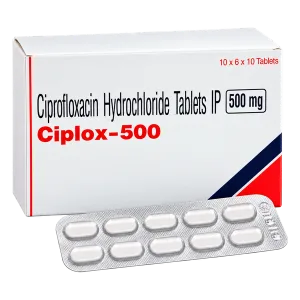
Ciplox

Active ingredient: Ciprofloxacin
500mg 250mg
From $ 124.80
pills
3.5 (5)

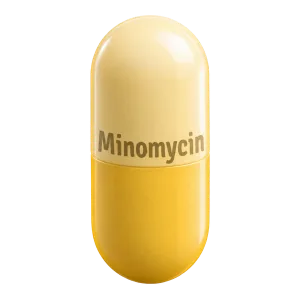
Minomycin

Active ingredient: Minocycline
100mg 50mg
From $ 201.24
pills
4.1 (5)

Comparison table: Antibiotics

Common questions

How long does a Nitrofurantoin course last, and is long-term use acceptable?

Course length is set by the infection type and the prescriber’s treatment plan. A short course is common for uncomplicated bladder infection, while preventive use may involve a different schedule and regular review. Long-term use can be appropriate for selected recurrent UTI cases, yet lung, liver, nerve, and blood risks make monitoring more relevant over time. NICE guidance published in 2018 supports periodic reassessment of antibiotic prophylaxis for recurrent UTI rather than leaving preventive treatment unchanged indefinitely .

Can Nitrofurantoin be combined with gout medicines such as probenecid?

Probenecid and sulfinpyrazone can reduce Nitrofurantoin secretion into the urine. This may lower the antibiotic level at the infection site while increasing levels in the bloodstream, which is not a useful trade-off. A prescriber may choose a different antibiotic or adjust the wider medication plan. Health Canada (2022) product information identifies this interaction as clinically relevant .

What should be discussed with a doctor before starting Nitrofurantoin?

Discuss allergy history, kidney disease, glucose-6-phosphate dehydrogenase deficiency, liver disease, lung disease, pregnancy status, and prior reactions to this antibiotic. Mention fever, flank pain, nausea, vomiting, urinary catheter use, recurrent infections, and any recent antibiotic treatment. These details help distinguish a lower UTI from a kidney infection or a more complicated infection. WHO antimicrobial stewardship guidance, updated in 2023, supports matching an antibiotic to the infection site and likely organism rather than using broad treatment by default .

How soon does Nitrofurantoin start to relieve symptoms?

Some people notice less burning or urgency within the first few days, though the time varies with bacterial susceptibility and the severity of inflammation. Symptom improvement is not proof that the infection has fully cleared, so the prescribed course still matters. Worsening pain, fever, vomiting, flank pain, or no meaningful improvement requires reassessment rather than extra tablets. The 2018 JAMA trial of uncomplicated UTI treatment assessed clinical resolution after completion of therapy, not after the first few doses .

Can Nitrofurantoin affect driving, concentration, or machinery use?

Nitrofurantoin does not usually cause sedation, but headache, dizziness, nausea, or weakness can affect concentration in some people. Avoid driving or operating machinery if you feel dizzy, unwell, or less alert after a dose. Urinary infection symptoms themselves can also disturb sleep and concentration. The European Medicines Agency’s 2019 medicine-safety materials advise considering individual effects on alertness when using any treatment that causes dizziness or fatigue.

What should happen if Nitrofurantoin does not produce the expected result?

Persistent symptoms may mean the bacteria are resistant, the infection is not confined to the bladder, or another condition is causing the discomfort. Contact the prescriber promptly if symptoms are unchanged, return soon after treatment, or are accompanied by fever, back pain, vomiting, or visible blood in urine. A urine culture and susceptibility test may guide a better-targeted antibiotic choice. Health Canada’s 2022 antimicrobial stewardship resources emphasize culture-guided treatment when infection does not respond as expected.

Do you offer anonymous delivery?

Your order will be securely packed and shipped within 24 hours. This is exactly what your package will look like (images of an actual item sent). It has the size and look of a regular private letter (24x11x0.7 cm) and its contents cannot be seen.

Customer Feedback on Nitrofurantoin

3.8
Based on 5 reviews
Ruth, 29 Calgary Five days
Verified
Rating: 4.5 out of 5

The urgency settled after the second day, and I was able to sleep through the night again. I felt mildly nauseated after the first tablet, then started taking it after breakfast and supper, which helped.

Nov 12, 2026
Lucy, 47 Hamilton Five days
Verified
Rating: 5 out of 5

I had improvement within a couple of days and finished the prescribed course. The brownish urine surprised me at first, but the clinic had explained that it could happen.

Oct 14, 2026
Rebecca, 66 Victoria Five days
Verified
Rating: 3.5 out of 5

The tablets were easy enough to take with food. I had a headache and less appetite for two days, but the bladder pain and constant trips to the bathroom were gone by the end of treatment.

Oct 23, 2026
Louise A., 49 Guelph Five days
Verified
Rating: 3.5 out of 5

It helped the burning, but nausea was annoying when I took it with only coffee. Taking it after a proper meal made the rest of the course much easier.

Nov 3, 2026
Megan, 34 Sherbrooke Five days
Verified
Rating: 2.5 out of 5

My symptoms did not improve after two days and I developed back pain with a fever. I was reassessed and needed a different treatment because it was not a simple bladder infection.

Oct 15, 2026

Sources

  1. World Health Organization (2022). The WHO AWaRe (Access, Watch, Reserve) antibiotic book.
  2. Health Canada (2022). Product Monograph: Nitrofurantoin.
  3. European Medicines Agency (2019). Disabling and potentially permanent side effects lead to suspension or restrictions of quinolone and fluoroquinolone antibiotics.
  4. JAMA (2018). Effect of 5-Day Nitrofurantoin vs Single-Dose Fosfomycin on Clinical Resolution of Uncomplicated Lower Urinary Tract Infection in Women: A Randomized Clinical Trial.
  5. National Institute for Health and Care Excellence (2018). Urinary tract infection (recurrent): antimicrobial prescribing.
Get our free app Shop faster and track your orders 3.9 · 525 reviews Install