I used the capsules for a laboratory-confirmed infection. Nausea was strongest during the first few days, so I took the doses with the meal timing my prescriber gave me. The infection improved, but I needed follow-up blood work before treatment was considered finished.
Chloramphenicol
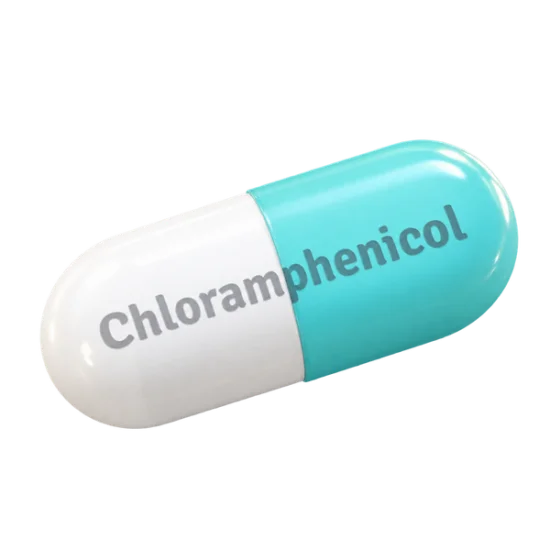
Chloramphenicol, the active ingredient of Chloramphenicol, is a broad-spectrum antibiotic supplied here as oral capsules. It is reserved for selected serious bacterial infections when the expected benefit outweighs its blood and bone-marrow risks.
Overview
Its antibacterial action stops susceptible organisms from producing essential proteins. The choice of treatment depends on the suspected organism and infection site.
Dosage and administration
The amount and frequency of Chloramphenicol depend on the infection being treated and are agreed with a doctor or pharmacist. A numeric regimen should not be selected from a general online description because oral chloramphenicol dosing varies with age, body weight, organ function, infection severity, and clinical setting. The British National Formulary (BNF) also describes dose selection as dependent on these clinical factors.
Use the capsules according to the prescribed schedule:
- Swallow each capsule by mouth with water.
- Take doses at the times specified by the prescriber.
- Continue for the prescribed duration unless the prescriber changes the plan.
- Do not double the next dose after a missed dose.
- If a missed dose is remembered near the next scheduled dose, follow the missed-dose instruction provided for the regimen.
- Do not share capsules with another person, even if symptoms appear similar.
An antibiotic course should not be shortened simply because fever or pain improves. Early symptom relief does not prove that the infection has cleared. Extending treatment without clinical direction also increases exposure without guaranteeing a better result.
Food instructions can vary with the specific regimen and clinical purpose. Use the eating instructions attached to the prescription rather than creating a new schedule independently. Alcohol does not treat infection and can make nausea, dizziness, or poor concentration harder to assess.
Formulation
Chloramphenicol capsules contain chloramphenicol as the active ingredient. The available information does not specify the capsule excipients or their quantities.
How it affects the body
Chloramphenicol is an amphenicol antibiotic. It crosses bacterial cell membranes and binds reversibly to the 50S subunit of the bacterial ribosome. This blocks peptide-bond formation, an essential step in bacterial protein synthesis [2].
The result is usually bacteriostatic action, meaning that bacterial multiplication is restrained while the immune system contributes to clearance. At sufficient concentrations, or against highly susceptible organisms, chloramphenicol may produce bactericidal activity. The response depends on the organism, site of infection, drug concentration, and immune status.
Chloramphenicol does not work by damaging human cells in the same way it disrupts bacterial protein production. Human mitochondria have ribosomes with some bacterial characteristics, which helps explain why prolonged or high systemic exposure can affect blood-cell production.
Resistance may arise through several mechanisms. Bacteria can produce enzymes that inactivate chloramphenicol, reduce intracellular accumulation, or alter the antibiotic target. A culture and susceptibility test can help determine whether the organism is likely to respond.
Chloramphenicol has useful penetration into selected tissues, including the central nervous system. That property contributed to its historical role in severe infections such as bacterial meningitis. Its serious toxicity profile means that modern prescribing uses a more selective risk–benefit assessment.
Therapeutic indications
Chloramphenicol has activity against several Gram-positive and Gram-negative bacteria, as well as some anaerobic organisms. Oral treatment requires a defined bacterial indication, medical supervision, and attention to blood-related toxicity. The World Health Organization describes chloramphenicol as a clinically useful antibiotic whose role is limited by potentially serious adverse effects [1].
Therapeutic role of oral capsules
The capsule route delivers chloramphenicol systemically rather than to one local surface. A prescriber may consider it when:
- A serious bacterial infection is caused by an organism susceptible to chloramphenicol.
- Alternative antibiotics are unsuitable because of resistance, allergy, intolerance, or clinical circumstances.
- The infection requires treatment throughout the body.
- Laboratory testing supports susceptibility to chloramphenicol.
- Blood-count monitoring can be arranged during treatment.
Chloramphenicol is not a routine choice for uncomplicated infections. It has a narrow safety margin in some clinical situations, so the diagnosis, bacterial susceptibility, treatment duration, kidney and liver function, and blood counts all influence prescribing.
The absence of fever does not prove that an infection is viral, and the presence of fever does not identify a particular bacterium. Clinical examination and, for serious infections, microbiological testing guide the decision.
Common mistakes
Several practical errors can reduce the benefit of treatment or increase risk:
- Taking capsules for a cold, influenza, or another likely viral illness.
- Stopping after early symptom improvement without medical direction.
- Repeating a missed dose by taking two capsules together.
- Continuing leftover capsules for a new illness.
- Forgetting to mention anticoagulants, seizure medicines, or medicines that affect blood counts.
- Ignoring unusual bruising, repeated fever, or mouth ulcers.
- Using someone else’s prescribed regimen.
- Assuming that a lower dose is automatically safer.
- Driving or operating machinery after dizziness or visual symptoms begin.
- Failing to report pregnancy, breastfeeding, liver disease, or a past blood disorder.
One easily missed issue is delayed toxicity. A person can feel well while blood-cell suppression is developing, so unexplained fever, sore throat, or bruising deserves attention even when the original infection has improved.
Another mistake is treating capsules as interchangeable with topical chloramphenicol preparations. The route changes systemic exposure, monitoring needs, and clinical indications.
Reasons not to use it
Chloramphenicol is not suitable for everyone. This treatment is not for you if:
- You have had a serious blood disorder or bone-marrow suppression linked to chloramphenicol.
- You have a known allergy to chloramphenicol or a capsule ingredient.
- You have unexplained low blood-cell counts.
- You are taking medicines with significant bone-marrow toxicity unless a specialist has assessed the combination.
- You have severe liver impairment that could reduce clearance.
- You are receiving treatment that may increase chloramphenicol concentrations or toxicity.
- A bacterial infection has not been established when antibacterial treatment is unnecessary.
When this is not for you
Newborns and very young infants require special caution because immature liver metabolism can allow chloramphenicol to accumulate. This accumulation may cause circulatory collapse, a reaction historically called grey baby syndrome. Pregnancy and breastfeeding also require an individual assessment because chloramphenicol crosses biological barriers and can expose the infant.
Potential interactions include medicines affected by hepatic enzyme inhibition, anticoagulants, some antiepileptic medicines, and other agents that suppress bone marrow. Chloramphenicol can alter the response to some medicines even when the antibiotic is taken for a limited period. A complete medication list should include prescription medicines, over-the-counter products, herbal preparations, and recent antibiotics.
A prescriber may request a baseline or follow-up complete blood count. Monitoring becomes more significant when treatment is prolonged, the patient has liver disease, or another medicine can affect blood-cell production.
Possible side effects
Short-term reactions may include nausea, vomiting, diarrhoea, abdominal discomfort, headache, dizziness, or skin rash. Some people tolerate chloramphenicol without significant symptoms, while others experience gastrointestinal or neurological effects early in treatment.
The serious concern is bone-marrow toxicity. Chloramphenicol can cause reversible suppression of blood-cell production during treatment and, rarely, delayed aplastic anaemia after exposure. Aplastic anaemia is a dangerous failure of the bone marrow to produce enough red cells, white cells, and platelets. Health Canada safety information treats blood-related effects as a major reason for careful prescribing and monitoring [3].
Seek urgent medical attention for:
- Unusual bruising or bleeding.
- Persistent fever or repeated infections.
- Severe sore throat, mouth ulcers, or marked weakness.
- Pale skin, shortness of breath, or rapid heartbeat.
- A widespread rash, facial swelling, or breathing difficulty.
- Severe watery or bloody diarrhoea.
- Confusion, severe headache, numbness, or new visual symptoms.
A mild stomach upset is different from signs of marrow suppression. Do not try to manage unexplained bruising, recurrent fever, or severe weakness by taking the next dose and waiting for improvement.
Some people may develop a Jarisch–Herxheimer-like reaction when certain infections respond rapidly, with transient fever or worsening symptoms. The clinical context determines whether this represents a treatment reaction, disease progression, or a new complication.
Chloramphenicol may also affect the nervous system. Headache, confusion, peripheral neuropathy, or visual changes require prompt medical assessment, especially during prolonged treatment or when organ function is impaired.

Comparison
As an oral capsule, Chloramphenicol provides systemic antibacterial treatment rather than acting only on one local surface. Its use is reserved for selected serious bacterial infections because blood and bone-marrow risks require medical supervision.
What doctors say
In clinical practice, doctors usually reserve systemic chloramphenicol for a defined bacterial infection with a clear treatment rationale. The central question is not whether the antibiotic has broad activity; it is whether its expected benefit is greater than its marrow, neurological, and interaction risks for that individual.
Microbiology results can change the plan. If a culture shows that a less toxic antibiotic is active, a clinician may switch treatment. If the organism is resistant to common options, chloramphenicol may remain useful when monitoring is feasible.
Prescribers also look beyond the infection itself. Liver function, previous blood disorders, current medicines, pregnancy status, age, and immune status can all affect the decision. A patient who feels better after two doses may still need the planned treatment duration, while a patient who worsens should not simply continue without reassessment.
The EMA has described chloramphenicol-related blood toxicity as a clinically significant risk that requires appropriate warnings and monitoring [4]. This is why the medicine is not suitable for casual use or for treating symptoms without a confirmed or strongly suspected bacterial cause.
Comparison
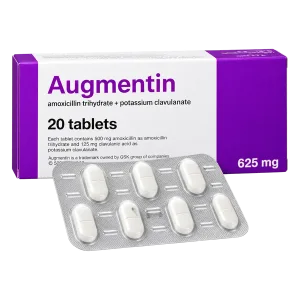
Augmentin
Bactrim
Chloramphenicol Current
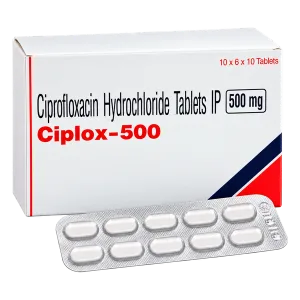
Ciplox
Common questions
Which condition rules out Chloramphenicol?
A previous chloramphenicol-related blood disorder or severe bone-marrow suppression rules out re-exposure unless a specialist determines otherwise. A known allergy to chloramphenicol or a capsule ingredient also excludes treatment. Health Canada guidance published in 2019 identifies serious haematological toxicity as a central prescribing concern, with monitoring decisions based on the clinical situation. A viral illness without evidence of bacterial infection is not an appropriate reason to start this antibiotic.
How long does one Chloramphenicol dose keep working?
The duration of antibacterial activity from one dose depends on absorption, distribution, liver metabolism, kidney function, the infecting organism, and the prescribed interval. A dose schedule is designed to maintain useful exposure without unnecessary accumulation. The 2017 World Health Organization (WHO) antibiotic information framework describes chloramphenicol pharmacology as dependent on systemic exposure and clinical context. Do not shorten or extend the interval because symptoms fluctuate.
Can people under 18 use Chloramphenicol?
Children and adolescents may require specialist assessment because age, weight, liver maturity, and blood-cell status affect risk. Newborns and young infants are especially vulnerable to accumulation and serious toxicity. The European Medicines Agency (EMA) product information from 2018 gives special attention to paediatric precautions for chloramphenicol. A child should receive this medicine only under a regimen selected for that child’s infection and clinical status.
Which diet, exercise, or habits help or hinder treatment?
No diet can replace antibacterial treatment or make chloramphenicol appropriate for a viral illness. Regular hydration and adequate food intake may help people manage nausea, while strenuous activity should be reduced if fever, dizziness, weakness, or shortness of breath is present. Alcohol can worsen nausea and make neurological symptoms harder to recognise. The World Health Organization (WHO) antimicrobial guidance published in 2017 supports using antibiotics only for an infection where antibacterial treatment is clinically justified.
Can alcohol be used during Chloramphenicol treatment?
Alcohol is best avoided during treatment because it may add to nausea, dizziness, poor concentration, or fatigue. The concern is also practical: alcohol can make it harder to recognise a developing adverse reaction or worsening infection. European Medicines Agency (EMA) safety information from 2018 describes neurological and gastrointestinal effects that may require clinical assessment. Do not use alcohol to compensate for a missed dose or to make the treatment easier to tolerate.
Do you offer anonymous delivery?
Your order will be securely packed and shipped within 24 hours. This is exactly what your package will look like (images of an actual item sent). It has the size and look of a regular private letter (24x11x0.7 cm) and its contents cannot be seen.
Customer Feedback on Chloramphenicol
The medicine helped, and the fever settled within several days. I missed one capsule during a night shift and nearly doubled the next dose. The clinic told me to follow the specific missed-dose plan instead, which avoided another mistake.
My symptoms improved, but I developed loose stools and a headache. The prescriber changed the treatment after reviewing the culture, so the capsules were not continued simply because they had started to work.
I had no major stomach problems, although fatigue worried me. Blood tests were arranged because of my age and other medicines. The monitoring made the treatment feel more controlled, but it was not something I would have taken without supervision.
Sources
- World Health Organization (2017). WHO Model List of Essential Medicines: 20th List
- National Center for Biotechnology Information (2023). Chloramphenicol — StatPearls
- Health Canada (2019). Chloramphenicol — Canadian Product Monograph
- European Medicines Agency (EMA) (2018). Summary of Product Characteristics (SmPC) — chloramphenicol