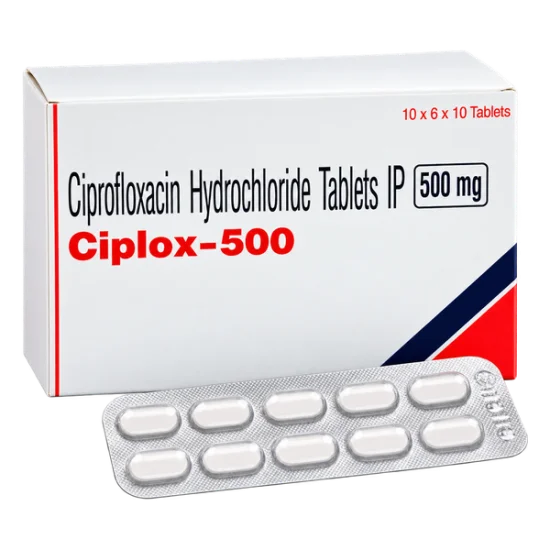
Michael, 35 - Winnipeg, took the prescribed tablet dosage for the prescribed duration for a bacterial infection. He noticed mild nausea on the first day and separated his mineral supplement from the antibiotic after receiving dosing advice. The infection improved, but he avoided exercise when ankle discomfort appeared and contacted his clinic.
Ciplox tablets are taken by mouth for selected bacterial infections, with the dose and frequency agreed with a doctor or pharmacist according to the infection being treated. They contain ciprofloxacin, a fluoroquinolone antibiotic that targets susceptible bacteria rather than viruses or fungi.
Overview
Ciplox does not treat colds, influenza, most viral sore throats, fungal infections, or every cause of redness, pain, discharge, or diarrhoea. Symptom relief alone does not prove that bacteria caused the illness. The treatment decision depends on the infection site, clinical findings, previous antibiotic exposure, kidney function, allergy history, and local resistance patterns.
Dosage and administration
For oral Ciplox:
- Take the prescribed tablet with water.
- Take doses at the agreed times and keep the schedule consistent.
- Separate ciprofloxacin from aluminium-, magnesium-, calcium-, or iron-containing antacids and mineral supplements according to the prescribed instructions.
- Swallow the tablet as directed rather than changing the form or timing yourself.
- Complete the prescribed course unless a clinician tells you to stop because of an adverse reaction.
- If a dose is missed, follow the missed-dose instructions provided for your prescription; do not double the next dose.
Dairy products and calcium-fortified drinks can affect absorption when taken at the same time as some ciprofloxacin preparations. The timing plan should be confirmed when the prescription is supplied.
Eye drop administration technique
For Ciplox 0.3% or Ciplox D drops, wash the hands before use. Tilt the head back, pull down the lower eyelid, and place the prescribed number of drops without touching the applicator tip to the eye, eyelashes, skin, or fingers.
If more than one ophthalmic medicine is prescribed, space the products by the interval provided by the prescriber or product information. Contact lenses may need to be removed during treatment because preservatives or the infection itself can irritate the eye.
Ear drop administration technique
Use the prescribed ear formulation only. Keep the bottle tip clean and avoid inserting it into the ear canal. A second person can help position the drops, especially when pain or reduced mobility makes self-administration difficult.
Age-specific directions and the number of drops depend on the diagnosis and formulation. Do not transfer the schedule for oral Ciplox tablets to ear or eye treatment.
Formulation
Ciplox contains ciprofloxacin hydrochloride in tablet form. How much to use and how often depends on the purpose of use and is agreed with a doctor or pharmacist. Ciprofloxacin belongs to the fluoroquinolone antibiotic class. It is used for selected bacterial infections when the suspected organism is susceptible and the expected benefits outweigh the risks.
Ciprofloxacin pharmacological action
Ciprofloxacin blocks bacterial enzymes called DNA gyrase and topoisomerase IV. These enzymes help bacteria copy and repair their genetic material. Blocking them prevents susceptible bacteria from multiplying and leads to bacterial cell death.
Fluoroquinolone means a group of antibiotics with this enzyme-targeting action. Laboratory susceptibility testing can show whether a particular bacterium is likely to respond. The site of infection also matters because an antibiotic must reach an adequate concentration in the affected tissue.
How it affects the body
Ciprofloxacin blocks bacterial enzymes called DNA gyrase and topoisomerase IV. These enzymes help bacteria copy and repair their genetic material. Blocking them prevents susceptible bacteria from multiplying and leads to bacterial cell death.
Fluoroquinolone means a group of antibiotics with this enzyme-targeting action. Laboratory susceptibility testing can show whether a particular bacterium is likely to respond.
Therapeutic indications
It is used for selected bacterial infections when the suspected organism is susceptible and the expected benefits outweigh the risks.
Ciprofloxacin is not a general-purpose antibiotic. Many infections are better treated with another class, and unnecessary fluoroquinolone exposure increases the risk of adverse effects and antibiotic resistance. WHO and NICE antimicrobial-stewardship guidance places strong emphasis on using antibiotics only when bacterial treatment is justified [1].
Common mistakes
Poor outcomes often result from administration errors rather than a failure of ciprofloxacin itself. Frequent mistakes include:
- Taking the tablet together with an iron, calcium, magnesium, zinc, or aluminium-containing product.
- Stopping treatment as soon as fever or pain improves without confirming the plan.
- Doubling a missed dose.
- Reusing tablets left from a previous infection.
- Applying eye drops with the tip touching the eyelashes or skin.
- Continuing drops beyond the recommended period.
- Keeping an opened bottle indefinitely.
- Assuming that a bitter taste means the eye drop was swallowed incorrectly.
- Driving after dizziness has started.
Check whether the relevant formulation requires room-temperature storage or refrigeration. Discard the bottle according to its product instructions rather than keeping it for a future episode.
Reasons not to use it
Ciplox tablets are not suitable for everyone. This medication is not for you if a previous fluoroquinolone caused a serious allergic reaction, severe tendon disorder, disabling nerve symptoms, or another severe reaction attributed to the class.
Before oral treatment, disclose:
- Pregnancy, planned pregnancy, or breastfeeding.
- Previous tendon problems or tendon rupture.
- Seizures, neuropathy, significant neurological illness, or severe mood reactions.
- Kidney disease or a history of major heart-rhythm disturbance.
- Aortic aneurysm or other significant vascular conditions.
- Current corticosteroid use.
- Medicines for heart rhythm, diabetes, seizures, depression, inflammation, or blood clotting.
- Antacids, iron, calcium, magnesium, zinc, and other mineral supplements.
Ciprofloxacin can interact with medicines that affect heart rhythm and with products that reduce gastrointestinal absorption. A prescriber may need to select another antibiotic or adjust monitoring.
When this is not for you
Ciplox is not for you if a fluoroquinolone previously caused you a serious allergic reaction, severe tendon problem, disabling nerve symptoms, or another severe reaction. Tell a clinician before treatment if you have tendon problems, seizures, neuropathy, kidney disease, major heart-rhythm problems, an aortic aneurysm, or are taking corticosteroids.
Possible side effects
Ciprofloxacin can cause dizziness, nausea, abdominal discomfort, diarrhoea, headache, or sleep disturbance. A side effect may be mild and temporary, yet symptoms that persist, intensify, or interfere with daily activities deserve medical review.
Dizziness can impair driving, cycling, operating machinery, or working at heights. Wait until you know how Ciplox affects you before undertaking activities that require reliable balance or concentration. Ciprofloxacin product information includes warnings about tendon, nerve, neurological, heart-rhythm, and severe allergic reactions [2].
Common ciprofloxacin effects
Diarrhoea can occur during antibiotic treatment. Frequent, watery, bloody, or persistent diarrhoea may indicate antibiotic-associated colitis and requires prompt assessment, including when it begins after the tablets have been stopped.
Stop and seek urgent medical advice if new tendon pain, swelling, stiffness, or weakness develops, especially in the ankle, calf, shoulder, or hand. The risk is higher in older adults, people taking corticosteroids, and some patients with kidney disease.
Local eye and ear drop effects
Topical Ciplox may cause temporary stinging, irritation, itching, blurred vision immediately after application, or a bitter taste after eye use. Do not drive until vision is clear.
Itching, facial swelling, widespread rash, wheezing, or difficulty breathing may indicate an allergy. Severe symptoms require emergency care.
Allergic and serious reactions
Stop Ciplox and obtain urgent medical advice for:
- Tendon pain, a snapping sensation, swelling, or difficulty walking.
- Numbness, burning, tingling, weakness, or altered sensation.
- Severe anxiety, confusion, agitation, hallucinations, or major mood changes.
- Fainting, a rapid or irregular heartbeat, or severe palpitations.
- Widespread rash, blistering, skin peeling, facial swelling, or breathing difficulty.
- Persistent watery or bloody diarrhoea.
- Severe abdominal pain or repeated vomiting.
These reactions are uncommon, but they can be medically serious. Health Canada safety information for fluoroquinolones supports prompt attention to disabling tendon, nerve, neurological, and cardiac symptoms [3].
Comparison
Treatment selection depends on the infection site, suspected organism, culture results, local resistance, allergy history, previous treatment, and kidney function. A different antibiotic may be chosen when ciprofloxacin is unsuitable or when laboratory results show poor susceptibility.
| Treatment category | Main target or route | Selection principle |
|---|---|---|
| Ciprofloxacin | Fluoroquinolone antibacterial | Used when the organism and infection site are suitable |
| Levofloxacin | Fluoroquinolone antibacterial | Selected for specific infections; it is not automatically safer or interchangeable |
| Clotrimazole-containing ear treatment | Antifungal topical treatment | Relevant when a fungal ear infection is diagnosed or strongly suspected |
Ceflox eye or ear drops may contain an antibacterial active ingredient, but the exact formulation must be verified before comparison. Brand names alone are not enough. Clotrimazole-containing Candid ear drops address fungal causes, not routine bacterial infection.
Do not replace Ciplox with levofloxacin, Ceflox, clotrimazole, or another product without a clinical reason. Persistent itching or discharge can arise from fungal disease, eczema, allergy, bacterial infection, or a foreign body.
What doctors say
In clinical practice, prescribers treat ciprofloxacin as a targeted antibiotic rather than a default option for every infection. The decision usually weighs the suspected bacteria, resistance risk, infection location, patient history, and the known fluoroquinolone safety profile.
A doctor will also distinguish oral Ciplox tablets from topical eye or ear formulations. The tablet produces systemic exposure, while drops are intended for local treatment. The formulations should not be swapped simply because they share the Ciplox name.
A practical clinical priority is early recognition of serious adverse effects. New tendon pain, neuropathic symptoms, severe diarrhoea, marked mood change, allergic swelling, fainting, or significant palpitations should prompt action rather than dose escalation.
Comparison
Augmentin
Bactrim
Chloramphenicol
Ciplox Current
Common questions
How soon might the effect of Ciplox become noticeable?
Some bacterial symptoms may begin improving after treatment starts, yet the timing depends on the infection, organism, tissue involved, and individual response. The EMA product information for ciprofloxacin from 2023 makes clear that clinical improvement does not make it appropriate to shorten treatment independently. Worsening symptoms, persistent fever, increasing pain, or new discharge require medical reassessment rather than extra tablets.
Can Ciplox be combined with antacids, minerals, or supplements?
Ciplox can interact with aluminium-, magnesium-, calcium-, iron-, or zinc-containing products by reducing ciprofloxacin absorption when taken too close together. WHO antibiotic guidance published in 2023 supports checking non-prescription products as carefully as prescription medicines because mineral supplements can alter antibiotic exposure. Use the separation schedule supplied for your prescription and disclose all supplements before treatment.
Does Ciplox cause dizziness?
Dizziness is a recognised possible adverse effect of systemic ciprofloxacin, and it can make driving or operating machinery unsafe. Canadian fluoroquinolone safety information from 2024 describes neurological effects that range from mild dizziness to more serious symptoms requiring prompt action. Stop hazardous activities if dizziness occurs, and obtain urgent advice for severe confusion, weakness, numbness, fainting, or major mood changes.
Which symptoms mean stopping Ciplox and seeking urgent medical help?
Urgent symptoms include tendon pain or swelling, numbness or burning, severe or persistent watery diarrhoea, fainting, major palpitations, breathing difficulty, facial swelling, blistering rash, or severe neurological or psychiatric changes. The FDA ciprofloxacin prescribing information from 2024 warns that some serious reactions require discontinuation and prompt medical evaluation. A clinician should also review worsening infection symptoms, reduced vision, severe eye pain, or marked swelling.
Do you offer anonymous delivery?
Your order will be securely packed and shipped within 24 hours. This is exactly what your package will look like (images of an actual item sent). It has the size and look of a regular private letter (24x11x0.7 cm) and its contents cannot be seen.
Ciplox formulations and variant uses
The Ciplox name may appear on different formulations with different routes and active ingredients. Oral Ciplox tablets should not be treated as interchangeable with eye or ear drops. The route, concentration, dosing schedule, age limits, and precautions can differ substantially.
| Formulation | Route and active ingredients | Clinical distinction |
|---|---|---|
| Ciplox tablets | Oral ciprofloxacin hydrochloride | Systemic treatment for selected susceptible bacterial infections |
Different formulations are not automatically substitutes. Eye drops should not be placed in the ear, and ear products should not be used in the eye unless the approved product instructions specifically permit that route.
A bitter taste can occur after eye application. Drops can drain through the tear duct into the throat, creating a taste even when the medicine was applied correctly. Gently closing the eye and pressing the inner corner near the nose for a short period may reduce drainage when this technique is permitted by the product instructions.
Tinidazole-containing treatment requires alcohol avoidance during treatment and for the alcohol-free interval specified by the approved product information. Alcohol can worsen nausea, flushing, abdominal discomfort, headache, and other reactions.
Ciplox D steroid precautions
Ciplox D contains ciprofloxacin and betamethasone sodium phosphate. Betamethasone is a corticosteroid that reduces inflammatory activity. Its benefit depends on a diagnosis where reducing inflammation is appropriate.
Betamethasone benefits and limitations
A corticosteroid can reduce redness, swelling, itching, and discomfort. It does not replace the antibacterial action of ciprofloxacin and should not be interpreted as proof that a stronger combination is needed.
Unsupervised or prolonged use may mask worsening infection. Repeated courses can expose the eye or ear to steroid treatment without confirming that the original diagnosis remains correct.
Glaucoma and pressure monitoring
Long-term self-medication with steroid-containing eye drops may raise intraocular pressure and contribute to glaucoma. Other complications can include delayed healing, worsening of certain infections, and lens changes.
Ongoing blurred vision, halos around lights, eye pain, or recurrent redness requires clinical assessment. Symptoms alone cannot diagnose glaucoma, and restarting Ciplox D without review can delay the correct treatment.
How soon might the effect of Ciplox become noticeable?
Some bacterial symptoms may begin improving after treatment starts, yet the timing depends on the infection, organism, tissue involved, and individual response. The EMA product information for ciprofloxacin from 2023 makes clear that clinical improvement does not make it appropriate to shorten treatment independently. Worsening symptoms, persistent fever, increasing pain, or new discharge require medical reassessment rather than extra tablets.
Customer Feedback on Ciplox
Lee, 54 - Charlottetown, used the prescribed Ciplox tablet dosage for the prescribed duration. Diarrhoea began near the end of treatment and continued after the last tablet, so he sought assessment rather than taking an over-the-counter antidiarrhoeal immediately. The extra review was inconvenient but helped rule out a more serious antibiotic-associated problem.
Stephen, 46 - Toronto, used the prescribed Ciplox 0.3% eye-drop dosage for the prescribed duration for a diagnosed bacterial eye condition. The drops caused a bitter taste and brief blurring after application. Pressing gently near the inner corner of the closed eye reduced the taste, although the redness took several days to settle.
James, 33 - Kitchener, reported dizziness after taking the prescribed oral dosage during the prescribed treatment duration and stopped driving until the symptom passed. He initially considered doubling a missed dose, then followed the missed-dose directions instead. His main frustration was needing to separate Ciplox from his usual mineral supplement.
Simon, 46 - Montreal, had previously restarted the prescribed Ciplox D dosage when eye redness returned, without following the prescribed duration. The clinician advised against repeating the steroid-containing drops without examination. The later assessment identified a cause that required different management, and the experience changed how he handled recurrent symptoms.
Sources
- World Health Organization (2023). The WHO AWaRe Antibiotic Book: Antibiotic Book.
- European Medicines Agency (2023). Ciprofloxacin-containing medicinal products: product information.
- Health Canada (2024). Canadian product monograph for ciprofloxacin hydrochloride tablets.