Skip to content
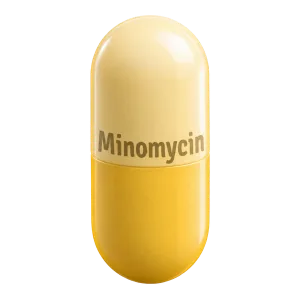
Minomycin
Active ingredient: Minocycline

Minomycin

Quality products
24/7 Support
Fast delivery
Delivery from 4 days
Select pack Package Per unit Price

Free delivery on orders from $ 312.00, free express delivery from $ 468.00

Secure Payments
Track your order
Best price guarantee

Minomycin is intended for people with susceptible bacterial infections or inflammatory acne. Minocycline stops bacteria from making proteins needed for growth and multiplication [1], helping control bacterial activity and inflammation.

Overview

Minomycin capsules are taken by mouth with water and contain minocycline, a tetracycline antibiotic. They are used for susceptible bacterial infections and inflammatory acne, where bacterial suppression can reduce swollen, tender lesions.

Dosage and administration

Swallow Minomycin capsules whole with plenty of water. Dosing differs between strengths and between users, so there is no single amount that suits everyone. The prescribed schedule depends on the condition, infection severity, kidney and liver health, age, and other medicines.

A missed capsule should be taken when remembered unless the next scheduled dose is close. Do not take an extra capsule to make up for a missed one. Doubling doses raises adverse-effect risk without improving treatment results.

  • Take each capsule at a consistent time of day.
  • Swallow the capsule whole; do not split, crush, or chew it.
  • Separate Minomycin from antacids and supplements containing calcium, magnesium, iron, zinc, or aluminium.
  • Avoid taking it immediately before lying down.
  • Continue for the prescribed duration unless the prescriber changes the plan.

Minerals can bind minocycline in the digestive tract and reduce the amount absorbed. Dairy foods may have a smaller effect than mineral antacids or high-dose supplements, yet spacing these products away from Minomycin remains a sensible routine.

Iron tablets, calcium supplements, magnesium products, and indigestion remedies are easy to overlook because they are not always thought of as medicines. Keep them separated from Minomycin by several hours.

Formulation

Minomycin contains minocycline, a broad-spectrum tetracycline antibiotic. Tetracyclines work against certain bacteria by binding to the bacterial 30S ribosomal subunit, which blocks protein production. Human cells use different ribosomes, creating the therapeutic target.

Active Ingredient Profile

Minocycline is a second-generation tetracycline with higher lipid solubility than older members of the class. This property helps it distribute into skin and sebaceous tissue, which explains its established role in inflammatory acne management. It also enters the central nervous system more readily than some alternatives, which may contribute to dizziness or a spinning sensation in susceptible people.

The antibiotic acts on bacteria, not viruses. It will not treat colds, influenza, or viral sore throats.

Take Minomycin with a full glass of water and remain upright for at least 30 minutes. This reduces the chance of the capsule lodging in the oesophagus and causing painful irritation.

Antibacterial Activity and Treatment Limits

Minocycline can suppress susceptible organisms, though local bacterial resistance patterns matter. Health Canada and the WHO both place antimicrobial stewardship at the centre of antibiotic care: antibiotics should be used for a clear bacterial indication and taken for the prescribed course, rather than saved for future symptoms [4].

A benefit of minocycline is its activity in inflammatory skin disease. Its limitation is that it can affect normal gut and skin bacteria too, causing digestive symptoms or yeast overgrowth in some people.

How it affects the body

Minocycline stops bacteria from making proteins needed for growth and multiplication [1]. Tetracyclines work against certain bacteria by binding to the bacterial 30S ribosomal subunit, which blocks protein production. Minocycline also reduces inflammation around the hair follicle, which is why it helps red, swollen lesions more than blackheads or closed comedones.

Therapeutic indications

Minomycin is prescribed when a clinician considers minocycline appropriate for the infection or inflammatory condition being treated. In dermatological practice, minocycline is often considered for moderate-to-severe inflammatory acne when topical treatment alone has not controlled papules, pustules, or painful nodules.

Acne treatment is not limited to killing bacteria. Minocycline also reduces inflammation around the hair follicle, which is why it helps red, swollen lesions more than blackheads or closed comedones.

Clinical use Typical treatment focus Therapeutic goal
Inflammatory acne Papules, pustules, deeper inflamed lesions Reduce inflammation and acne-causing bacterial activity
Susceptible bacterial infection Infection confirmed or strongly suspected to be bacterial Control bacterial growth and resolve infection
Rheumatoid arthritis adjunctive care Selected patients under rheumatology care Modest anti-inflammatory support, not first-line disease control

Dermatological Applications in Acne Treatment

Oral tetracyclines are used for acne when inflammation extends beyond a small area or when topical treatment has produced an incomplete response. Canadian acne care commonly combines an oral antibiotic with topical therapy rather than relying on an antibiotic alone, helping reduce bacterial resistance and address blocked pores at the same time [2].

Results in acne are gradual. Fewer new inflamed lesions may appear before existing deep spots fully settle, because a lesion already under the skin needs time to resolve.

A sudden increase in active acne after starting treatment does not always mean Minomycin has failed. Track new inflamed lesions over time instead of judging progress by one existing deep spot.

Rheumatoid Arthritis and Anti-inflammatory Activity

Minocycline has anti-inflammatory effects beyond its antibacterial action, including effects on inflammatory signalling and certain tissue-degrading enzymes. It has been studied as an adjunct in rheumatoid arthritis, mainly in earlier disease or selected treatment plans. Modern rheumatology usually relies on disease-modifying antirheumatic drugs with stronger evidence for preventing joint damage.

Minomycin should not be expected to replace established rheumatoid arthritis treatment. Persistent joint swelling, reduced grip strength, or morning stiffness lasting longer than an hour needs active medical assessment.

Common mistakes

  • Taking the capsule dry or just before bed, which raises the risk of oesophageal irritation.
  • Taking it together with an antacid, iron product, or mineral supplement.
  • Stopping as soon as acne begins to improve, then restarting later without clinical review.
  • Using it for viral respiratory symptoms.
  • Ignoring dizziness and continuing activities that require stable balance.
  • Combining it with isotretinoin without the prescriber knowing.
  • Assuming every darker patch of skin is harmless after long-term treatment.

Another common error is treating all acne lesions as the same. Minomycin can reduce inflammatory lesions, but it does not directly remove every blackhead or correct hormonal acne drivers.

Reasons not to use it

Minomycin is contraindicated in people with a serious allergy to minocycline, another tetracycline antibiotic, or any capsule ingredient; during pregnancy; and generally in children whose teeth are still developing unless a specialist determines that the benefit outweighs the risk.

Use needs careful medical review in people with liver disease, kidney impairment, systemic lupus erythematosus, swallowing problems, or a history of intracranial hypertension.

Important interactions include:

  • Antacids and mineral supplements: calcium, magnesium, aluminium, iron, and zinc can reduce absorption.
  • Warfarin and related anticoagulants: antibiotic treatment can alter anticoagulant response and may require closer monitoring.
  • Isotretinoin: combining it with a tetracycline can increase the risk of intracranial hypertension.
  • Penicillin antibiotics: these are not usually paired with minocycline because their antibacterial actions may conflict.
  • Hormonal contraception: vomiting or severe diarrhoea during antibiotic use can reduce oral contraceptive reliability.

When this is not for you

Minomycin is not for you if you have had a serious allergy to minocycline, another tetracycline antibiotic, or any capsule ingredient. It is also unsuitable during pregnancy because tetracyclines can affect fetal tooth and bone development. Children whose teeth are still developing generally should not receive minocycline unless a specialist determines that the benefit outweighs this risk.

Minocycline may worsen lupus-like symptoms in rare cases and may contribute to raised intracranial pressure. Taking leftover antibiotics or sharing capsules with another person undermines targeted antibiotic use and antimicrobial resistance goals [5].

Possible side effects

Most people tolerate minocycline without serious problems, though side effects can occur early or after prolonged use. Nausea, abdominal discomfort, loose stools, headache, fatigue, dizziness, and drowsiness are among the reported effects. Dizziness may feel like motion sickness or unsteadiness rather than ordinary tiredness.

The FDA prescribing information also describes less common reactions involving the liver, immune system, skin, blood cells, and nervous system . Severe reactions are uncommon, but they require prompt action.

Common Systemic Reactions

Digestive effects are more likely when capsules are taken with little water or close to bedtime. Headache and fatigue may appear in the first days of treatment. Constipation can occur, though diarrhoea and nausea are more typical antibiotic-related digestive complaints.

Stop taking Minomycin and seek urgent medical care for facial swelling, breathing difficulty, widespread blistering rash, severe watery or bloody diarrhoea, yellowing of the eyes, or a severe headache with visual disturbance. These symptoms can signal an allergic reaction, serious skin reaction, liver injury, antibiotic-associated colitis, or raised pressure inside the skull.

Pigmentation and Long-term Effects

Minocycline can cause blue-grey or brown discolouration of the skin, gums, teeth, nails, scars, or the whites of the eyes. This is more associated with prolonged exposure and cumulative use. The change may fade slowly after treatment ends, though some pigmentation can persist.

One detail that catches people off guard is pigmentation in old acne scars or around the gums. Report a new dark patch or colour change early, rather than waiting for the next routine appointment.

If dizziness develops, avoid driving, cycling in traffic, or working at heights until you know how Minomycin affects your balance and alertness.

Comparison

Comparison with Related Oral Antibiotics

Minocycline and doxycycline belong to the tetracycline class and share many precautions, including interactions with mineral supplements and avoidance during pregnancy. The choice often rests on the target condition, prior treatment response, adverse-effect profile, and individual clinical history.

Feature Minocycline Doxycycline
Drug class Tetracycline antibiotic Tetracycline antibiotic
Skin penetration High lipid solubility and good tissue distribution Good tissue distribution
Distinct practical concern Dizziness and pigmentation can occur Sun sensitivity and stomach upset are frequent concerns

Cochrane’s review of minocycline for acne found that it can improve inflammatory acne, while evidence did not show a clear advantage over other tetracyclines for routine use [3]. Minocycline may suit some people well, yet its pigmentation and vestibular effects mean it is not automatically the preferred tetracycline for every patient.

What doctors say

Clinicians usually set expectations according to the reason Minomycin was prescribed. For bacterial infection, the first measure is improvement in the actual infection signs: less fever, pain, redness, drainage, or tenderness. For acne, the useful measure is the trend in new inflammatory lesions over several weeks.

Dermatology prescribers also watch for the pattern of adverse effects. Mild nausea may settle with a better dosing routine. Persistent dizziness, darkened skin areas, joint pain, unexplained fever, or unusual fatigue deserves earlier review because these symptoms can change the treatment decision.

Comparison

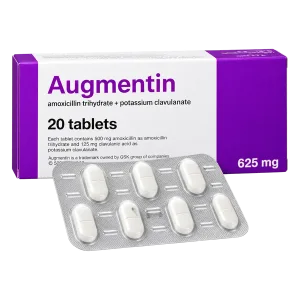
Augmentin

Active ingredient: Amoxicillin, Clavulanic acid
1000mg 375mg 625mg
From $ 166.92
pills
4.3 (5)

Bactrim

Active ingredient: Sulfamethoxazole, Trimethoprim
480mg 960mg
From $ 145.08
pills
4.3 (4)

Chloramphenicol

Active ingredient: Chloramphenicol
500mg
From $ 301.08
pills
3.9 (4)

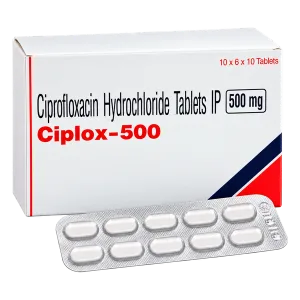
Ciplox

Active ingredient: Ciprofloxacin
500mg 250mg
From $ 124.80
pills
3.5 (5)

Minomycin Current

Active ingredient: Minocycline
100mg 50mg
From $ 201.24
pills
4.1 (5)

Comparison table: Antibiotics

Common questions

Can Minomycin capsules be split, crushed, or chewed?

No. Minomycin capsules should be swallowed whole with water because crushing or chewing can make the medicine unpleasant to take and may irritate the mouth or throat. The FDA minocycline prescribing information advises administration with adequate fluid to reduce oesophageal irritation. This guidance remains relevant in 2026 because the capsule needs to reach the stomach safely before dissolving.

Which condition rules out Minomycin use?

A previous serious allergic reaction to minocycline or another tetracycline rules out Minomycin use. Reactions such as facial swelling, wheezing, widespread hives, or a severe blistering rash are not minor intolerance symptoms. Health Canada’s 2023 guidance identifies serious drug allergies as a reason to avoid repeat exposure to the causative medicine class, so the allergy history should be recorded before treatment begins.

Can alcohol be used while taking Minomycin?

Alcohol does not have a classic direct absorption interaction with minocycline, yet it can worsen nausea, dizziness, fatigue, and dehydration. Regular heavy alcohol use may also place extra strain on the liver, which matters because rare liver reactions have been reported with minocycline. The FDA label published in 2020 lists hepatic adverse reactions among important safety concerns, so limiting alcohol is prudent during a course of treatment.

How does Minomycin differ from doxycycline?

Both medicines are tetracycline antibiotics that interfere with bacterial protein synthesis. Minocycline has greater lipid solubility and is associated with a higher risk of vestibular symptoms, such as dizziness or vertigo, and tissue pigmentation during longer treatment. NICE acne guidance updated in 2023 discusses oral tetracyclines as options for moderate-to-severe acne, with the individual adverse-effect profile helping determine the best choice.

How soon does Minomycin become noticeable?

For an acute bacterial infection, some symptoms may begin improving within several days if the bacteria are susceptible and the diagnosis is correct. Acne responds more slowly because existing inflammation needs time to settle and new lesions need to reduce over successive skin cycles. The 2023 Cochrane evidence on minocycline for acne supports evaluating the pattern of improvement rather than expecting an immediate clearing effect.

Can Minomycin be used during pregnancy or breastfeeding?

Minomycin is generally avoided during pregnancy because tetracyclines can affect developing fetal teeth and bones. Breastfeeding also requires a prescriber-led decision, since minocycline can pass into breast milk and prolonged exposure is undesirable for infants with developing teeth. WHO antibiotic guidance published in 2023 supports selecting an alternative with a more suitable pregnancy or breastfeeding profile when treatment is required.

Do you offer anonymous delivery?

Your order will be securely packed and shipped within 24 hours. This is exactly what your package will look like (images of an actual item sent). It has the size and look of a regular private letter (24x11x0.7 cm) and its contents cannot be seen.

Customer Feedback on Minomycin

4.1
Based on 5 reviews
Stephen, 51 St. Catharines A few days
Verified
Rating: 4.5 out of 5

The redness and soreness started easing after a few days. I felt mildly nauseated on the first two doses, then started taking it with more water and that settled.

Oct 11, 2026
Stuart S., 41 Guelph Several weeks
Verified
Rating: 3.5 out of 5

I had fewer painful spots after several weeks, mainly along my jawline and neck. The dizziness was annoying for the first week, so I moved my capsule away from the time I drove to work.

Oct 18, 2026
Lee, 26 Peterborough Several weeks
Verified
Rating: 3.5 out of 5

It helped with the large red bumps, but not every clogged pore. I made the mistake of taking an iron supplement at the same time until my prescriber explained the spacing.

Oct 24, 2026
Darren, 46 Windsor A course of treatment
Verified
Rating: 4 out of 5

The infection improved, but I stopped after getting persistent stomach cramps and contacted the clinic. They changed the plan rather than having me push through it.

Oct 31, 2026
Ian K., 26 Kamloops Several months
Verified
Rating: 5 out of 5

My breakouts were less inflamed and I did not get the deep painful spots as often. I noticed some light dizziness after the capsule, so I avoided taking it before gym sessions.

Nov 9, 2026

Sources

  1. U.S. Food and Drug Administration (2020). MINOCIN (minocycline hydrochloride) capsules prescribing information.
  2. National Institute for Health and Care Excellence (2023). Acne vulgaris: management (NG198).
  3. Cochrane (2012). Minocycline for acne vulgaris: efficacy and safety.
  4. Health Canada (2023). Canadian Antimicrobial Resistance Surveillance System Report 2023.
  5. World Health Organization (2023). The WHO AWaRe antibiotic book.
Get our free app Shop faster and track your orders 3.9 · 514 reviews Install