Skip to content
Medrol
Active ingredient: Methylprednisolone

Medrol

Quality products
24/7 Support
Fast delivery
Delivery from 4 days
Select pack Package Per unit Price

Free delivery on orders from $ 312.00, free express delivery from $ 468.00

Secure Payments
Track your order
Best price guarantee

Medrol tablets are taken by mouth for inflammatory and immune-related conditions under an individualized treatment plan. They reduce excessive inflammation and immune activity, helping relieve swelling, pain, allergic symptoms, and other corticosteroid-responsive problems.

Overview

Medrol is an oral corticosteroid tablet used when inflammation or abnormal immune activity requires medical treatment. It belongs to the systemic corticosteroid class and contains methylprednisolone as its active ingredient.

Dosage and administration

The amount and frequency of Medrol depend on the purpose of treatment and are agreed with a doctor or pharmacist. The regimen can differ substantially between a short allergic episode, a rheumatic flare, an autoimmune illness, and a prolonged maintenance plan.

  • Take the tablets by mouth at the prescribed time.
  • Swallow them with water unless a prescriber gives different instructions.
  • Take the doses at evenly spaced times when more than one daily dose is prescribed.
  • Do not change the schedule because symptoms improve quickly.
  • Do not take extra tablets to compensate for a missed dose without specific instructions.
  • If a dose is missed, follow the missed-dose plan provided by the prescriber or pharmacist.
  • Do not stop a prolonged course suddenly unless the treating clinician directs this.

A tapered regimen reduces the risk of withdrawal symptoms and adrenal insufficiency after sustained corticosteroid exposure. Possible withdrawal symptoms include marked weakness, nausea, dizziness, low blood pressure, joint or muscle pain, and return of the underlying inflammation.

Keep a written record of the daily dose when a taper is involved. Confusing the current step with the starting step is a common reason for taking too much or reducing too quickly.

Tablet splitting, crushing, or chewing should follow the specific instructions attached to the prescribed product and regimen. A tablet should not be altered casually when the clinician has prescribed a structured dose reduction.

Take the tablet with food or milk if it irritates your stomach. Morning dosing is often used when the prescriber wants to reduce interference with normal cortisol rhythms, but the prescribed schedule takes priority.

Health Canada and the European Medicines Agency describe systemic corticosteroids as medicines requiring condition-specific dosing and monitoring [1].

Formulation

Medrol is an oral systemic corticosteroid tablet containing methylprednisolone as its active ingredient. It reduces excessive inflammation and immune activity, helping manage inflammatory, allergic, autoimmune, and other corticosteroid-responsive conditions under an individualized treatment plan.

How it affects the body

Corticosteroids enter cells and bind to glucocorticoid receptors. The resulting complex changes gene activity, reducing the production of inflammatory mediators and modifying immune-cell behaviour.

This action can decrease swelling, redness, pain, tissue irritation, and allergic inflammation. It also suppresses parts of the immune response, which explains its usefulness in autoimmune disease and its infection-related risks.

Therapeutic indications

Medrol may be prescribed for conditions in which inflammation or immune activity is a major source of symptoms. Examples include:

  • Rheumatic and inflammatory disorders that respond to corticosteroid therapy
  • Severe allergic or inflammatory reactions
  • Autoimmune conditions
  • Inflammatory skin disorders
  • Certain respiratory or pulmonary inflammatory conditions
  • Some gastrointestinal, neurological, blood-related, or eye-related inflammatory disorders
  • Other diseases identified by a prescriber as corticosteroid-responsive

The exact indication determines the treatment plan. A short course may be used for an acute flare, while a longer regimen may require gradual dose reduction and monitoring.

Medrol controls inflammation; it does not automatically cure the disease causing it. For example, it may reduce pain and swelling during a rheumatic flare while the long-term disease still needs disease-specific treatment.

The WHO and NICE describe glucocorticoids as medicines with broad anti-inflammatory and immunomodulating effects, balanced by clinically important risks during prolonged or high-dose exposure [2].

Common mistakes

Several avoidable errors can reduce benefit or increase harm:

  • Stopping suddenly after a prolonged course
  • Taking a later missed dose together with the next scheduled dose
  • Taking evening doses without considering sleep disruption
  • Forgetting to mention a recent steroid injection, inhaler, cream, or eye preparation
  • Assuming the absence of fever rules out infection
  • Ignoring persistent thirst or frequent urination during treatment
  • Continuing strenuous activity despite steroid-related muscle weakness
  • Using non-prescription anti-inflammatory medicines without reporting them
  • Receiving a live vaccine without discussing current corticosteroid exposure
  • Doubling the dose during a flare without an agreed plan
Keep the prescribing schedule with your other daily medicines and record each dose after taking it. This is especially useful when the regimen changes every few days.

A further mistake is assuming that a short period of feeling energetic means the medicine is improving general health. Steroids can cause temporary activation, reduced sleep, or mood elevation; these effects are not a reason to extend treatment.

Reasons not to use it

  • Untreated systemic fungal infection
  • A known serious allergy to the product or its ingredients
  • Active infection that could worsen with immune suppression
  • Uncontrolled diabetes or markedly unstable blood glucose
  • Uncontrolled hypertension
  • Severe osteoporosis or a history of fragility fractures
  • Active or previous peptic ulcer disease
  • Serious psychiatric reactions to corticosteroids
  • Glaucoma or other significant eye disease
  • Tuberculosis or another infection requiring specialist management
  • Recent exposure to certain infections, especially during immunosuppressive treatment
  • Pregnancy or breastfeeding, where the benefit-risk assessment must be individualised

When this is not for you

Medrol is not suitable for everyone. This medication is not for you if a prescriber has identified a serious contraindication or if the potential harm outweighs the expected benefit.

Corticosteroids can mask infection symptoms. A person may feel less feverish while an infection continues to progress. New fever, persistent cough, painful urination, spreading skin redness, or unusual weakness should be reported promptly.

Vaccination requires planning. Live vaccines may be unsuitable during immunosuppressive corticosteroid therapy, while the response to some vaccines may be reduced. Health Canada’s corticosteroid safety information supports reviewing infection history, vaccine status, diabetes, blood pressure, and eye disease before treatment begins [3].

Possible side effects

Short courses can cause indigestion, increased appetite, restlessness, difficulty sleeping, mood changes, facial flushing, headache, or temporary increases in blood glucose. These effects are more likely to become clinically significant with higher doses or longer treatment.

Longer exposure may contribute to:

  • Fluid retention and swelling
  • Raised blood pressure
  • Increased blood glucose or worsening diabetes control
  • Weight gain and changes in fat distribution
  • Skin thinning, bruising, acne, or slower wound healing
  • Muscle weakness
  • Bone loss and fracture risk
  • Cataracts or increased eye pressure
  • Menstrual changes
  • Mood disturbance, anxiety, depression, or steroid-related agitation
  • Reduced adrenal function after prolonged use
  • Greater vulnerability to bacterial, viral, fungal, or parasitic infections

Severe mood changes, confusion, hallucinations, significant vision changes, black stools, severe abdominal pain, facial swelling, breathing difficulty, or symptoms of a serious infection require prompt medical attention. A fever may be less obvious when immune responses are suppressed.

One human detail matters during treatment: insomnia can appear after the first few doses, even when the person has never had sleep problems before. Taking a prescribed morning dose later in the day may worsen this, but the schedule should be changed only with clinical guidance.

Another practical issue involves diabetes. A person may notice higher glucose readings during corticosteroid treatment even when diet has not changed. The diabetes treatment plan may need temporary adjustment.

Comparison

Medrol acts throughout the body after oral absorption. Its role differs from medicines that mainly relieve pain, medicines that suppress one specific immune pathway, and topical treatments that act mainly at the application site.

Treatment approach Main action
Oral systemic corticosteroid Broad suppression of inflammation and immune activity throughout the body
Non-steroidal anti-inflammatory medicine Reduces pain and inflammation through prostaglandin-related pathways
Local topical corticosteroid Concentrated anti-inflammatory action at the treated skin or mucosal area

A systemic corticosteroid may be selected when inflammation affects several organs or is too severe for local treatment. A local option may be preferred when disease is limited to one accessible area. Non-steroidal anti-inflammatory treatment has a different mechanism and may be unsuitable for people with certain gastrointestinal, kidney, cardiovascular, or bleeding risks.

What doctors say

In clinical practice, physicians usually focus on three decisions: whether corticosteroid treatment is justified, how long it should continue, and how the dose will be reduced. The shortest useful course is often preferred when the condition allows it, since many systemic risks rise with cumulative exposure.

Doctors also assess whether the symptoms are improving for the right reason. Pain relief alone does not prove that the underlying disease is controlled. A returning flare during dose reduction may indicate active disease rather than simple dependence on the medicine.

A clinician may ask about sleep, mood, appetite, glucose readings, swelling, blood pressure, infection symptoms, and changes in vision. These questions are not routine paperwork; they help identify corticosteroid effects early.

Patients sometimes expect one tablet to solve a chronic inflammatory illness. The realistic goal is control of inflammation while the broader treatment plan addresses the underlying condition.

Comparison

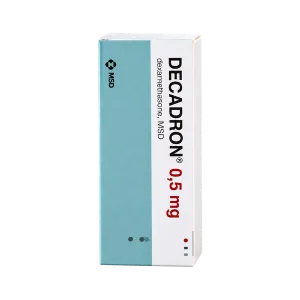
Decadron

Active ingredient: Dexamethasone
0.5mg 1mg
From $ 23.40
pills
4 (3)

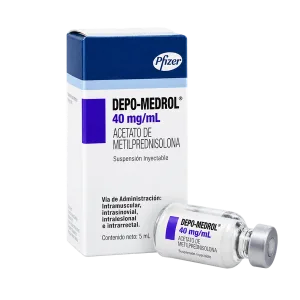
Depo-Medrol

Active ingredient: Methylprednisolone Acetate
40mg1ml
From $ 10.92
bottles
4 (3)

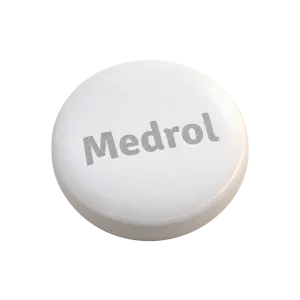
Medrol Current

Active ingredient: Methylprednisolone
16mg 4mg 8mg 32mg
From $ 140.40
pills
3.8 (5)

Prednisone

Active ingredient: Prednisone
10mg 20mg 40mg 5mg
From $ 74.88
pills
4 (4)

Comparison table: Anti-inflammatory

Common questions

Which diet, exercise, or habits can help or hinder treatment?

Regular meals can reduce stomach irritation, while excessive sodium may worsen fluid retention in susceptible people. Adequate protein and calcium-rich foods may support muscle and bone health, although diet cannot remove the risks of prolonged corticosteroid exposure. Gentle, appropriate activity can help preserve strength, but strenuous exercise may be unsuitable if weakness or bone fragility develops. WHO educational material available in 2025 continues to describe infection awareness, nutrition, and activity as relevant parts of long-term corticosteroid care.

What is the best time of day to take Medrol?

Many corticosteroid regimens use morning administration because it may better match the body’s usual cortisol pattern and may reduce sleep disruption. The correct time depends on the prescribed schedule, the number of daily doses, and the condition being treated. Do not move a dose from evening to morning without confirming the change, especially when the regimen is divided or tapered. The European Medicines Agency’s 2023 product information supports individualised scheduling based on treatment objectives and exposure.

How does Medrol differ from the closest alternative by active substance or mechanism?

Medrol is a systemic corticosteroid product, while non-steroidal anti-inflammatory medicines act through different prostaglandin-related pathways. Corticosteroids influence gene expression through glucocorticoid receptors and can suppress a wider range of inflammatory and immune signals. Non-steroidal medicines may be chosen for some pain or inflammatory conditions, but they have different gastrointestinal, kidney, cardiovascular, and bleeding considerations. The FDA’s 2024 corticosteroid prescribing information explains why these classes should not be treated as interchangeable.

What happens when Medrol is stopped, and does it need tapering?

After a brief course, some patients can stop according to the prescribed plan, while prolonged or repeated exposure may require gradual reduction. Abrupt withdrawal after sustained therapy can cause adrenal insufficiency, weakness, dizziness, nausea, low blood pressure, and a return of inflammatory symptoms. The taper depends on duration, dose, repeated courses, and the patient’s illness. WHO clinical guidance published in 2023 describes gradual withdrawal as a way to reduce problems caused by suppressed adrenal cortisol production.

Which concrete condition rules Medrol out?

An untreated systemic fungal infection is a major condition that can rule out systemic corticosteroid treatment because immune suppression may allow the infection to worsen. Other serious infections, uncontrolled diabetes, severe hypertension, and previous severe corticosteroid reactions may also require avoidance or specialist management. The final decision depends on urgency, alternatives, and the clinician’s assessment. Health Canada safety information published in 2022 supports treating active serious infection as a major contraindication or high-risk situation.

Do you offer anonymous delivery?

Your order will be securely packed and shipped within 24 hours. This is exactly what your package will look like (images of an actual item sent). It has the size and look of a regular private letter (24x11x0.7 cm) and its contents cannot be seen.

Customer Feedback on Medrol

3.8
Based on 5 reviews
Andrew, 46 Kingston Several days
Verified
Rating: 3.5 out of 5

the prescribed dose for several days, took the tablets for a severe inflammatory flare. He noticed less swelling within several days, but the first week brought restless sleep and a stronger appetite. His clinician reduced the dose gradually, and the symptoms did not return as intensely.

Oct 11, 2026
Colin, 39 Barrie A short course
Verified
Rating: 4 out of 5

a prescribed dose for a short course, used Medrol during a short treatment plan. The inflammation settled quickly, although he disliked the metallic taste and felt unusually irritable in the evenings. Moving the prescribed dose earlier helped with sleep after his clinician approved the timing.

Oct 20, 2026
Richard, 36 Abbotsford One week
Verified
Rating: 4 out of 5

the prescribed dose for one week, reported improvement in joint stiffness during the first week. He also noticed higher glucose readings and needed closer monitoring while taking the tablets. The benefit was clear, but he did not view the medicine as suitable for repeated self-treatment.

Oct 25, 2026
Stephen, 35 Victoria A tapering course
Verified
Rating: 3.5 out of 5

the prescribed dose over a tapering course, experienced relief from an allergic inflammatory episode. He stopped once he felt better and developed weakness and a return of symptoms, then learned that the course required a planned reduction. The second course followed a tapering schedule.

Oct 31, 2026
Alan, 58 Halifax Short-term treatment
Verified
Rating: 4 out of 5

the prescribed dose for short-term treatment, found the treatment helpful during a flare but developed ankle swelling and insomnia. His physician reviewed his blood pressure and other medicines before continuing. He described the result as useful for short-term control, with side effects that required active monitoring.

Nov 6, 2026

Sources

  1. Health Canada (2024). Product Monograph — methylprednisolone tablets.
  2. World Health Organization (2023). Guidance on systemic glucocorticoids.
  3. Health Canada (2022). Corticosteroid safety information.
Get our free app Shop faster and track your orders 3.9 · 525 reviews Install