The swelling from my inflammatory flare settled within a couple of days. I took the tablets with breakfast because taking them later made it harder to sleep. The metallic taste was annoying, but it passed.
Adults and children with steroid-responsive inflammation, allergic disease, or immune overactivity may be prescribed Decadron. The tablets provide an oral route when treatment must be tailored to the underlying condition and response.
Overview
Decadron contains dexamethasone, a potent systemic corticosteroid that reduces inflammatory signalling and immune activation. The active ingredient is dexamethasone.
Dosage and administration
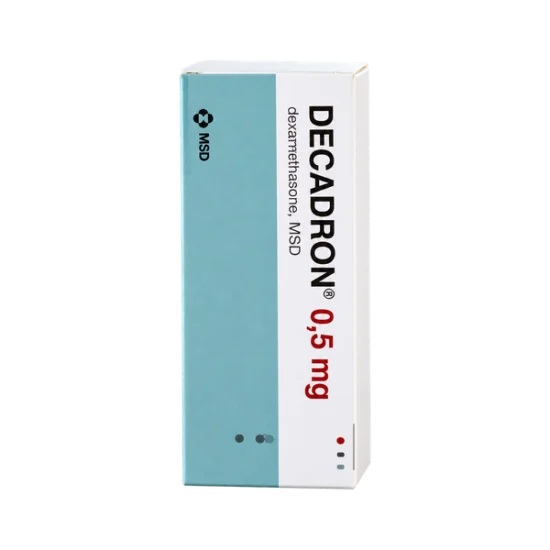
Decadron is supplied as pills, with dexamethasone identified per tablet. Oral tablets provide a measured solid dose and can be useful when a patient can swallow medication reliably.
The product should be taken by mouth according to the prescribed schedule. How much to use and how often depend on the purpose of use and are agreed with a doctor or pharmacist. A systemic corticosteroid schedule may be once daily, divided across the day, or adjusted over time.
Practical administration principles include:
- Take the tablets at the prescribed times.
- Swallow them with water unless a clinician has provided different instructions.
- Take them with food if they irritate the stomach.
- Do not double the next dose after a missed dose unless specifically instructed.
- Do not alter a tapering schedule independently.
- Keep a written record if the regimen changes from daily dosing to alternate-day or divided dosing.
The medication should not be used to treat a new symptom without identifying the cause. Corticosteroids can reduce fever, pain, redness, or swelling while an infection or another serious condition continues underneath.
How much Decadron to use and how often to take it depend on the purpose of use and are agreed with a doctor or pharmacist. The tablet strength allows the prescriber to construct an individualised regimen, but the correct number of tablets cannot be selected from the strength alone.
A prescribed regimen may specify:
- The number of tablets per dose.
- The number of daily doses.
- A fixed course or a gradual reduction.
- A morning or divided schedule.
- Additional monitoring for blood glucose, blood pressure, infection, or mental health symptoms.
The course should be followed precisely. If a dose is missed, the appropriate response depends on how close it is to the next scheduled dose and whether the treatment is being tapered. Taking two doses together can increase adverse effects and is not a universal solution.
Formulation
The active ingredient is dexamethasone. It is considerably more potent on a milligram-for-milligram basis than some older corticosteroids, so the prescribed amount cannot be exchanged casually with another steroid. Health Canada describes dexamethasone products as systemic corticosteroid therapy requiring condition-specific dosing and monitoring [1].
Active ingredient and class
Dexamethasone binds to intracellular glucocorticoid receptors. The resulting receptor complex changes gene transcription, lowering the production of several inflammatory mediators. It also reduces the activity and movement of immune cells involved in swelling, allergic reactions, and tissue inflammation.
Decadron is intended for systemic use. It is not a local cream or inhaled treatment, so its effects and adverse reactions can involve several organ systems.
How it affects the body
Dexamethasone crosses cell membranes and binds glucocorticoid receptors inside target cells. The activated receptors move into the cell nucleus and alter the expression of proteins involved in inflammation and immune regulation.
Several effects follow from receptor activation:
- Production of inflammatory cytokines and other mediators decreases.
- Migration and activation of some immune cells are reduced.
- Blood-vessel permeability falls, which can lessen tissue swelling.
- The inflammatory response becomes less intense.
- At higher exposure or with longer treatment, normal hypothalamic-pituitary-adrenal activity may be suppressed.
Dexamethasone is not an analgesic in the usual sense. Pain may improve when inflammation is the main driver, but the medicine does not directly correct structural damage or every cause of pain.
Compared with non-steroidal anti-inflammatory drugs, dexamethasone has broader immune-suppressing effects. Compared with prednisone or prednisolone, it is more potent per milligram and has a longer biological effect, which is why dose conversion requires a clinician rather than a simple tablet-for-tablet substitution. The EMA product information describes these glucocorticoid effects and the need to account for systemic exposure [3].
Therapeutic indications
Dexamethasone may be prescribed when inflammation or an exaggerated immune response contributes to disease. The choice depends on the diagnosis, severity, competing treatments, and the need for rapid control of symptoms.
Clinical uses can include:
- Severe inflammatory conditions affecting joints, connective tissue, or other organs.
- Selected allergic or hypersensitivity reactions when systemic corticosteroid treatment is indicated.
- Autoimmune flare-ups requiring temporary suppression of immune activity.
- Certain respiratory inflammatory conditions under medical supervision.
- Some dermatological disorders with marked inflammation.
- Specific haematological, oncological, or neurological conditions within specialist treatment plans.
The indication determines the duration. A short course may be used for an acute flare, while longer therapy requires closer monitoring for adrenal suppression, changes in blood glucose, infection, bone effects, and other corticosteroid complications. The European Medicines Agency describes systemic dexamethasone use across several inflammatory, allergic, immune, and specialist indications, with dosing adapted to the disease being treated [2].
| Clinical area | Role of dexamethasone | Main limitation |
|---|---|---|
| Inflammatory disease | Suppresses inflammatory signalling and tissue swelling | Does not remove the underlying cause |
| Allergic or immune reactions | Reduces excessive immune activity | May mask infection or delay recognition of worsening disease |
| Specialist systemic therapy | Used within defined treatment protocols | Requires monitoring when treatment is prolonged |
Decadron can reduce symptoms while an underlying infection, autoimmune process, or other disease remains present. That distinction affects follow-up and treatment duration.
Common mistakes
Poor outcomes often arise from practical errors rather than a lack of steroid activity.
- Using Decadron for symptoms that have not been medically assessed.
- Changing the number of tablets because a previous steroid course used a different strength.
- Taking the medicine late at night and then assuming insomnia is unrelated.
- Combining it with frequent ibuprofen or another NSAID without discussing stomach risk.
- Forgetting to mention a live vaccine, recent infection, or long-term inhaled steroid.
- Stopping suddenly after a prolonged course.
- Keeping an old tapering schedule and applying it to a new illness.
- Ignoring mood changes, blurred vision, black stools, or signs of infection.
Reasons not to use it
Systemic dexamethasone also requires avoidance or specialist assessment in situations such as:
- Untreated systemic fungal infection.
- Certain active infections without appropriate anti-infective treatment.
- Recent exposure to live vaccines when immune suppression could create a safety concern.
- Poorly controlled diabetes.
- Severe uncontrolled hypertension.
- Active peptic ulcer disease.
- Severe osteoporosis.
- Psychosis or serious mood instability associated with corticosteroids.
- Significant liver or kidney disease requiring dose and monitoring adjustments.
These are not interchangeable categories. Some conditions are absolute reasons to avoid treatment, while others call for a risk-benefit decision, additional treatment, or closer monitoring.
When this is not for you
Decadron is not suitable for everyone. The medication is not for you if you have had a serious hypersensitivity reaction to dexamethasone or another ingredient in the product, unless a specialist has established a safe alternative plan.
Vaccination history matters. Dexamethasone may weaken immune responses and can alter the safety of some live vaccines. The WHO corticosteroid safety guidance describes infection and immunisation considerations that depend on dose, duration, and the person’s immune status [4].
Possible side effects
Short courses are often tolerated without major complications, though individual reactions vary. Possible effects include indigestion, increased appetite, restlessness, difficulty sleeping, mood changes, headache, facial flushing, and temporary increases in blood glucose.
More serious or clinically significant reactions can occur with higher doses, repeated courses, or prolonged treatment:
- Reduced resistance to bacterial, viral, fungal, or parasitic infection.
- Worsening or reactivation of some infections.
- Elevated blood glucose, including deterioration of diabetes control.
- Increased blood pressure or fluid-related symptoms.
- Mood disturbance, agitation, depression, or steroid-related psychosis.
- Stomach or intestinal ulceration, especially with other ulcer-risk medicines.
- Muscle weakness and skin thinning with prolonged exposure.
- Cataracts, glaucoma, or other eye complications.
- Osteoporosis and increased fracture risk during long-term therapy.
- Adrenal suppression after repeated or extended treatment.
Urgent medical assessment is needed for severe breathlessness, black or bloody stools, severe abdominal pain, marked confusion, hallucinations, sudden vision changes, facial swelling, or signs of a serious infection.
One practical issue is easy to miss: corticosteroid-related insomnia can appear after the first few doses, even when the inflammatory symptoms are improving. Another is glucose elevation; people with diabetes may notice higher readings during treatment and need a pre-arranged monitoring plan.
Comparison
Dexamethasone, prednisone, prednisolone, and hydrocortisone are all glucocorticoids, but they differ in potency, duration, mineralocorticoid activity, and clinical use.
| Treatment approach | Pharmacological profile | Typical clinical consideration |
|---|---|---|
| Dexamethasone | Potent, long-acting glucocorticoid with limited mineralocorticoid activity | Useful when strong anti-inflammatory activity is required without much sodium-retaining effect |
| Prednisone or prednisolone | Intermediate-acting glucocorticoids with more mineralocorticoid activity than dexamethasone | Often selected for inflammatory conditions requiring a moderate-duration oral steroid |
| Hydrocortisone | Shorter-acting glucocorticoid with greater mineralocorticoid activity | Used in situations where cortisol replacement or shorter action is preferred |
The preferred option depends on the disease and treatment objective. A longer-acting steroid may simplify some schedules, yet its effects can persist after a dose and may complicate sleep, glucose control, or recovery of adrenal function. A shorter-acting option may offer more flexibility but can require more frequent dosing.
What doctors say
In clinical practice, doctors usually treat dexamethasone as a targeted anti-inflammatory tool rather than a general remedy for aches, fatigue, or minor viral symptoms. The central prescribing question is whether suppressing inflammation will improve the underlying condition without creating greater infection, metabolic, psychiatric, or adrenal risk.
A physician will usually want to know:
- What diagnosis is being treated.
- Whether there has been recent steroid exposure.
- Whether infection has been excluded or treated.
- Whether diabetes, hypertension, glaucoma, ulcer disease, or osteoporosis is present.
- Which medicines and supplements are being taken.
- Whether treatment is expected to last days, weeks, or longer.
The benefit may appear quickly in some inflammatory conditions, yet improvement does not prove that the disease has resolved. A patient can feel better while still needing investigation or treatment for the original cause.
Comparison
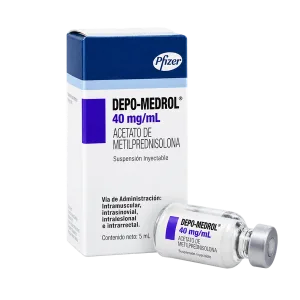
Decadron Current
Depo-Medrol
Common questions
How long does one Decadron dose keep working?
Dexamethasone has a relatively long biological duration, so its anti-inflammatory effects may continue beyond the time the medicine remains at its highest blood concentration. The exact duration varies with the condition, dose, liver metabolism, and previous corticosteroid exposure. The FDA prescribing information describes dexamethasone as a long-acting glucocorticoid with effects that can persist after administration, as documented in 2023. A lasting effect does not mean that an extra dose is appropriate. Do not change the schedule without advice from the prescriber.
Can alcohol be used while taking Decadron?
Alcohol can add to stomach irritation and may worsen sleep disturbance, mood changes, or blood-glucose instability during corticosteroid treatment. The risk is greater when alcohol is combined with NSAIDs or when the person has diabetes, ulcer disease, liver disease, or psychiatric symptoms. Health Canada’s corticosteroid product information in 2022 advises attention to gastrointestinal and metabolic risks during systemic treatment. Avoiding alcohol is the safer choice during a short high-dose course or when side effects are present.
Can Decadron be used during pregnancy or breastfeeding?
Pregnancy and breastfeeding require an individual assessment because dexamethasone crosses the placenta and can enter breast milk. The maternal condition, treatment duration, dose, and gestational or infant age determine the balance of benefit and risk. The EMA product information reviewed in 2024 describes the need for clinical assessment when systemic corticosteroids are considered during pregnancy or lactation. Do not start, stop, or taper treatment for this reason without a specific plan from the prescriber.
Which diet, exercise, or habits can help or hinder the result?
Taking the prescribed dose consistently, limiting alcohol, moderating excess salt, and following diabetes-monitoring advice can reduce avoidable problems. Weight-bearing activity may support bone health during longer courses when the underlying condition permits exercise. The WHO guidance published in 2021 links prolonged systemic corticosteroid exposure with infection, metabolic, and bone-related considerations. Exercise should be adapted to the illness rather than used to compensate for an unsuitable steroid regimen.
How soon does the effect of Decadron become noticeable?
Some inflammatory symptoms may begin to improve within hours or days, while immune or tissue conditions can take longer. The timing depends on the disease, severity, dose, and whether another cause is continuing to drive the symptoms. The FDA dexamethasone prescribing information available in 2023 supports the use of systemic corticosteroids for defined inflammatory and immune-mediated conditions, but it does not make response identical for every patient. Worsening symptoms, fever, severe pain, or new breathlessness require prompt clinical assessment.
How should Decadron be stored at home and while travelling?
Keep the tablets in their supplied container, protected from excess heat, moisture, and direct sunlight. During travel, retain the medicine in hand luggage where temperature and access are more stable, and keep the dosing schedule with it. Health Canada storage guidance for oral medicines published in 2022 supports avoiding bathrooms, hot vehicles, and other damp or overheated locations. Do not transfer tablets into an unmarked container if doing so could cause confusion with another medicine.
Should Decadron be taken with food or on an empty stomach?
Dexamethasone may be taken with food when stomach upset occurs, and many patients find breakfast easier to tolerate than an empty stomach. The prescribed schedule takes priority, especially when the regimen uses divided doses or a taper. EMA product information from 2024 recognises gastrointestinal irritation as a clinically relevant corticosteroid concern. Food does not make an unsuitable dose safer, so the tablet amount and timing should remain those agreed with the prescriber.
Do you offer anonymous delivery?
Your order will be securely packed and shipped within 24 hours. This is exactly what your package will look like (images of an actual item sent). It has the size and look of a regular private letter (24x11x0.7 cm) and its contents cannot be seen.
Customer Feedback on Decadron
Decadron helped my breathing-related inflammation, and I noticed a difference during the first week. The difficult part was remembering which day the dose changed. I also felt unusually restless, so the prescriber adjusted the timing rather than increasing the amount.
The inflammation improved, but I became irritable and had a much bigger appetite. I stopped making changes on my own after that and followed the taper exactly. The medicine helped, though the side effects were more noticeable than I expected.
Sources
- Health Canada (2022). Product monograph for dexamethasone
- European Medicines Agency (2024). Summary of Product Characteristics (SmPC) — dexamethasone
- European Medicines Agency (2024). Dexamethasone product information: pharmacodynamic and pharmacokinetic information
- World Health Organization (2021). WHO guidance on the clinical use and safety monitoring of systemic corticosteroids