Skip to content
Lopid
Active ingredient: Gemfibrozil

Lopid

Quality products
24/7 Support
Fast delivery
Delivery from 4 days
Select pack Package Per unit Price

Free delivery on orders from $ 312.00, free express delivery from $ 468.00

Secure Payments
Track your order
Best price guarantee

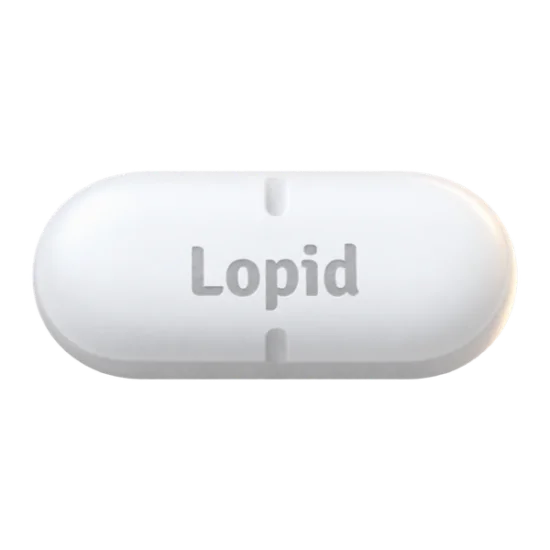
By influencing the handling of triglyceride-rich particles, Lopid is used within a lipid-management plan for adults with hyperlipidemia or hypertriglyceridemia. It supports lower circulating triglyceride levels alongside dietary measures, physical activity, and treatment of contributing health conditions.

Overview

Lopid is prescribed for lipid metabolism disorders where triglycerides remain elevated despite lifestyle measures. Hyperlipidemia describes raised blood lipids, while hypertriglyceridemia means triglycerides are above the healthy range.

Dosage and administration

Take Lopid exactly on the individually prescribed schedule. The timing may be coordinated with meals because meal patterns affect triglyceride metabolism and because a consistent routine improves adherence.

A practical routine includes:

  • swallow each tablet whole with water;
  • take doses at the same planned times each day;
  • keep the same relationship to meals that was selected for the prescription;
  • record a missed dose rather than taking two doses together;
  • arrange follow-up lipid testing at the interval set by the prescriber.

If a dose is missed, take it when remembered unless the next planned dose is close. Do not double the next dose. Doubling can increase adverse effects without producing a useful extra reduction in triglycerides.

Linking a dose to a regular event, such as breakfast or the evening meal, works better than relying on memory alone. A phone reminder is useful during the first month of a new routine.

Formulation

Lopid is used within a lipid-management plan for adults with hyperlipidemia or hypertriglyceridemia. It supports the handling of triglyceride-rich particles and lower circulating triglyceride levels alongside dietary measures, physical activity, and treatment of contributing health conditions. The amount per intake is set individually for each person.

How it affects the body

Triglyceride-rich particles circulate after the liver packages fats for transport and after dietary fat is absorbed from the intestine. Lipoprotein lipase is an enzyme that helps break down triglycerides within these particles so their fatty acids can be used or stored by tissues.

Lipid-lowering treatment may improve the clearance of triglyceride-rich particles and reduce their production by the liver.

The European Medicines Agency has reviewed fibrates as a medicine class used in selected patients with lipid disorders, with attention to benefit, gallbladder effects, kidney function, and medicine interactions [2].

Therapeutic indications

Lopid is prescribed for lipid metabolism disorders where triglycerides remain elevated despite lifestyle measures. Hyperlipidemia describes raised blood lipids, while hypertriglyceridemia means triglycerides are above the healthy range. Very high triglycerides can raise the risk of pancreatitis, an inflammatory condition affecting the pancreas. Repeat lipid testing helps assess whether treatment is achieving its intended effect.

Treatment goals differ between people. Some need a major triglyceride reduction to lower pancreatitis risk, while others need broader cardiovascular risk management that also addresses LDL cholesterol, blood pressure, diabetes, smoking, and body weight.

The World Health Organization identifies cardiovascular disease as a leading global cause of death, with prevention focused on modifiable risks such as unhealthy diet, tobacco exposure, inactivity, hypertension, diabetes, and abnormal blood lipids [3].

Common mistakes

  • Stopping after one improved test. Lipids often rise again when treatment and lifestyle measures stop.
  • Changing eating habits only before bloodwork. This can produce a result that does not reflect usual triglyceride exposure.
  • Ignoring alcohol intake. Alcohol can markedly raise triglycerides in susceptible people.
  • Assuming every muscle ache is harmless. New weakness or persistent muscle pain needs review.
  • Using a double dose after forgetting one. This adds risk and does not restore the missed dose safely.
  • Missing diabetes or thyroid follow-up. Both conditions can drive secondary hyperlipidaemia.

Reasons not to use it

  • severe hepatic dysfunction;
  • severe renal dysfunction;
  • active or previous gallbladder disease, including gall stones;
  • unexplained persistent abdominal pain;
  • pregnancy or breastfeeding unless a specialist has made a specific treatment decision;
  • use in neonates;
  • a history of a serious allergic reaction to a related treatment.

When this is not for you

Lopid is not for you if you have a known hypersensitivity to its therapeutic components or a clinical restriction identified by the prescriber. Some conditions require an alternative plan because lipid treatment can be affected by liver, kidney, or gallbladder function.

Gallstones need prompt assessment.

Gallbladder disease matters because changes in bile composition can promote cholelithiasis, the medical term for gallstones. Pain under the right ribs, pain spreading to the back or shoulder, fever, vomiting, pale stools, or yellowing of the skin require urgent assessment.

Possible side effects

Digestive symptoms are among the more frequently reported reactions with triglyceride-lowering therapy. These may include dyspepsia, abdominal discomfort, nausea, loose stools, or changes in appetite. Symptoms are often mild, though persistent abdominal pain needs medical assessment because gallbladder and pancreatic conditions can produce similar discomfort.

Less common but more serious concerns include muscle pain, muscle weakness, dark urine, unexplained fever, jaundice, severe rash, or intense upper abdominal pain. Muscle injury is more likely when lipid medicines are combined with certain interacting treatments or when kidney function is reduced.

Muscle symptoms deserve attention.

Do not dismiss new thigh, shoulder, or calf pain as ordinary exercise soreness if it begins soon after a medicine change. Note when it started, whether weakness is present, and whether urine has become unusually dark.

The FDA prescribing information for lipid-lowering therapy highlights the need to assess unexplained muscle symptoms and clinically significant abdominal complaints rather than simply continuing treatment through them [1].

Comparison

Lipid therapy is selected according to the dominant abnormality and the person’s cardiovascular profile. Fibrates are generally considered when triglycerides are the central problem, while statins are usually the foundation when LDL reduction is the main objective.

Treatment approach Main lipid target Typical clinical role
Fibrate-class therapy Triglycerides Marked hypertriglyceridemia or persistent triglyceride elevation
Statin therapy LDL cholesterol Cardiovascular risk reduction through LDL lowering
Cholesterol-absorption inhibitor therapy LDL cholesterol Added LDL lowering when statin response is insufficient or limited

Statins have the strongest evidence base for reducing cardiovascular events in many people with elevated LDL cholesterol. Fibrate-class treatment may be chosen when triglycerides are substantially raised, especially when pancreatitis prevention is a clinical concern. Combination treatment can be appropriate for selected people, yet it requires closer review because muscle-related adverse effects and interactions may become more likely [5].

A lower LDL level is helpful, but it does not automatically mean triglyceride management is complete.

What doctors say

In clinical practice, physicians usually frame triglyceride treatment as one part of a longer plan, not a substitute for food habits or diabetes care. A large triglyceride reduction can take time because the liver responds to energy intake, alcohol, blood glucose, and regular medication use.

Doctors also look beyond a single laboratory value. A person with diabetes, chronic kidney disease, prior cardiovascular disease, or a strong family history may need a different lipid target from someone whose only concern is temporarily raised triglycerides. The Canadian Cardiovascular Society’s 2021 dyslipidemia guidance supports risk-based management, where therapy is matched to the person’s total cardiovascular risk rather than one number in isolation [4].

Comparison

Abana

Active ingredient: Abana
60pills
From $ 138.84
bottles
3.2 (3)

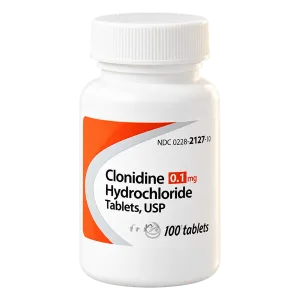
Clonidine

Active ingredient: Clonidine
0.1mg
From $ 121.68
pills
3.6 (4)

Crestor

Active ingredient: Rosuvastatin
10mg 20mg 5mg
From $ 156.00
pills
4 (5)

Digoxin

Active ingredient: Digoxin
0.25mg
From $ 146.64
pills
4 (5)

Ezetimibe

Active ingredient: Ezetimibe
10mg
From $ 159.12
pills
4 (4)

Comparison table: Cardiovascular Health

Common questions

Can Lopid be used with gallstones?

Existing gallstones are a major reason to avoid or reconsider this treatment approach. Lipid-lowering therapy can be associated with cholelithiasis, and gallbladder pain may be difficult to distinguish from ordinary indigestion. The EMA’s 2011 fibrate review discussed gallbladder-related precautions for this medicine class. New severe upper abdominal pain, fever, vomiting, or jaundice needs prompt clinical assessment.

Which diet and activity habits affect triglyceride control?

Alcohol, sugary drinks, large portions of refined carbohydrates, and frequent late-night meals can raise triglycerides. Regular aerobic activity, gradual weight reduction where appropriate, fibre-rich foods, and better glucose control can help lower them. The WHO described diet, physical activity, tobacco exposure, blood pressure, diabetes, and blood lipids as connected cardiovascular risk factors in its 2023 cardiovascular disease guidance. A repeat lipid panel reflects the combined effect of habits and treatment, not tablets alone.

Should Lopid be taken with food or on an empty stomach?

The correct timing is the timing specified in the individual prescription plan. Keeping the same relationship to meals each day reduces missed doses and makes it easier to interpret tolerance concerns such as dyspepsia. The FDA prescribing information revised in 2018 gives administration guidance for prescription lipid therapy and reinforces the value of a regular dosing routine. Do not change meal timing or dose frequency without the clinician managing the lipid plan.

Can Lopid be used during pregnancy or breastfeeding?

Pregnancy and breastfeeding need an individualized clinical decision because lipid treatment goals can change during these periods. Drug exposure may affect the fetus or nursing infant, while severe inherited lipid disorders can also require specialist management. Health Canada’s pregnancy and lactation assessment framework has emphasized weighing maternal benefit against potential fetal or infant risk since 2019. A clinician managing obstetric care and lipid treatment should determine the appropriate approach before therapy is continued or started.

Can Lopid be combined with anticoagulants?

Anticoagulants, including warfarin, need close review because some lipid-lowering therapies can alter anticoagulant response and increase bleeding risk. Bruising without a clear cause, nosebleeds that are hard to stop, black stools, or blood in urine require prompt assessment. The Canadian Cardiovascular Society’s 2021 guidance supports careful medication review where cardiovascular therapies overlap. Prescribers may need to adjust monitoring plans when anticoagulant therapy and lipid treatment are used together.

Do you offer anonymous delivery?

Your order will be securely packed and shipped within 24 hours. This is exactly what your package will look like (images of an actual item sent). It has the size and look of a regular private letter (24x11x0.7 cm) and its contents cannot be seen.

Long-term cardiovascular health outcomes

Sustained control of LDL cholesterol and triglycerides supports long-term cardiovascular prevention. Raised LDL contributes directly to atherosclerotic plaque formation, while high triglycerides can signal insulin resistance, metabolic syndrome, diabetes, alcohol-related lipid disturbance, or genetic lipid disorders.

Lowering lipid levels can reduce the likelihood of heart attack and stroke when treatment is part of a broader risk-reduction plan. The strongest outcome benefit depends on the lipid pattern, the medicines selected, and control of related conditions such as hypertension and diabetes. Lifestyle measures remain active treatment: regular movement, fibre-rich foods, lower intake of refined carbohydrates, and reduced alcohol intake can materially improve triglyceride control.

Customer Feedback on Lopid

3.8
Based on 5 reviews
Tom, 61 Edmonton Several months
Verified
Rating: 4 out of 5

I used Lopid at the prescribed dose as part of my triglyceride treatment plan for several months. My follow-up bloodwork moved in the right direction, but I had to take alcohol more seriously because even a few drinks affected my numbers.

Nov 5, 2026
Peter, 29 Saskatoon Several weeks
Verified
Rating: 3.5 out of 5

The tablets were easy to fit into my workday once I set an alarm, and I took the prescribed dose for several weeks. I did not feel different day to day, which was frustrating at first, but the results were clearer on the lipid panel than by symptoms.

Oct 14, 2026
Luke, 46 Ottawa The first stretch of treatment
Verified
Rating: 3.5 out of 5

I took the prescribed dose during the first stretch of treatment and had occasional indigestion. Taking my doses on a consistent schedule helped, and I kept notes for my appointment instead of stopping on my own.

Oct 23, 2026
Craig, 55 Kelowna Several months
Verified
Rating: 4 out of 5

My triglycerides improved after several months at the prescribed dose, combined with less beer and fewer late-night takeout meals. I did have abdominal discomfort once, and my clinician wanted it assessed because I have a past history of gallbladder trouble.

Oct 31, 2026
Ryan, 39 Peterborough Several months
Verified
Rating: 4 out of 5

I took the prescribed dose for several months but expected the tablets alone to fix the problem. My next test showed that my eating habits and missed doses still mattered, so I became more consistent before the following blood test.

Oct 10, 2026

Sources

  1. U.S. Food and Drug Administration (2018). LOPID (gemfibrozil) tablets prescribing information.
  2. European Medicines Agency (2011). Fibrates - referral.
  3. World Health Organization (2023). Cardiovascular diseases (CVD).
  4. Canadian Cardiovascular Society (2021). 2021 Canadian Cardiovascular Society Guidelines for Dyslipidemia for the Prevention of Cardiovascular Disease in Adults.
  5. Cochrane (2016). Fibrates for primary prevention of cardiovascular disease events.
Get our free app Shop faster and track your orders 3.9 · 525 reviews Install