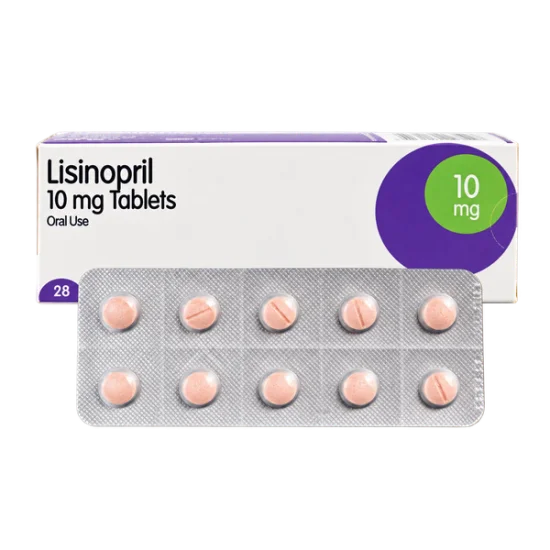
I used the 10 mg tablet as prescribed for hypertension. The first few mornings I felt light-headed when I stood up, so I slowed down and reported it. After several weeks, the readings were steadier, but I still needed routine blood tests.
Lisinopril
It relaxes blood vessels, reduces the workload on the heart, and supports long-term blood-pressure control. Lisinopril is an oral ACE inhibitor used mainly to lower high blood pressure and support cardiovascular function. The tablets contain lisinopril as the active ingredient.
Overview
Lisinopril, the active ingredient in Lisinopril, is an angiotensin-converting enzyme inhibitor used for hypertension, heart failure, and selected cardiovascular conditions.
Dosage and administration
Lisinopril tablets are taken by mouth. The amount per intake is individualized for each person rather than set as one universal dose.
- Take the prescribed amount once daily if that is the regimen selected for you.
- Swallow the tablet with water.
- Take it at a consistent time.
- It may be taken with food or on an empty stomach.
- Do not change the amount because a home blood-pressure reading looks better.
- If a dose is missed, take it when remembered unless the next scheduled dose is near.
- Do not double the next dose to compensate for a missed tablet.
- Dose adjustments may be needed after changes in kidney function, dehydration, diuretic treatment, or potassium results.
People starting treatment after intensive diuretic therapy, vomiting, diarrhoea, or poor fluid intake can be more vulnerable to a sudden blood-pressure drop. Clinicians may review kidney function and serum potassium before treatment and after dose changes.
Do not stop long-term therapy abruptly without a treatment plan. Blood pressure may rise again, while the condition that prompted treatment remains active.
Formulation
The tablets contain lisinopril as the active ingredient, and the amount taken at each intake is determined individually rather than being one fixed amount.
How it affects the body
Lisinopril blocks angiotensin-converting enzyme, commonly called ACE. ACE normally converts angiotensin I into angiotensin II, a powerful substance that narrows blood vessels and stimulates aldosterone release from the adrenal glands.
When ACE activity decreases:
- Blood vessels relax and widen.
- Peripheral resistance falls.
- Aldosterone secretion decreases.
- Sodium and water retention may lessen.
- The workload placed on the heart is reduced.
- Blood pressure can decline.
Angiotensin II also promotes sympathetic activity and vascular remodelling. Reducing this pathway explains why lisinopril can provide cardiovascular effects beyond a single blood-pressure reading. The mechanism applies to the ACE inhibitor class rather than to one particular manufacturer or tablet colour.
Lisinopril is not a prodrug. It does not need conversion to an active metabolite before producing its pharmacological effect. The kidneys play a major role in removing lisinopril from the body, so renal function and potassium levels matter when treatment is started or adjusted. The FDA prescribing information describes these renal and electrolyte precautions in detail [2].
A dry cough can arise from ACE inhibition because bradykinin and related peptides may accumulate. This cough is often persistent, may be worse at night, and can appear after treatment has already started rather than after the first tablet.
Therapeutic indications
Lisinopril is an oral ACE inhibitor used mainly to lower high blood pressure and support cardiovascular function. The clinical goal is sustained control of hypertension and reduction of strain on the heart, kidneys, brain, and blood vessels.
Management of Essential Hypertension
Lisinopril lowers systemic vascular resistance by reducing the activity of the renin–angiotensin–aldosterone system. This can lower systolic and diastolic blood pressure in adults with hypertension. The 2023 NICE hypertension guidance places ACE inhibitors among established options for blood-pressure treatment, with selection guided by age, ethnicity, kidney function, potassium levels, diabetes, and other medicines [1].
Cardiovascular Support in Heart Failure
Heart failure causes the heart to work against increased pressure and fluid-related stress. By reducing angiotensin II activity and aldosterone release, lisinopril can reduce vascular resistance and limit sodium and water retention. ACE inhibitors have been used to reduce symptoms, hospital admissions, and cardiovascular risk in appropriate patients with heart failure.
Lisinopril may also be prescribed after a heart attack in selected patients, especially when the treatment plan includes protection of the left ventricle or management of hypertension. This decision depends on blood pressure, kidney function, potassium, heart function, and the complete cardiovascular treatment plan.
Common mistakes
Several everyday errors can interfere with treatment:
- Stopping the tablet because blood pressure improved.
- Taking extra tablets after one high home reading.
- Using potassium salt substitutes without mentioning them.
- Taking frequent ibuprofen or naproxen without medication review.
- Treating persistent cough with cough suppressants while ignoring its timing.
- Missing blood tests after a dose increase.
- Continuing the medicine during severe dehydration without seeking clinical advice.
- Assuming a normal pulse means blood pressure is controlled.
- Taking lisinopril together with sacubitril/valsartan during a medication switch.
- Driving or climbing ladders after repeated dizziness.
A home blood-pressure log is most useful when readings are taken under similar conditions. Record the date, time, reading, pulse, symptoms, and any unusual illness or fluid loss.
Reasons not to use it
- Have had angioedema linked to an ACE inhibitor.
- Have hereditary or idiopathic angioedema without a clinician’s specific plan.
- Are pregnant or planning pregnancy.
- Use sacubitril/valsartan without the required ACE-inhibitor washout period.
- Have a serious acute kidney problem that has not been assessed.
- Have severe hyperkalemia.
- Have a known allergy to lisinopril or a tablet ingredient.
Bilateral renal artery stenosis, or renal artery stenosis affecting a solitary functioning kidney, can cause a sharp decline in kidney function after ACE inhibition.
The WHO hypertension guideline supports medication selection alongside assessment of cardiovascular risk, kidney function, and treatment tolerability [4].
When this is not for you
Lisinopril may not be suitable if you have experienced swelling from an ACE inhibitor, are pregnant or planning pregnancy, have severe kidney problems or high potassium, or are allergic to lisinopril. Tell a clinician before using it if you have kidney disease, diabetes, dehydration, or take medicines that increase potassium. Do not combine it with sacubitril/valsartan without the required treatment change and washout plan.
Possible side effects
The most recognizable adverse effect of lisinopril is a persistent dry cough. Dizziness, headache, low blood pressure, fatigue, gastrointestinal discomfort, and increased potassium may also occur. The product monograph and Health Canada safety information describe cough, hypotension, renal effects, and hyperkalemia among the clinically relevant reactions [3].
A mild blood-pressure drop can cause light-headedness when standing. Rising slowly from bed or a chair may reduce this problem, but repeated faintness, confusion, or falls requires medical review.
Serious Reactions
Seek urgent medical attention for:
- Swelling of the lips, tongue, face, or throat.
- Trouble breathing or swallowing.
- Fainting that does not quickly resolve.
- Markedly reduced urine output.
- Severe weakness, palpitations, or muscle paralysis.
- A severe blistering or peeling skin reaction.
Angioedema can occur with ACE inhibitors, including after months or years of previous tolerance. It can obstruct the airway and is an emergency. Lisinopril should not be restarted after ACE-inhibitor-associated angioedema unless a specialist explicitly determines otherwise.
Hyperkalemia may produce few symptoms at first. Palpitations, unusual muscle weakness, or tingling can occur, but normal-feeling days do not prove that potassium is normal. Blood tests are more reliable than symptoms.
One practical clue: an ACE-inhibitor cough is usually dry rather than mucus-producing. A cough with fever, chest pain, wheezing, or coloured sputum may have another cause and should not automatically be blamed on lisinopril.

Comparison
Lisinopril, enalapril, fosinopril, quinapril, trandolapril, and benazepril belong to the ACE inhibitor class. They share the same broad mechanism but differ in activation, elimination, duration, and suitability for particular kidney or liver profiles.
| ACE inhibitor | Clinical distinction | Practical consideration |
|---|---|---|
| Lisinopril | Active drug; largely renal elimination | Kidney function and potassium require monitoring |
| Enalapril | Converted to an active metabolite | Dose selection considers renal function and response |
| Fosinopril | Has a comparatively important hepatic elimination pathway | May be considered when elimination characteristics are relevant |
Lisinopril is often selected when a once-daily oral ACE inhibitor is appropriate and the prescriber wants an active compound without metabolic activation. Enalapril may be chosen when its established heart-failure experience fits the treatment plan. Fosinopril can have a different elimination profile, which may influence selection in some patients.
These drugs are not interchangeable tablet for tablet. A switch requires a new dose plan, especially when blood pressure is already low or kidney function is reduced. Tissue distribution, half-life, renal clearance, potassium balance, and concurrent diuretics all influence the decision.
For clinical decisions, the active ingredient matters more than the commercial name. Enalapril, fosinopril, quinapril, trandolapril, and benazepril are pharmacologically related alternatives, yet each has its own prescribing information and dose-conversion considerations.
What doctors say
In clinical practice, prescribers usually judge lisinopril by a combination of home readings, clinic measurements, symptoms, kidney results, and potassium results. A person may feel well while blood pressure remains high, so the absence of symptoms is not proof that treatment is unnecessary.
Doctors also look for patterns. A cough that starts after treatment and persists without another clear explanation may lead to a change in drug class. A creatinine change after starting treatment may be acceptable in some circumstances, while a large or progressive rise requires investigation for dehydration, renal artery disease, NSAID exposure, or another kidney problem.
The European Medicines Agency emphasizes the importance of assessing renin–angiotensin-system medicines within the complete treatment plan, especially during pregnancy and when combining medicines that influence kidney function or potassium [5].
Comparison
Common questions
What should I do if the expected blood-pressure improvement does not come?
Do not increase the amount yourself or take an extra tablet after one high reading. The prescriber may review adherence, measurement technique, salt intake, NSAID use, kidney function, and the need for another medicine. NICE guidance updated in 2023 supports treatment adjustment when blood pressure remains above the agreed target after proper review. Urgent care is needed for severe readings with chest pain, neurological symptoms, breathlessness, or confusion. Repeated readings are more useful than a single unexpected result.
Can Lisinopril be taken with food or on an empty stomach?
Lisinopril can generally be taken with food or without food, provided it is taken consistently. A regular time helps reveal whether dizziness or other symptoms relate to the dose. Health Canada product information available in 2024 describes oral administration without requiring a special meal-based schedule. If vomiting or diarrhoea causes poor fluid intake, the situation is different because dehydration can increase the risk of low blood pressure and kidney stress.
Which condition rules out Lisinopril completely?
A previous episode of angioedema caused by an ACE inhibitor is a major contraindication. Pregnancy also rules out continued use because ACE inhibitors can injure the developing fetus. The FDA label revised in 2022 identifies fetal toxicity as a serious pregnancy warning. Swelling of the tongue, lips, or throat after a dose requires emergency treatment rather than observation at home.
Does Lisinopril cause a dry cough?
Yes, lisinopril can cause a persistent dry cough. The cough may begin soon after treatment or only after a longer period, and it may continue while the person otherwise feels well. A 2021 WHO review of hypertension treatment recognizes ACE-inhibitor cough as a class-related tolerability issue. Do not stop treatment abruptly; report the symptom so the prescriber can assess other causes and decide whether a change is needed.
Can the Lisinopril tablet be split, crushed, or chewed?
The 10 mg tablet should be swallowed as directed rather than crushed or chewed. Splitting should occur only when the prescriber or dispensing instructions confirm that the particular tablet is suitable for division. The EMA’s product information for the specific lisinopril tablet should be checked before altering it . If swallowing is difficult, request a suitable administration plan instead of altering the tablet independently.
Do you offer anonymous delivery?
Your order will be securely packed and shipped within 24 hours. This is exactly what your package will look like (images of an actual item sent). It has the size and look of a regular private letter (24x11x0.7 cm) and its contents cannot be seen.
Customer Feedback on Lisinopril
My readings improved after starting the 10 mg lisinopril tablet, and taking it with breakfast helped me remember it. I developed a dry cough during the second month. It was not severe, but it became annoying at night and led to a medication review.
I had been taking a diuretic before the 10 mg lisinopril tablet was added. The combination helped my blood pressure over several weeks, although the first adjustment made me tired. Keeping a written list of every tablet made the follow-up easier.
I missed several doses of the 10 mg lisinopril tablet while my routine changed and thought I could make up for them. This happened over several days. I was told not to double the next dose. My main problem was remembering the tablet, not a severe reaction.
The 10 mg treatment lowered my readings, but after several weeks I became concerned about a cough that did not go away. It took time to identify the likely cause because I otherwise felt well. The cough improved after the treatment plan was changed.
Sources
- NICE (2023). Hypertension in adults: diagnosis and management, NG136.
- U.S. Food and Drug Administration (2022). Lisinopril prescribing information.
- Health Canada (2024). Lisinopril product monograph.
- World Health Organization (2021). Guideline for the pharmacological treatment of hypertension in adults.
- European Medicines Agency (2024). Summary of Product Characteristics (SmPC) — lisinopril.