Skip to content
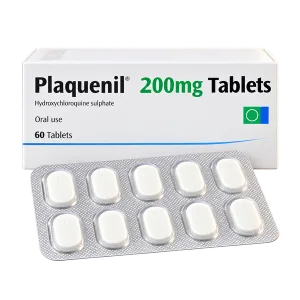
Plaquenil
Active ingredient: Hydroxychloroquine

Plaquenil

Quality products
24/7 Support
Fast delivery
Delivery from 4 days
Select pack Package Per unit Price

Free delivery on orders from $ 312.00, free express delivery from $ 468.00

Secure Payments
Track your order
Best price guarantee

Adults and children with malaria or chronic inflammatory disease may be prescribed Plaquenil. Its active ingredient, hydroxychloroquine sulfate, is used for rheumatoid arthritis, systemic or discoid lupus erythematosus, and malaria prevention or treatment. It modifies immune activity and interferes with parasite survival.

Overview

Plaquenil contains hydroxychloroquine sulfate, an aminoquinoline compound supplied as oral tablets. Hydroxychloroquine is classified as both an antimalarial and a disease-modifying antirheumatic drug, or DMARD. Its ATC classification is P01BA02.

Active ingredient profile

Hydroxychloroquine accumulates inside acidic cellular compartments called lysosomes. In autoimmune disease, this changes antigen processing and reduces signalling involved in inflammatory immune activation. In malaria, the drug interferes with the parasite’s handling of haemoglobin inside red blood cells.

Plaquenil is not a sedative or tranquilizer. It does not work by slowing brain activity.

Dosage and administration

The amount per intake is set individually for each person rather than being one fixed number. Prescribers consider the indication, body weight, kidney function, age, disease severity, and the risk of retinal toxicity.

Common adult dosing frameworks include:

  • Rheumatoid arthritis: treatment may begin with an individually selected amount, followed by a maintenance amount adjusted when the clinical response allows.
  • Systemic or discoid lupus: treatment may begin with an individually selected amount, followed by a maintenance amount adjusted according to the clinical response.
  • Malaria prevention: the regimen is selected according to the exposure risk, patient characteristics, and clinical guidance.
  • Acute malaria treatment: the regimen is divided into doses according to the product monograph, parasite susceptibility, age, and clinical setting.
  • Children: dosing is weight-based. Children should not receive an adult regimen simply because the tablet strength is available.

The maximum long-term dose for autoimmune disease is commonly calculated using actual body weight, with many ophthalmology guidelines advising a weight-based limit of hydroxychloroquine to reduce retinal risk. The prescriber may use a lower amount when kidney disease, older age, or other risk factors are present.

Take each dose with food or a glass of milk if stomach upset occurs. The tablets are for oral use. If a dose is missed, take it when remembered unless the next scheduled dose is near; do not double the next intake.

A common practical error is treating the tablet strength as the dose itself. The number of tablets and dosing frequency are separate prescribing decisions, especially when the required daily amount is weight-based.

Formulation

Plaquenil contains hydroxychloroquine sulfate, an aminoquinoline compound supplied as oral tablets. Hydroxychloroquine is classified as both an antimalarial and a disease-modifying antirheumatic drug, or DMARD. Its ATC classification is P01BA02.

The tablet is taken by mouth. Hydroxychloroquine sulfate provides the hydroxychloroquine component responsible for the pharmacological action. Health Canada classifies Plaquenil as a prescription medicine used in rheumatology and infectious disease care [1].

Active ingredient profile

Hydroxychloroquine accumulates inside acidic cellular compartments called lysosomes. In autoimmune disease, this changes antigen processing and reduces signalling involved in inflammatory immune activation. In malaria, the drug interferes with the parasite’s handling of haemoglobin inside red blood cells.

Plaquenil is not a sedative or tranquilizer. It does not work by slowing brain activity.

Taking Plaquenil with food or milk can reduce nausea and stomach discomfort. The tablet should be swallowed rather than crushed unless a prescriber provides different instructions.

How it affects the body

Hydroxychloroquine accumulates inside acidic cellular compartments called lysosomes. In autoimmune disease, this changes antigen processing and reduces signalling involved in inflammatory immune activation. In malaria, the drug interferes with the parasite’s handling of haemoglobin inside red blood cells.

Therapeutic indications

Plaquenil has three main clinical roles: autoimmune disease management, malaria treatment, and malaria prevention. The appropriate regimen depends on the diagnosis, body weight, kidney and liver function, age, treatment duration, and local parasite susceptibility.

Condition Therapeutic goal Main pharmacological role
Rheumatoid arthritis Reduce inflammatory joint activity and disease symptoms DMARD that modifies immune signalling
Systemic or discoid lupus erythematosus Control skin, joint, and systemic manifestations Immunomodulatory therapy
Malaria Prevent or treat susceptible malaria infection Antimalarial activity against susceptible parasites

Autoimmune disease management

For rheumatoid arthritis, Plaquenil may be used when inflammatory joint symptoms require a DMARD. It is often selected when a slower-onset oral treatment is suitable or when the disease pattern does not require a stronger immunosuppressive approach.

Systemic lupus erythematosus, commonly called SLE, may affect the skin, joints, blood cells, kidneys, nervous system, or other organs. Hydroxychloroquine is widely used as a long-term foundation treatment in lupus care, although additional medicines may be required when organs are seriously affected.

Discoid lupus mainly causes chronic inflammatory skin lesions. Plaquenil can be used when treatment is clinically appropriate.

Autoimmune benefits develop gradually. Joint or skin improvement may require several weeks, and the full benefit can take a few months. Stopping after a short trial may make the treatment appear ineffective when the observation period was too brief.

Malaria prevention and treatment

Plaquenil is active against susceptible malaria parasites. It is not suitable for every destination because resistance patterns differ by region. The malaria species, travel location, recent travel history, and local public-health guidance influence the choice of antimalarial treatment.

Malaria treatment requires prompt medical assessment when fever, chills, headache, muscle aches, or unusual fatigue develop after exposure. A preventive schedule does not replace evaluation of a possible infection.

For travel prevention, the first dose may need to be started before entering a malaria-risk area and continued after leaving it. The correct schedule depends on the prescribed regimen and destination-specific guidance.

Common mistakes

Several avoidable errors reduce treatment benefit or increase risk:

  • Stopping Plaquenil after a few days because autoimmune symptoms have not improved.
  • Taking extra tablets after a missed dose.
  • Treating each 200 mg tablet as an automatic daily dose.
  • Continuing long-term treatment without arranging eye screening.
  • Failing to mention kidney disease or tamoxifen use.
  • Combining Plaquenil with azithromycin or another QT-prolonging medicine without a medication review.
  • Assuming malaria prevention and malaria treatment use the same schedule.
  • Sharing tablets with another person who has joint pain or lupus.
  • Ignoring new visual symptoms because the eyes are not painful.
  • Changing the dose after a flare without contacting the prescribing team.

A missed dose rarely justifies doubling the next dose. Excess intake can increase gastrointestinal, neurological, cardiac, and retinal risks.

Keep the intended schedule written beside the medication list, especially when the regimen uses different amounts on different days. Weekly malaria prevention and daily autoimmune treatment are easy to mix up.

Reasons not to use it

  • Known allergy to hydroxychloroquine, 4-aminoquinoline compounds, or an ingredient in the tablet.
  • Pre-existing maculopathy or retinal disease that could worsen with hydroxychloroquine.
  • Significant visual-field abnormalities that have not been explained.
  • Concurrent medicines that create a high risk of serious QT prolongation or ventricular arrhythmia.
  • Severe kidney disease without dose adjustment and monitoring.
  • Severe liver disease requiring an individual risk assessment.
  • Porphyria or psoriasis that may worsen with antimalarial treatment.
  • Pregnancy or breastfeeding when the expected benefit and treatment plan have not been assessed.

Pre-existing retinopathy or maculopathy is a major contraindication because hydroxychloroquine-related retinal injury can progress after the medicine is stopped. Retinal toxicity may remain symptom-free during its early stages.

Baseline ophthalmologic assessment is recommended for long-term treatment. Periodic screening generally includes automated visual-field testing and optical coherence tomography, with frequency determined by treatment duration and risk factors. The American Academy of Ophthalmology identifies higher risk with doses above 5 mg/kg/day, kidney disease, tamoxifen use, and prolonged therapy [2].

When this is not for you

Plaquenil may not be for you if you have retinal disease, unexplained visual-field loss, a serious rhythm disorder, or an unassessed allergy. Tell the eye specialist the daily dose, treatment start date, kidney history, and any previous retinal diagnosis. A change in colour vision, difficulty reading, missing areas in the visual field, or blurred central vision needs prompt assessment.

Possible side effects

The most common adverse effects involve the digestive system and skin. Nausea, abdominal discomfort, diarrhoea, reduced appetite, headache, and skin rash may occur, especially when treatment begins.

Other possible effects include:

  • Dizziness or difficulty sleeping.
  • Muscle weakness or muscle pain.
  • Changes in hair colour or hair loss.
  • Increased sensitivity to sunlight.
  • Blurred vision or difficulty focusing.
  • Low blood-cell counts.
  • Low blood sugar, especially in people using diabetes medicines.
  • Liver abnormalities.
  • Mood or neurological changes.

Taking the tablet with food can improve mild nausea. Persistent vomiting, severe diarrhoea, worsening weakness, or unexplained bruising deserves medical review rather than self-directed dose changes.

The serious risks are uncommon but clinically significant. Retinal toxicity can threaten permanent vision. Cardiac conduction problems can cause fainting or dangerous arrhythmias. Rare neuromuscular toxicity may cause progressive weakness, difficulty swallowing, or breathing problems. Prompt reporting helps clinicians investigate these symptoms before complications progress.

One detail patients sometimes miss is that blurred vision is not always an ordinary adjustment effect. New central blurring, trouble distinguishing colours, or missing parts of words should be reported promptly.

Another practical point concerns low blood sugar. Sweating, tremor, confusion, unusual hunger, or weakness can occur even in a person who does not use insulin, because hydroxychloroquine may influence glucose regulation.

Comparison

Plaquenil is one DMARD option for inflammatory rheumatic disease. The most suitable alternative depends on organ involvement, pregnancy plans, infection risk, laboratory results, disease severity, and the speed of disease control required.

Treatment category Main difference from Plaquenil Monitoring or limitation
Methotrexate Often provides stronger disease control for active rheumatoid arthritis Requires blood-count, liver, and kidney monitoring; pregnancy restrictions apply
Sulfasalazine Oral DMARD that may suit selected inflammatory arthritis patterns Can cause gastrointestinal effects, rash, or blood-count abnormalities
Leflunomide Immunomodulator with a longer-lasting active metabolite Liver monitoring and pregnancy precautions are important
Chloroquine Related aminoquinoline antimalarial Retinal and other toxicity considerations limit prolonged use

Methotrexate is frequently considered when rheumatoid arthritis is active or progressing, while hydroxychloroquine may fit milder disease or a combination regimen. Sulfasalazine can be useful in selected peripheral arthritis patterns. Leflunomide may be considered when methotrexate is unsuitable, though its adverse-effect profile requires careful review.

Chloroquine is pharmacologically related to hydroxychloroquine but is not interchangeable tablet for tablet. The active substances, dosing calculations, toxicity profiles, and resistance patterns differ.

For lupus, the treatment plan depends on whether the disease affects the skin and joints alone or involves organs such as the kidneys or nervous system. The American College of Rheumatology describes hydroxychloroquine as a core treatment in many lupus plans, while additional immunomodulators may be added for organ-threatening disease [3].

What doctors say

In clinical practice, rheumatology teams usually set expectations around gradual improvement rather than immediate pain relief. A person with rheumatoid arthritis may notice reduced morning stiffness before a large change in joint swelling, while lupus skin or joint symptoms may follow a different pattern.

Eye monitoring is treated as part of long-term prescribing, not as an optional extra. The Royal College of Ophthalmologists and Health Canada materials support risk-based screening because early retinal toxicity can be silent and later damage may be irreversible [4].

Doctors also reassess the dose when body weight, kidney function, or the treatment plan changes. A dose that was appropriate years earlier may require review after substantial weight loss, kidney impairment, or the addition of an interacting medicine.

Comparison

CellCept

Active ingredient: Mycophenolate mofetil
250mg 500mg
From $ 204.36
pills
3.8 (5)

Plaquenil Current

Active ingredient: Hydroxychloroquine
200mg 400mg
From $ 78.00
pills
4.1 (5)

Comparison table: Immunosuppressants

Common questions

Can older adults use Plaquenil?

Older adults can use Plaquenil when the indication and risk profile support treatment, but age increases the importance of reviewing kidney function, vision, heart rhythm, and interacting medicines. Health Canada information available in 2024 supports individualized dosing and monitoring for hydroxychloroquine therapy. Older people may also take several medicines that prolong the QT interval or increase digoxin exposure, so the complete medication list needs review before treatment.

How does Plaquenil differ from chloroquine?

Plaquenil contains hydroxychloroquine sulfate, while chloroquine contains a different active substance from the same aminoquinoline family. The two medicines have different dosing instructions, tolerability considerations, and clinical roles. The WHO malaria guidelines published in 2023 describe antimalarial selection as dependent on parasite susceptibility and treatment setting. They should not be substituted on a tablet-for-tablet basis.

Can alcohol be used during Plaquenil treatment?

Alcohol is not known to create the same direct interaction as azithromycin or another QT-prolonging medicine, but heavy alcohol intake can add liver stress, worsen dizziness, and make it harder to recognize adverse effects. The EMA safety information reviewed in 2020 supports caution when hydroxychloroquine is used in people with cardiac or hepatic risk factors. Moderate intake should be discussed in the context of liver disease, other medicines, and the reason for treatment.

Can Plaquenil affect driving, concentration, or machinery work?

Plaquenil may cause dizziness, blurred vision, headache, or visual-field changes that impair driving and machinery work. The Health Canada product information current before 2026 advises caution until an individual knows how the medicine affects vision and alertness. Do not drive if vision becomes blurred, concentration is impaired, or dizziness occurs, and seek prompt assessment for new visual symptoms.

Which condition rules out Plaquenil?

Pre-existing retinopathy or maculopathy can rule out Plaquenil because hydroxychloroquine may cause progressive retinal injury. The American Academy of Ophthalmology screening recommendations published in 2016 identify retinal disease as a major safety concern and support baseline assessment for long-term users. A known allergy to hydroxychloroquine or a serious rhythm disorder may also prevent treatment, depending on the clinical assessment.

Do you offer anonymous delivery?

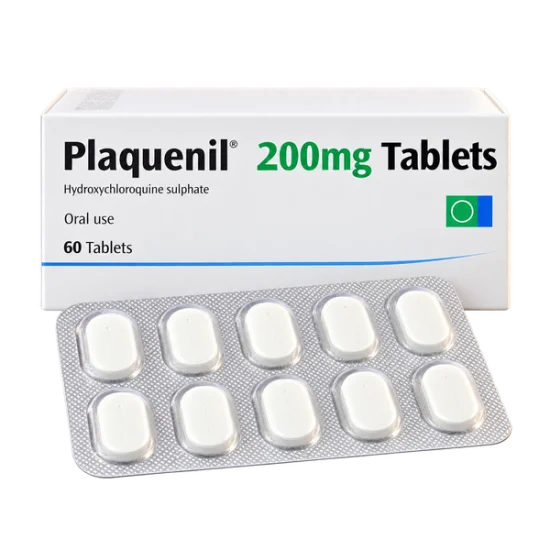
Your order will be securely packed and shipped within 24 hours. This is exactly what your package will look like (images of an actual item sent). It has the size and look of a regular private letter (24x11x0.7 cm) and its contents cannot be seen.

Customer Feedback on Plaquenil

4.1
Based on 5 reviews
Paul, 57 Windsor Three months
Verified
Rating: 4 out of 5

The first week brought mild nausea, so I started taking it with supper. Morning stiffness improved slowly, not overnight. I still needed another treatment for flare-ups.

Oct 22, 2026
Emma, 63 Thunder Bay Four months
Verified
Rating: 5 out of 5

My joint pain became easier to manage by the second month. I disliked the regular eye appointments, but the tests were straightforward. I had brief headaches at the start.

Nov 6, 2026
Peter, 62 Kelowna Three months
Verified
Rating: 3.5 out of 5

The tablets were easy to swallow with food. Sun sensitivity seemed worse during the first summer, so I changed my outdoor routine. The skin symptoms improved, although the medicine was not the only part of treatment.

Oct 26, 2026
Louise F., 62 St. Catharines Six weeks
Verified
Rating: 4.5 out of 5

After six weeks I could tell my hands were less stiff. I missed two doses during a busy week and did not double them. The improvement was gradual and my stomach was unsettled at first.

Nov 11, 2026
Lee V., 58 Victoria Two weeks
Verified
Rating: 3.5 out of 5

The weekly schedule was convenient, but I had vivid dreams and mild queasiness after the first dose. I kept the timing in my calendar and did not experience fever during the trip.

Oct 16, 2026

Sources

  1. Health Canada (2024). Plaquenil Product Monograph
  2. American Academy of Ophthalmology (2016). Recommendations on Screening for Chloroquine and Hydroxychloroquine Retinopathy
  3. American College of Rheumatology (2023). 2023 ACR Guideline for the Screening, Treatment, and Management of Lupus Nephritis
  4. Royal College of Ophthalmologists (2020). Recommendations on Screening for Hydroxychloroquine and Chloroquine Retinopathy
Get our free app Shop faster and track your orders 3.9 · 517 reviews Install