Skip to content
Periactin
Active ingredient: Cyproheptadine

Periactin

Quality products
24/7 Support
Fast delivery
Delivery from 4 days
Select pack Package Per unit Price

Free delivery on orders from $ 312.00, free express delivery from $ 468.00

Secure Payments
Track your order
Best price guarantee

It is intended for people needing relief from histamine-driven sneezing, runny nose, itching, and watery eyes, and it works by blocking H1 receptors.

Overview

Cyproheptadine hydrochloride, the active ingredient of Periactin, is a first-generation H1 antihistamine tablet used for seasonal and perennial allergic rhinitis.

Dosage and administration

Dose and Administration

The regimen for the chosen strength is confirmed with a healthcare professional before starting. For adults, FDA prescribing information has used 4 mg taken two or three times daily as a common starting approach, with the daily amount adjusted to symptom control and tolerability.

  • Swallow the tablet with water.
  • Take doses at consistent times when more than one daily dose is prescribed.
  • The first dose is often best scheduled when driving, operating machinery, or safety-sensitive work is not planned.
  • Do not increase the number of tablets because allergy symptoms feel intense.
  • A short trial may reveal marked drowsiness before the allergy benefit becomes clear.
The first few doses can feel more sedating than later doses. Plan the first dose for a time when you can assess your alertness without needing to drive.

Formulation

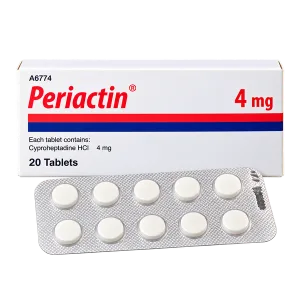
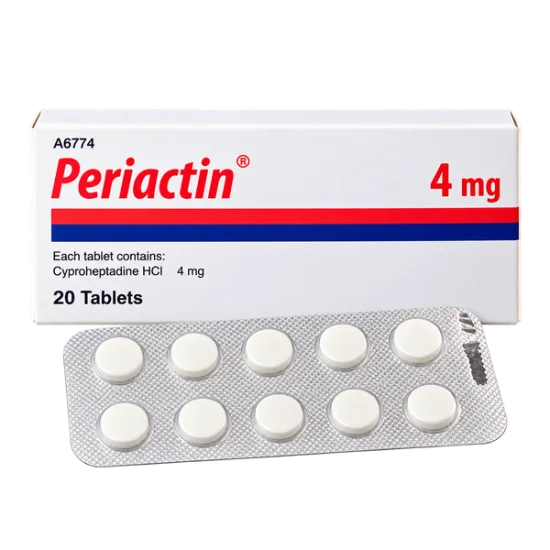
Periactin tablets contain cyproheptadine hydrochloride, an antihistamine with additional anticholinergic and serotonin-blocking activity. Each tablet contains cyproheptadine hydrochloride, and the pack contains 20 tablets. The regimen for the chosen strength should be confirmed with a healthcare professional before starting. The FDA prescribing information lists cyproheptadine for allergic conditions including seasonal and perennial rhinitis, allergic conjunctivitis, urticaria, and some itchy skin reactions [1].

Pharmaceutical feature Periactin details
Active ingredient Cyproheptadine hydrochloride
Strength Confirm with a healthcare professional before starting
Drug class First-generation H1 antihistamine

How it affects the body

Cyproheptadine is a first-generation antihistamine. Its main target is the H1 receptor. Histamine is a chemical released during allergic reactions; when it attaches to H1 receptors, it can trigger nasal itching, repeated sneezing, watery eyes, and a runny nose. Periactin blocks those receptors before histamine can produce its full effect. This action reduces several allergy symptoms.

Unlike newer non-sedating antihistamines, cyproheptadine enters the central nervous system more readily. This helps explain why it can relieve allergy symptoms but may also cause sleepiness, slower reactions, or a heavy-headed feeling.

Therapeutic indications

The FDA prescribing information lists cyproheptadine for allergic conditions including seasonal and perennial rhinitis, allergic conjunctivitis, urticaria, and some itchy skin reactions [1].

Common mistakes

Several avoidable mistakes account for poor tolerability with cyproheptadine.

  • Taking the first dose before driving or working with tools
  • Combining it with alcohol because the tablet was taken for allergies rather than sleep
  • Adding an over-the-counter cold remedy without checking whether it contains another antihistamine
  • Increasing the dose after a bad allergy day without prescriber direction
  • Ignoring constipation, blurred vision, or difficulty urinating
  • Stopping and restarting treatment repeatedly, making it harder to judge both benefit and sedation
Keep a short record for the first week: dose time, allergy symptoms, sleepiness, dry mouth, and any other medicines taken that day. This gives a prescriber useful information if the regimen needs adjusting.

Reasons not to use it

  • A known allergy to cyproheptadine or a tablet ingredient
  • Narrow-angle glaucoma
  • A stomach ulcer causing narrowing or obstruction
  • Bladder-neck obstruction or an inability to pass urine
  • Use of a monoamine oxidase inhibitor, or use within 14 days of stopping one
  • A newborn or premature infant in your care, since cyproheptadine is contraindicated in these groups

When this is not for you

Periactin is useful for allergy symptoms, though its sedating and anticholinergic effects create clear limits. The medicine is not a good fit for every person with rhinitis.

Extra caution is needed with asthma, chronic lung disease, enlarged prostate, overactive thyroid, high blood pressure, heart disease, seizure disorders, or liver impairment. Anticholinergic effects can thicken respiratory secretions, reduce bladder emptying, and worsen constipation.

Do not combine Periactin with alcohol or sedating medicines unless the prescriber managing both treatments has assessed the combination. Many multi-symptom cold and allergy products already contain an antihistamine, so doubling up can lead to pronounced sedation and dry mouth.

When discussing Periactin with a prescriber, mention every sleep aid, motion-sickness medicine, opioid, anxiety treatment, and cold remedy. These are the combinations most often missed because they may be used only occasionally.

Possible side effects

Most side effects reflect cyproheptadine’s effect on the brain and on acetylcholine receptors. Drowsiness is the effect people notice most often, especially during the first days or after a dose increase.

Commonly Reported Adverse Reactions

Common effects can include:

  • Sleepiness, fatigue, dizziness, or reduced concentration
  • Dry mouth or throat
  • Blurred vision
  • Constipation
  • Nausea or stomach discomfort
  • Increased appetite
  • Headache
  • Difficulty passing urine in susceptible people

Drowsiness can be substantial.

Dry mouth may seem minor, yet it can worsen dental discomfort and make speaking for long periods unpleasant. Sipping water regularly, using sugar-free gum, and taking good oral-care precautions may help. Alcohol, sleep medications, opioid pain medicines, and sedating anxiety treatments can make the impairment much stronger.

Older adults can be more sensitive to confusion, constipation, urinary retention, and falls from first-generation antihistamines. The 2023 American Geriatrics Society Beers Criteria lists this group of antihistamines among medicines that can create an unfavourable anticholinergic burden in many adults aged 65 years and older [2].

Avoid judging your reaction to Periactin from a single busy day. Sleep loss, alcohol, cold remedies, and dehydration can each make the same dose feel much stronger.

Urgent medical assessment is warranted for fainting, severe confusion, agitation, a fast or irregular heartbeat, eye pain with blurred vision, facial swelling, or trouble breathing.

Comparison

Cyproheptadine is closest to other first-generation antihistamines in its tendency to cause sedation. Second-generation H1 antihistamines are usually selected when daytime alertness is the priority, while Periactin may suit cases where a prescriber considers its broader receptor actions relevant.

Active ingredient Antihistamine profile Sedation tendency
Cyproheptadine First-generation H1 blocker with anticholinergic activity Higher
Cetirizine Second-generation H1 blocker Lower, though still possible
Loratadine Second-generation H1 blocker Usually low

Cyproheptadine can be effective for itching and nasal allergy symptoms, but its tendency to cause drowsiness is a real trade-off. Cetirizine and loratadine are more selective for peripheral H1 receptors, which means they are less likely to cross into the brain and impair alertness. Rhinitis practice guidance from the Journal of Allergy and Clinical Immunology favours newer antihistamines for many people who need daytime symptom control with less sedation [3].

Periactin also has serotonin-antagonist activity. That property distinguishes it pharmacologically from cetirizine and loratadine, though it does not make it the automatic first choice for routine seasonal allergies.

What doctors say

In clinical practice, prescribers often focus on two points: the allergy symptoms being treated and the person’s need to stay alert during the day. Periactin can be a reasonable option when a sedating first-generation antihistamine is clinically appropriate, though it is rarely ideal for someone who drives long distances, works night shifts, or has frequent fall risk.

Health Canada, the WHO, and the EMA all emphasize medicine use that weighs symptom benefit against effects on alertness, coordination, and interacting medicines. For Periactin, that balance is practical rather than theoretical. A tablet that settles nasal itching but leaves a person unable to function safely during the day may require a different timing plan or a different treatment choice.

The expected result is symptom relief, not instant elimination of every allergy trigger. Persistent blocked nose, wheeze, facial pain, fever, or recurrent sinus symptoms need a clinical review because they may point beyond uncomplicated allergic rhinitis.

Comparison

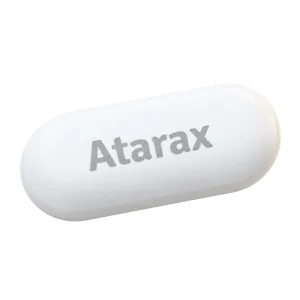
Atarax

Active ingredient: Hydroxyzine
10mg 25mg
From $ 151.32
pills
3.8 (3)

Periactin Current

Active ingredient: Cyproheptadine
4mg
From $ 121.68
pills
4 (5)

Comparison table: Allergies

Common questions

How should Periactin be stored at home and while travelling?

Keep Periactin tablets in a dry place at controlled room temperature, away from humidity and direct heat. A bathroom cabinet is often too damp for regular medicine storage. The FDA’s 2013 prescribing information supports protecting cyproheptadine tablets from conditions that could affect tablet quality. When travelling, keep the medicine in a secure carry-on bag rather than leaving it in a hot vehicle.

Which diet, exercise, or habits help or hinder the result?

Periactin works by blocking histamine receptors, so avoiding personal allergy triggers still matters. WHO guidance from 2023 recognizes allergen avoidance as part of symptom management for respiratory allergies, including reducing exposure to smoke, pet dander, pollen, or dust when these are known triggers. Alcohol can hinder daily functioning because it adds to Periactin-related drowsiness. Regular sleep may also make it easier to identify whether daytime fatigue comes from the medicine or from poor sleep.

How does Periactin differ from the closest alternative by active substance or mechanism?

Periactin contains cyproheptadine, a first-generation antihistamine that crosses the blood-brain barrier more readily than cetirizine or loratadine. EMA information from 2024 uses the distinction between sedating and less-sedating antihistamine profiles when assessing allergy medicines and their effects on alertness. Cetirizine can still cause sleepiness in some people, while loratadine is generally less sedating. Cyproheptadine’s additional anticholinergic and serotonin-blocking effects set it apart pharmacologically.

What should happen after a missed Periactin dose?

Take the missed dose when remembered unless the next planned dose is close. If the next dose is near, skip the missed dose and return to the usual schedule. Do not take two doses together to compensate, since this raises the likelihood of marked drowsiness, dizziness, dry mouth, and blurred vision. The FDA’s 2013 cyproheptadine information supports avoiding unplanned dose escalation.

Can Periactin be used during pregnancy or breastfeeding?

Pregnancy and breastfeeding require an individualized prescriber decision because maternal symptoms, other treatments, and infant factors all matter. The NIH National Library of Medicine’s LactMed database, updated in 2025, advises caution with cyproheptadine during breastfeeding because antihistamines may affect the nursing infant and could reduce milk supply in some circumstances [4]. Sedation in a breastfed infant is a concern with sedating antihistamines. A prescriber can weigh whether another allergy approach is more suitable.

Can Periactin be used under age 18?

Cyproheptadine may be prescribed for children in selected circumstances, but age, body size, diagnosis, and other medicines determine the regimen. The FDA’s 2013 Periactin information states that safety and effectiveness have not been established for children under two years old. Younger patients can be more sensitive to excitation, sleepiness, and anticholinergic effects. Parents should also avoid combining it with cough, cold, or sleep products unless the full medicine list has been reviewed.

Do you offer anonymous delivery?

Your order will be securely packed and shipped within 24 hours. This is exactly what your package will look like (images of an actual item sent). It has the size and look of a regular private letter (24x11x0.7 cm) and its contents cannot be seen.

Storage and shelf life

Keep Periactin tablets in a dry place at controlled room temperature, away from humidity and direct heat. A bathroom cabinet is often too damp for regular medicine storage. When travelling, keep the medicine in a secure carry-on bag rather than leaving it in a hot vehicle.

Customer Feedback on Periactin

4
Based on 5 reviews
Jack, 45 Fredericton
Verified
Rating: 5 out of 5

I used Periactin 4 mg for spring allergies after constant sneezing at night. It made me sleepy for the first three evenings, so I changed the timing with my prescriber. My nose and eye itching settled, and the next-day grogginess became manageable after about a week.

Nov 13, 2026
John, 50 St. John's Two weeks
Verified
Rating: 3.5 out of 5

I took the tablets for two weeks during a flare of year-round rhinitis. The benefit was clear for the runny nose, but my mouth felt dry and I needed more water at work. I would not take it before a long drive.

Oct 16, 2026
Luke, 38 St. Catharines
Verified
Rating: 3.5 out of 5

A 4 mg tablet in the evening helped me sleep through nights when my allergies were keeping me awake. I had less sneezing by the second day. I did not like the heavy feeling the next morning when I took it too late.

Oct 23, 2026
Matthew, 47 Charlottetown
Verified
Rating: 4 out of 5

The tablets reduced my itching and watery eyes after several days. I made the mistake of using a cold-and-flu product at the same time and felt far too drowsy. Once I stopped combining medicines, it was easier to tolerate.

Oct 30, 2026
Darren A., 26 London Ten days
Verified
Rating: 4 out of 5

I used Periactin for ten days for bad seasonal symptoms. It helped the sneezing, but I felt foggy during afternoon classes and decided with my prescriber that a less sedating option fit my routine better. It worked, just not at the best time of day for me.

Nov 7, 2026

Sources

  1. U.S. Food and Drug Administration (2013). Periactin (cyproheptadine hydrochloride) tablets prescribing information.
  2. American Geriatrics Society (2023). 2023 AGS Beers Criteria for Potentially Inappropriate Medication Use in Older Adults.
  3. Journal of Allergy and Clinical Immunology (2020). Rhinitis 2020: A Practice Parameter Update.
  4. National Library of Medicine (2025). Cyproheptadine — Drugs and Lactation Database (LactMed).
Get our free app Shop faster and track your orders 3.9 · 514 reviews Install