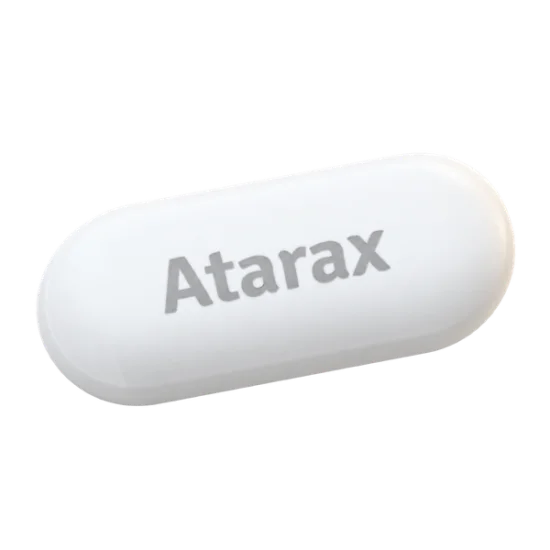
I used Atarax at the prescribed dose for itching that was keeping me awake after a dermatitis flare, for three nights. I felt sleepy within the evening and slept better for three nights. My mouth was very dry the next morning, so I only used it when the itch was at its worst.
Itching from hives, eczema, or dermatitis can become more disruptive when it interferes with sleep. Atarax tablets contain hydroxyzine, a sedating antihistamine used for allergic itching and, in selected cases, short-term anxiety symptoms. By blocking histamine activity and calming central nervous system signalling, it can reduce itch while causing drowsiness.
Overview
Atarax contains hydroxyzine, a first-generation antihistamine with sedative and anxiolytic effects. It is used when histamine-driven symptoms such as itch are prominent, and it may also be prescribed for short-term anxiety or agitation.
Dosage and administration
Oral Tablet Administration
Take Atarax tablets by mouth with water. Food is not required for the medicine to work, though taking it after food may feel more comfortable for people who experience stomach upset.
- Take only the prescribed amount.
- Use the timing selected for the intended effect.
- Do not take an extra tablet to make up for a missed dose.
- Avoid combining doses close together because sedation may become stronger.
- Do not split, crush, or alter tablets unless a prescriber has specifically advised it.
A missed dose is usually skipped if the next planned dose is approaching. Taking two doses together raises the chance of marked sleepiness, confusion, dizziness, and impaired coordination.
Formulation
Atarax is supplied here as oral tablets. Hydroxyzine is the active pharmaceutical ingredient, and generic hydroxyzine tablets use the same active substance.
How it affects the body
Antihistamine Properties and Receptor Blockade
Histamine is a body chemical involved in itching, redness, swelling, hives, and other allergic symptoms. Hydroxyzine blocks H1 histamine receptors, reducing the signal that makes skin feel itchy or irritated.
This action can be useful for urticaria, allergic dermatitis, and eczema-related pruritus. It does not remove the underlying cause of eczema or chronic hives. It aims to make symptoms more manageable.
The European Medicines Agency describes hydroxyzine as an H1-receptor antihistamine and requires cardiovascular precautions because of its effect on cardiac electrical activity in susceptible people [1].
Central Nervous System Effects and Sedation
Hydroxyzine also acts in subcortical areas of the central nervous system. This creates a calming, sedative effect that distinguishes Atarax from less-sedating antihistamines.
Sedation can be substantial.
In clinical practice, this feature is most useful when severe itching is preventing sleep or when anxiety is accompanied by physical restlessness. The same effect can be a drawback for people who need sustained concentration during the day. Dry mouth, slower reaction time, and next-morning grogginess can occur.
Metabolism and Conversion to Cetirizine
After absorption, hydroxyzine is metabolized in the liver. One of its main metabolites is cetirizine, another H1 antihistamine used for allergy symptoms.
Cetirizine contributes to the antihistamine activity that can continue after hydroxyzine has been taken. Cetirizine is generally less sedating than hydroxyzine, though some people still become sleepy with it. The two medicines should not be casually combined because the antihistamine burden and drowsiness may increase.
A pharmacokinetic review indexed in PubMed identifies cetirizine as hydroxyzine’s principal active metabolite and describes hydroxyzine’s central sedative effects [2].

Therapeutic indications
Atarax can reduce pruritus, the medical term for itching, when histamine is contributing to the symptom. Doctors may consider hydroxyzine for hives, allergic eczema, dermatitis, or other itchy allergic skin conditions.
Night-time itch has a different clinical impact than mild daytime itch. Scratching can break the skin, worsen inflammation, and disturb sleep for several nights in a row. A sedating antihistamine can help interrupt that cycle for some people, though topical treatment and treatment of the underlying skin condition may still be needed.
Hydroxyzine does not act like a topical cream. It works throughout the body after oral absorption.
People with chronic urticaria should seek assessment if swelling affects the lips, tongue, throat, or breathing. Those symptoms can indicate a severe allergic reaction requiring urgent medical care.
Hydroxyzine has anxiolytic properties, meaning it can reduce anxiety symptoms. It is sometimes used for short-term anxiety tension, restlessness, or acute situational distress.
Unlike benzodiazepines, hydroxyzine is not used as a controlled sedative and does not produce the same pattern of physical dependence. It still causes central nervous system depression. The absence of benzodiazepine-type dependence does not make it suitable for frequent self-escalation or for combining with other sedating substances.
Common mistakes
- Taking it before driving, operating machinery, or working at heights.
- Combining it with a second antihistamine for stronger allergy relief without checking for duplicate treatment.
- Adding alcohol, cannabis, opioid pain relief, or sleep medication on the same evening.
- Taking a missed dose late and then taking the next scheduled dose too soon.
- Treating palpitations, fainting, or severe dizziness as ordinary tiredness.
- Using it repeatedly for persistent anxiety without reassessment of the underlying condition.
One practical detail is easy to miss: dry mouth can be more than annoying. Sip water regularly, use sugar-free gum if suitable, and maintain dental hygiene because prolonged dry mouth raises the risk of tooth decay.
Reasons not to use it
- A known prolonged QT interval, previous torsades de pointes, or unexplained fainting linked to heart rhythm.
- A slow resting heart rate, low potassium, or low magnesium.
- Use of medicines that can prolong the QT interval or disturb heart rhythm.
- Use of opioids, benzodiazepines, sleep medicines, sedating antidepressants, antipsychotics, or muscle relaxants.
- Pregnancy or breastfeeding, unless the prescriber has specifically assessed the benefit and risk.
- Severe liver or kidney impairment, where the regimen may need adjustment.
- Narrow-angle glaucoma, urinary retention, or significant prostate symptoms.
When this is not for you
Atarax is not for you if you have a known allergy to hydroxyzine, cetirizine, levocetirizine, or closely related piperazine medicines. It is also unsuitable for people with known QT prolongation or a history of certain serious heart-rhythm disorders.
Possible side effects
Sleepiness is the most common limiting effect of Atarax. Other common effects include dry mouth, dizziness, headache, constipation, blurred vision, fatigue, and difficulty concentrating.
Older adults can be more sensitive to sedation and anticholinergic effects. Confusion, unsteadiness, and falls deserve attention in this group. People with glaucoma, urinary retention, or enlarged prostate may also find dry mouth, blurred vision, or difficulty passing urine more troublesome.
Serious reactions are uncommon but require prompt action. Seek urgent medical care for fainting, a fast or irregular heartbeat, severe dizziness, facial swelling, breathing difficulty, or a widespread blistering rash.
Health Canada’s 2016 safety review linked hydroxyzine with a potential risk of abnormal heart rhythm, including QT prolongation, in people with relevant risk factors [3].
The risk rises when several sedating medicines are taken together. It can also rise when dehydration, vomiting, or diarrhoea lowers potassium or magnesium.
Comparison
Atarax has a place when sedation is acceptable or useful. A less-sedating antihistamine may be a better fit when daytime alertness is the priority.
| Option | Main role | Sedation profile |
|---|---|---|
| Hydroxyzine in Atarax | Itch, allergic symptoms, short-term anxiety | Often sedating |
| Cetirizine | Allergy and hives symptoms | Usually less sedating |
| Benzodiazepine anxiolytics | Short-term severe anxiety or panic in selected cases | Sedating, with dependence potential |
Hydroxyzine may be selected over cetirizine when itching is severe at night and sleep disruption is part of the problem. Cetirizine is often preferred for people needing allergy control during working hours because it has less central nervous system penetration.
Benzodiazepines have a different purpose. They can be potent for acute anxiety, yet they carry meaningful risks of tolerance, dependence, falls, and withdrawal. Hydroxyzine may be considered when a clinician wants a non-benzodiazepine option, though its anticholinergic effects and cardiac cautions still matter.
What doctors say
Doctors commonly view Atarax as a targeted option rather than an all-day solution. It can be useful when itch and sleep disruption occur together, or when short-term anxiety needs relief without starting a benzodiazepine.
The World Health Organization identifies medication-related sedation as a meaningful contributor to preventable falls, especially among older people and people using multiple central nervous system medicines. That risk should shape treatment planning in 2026, not be treated as a minor inconvenience [4].
Common questions
Can Atarax be combined with opioid pain medicines, sleep aids, or calming supplements?
Atarax can add to the sedative effects of opioids, benzodiazepines, sleeping tablets, sedating antidepressants, and some herbal calming products. The combination may cause excessive drowsiness, slowed reactions, confusion, poor coordination, or breathing problems. Health Canada’s 2016 hydroxyzine safety review supports careful assessment of interacting medicines that can increase cardiac or central nervous system risks. A prescriber should decide whether the combination is appropriate and whether timing changes are needed.
Driving, concentration, and machinery use
Atarax can impair driving, concentration, judgement, and coordination because hydroxyzine enters the central nervous system. The EMA’s 2015 review reinforced the need to use the lowest suitable exposure and to consider individual risk factors. Do not drive or operate machinery until you know how the tablets affect you. The effect may persist into the next day, especially after an evening dose or when other sedatives are present.
Heart-rhythm conditions as a reason to avoid Atarax
Known QT prolongation is a clear reason to avoid Atarax unless a specialist has made a specific decision otherwise. QT prolongation is a change in the heart’s electrical recovery period that can raise the risk of dangerous arrhythmias. The EMA safety review published in 2015 identified people with cardiac disease, slow heart rate, electrolyte disturbance, or QT-prolonging medicines as higher-risk groups. Palpitations, collapse, or unexplained fainting need urgent assessment.
Best timing for Atarax tablets
The best timing depends on the prescribed purpose and the degree of drowsiness experienced. For night-time itching or anxiety that interferes with sleep, an evening schedule may be chosen because sedation can be useful then. For daytime symptoms, drowsiness can limit its practicality. The FDA hydroxyzine prescribing information, revised in 2016, warns that the medicine may impair mental alertness and motor coordination [5].
Alcohol during Atarax treatment
Alcohol should be avoided while using Atarax because both alcohol and hydroxyzine depress the central nervous system. Together they can intensify sleepiness, dizziness, impaired judgement, and poor coordination. This interaction can be stronger in older adults or when opioid pain medicines, sleep aids, or anxiety medicines are also used. Health Canada’s 2016 safety information supports avoiding combinations that add to hydroxyzine’s sedative burden.
Do you offer anonymous delivery?
Your order will be securely packed and shipped within 24 hours. This is exactly what your package will look like (images of an actual item sent). It has the size and look of a regular private letter (24x11x0.7 cm) and its contents cannot be seen.
Customer Feedback on Atarax
I took it at the prescribed dose during a stressful period when I was restless and not sleeping, for several nights. It settled the physical tension, but I was too foggy to use it before work. Taking it later in the evening worked better for me.
I tried it at the prescribed dose for hives and it reduced the urge to scratch, for several days. The downside was dizziness when I got up during the night, and I stopped after discussing it because I also take medication for my heart rhythm.
Sources
- European Medicines Agency (2015). Hydroxyzine - referral.
- PubMed (2017). Risk of QT prolongation and torsade de pointes associated with exposure to hydroxyzine: re-evaluation of an established drug.
- Health Canada (2016). Summary Safety Review: Hydroxyzine (Atarax and generics) — Assessing the Potential Risk of Abnormal Heart Rhythm.
- World Health Organization (2021). Step Safely: Strategies for Preventing and Managing Falls Across the Life-Course.
- U.S. Food and Drug Administration (2016). Vistaril (hydroxyzine pamoate) Prescribing Information.