I used Motilium for two days after a stomach virus left me nauseated whenever I tried to eat. Taking it before meals helped me keep soup and toast down. My mouth felt dry, but the nausea eased enough that I could get fluids back in.
Motilium is an oral antiemetic containing domperidone for adults with nausea and vomiting. It may help reduce nausea and support stomach movement, with the dose decided individually according to age, other medicines and health conditions.
Overview
Motilium is an antiemetic containing domperidone and supplied as oral tablets. The dose is decided individually, taking age, other medicines and health conditions into account.
Dosage and administration
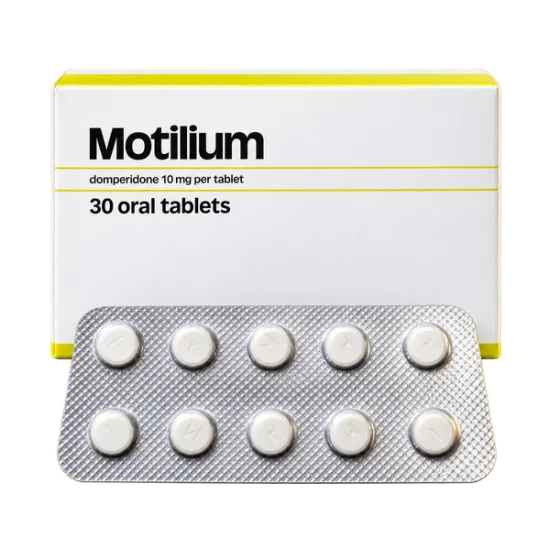
Motilium is supplied as 10 mg oral tablets. Each pack contains 30 tablets.
The tablet form is swallowed with water. Domperidone works best when taken before a meal because food can delay absorption and postpone its effect on gastric movement. The dose is decided individually, taking age, other medicines and health conditions into account.
Do not crush tablets unless a prescriber has specifically advised it. Crushing can make a bitter medicine harder to take and offers no benefit for standard domperidone tablets.
Motilium is generally taken by mouth before meals. For adults, regulatory guidance commonly limits domperidone to the lowest effective dose, used for the shortest practical time. The precise dose and schedule should reflect individual clinical factors, including other medicines and cardiac risk.
- Swallow the tablet with water.
- Take it about 15 to 30 minutes before food.
- Use the prescribed dose only.
- Avoid taking an extra tablet to make up for a missed dose.
- If a dose is missed, take the next scheduled dose at the usual time unless a clinician has provided different directions.
A common patient mistake is taking domperidone after a large meal because nausea has already started. The medicine may still help, yet absorption can be slower after food. Another mistake is treating recurring nausea for weeks without investigating the trigger, such as reflux, migraine, medication intolerance, pregnancy-related vomiting, infection, or delayed gastric emptying.
Health Canada advises limiting domperidone use to the lowest effective dose because risk rises with higher daily exposure, older age, and concurrent medicines that affect heart rhythm or domperidone metabolism [3].

Formulation
Motilium is an antiemetic containing domperidone. It belongs to the dopamine-antagonist group of medicines and is supplied here as oral tablets. The pack contains 30 tablets. The dose is decided individually, taking age, other medicines and health conditions into account.
Active ingredient profile
Domperidone blocks dopamine D2 receptors outside the brain, mainly in the digestive tract and in the chemoreceptor trigger zone involved in nausea. Dopamine can slow stomach movement; reducing its effect may help the stomach empty more efficiently and can ease nausea, early fullness, bloating, and vomiting.
The World Health Organization classifies domperidone among medicines used for functional gastrointestinal disorders and as a propulsive agent, meaning it supports movement through the upper digestive tract [1].
A useful distinction is that Motilium treats the nausea pathway and stomach motility. It does not treat infections, ulcers, gallbladder disease, bowel obstruction, migraine, or other underlying causes of vomiting.
How it affects the body
After an oral tablet is swallowed, domperidone acts mainly in peripheral tissues. It increases pressure at the lower oesophageal sphincter and can speed gastric emptying, which may reduce the feeling that food is sitting heavily in the stomach.
This peripheral pattern is relevant. Domperidone enters the central nervous system less readily than metoclopramide, so movement-related neurological reactions are less common, though they can still occur. Its more significant limitation is cardiac: domperidone can prolong the QT interval, an electrical measurement linked with potentially dangerous rhythm disturbances in susceptible people.
Therapeutic indications
Motilium is used for nausea and vomiting. It may be prescribed when symptoms occur with delayed gastric emptying, medicines that upset the stomach, or short-lived gastrointestinal illness. It should not be used when vomiting may signal a bowel blockage, gastrointestinal bleeding, or a surgical abdominal condition.
The European Medicines Agency reviewed domperidone and restricted its use to nausea and vomiting because evidence for other digestive complaints was less convincing than its cardiac risk profile [2].
Common mistakes
Several avoidable habits make domperidone less useful or less suitable.
- Using it for persistent unexplained nausea: symptoms lasting more than a few days deserve assessment for the underlying cause.
- Taking doses too close together: this increases exposure without reliably improving nausea control.
- Combining it with an antibiotic without reviewing interactions: clarithromycin and erythromycin are important examples.
- Ignoring palpitations or fainting: these are not ordinary digestive side effects.
- Using it for severe bloating alone: domperidone is intended for nausea and vomiting, not routine long-term management of abdominal fullness.
- Assuming a normal appetite means the cause is harmless: dehydration and electrolyte changes can develop even when small meals are still possible.
A less obvious issue is dehydration. Vomiting can lower potassium or magnesium, and low electrolyte levels can themselves increase susceptibility to QT-related rhythm problems.
Reasons not to use it
Motilium is not for you if you have known QT prolongation, a significant heart rhythm disorder, moderate or severe liver impairment, a prolactin-secreting pituitary tumour, or gastrointestinal bleeding, blockage, or perforation.
It should also be avoided with medicines that strongly inhibit CYP3A4 or prolong the QT interval. Examples include certain macrolide antibiotics such as clarithromycin and erythromycin, azole antifungals such as ketoconazole, and several rhythm medicines. Combining these agents can raise domperidone levels or add to electrical stress on the heart.
The EMA’s assessment found a small increased risk of serious cardiac adverse reactions, with higher risk in adults over 60 years, people taking more than 30 mg daily, and those using interacting medicines [4].
When this is not for you
A nausea medicine should not mask warning signs. Repeated vomiting with severe abdominal pain, a swollen abdomen, black stools, blood in vomit, or inability to pass stool needs urgent medical assessment rather than repeated doses.
Possible side effects
Motilium is often tolerated for short-term use, though side effects can occur. Dry mouth, headache, diarrhoea, abdominal cramps, and drowsiness have been reported. Raised prolactin is less common but may cause breast tenderness, breast milk production, menstrual changes, or reduced sexual function.
The most serious concern is an abnormal heart rhythm. Domperidone may lengthen the QT interval, which can trigger palpitations, fainting, ventricular arrhythmia, or sudden cardiac events in people at elevated risk. Risk is greater with heart disease, existing QT prolongation, electrolyte disturbances, severe liver impairment, older age, and medicines that either prolong QT or strongly inhibit CYP3A4 metabolism.
Common tolerability concerns
Mild effects often settle as the nausea improves, though persistent symptoms should be reviewed.
- Dry mouth: sip water regularly and consider sugar-free gum.
- Headache: keep fluids up, since dehydration from vomiting can also cause headaches.
- Abdominal cramping or diarrhoea: seek advice if symptoms are persistent or severe.
- Drowsiness or dizziness: avoid driving or hazardous tasks until you know how the tablets affect you.
- Breast or hormonal symptoms: report unexpected breast discharge, menstrual changes, or breast tenderness.
Comparison
Motilium and a generic domperidone tablet contain the same active substance when both provide domperidone 10 mg. Their therapeutic class and intended action are therefore the same: both are dopamine-antagonist antiemetics used for nausea and vomiting.
| Feature | Motilium | Generic domperidone |
|---|---|---|
| Active ingredient | Domperidone 10 mg | Domperidone at the stated strength |
| Drug class | Dopamine-antagonist antiemetic | Dopamine-antagonist antiemetic |
| Expected therapeutic action | Reduces nausea and supports gastric motility | Reduces nausea and supports gastric motility |
Regulatory standards require a generic medicine to demonstrate comparable bioavailability to its reference medicine. Small differences may exist in inactive ingredients, tablet shape, or coating. Those differences can matter for someone with a known intolerance to a specific excipient.
The key clinical decision is not the name on the tablet. It is whether domperidone is appropriate in light of age, heart rhythm history, liver function, and interacting medicines.
What doctors say
In clinical practice, prescribers tend to use domperidone when nausea and upper-gut sluggishness are the main problems and the person has no meaningful cardiac risk factors. The expected benefit is symptom relief, not treatment of the cause of repeated vomiting.
Doctors also look for patterns. Nausea after a new medicine may point to an adverse effect. Nausea with severe headache may need neurological assessment. Vomiting accompanied by marked abdominal tenderness can require urgent investigation. A short response to Motilium does not rule out a condition that needs separate treatment.
An ECG may be appropriate before treatment in people with a history of arrhythmia, fainting, heart disease, low potassium or magnesium, or use of QT-prolonging medicines. This is a practical precaution, not a routine requirement for every healthy adult using a brief course.
Comparison
Common questions
Can I drink alcohol while using Motilium?
Alcohol can worsen nausea, dehydration, dizziness, and stomach irritation, so avoiding it while symptoms are active is the sensible approach. Alcohol does not directly create the major domperidone interaction seen with strong CYP3A4 inhibitors, yet it can make you feel more light-headed or unwell. Health Canada’s 2015 cardiac safety information also supports avoiding factors that may complicate dehydration or heart-rhythm vulnerability during treatment. If alcohol use is followed by faintness, palpitations, or persistent vomiting, stop drinking and seek urgent medical care.
Can Motilium be used during pregnancy or breastfeeding?
Pregnancy-related nausea needs individual assessment because the cause, severity, hydration status, and other treatments matter. Domperidone is sometimes considered in limited situations, but it is not a first-choice self-directed treatment during pregnancy. The National Library of Medicine updated its LactMed domperidone record in 2024 and notes that domperidone can increase prolactin and milk production, while cardiac risk remains relevant to the person taking it. Breastfeeding use should account for maternal heart-risk factors and the infant’s clinical situation.
What happens when Motilium is stopped, and does it need tapering?
Motilium does not usually require tapering after short-term use for nausea. It does not cause physical dependence in the way that some sedatives, opioids, or antidepressants can. Symptoms may return after stopping if the original trigger is still present, which means the cause needs attention rather than a longer unsupervised course. EMA guidance published in 2014 supports short-duration use at the lowest suitable dose.
Which symptoms mean I should stop Motilium and seek urgent medical care?
Stop Motilium and seek urgent assessment for a fast or irregular heartbeat, palpitations, chest pain, fainting, near-fainting, severe dizziness, or unexplained shortness of breath. These symptoms can indicate a significant heart-rhythm problem, especially if an interacting medicine has recently been started. Severe abdominal pain, a rigid or swollen abdomen, vomiting blood, black stools, or inability to keep fluids down also require urgent assessment. Health Canada identified serious abnormal heart rhythms and sudden cardiac death as the central safety concern in its domperidone review published in 2015.
How does Motilium differ from metoclopramide?
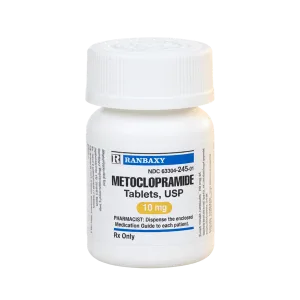
Both domperidone and metoclopramide can reduce nausea and promote gastric emptying, but their distribution in the body differs. Metoclopramide crosses into the brain more readily and has a greater risk of extrapyramidal reactions such as restlessness, involuntary movements, and dystonia. Domperidone has less central nervous system penetration, while its cardiac QT-risk profile requires careful interaction screening. The FDA’s 2017 prescribing information for metoclopramide carries a boxed warning about tardive dyskinesia, a persistent movement disorder associated with longer use [5].
Should Motilium be taken with food or on an empty stomach?
Motilium is generally taken 15 to 30 minutes before meals. Taking it before food allows absorption to begin before the meal reaches the stomach and may better support its pro-motility effect. A tablet taken after eating is not dangerous solely because of the timing, though the onset may be less predictable. EMA recommendations from 2014 support using domperidone at the lowest appropriate dose for nausea and vomiting.
Can Motilium be combined with macrolide antibiotics or antifungal medicines?
Macrolide antibiotics such as clarithromycin and erythromycin, plus azole antifungals such as ketoconazole, can be unsafe combinations with domperidone. These medicines can inhibit CYP3A4, raising domperidone exposure, and some can also prolong the QT interval themselves. The combined effect can increase the chance of a dangerous cardiac rhythm disturbance. The EMA’s 2014 review specifically identified interacting medicines as a major factor when assessing domperidone safety.
Do you offer anonymous delivery?
Your order will be securely packed and shipped within 24 hours. This is exactly what your package will look like (images of an actual item sent). It has the size and look of a regular private letter (24x11x0.7 cm) and its contents cannot be seen.
Customer Feedback on Motilium
I took the tablets before meals for nausea linked to a new pain medicine. The first dose helped within the day, although I had a mild headache that evening. I stopped once the pain medicine was changed and did not need it again.
I had used Motilium for a few days when reflux and nausea were bothering me. It reduced the queasy feeling, but the bloating kept returning after I stopped. My clinician looked further into the reflux instead of extending the course.
I took it for nausea during a gastrointestinal illness and found the timing before food made a difference. I did not like the dry mouth, and I was more cautious after learning it could interact with some antibiotics. It was useful for the short episode, not something I wanted to keep taking.
Sources
- WHO Collaborating Centre for Drug Statistics Methodology (2025). ATC/DDD Index 2025
- European Medicines Agency (2014). CMDh confirms recommendations on restricting use of domperidone-containing medicines
- Health Canada (2015). Summary Safety Review: Domperidone — Serious abnormal heart rhythms and sudden cardiac death
- European Medicines Agency (2014). Domperidone: Article 31 referral — Assessment report
- U.S. Food and Drug Administration (2017). Reglan (metoclopramide) tablets prescribing information