Skip to content
Evista
Active ingredient: Raloxifene

Evista

Quality products
24/7 Support
Fast delivery
Delivery from 4 days
Select pack Package Per unit Price

Free delivery on orders from $ 312.00, free express delivery from $ 468.00

Secure Payments
Track your order
Best price guarantee

Tablets containing raloxifene hydrochloride are taken by mouth once daily, with or without food. Evista is prescribed for postmenopausal women with osteoporosis or increased risk of invasive breast cancer. Its selective estrogen receptor activity supports bone tissue while limiting estrogen-like stimulation in breast and uterine tissue.

Overview

Evista is prescribed for postmenopausal women with osteoporosis or increased risk of invasive breast cancer. Its selective estrogen receptor activity supports bone tissue while limiting estrogen-like stimulation in breast and uterine tissue.

Dosage and administration

The dose is decided individually, taking age, other medicines, and health conditions into account.

  • Take one tablet by mouth each day.
  • Take it at any time of day.
  • Take it with or without food.
  • Swallow the tablet with water.
  • Keep the dosing time reasonably consistent.
  • Continue calcium and vitamin D measures when recommended for bone health.
  • Stop temporarily before prolonged immobilization when instructed, such as before major surgery or during extended bed rest.

Raloxifene can be taken with food, so breakfast is acceptable if that routine improves adherence. A patient who takes several medicines in the morning may choose another daily time to avoid confusion.

If a dose is missed, take it when remembered unless the next scheduled dose is near. Do not take two tablets on the same day to compensate. The treatment plan may be adjusted when kidney function, liver function, age, or interacting medicines change.

Extended immobility raises clot risk. Tell the prescribing clinician about planned surgery, a long hospital stay, or a period when walking will be difficult.

A useful practical detail is that raloxifene does not require fasting. This differs from some oral osteoporosis treatments that have strict administration rules involving water, posture, or meal timing.

Formulation

Evista contains raloxifene hydrochloride, a selective estrogen receptor modulator (SERM). Raloxifene belongs to a group of medicines that produce estrogen-like effects in some tissues and estrogen-blocking effects in others.

The active substance is used in postmenopausal health for two main reasons:

  • Treatment and prevention of postmenopausal osteoporosis
  • Reduction of invasive breast cancer risk in selected postmenopausal women

Evista tablets are taken orally. Raloxifene is not a general hormone replacement product, and it does not provide the broad estrogen effects associated with systemic estrogen therapy.

The dose is decided individually, taking age, other medicines, and health conditions into account. Calcium and vitamin D intake may also need assessment when dietary intake is inadequate. Health Canada describes raloxifene as a treatment option for postmenopausal osteoporosis, with selection based on the patient’s fracture risk and medical history [1].

Raloxifene is intended for postmenopausal women. A history of blood clots changes the risk assessment before treatment begins.

How it affects the body

Raloxifene binds to estrogen receptors. Its effect changes according to the tissue involved and the receptor activity produced in that tissue.

In bone, raloxifene acts in an estrogen-like manner. It reduces the rate of bone remodelling, helping preserve bone mineral density after menopause. In breast tissue, its activity is anti-estrogenic, which explains its role in reducing the risk of some invasive breast cancers in appropriate postmenopausal women. The drug also has estrogen-receptor effects in the uterus that differ from systemic estrogen therapy.

This tissue-selective activity is the defining feature of a SERM. It gives raloxifene a different clinical profile from estrogen or progestin hormones, which act more broadly across estrogen-sensitive tissues. The European Medicines Agency describes raloxifene’s benefit in osteoporosis through reduced bone turnover and its breast-related effect through estrogen receptor modulation [3]. The U.S. Food and Drug Administration also publishes prescribing information for raloxifene.

Raloxifene does not build new bone in the same way as an anabolic osteoporosis treatment. Its main role is to slow bone loss and reduce fracture risk in the population for which it is prescribed. It also does not treat the pain of an acute fracture.

Therapeutic indications

Evista is used for post-menopausal osteoporosis, a condition in which bone becomes less dense and more vulnerable to fractures. Raloxifene reduces bone breakdown by activating estrogen receptors in bone tissue. Clinical treatment focuses mainly on vertebral fracture risk and preservation of bone mineral density.

Raloxifene can also reduce the risk of invasive breast cancer in selected postmenopausal women with osteoporosis or elevated breast cancer risk. It does not treat an existing breast tumour, and it is not used to prevent every form of breast cancer.

Clinical use Main therapeutic aim Population
Postmenopausal osteoporosis Maintain bone density and reduce vertebral fracture risk Postmenopausal women
Osteoporosis prophylaxis Help limit bone loss after menopause Women with relevant fracture risk
Invasive breast cancer risk reduction Lower the risk of selected invasive breast cancers Selected postmenopausal women

The breast cancer risk-reduction indication requires individual assessment. Family history, breast density, previous biopsy results, age, cardiovascular risk, and clotting history can affect the balance of benefit and harm. The World Health Organization describes osteoporosis as a major cause of fragility fractures, with prevention involving medication, adequate calcium and vitamin D, physical activity, and fall-risk reduction [2].

Common mistakes

Several patterns can reduce the benefit of treatment or increase avoidable risk:

  • Taking two tablets after a missed dose
  • Stopping calcium and vitamin D intake without reviewing dietary sources
  • Continuing treatment through prolonged immobilization without asking for instructions
  • Ignoring one-sided leg swelling or sudden breathing difficulty
  • Assuming raloxifene treats hot flashes
  • Combining it with systemic estrogen without a medication review
  • Treating persistent back pain as a normal part of osteoporosis
  • Skipping follow-up assessments because the medicine is taken only once daily
If morning medicines are already numerous, pair Evista with a stable daily routine such as brushing teeth at night, provided the tablet remains easy to remember and swallow.

Falls prevention still matters during treatment. Adequate lighting, suitable footwear, strength exercises, vision review, and removal of loose rugs can reduce fracture risk independently of bone density.

Reasons not to use it

Important contraindications and precautions include:

  • Pregnancy
  • Breastfeeding or lactation
  • Premenopausal status
  • Active venous thromboembolism
  • Severe hepatic impairment
  • Severe renal impairment
  • Unexplained uterine bleeding requiring assessment
  • Prolonged immobilization
  • A high risk of stroke or serious cardiovascular events

Raloxifene must not be used during pregnancy. It can harm fetal development and offers no appropriate pregnancy-related benefit. Breastfeeding is also incompatible with treatment because raloxifene is not intended for lactation.

Patients with liver disease or severe kidney impairment require careful medical evaluation. Reduced organ function can alter medication handling and may increase uncertainty about tolerability. Menopause should be established before treatment begins.

Raloxifene should be stopped before planned prolonged immobilization according to the prescriber’s instructions. Treatment is generally resumed only after normal mobility returns.

When this is not for you

Evista is not suitable for everyone. This medication is not for you if you have an active or previous venous thromboembolic event, such as deep vein thrombosis, pulmonary embolism, or retinal vein thrombosis, unless a specialist has established a different plan.

Possible side effects

The most frequently reported adverse effects include hot flashes and leg cramps. These symptoms may be more noticeable early in treatment and can affect sleep, comfort, or willingness to continue. Peripheral swelling and flu-like symptoms have also been reported.

Possible effects include:

  • Hot flashes or flushing
  • Leg cramps
  • Swelling of the hands, feet, or ankles
  • Joint or muscle discomfort
  • Headache
  • Nausea or gastrointestinal upset
  • Skin reactions
  • Increased sweating

The most clinically serious risk is venous thromboembolism. This includes deep vein thrombosis and pulmonary embolism. A deep vein thrombosis may cause one-sided leg swelling, warmth, tenderness, or pain. A pulmonary embolism may cause sudden shortness of breath, chest pain, coughing, or coughing blood. These symptoms require urgent medical assessment.

Stroke-related risk also requires attention in women with a history of stroke or significant cardiovascular risk. The risk-benefit calculation is not identical for every patient. Age, smoking, hypertension, atrial fibrillation, and previous vascular disease influence the decision.

A common patient mistake is attributing new calf pain to muscle strain without considering the timing of treatment and recent immobility. Another is stopping treatment abruptly because hot flashes appear before discussing whether the symptom can be managed or whether a different option is preferable.

New one-sided calf swelling, sudden breathlessness, or unexplained chest pain is not a routine side effect. It can signal a clot and needs urgent assessment.

Comparison

Treatment selection depends on fracture location, kidney function, gastrointestinal tolerance, breast cancer risk, clot history, and menopausal symptoms. Raloxifene may suit a postmenopausal woman who needs vertebral bone protection and wants a non-estrogen treatment with breast cancer risk-reduction activity. Its limitation is the venous thromboembolism risk and its less established role for preventing hip fractures.

Option Pharmacological profile Practical distinction
Evista, raloxifene SERM; estrogen-like effect in bone and anti-estrogenic effect in breast tissue Oral daily treatment; clot risk must be assessed
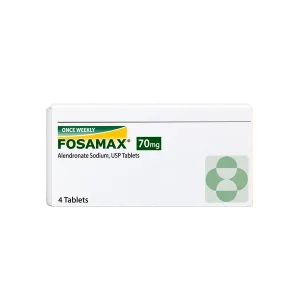
Alendronate Bisphosphonate; reduces osteoclast-mediated bone resorption Often used for broader fracture prevention, with administration rules and kidney considerations
Systemic estrogen therapy Hormonal estrogen, sometimes combined with progestin May help menopausal symptoms but has broader hormone-related risks

Alendronate is a bisphosphonate rather than a SERM. It may be selected when hip and non-vertebral fracture prevention is a major priority, though gastrointestinal tolerance, kidney function, and dosing posture requirements affect suitability.

Systemic estrogen therapy can relieve vasomotor symptoms and prevent bone loss, but it is not interchangeable with raloxifene. Estrogen or progestin hormones have a wider tissue effect and require assessment of breast, uterine, cardiovascular, and thrombotic risks.

Tamoxifen is another SERM, but its approved uses and adverse-effect profile differ from raloxifene. It should not be substituted for Evista without a specific clinical reason.

What doctors say

In clinical practice, doctors often assess the fracture pattern before choosing a bone medicine. A vertebral fracture may support a different treatment decision from isolated low bone density without a fracture. The presence of hip fracture risk, severe kidney disease, or frequent hot flashes can also change the preferred option.

A physician would usually explain that raloxifene works gradually. Bone density monitoring is not a short-term test of whether the medicine is working, and treatment decisions are based on fracture risk, clinical history, and changes over time.

Doctors also pay close attention to mobility. A patient may tolerate raloxifene well during normal daily activity but need a temporary interruption during major surgery or prolonged bed rest. This is one reason the medication list should be reviewed before hospital admission.

The Canadian Association of Radiologists and osteoporosis-care groups generally use bone mineral density together with clinical fracture-risk factors rather than relying on one measurement alone. A number on a scan does not capture every reason a fracture may occur.

Comparison

Comparison table: Osteoporosis

Common questions

Can alcohol be used while taking Evista?

Health Canada’s prescribing information does not identify a direct alcohol interaction that automatically prohibits occasional alcohol use, but alcohol can increase falls and may worsen hot flashes or sleep disruption. Osteoporosis already increases the consequences of falls, so heavy drinking is medically unhelpful. A 2025 clinical review from the World Health Organization continues to associate alcohol exposure and falls with poorer bone-health outcomes. Avoid alcohol entirely if it makes you unsteady, causes missed doses, or forms part of a broader liver-health concern.

Which condition rules out Evista?

An active or previous venous thromboembolic event, such as deep vein thrombosis or pulmonary embolism, rules out routine Evista treatment. The 2013 Health Canada product monograph identifies thromboembolic disease as a contraindication because raloxifene can increase clot risk. The same concern applies when a patient is expected to remain immobile for a prolonged period. New calf swelling, sudden breathlessness, or chest pain needs urgent medical assessment rather than a routine follow-up.

Can Evista be used during pregnancy or breastfeeding?

Evista should not be used during pregnancy or while breastfeeding. The European Medicines Agency identifies raloxifene as a postmenopausal treatment, so pregnancy and lactation fall outside its intended clinical use. A 2024 review from the WHO emphasizes that medicines with reproductive or hormonal effects require a separate risk assessment during pregnancy and lactation.

What should happen if the expected result does not come?

Raloxifene does not produce a noticeable sensation when it is preserving bone or reducing fracture risk. The 2013 Health Canada product monograph supports follow-up based on fracture history, treatment adherence, adverse effects, and bone mineral density assessment rather than symptoms alone. If a fracture occurs, bone density falls, or hot flashes become difficult to manage, the treatment plan should be reassessed. Do not increase the dose independently.

What should happen after a missed dose?

Take the missed tablet when remembered unless the next dose is close. Skip it when the next scheduled dose is approaching, then return to the normal daily schedule. Do not take two tablets together. The 2010 EMA product information supports avoiding double dosing because extra raloxifene does not restore missed treatment and may increase adverse effects.

How soon does the effect become noticeable?

Bone protection is gradual and may not cause a noticeable physical sensation. Hot flashes or leg cramps can appear earlier than any measurable change in bone mineral density. The 2010 European Medicines Agency product information evaluates raloxifene through longer-term bone and fracture outcomes, while bone-density monitoring is usually performed at clinically appropriate intervals rather than after a few days. A lack of immediate symptoms does not prove that treatment has failed.

Do you offer anonymous delivery?

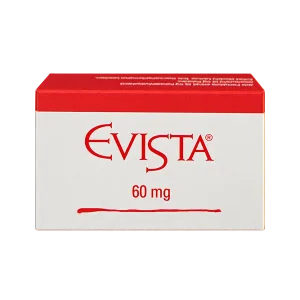
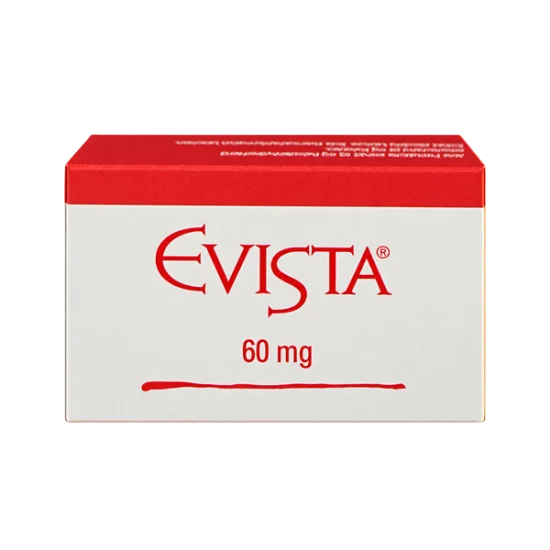
Your order will be securely packed and shipped within 24 hours. This is exactly what your package will look like (images of an actual item sent). It has the size and look of a regular private letter (24x11x0.7 cm) and its contents cannot be seen.

Customer Feedback on Evista

2.9
Based on 4 reviews
Michelle A., 43 Peterborough About four months
Verified
Rating: 3 out of 5

I started Evista after my bone scan showed loss after menopause. The tablet was easy to fit into my morning routine, and I did not have stomach irritation. Hot flashes were more noticeable during the first few weeks, so my doctor and I discussed whether continuing was suitable.

Nov 3, 2026
Amy, 53 Hamilton Six months
Verified
Rating: 3.5 out of 5

My main reason for starting was osteoporosis with a family history of breast cancer. I had occasional leg cramps at night, which improved when I paid more attention to fluids and stretching. I still needed follow-up because the medicine was not an instant change I could feel.

Oct 6, 2026
Lucy, 32 St. Catharines Three months
Verified
Rating: 2 out of 5

I was not postmenopausal, so Evista was not appropriate for me after the initial discussion. The appointment clarified that age alone does not determine suitability and that raloxifene is intended for postmenopausal women.

Oct 20, 2026
Ruth, 31 Quebec City Several weeks
Verified
Rating: 3 out of 5

I had to stop and review the plan because I was due to have surgery with a period of limited mobility. The extra planning was inconvenient, but it helped me understand why clot risk matters with this treatment.

Oct 28, 2026

Sources

  1. Health Canada (2013). Evista (raloxifene hydrochloride) Product Monograph
  2. World Health Organization (2022). Assessment of osteoporosis at the primary health care level
  3. European Medicines Agency (2010). Evista: Summary of Product Characteristics
Get our free app Shop faster and track your orders Install