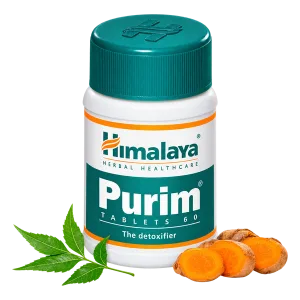
I used Purim for six weeks as part of a simpler routine after stopping several other supplements. I took the individually selected daily amount consistently and felt that it was easy to keep up with. I did not notice a dramatic change, though my stomach felt settled and I preferred that it was a tablet.
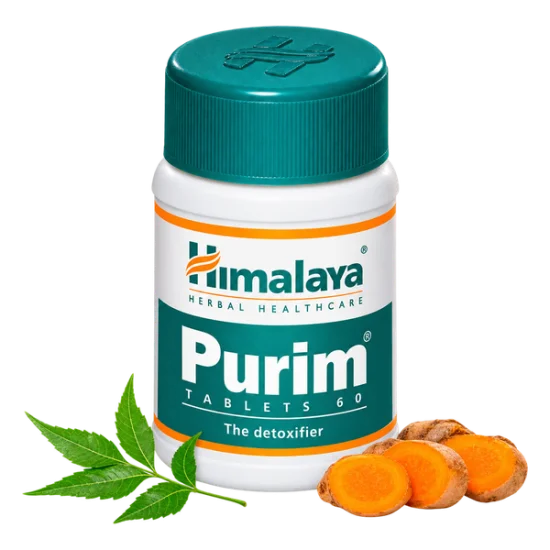
The herbal components in Purim are presented as oral tablets for adults seeking herbal support for normal detoxification processes. The bottle contains 60 tablets and is positioned within herbal healthcare. Its tablet format suits a regular oral wellness routine.
Overview
Purim is an oral herbal product in tablet form. It is marketed as a detoxifier, a term commonly used in wellness products to describe support for the body’s normal processing and elimination functions rather than a treatment for disease.
Dosage and administration
Purim is taken by mouth as a tablet. The amount per intake is set individually rather than being one fixed amount for every person. A steady routine matters more than taking extra tablets after a missed intake.
Use Purim as part of a stable daily routine:
- Take the individually selected amount orally at a consistent time.
- Swallow tablets whole with water unless a clinician has given different directions.
- Do not double the next intake after forgetting a tablet.
- Avoid starting several new herbal products at the same time.
- Stop use if a suspected allergic reaction develops.
Can Purim tablets be split, crushed, or chewed?
Swallow Purim tablets whole with water unless individualized clinical advice says otherwise. Splitting, crushing, or chewing can make the tablets unpleasant to take and may increase mouth or stomach irritation. This approach also makes routine use less consistent when tablet portions are uneven. Health Canada’s 2010 traditional-medicine framework supports use that aligns with the intended dosage form and safety information.
Should Purim be taken with food or on an empty stomach?
The best timing is the time that supports regular use without stomach discomfort. People who notice nausea or irritation with an oral herbal tablet may prefer taking it around a meal, while others tolerate it with water at another consistent time. The WHO’s 2004 guidance on herbal safety supports watching for individual tolerability and possible adverse effects rather than assuming one routine fits everyone. Do not take an extra tablet to compensate for a missed intake.
Formulation
Purim is an oral herbal product supplied as tablets. The available information does not specify the individual herbal ingredients or their amounts. The bottle contains 60 tablets and the product is presented for adult herbal wellness support.
How it affects the body
Purim is marketed as a detoxifier for adults seeking herbal support for the body's normal detoxification and elimination processes. It is used as part of a regular oral wellness routine, with the amount per intake selected individually rather than fixed for every person.
Therapeutic indications
Purim is used as a regular herbal wellness product for adults seeking herbal support for normal detoxification processes.
Common mistakes
Taking more tablets after a missed intake is a common mistake. It does not make an herbal product work faster and can increase the chance of stomach upset.
Another mistake is using Purim alongside several newly added products. If itching, nausea, or a rash appears, it becomes difficult to tell what caused it. Start only one new oral wellness product at a time when possible.
Some people judge results after only a few days. Herbal wellness products are better assessed through consistency and tolerability rather than day-to-day fluctuations. Others continue despite symptoms that clearly started after use. Repeated nausea, rash, or digestive upset should not be ignored.
Crushing or chewing tablets without a specific reason is also unhelpful. It can leave an unpleasant taste, make the dose harder to take, and may worsen local mouth or stomach irritation for some people.
Reasons not to use it
- A prior serious allergic reaction to a herbal supplement.
- Pregnancy or breastfeeding unless an obstetric clinician has specifically agreed that the product is suitable.
- Known liver disease, unexplained abnormal liver tests, or a history of liver injury linked to medicines or supplements.
- Active severe vomiting, diarrhea, dehydration, or difficulty swallowing tablets.
- A child or adolescent use case without individualized clinical advice.
Extra care is needed for people taking prescription medicines, since herbal ingredients may affect absorption, metabolism, or the clinical effect of some treatments. This is most relevant with anticoagulants, antiplatelet medicines, diabetes treatments, immunosuppressants, seizure medicines, and drugs used for liver conditions.
Health Canada’s traditional-medicine licensing framework recognizes that herbal products need consideration of intended use, safety information, and the context of concurrent medicines. [2]
When this is not for you
Purim is not for you if you have previously had an allergic reaction after taking Purim or another oral herbal tablet with similar ingredients.
Possible side effects
Many people tolerate herbal tablets without major difficulty, yet natural origin does not mean zero risk. Mild digestive upset can occur with oral herbal products, including nausea, stomach discomfort, looser stools, or changes in appetite. A new rash, itching, facial swelling, wheezing, or throat tightness can indicate an allergic reaction and calls for stopping the product and seeking urgent care.
Take note of symptoms that begin soon after Purim is introduced. A reaction that repeatedly occurs after use deserves attention, even if it seems mild at first. Do not continue through persistent vomiting, significant diarrhea, dark urine, yellowing of the eyes or skin, or severe fatigue.
The European Medicines Agency’s pharmacovigilance guidance treats reports of suspected adverse reactions as clinically useful information, including reactions involving herbal preparations. [1]
Can I drink alcohol while using Purim?
Alcohol can irritate the stomach and may make it harder to judge the cause of nausea, reflux, loose stools, or fatigue that develops during a new herbal routine. For people using Purim as a wellness product, limiting alcohol is the more cautious approach when assessing tolerance. The WHO’s 2004 herbal-safety guidance emphasizes careful recognition of suspected reactions and contributing exposures. If alcohol use is heavy or liver-related symptoms are present, do not use Purim as a self-treatment. A clinician can help assess whether those symptoms need investigation.
Can Purim be combined with blood thinners or antiplatelet medicines?
Avoid starting Purim without prescriber input if you take anticoagulants or antiplatelet medicines, including treatments used to reduce clotting risk. Herbal ingredients can affect bleeding tendency or alter how medicines are processed, and the consequence can be clinically significant. EMA pharmacovigilance guidance updated in 2017 supports assessment of suspected interactions alongside all concurrent products. Seek urgent care for unusual bruising, black stools, vomiting blood, or bleeding that does not stop.

Comparison
Purim is an oral herbal tablet. Its practical role differs from topical skincare routines and prescription treatments used for diagnosed skin, liver, hormonal, or digestive conditions.
| Approach | Main format | Practical distinction |
|---|---|---|
| Purim | Oral herbal tablet | Used as a regular herbal wellness product |
| Topical skincare care | Cream, gel, cleanser, or lotion | Acts on the surface of the skin rather than through oral intake |
| Prescription treatment | Medicine selected for a diagnosed condition | Chosen according to a specific diagnosis, medical history, and treatment target |
Oral herbal tablets may appeal to people who prefer a simple daily format. A limitation is that effects cannot be judged overnight, and individual tolerance varies. Topical care may be more suitable when the goal is limited to surface skin comfort, while prescription treatment is used when there is a defined medical condition requiring diagnosis and targeted care.
Purim should not be expected to replace treatment for persistent acne, widespread rash, jaundice, unexplained weight loss, severe abdominal pain, or other symptoms that may need medical assessment.
What doctors say
In clinical practice, physicians usually focus first on the reason a person wants a detoxifier, while guidance from the U.S. Food and Drug Administration and NICE can support review of symptoms and treatment needs. Mild, occasional concerns may fit a wellness approach. Persistent symptoms need a clearer explanation before more products are added.
A sensible expectation is modest support within a broader routine that includes adequate fluids, regular meals, sleep, and avoidance of known personal triggers. Purim is not a quick solution for a condition that has continued for months.
One practical point from routine medication reviews is that people often forget to count teas, powders, gummies, and herbal tablets as supplements. They still matter when assessing possible interactions or side effects.
Comparison
Common questions
Can I drink alcohol while using Purim?
Alcohol can irritate the stomach and may make it harder to judge the cause of nausea, reflux, loose stools, or fatigue that develops during a new herbal routine. For people using Purim as a wellness product, limiting alcohol is the more cautious approach when assessing tolerance. The WHO’s 2004 herbal-safety guidance emphasizes careful recognition of suspected reactions and contributing exposures. If alcohol use is heavy or liver-related symptoms are present, do not use Purim as a self-treatment. A clinician can help assess whether those symptoms need investigation.
How does Purim differ from a single-ingredient herbal tablet?
Purim is an herbal wellness tablet rather than a named single-active-ingredient medicine. A single-ingredient herbal product may make it easier to identify which plant component caused a benefit or adverse reaction, while a multi-component approach aims to combine plant-based effects. Health Canada’s 2010 pathway for traditional medicines distinguishes products through their ingredient information, intended use, and safety evidence. Neither format should be treated as a replacement for diagnosis of persistent symptoms.
Can Purim be combined with blood thinners or antiplatelet medicines?
Avoid starting Purim without prescriber input if you take anticoagulants or antiplatelet medicines, including treatments used to reduce clotting risk. Herbal ingredients can affect bleeding tendency or alter how medicines are processed, and the consequence can be clinically significant. EMA pharmacovigilance guidance updated in 2017 supports assessment of suspected interactions alongside all concurrent products. Seek urgent care for unusual bruising, black stools, vomiting blood, or bleeding that does not stop.
Can Purim tablets be split, crushed, or chewed?
Swallow Purim tablets whole with water unless individualized clinical advice says otherwise. Splitting, crushing, or chewing can make the tablets unpleasant to take and may increase mouth or stomach irritation. This approach also makes routine use less consistent when tablet portions are uneven. Health Canada’s 2010 traditional-medicine framework supports use that aligns with the intended dosage form and safety information.
Should Purim be taken with food or on an empty stomach?
The best timing is the time that supports regular use without stomach discomfort. People who notice nausea or irritation with an oral herbal tablet may prefer taking it around a meal, while others tolerate it with water at another consistent time. The WHO’s 2004 guidance on herbal safety supports watching for individual tolerability and possible adverse effects rather than assuming one routine fits everyone. Do not take an extra tablet to compensate for a missed intake.
Do you offer anonymous delivery?
Your order will be securely packed and shipped within 24 hours. This is exactly what your package will look like (images of an actual item sent). It has the size and look of a regular private letter (24x11x0.7 cm) and its contents cannot be seen.
Customer Feedback on Purim
I took the individually selected daily amount of Purim for about a month. The first few days brought mild stomach discomfort when I used it before breakfast, so I changed my routine and the discomfort did not return. It was not a fast result product for me, but I found the routine manageable.
I used Purim daily for eight weeks while keeping my skincare routine unchanged. My skin seemed less uneven by the end of the second month, though I cannot say the tablets were the only reason. I liked not having to add another topical product.
I took the individually selected daily amount for four days, then stopped because I developed itching on my arms. It may have been unrelated, but it started shortly after I began the tablets and I did not want to keep testing it. The tablets were easy to swallow before that.
I took one tablet of Purim daily for five weeks after simplifying my supplement routine. I did not get a major visible change, but I had no digestive issues and found it easier to stay consistent with one tablet product than several powders. I would have preferred clearer personal guidance on timing.
Sources
- European Medicines Agency (2017). Guideline on Good Pharmacovigilance Practices: Module VI — Management and Reporting of Adverse Reactions to Medicinal Products.
- Health Canada (2010). Pathway for Licensing Natural Health Products Used as Traditional Medicines.