The frightening thoughts became less intrusive after the first part of treatment. I also developed a strong urge to pace in the evenings, and reducing that problem took another appointment.
Haldol is used for severe psychiatric symptoms associated with schizophrenia and for disabling tics or vocal outbursts linked to Tourette’s syndrome. Its active substance, haloperidol, reduces excessive dopamine signalling in the brain. Tablets are taken on an individualized schedule established by a prescriber.
Overview
Haldol is used for severe psychiatric symptoms associated with schizophrenia and for disabling tics or vocal outbursts linked to Tourette’s syndrome. Its active substance, haloperidol, is a first-generation antipsychotic that reduces excessive dopamine signalling in the brain.
Dosage and administration
Haldol tablets are taken by mouth. The amount and frequency depend on the purpose of treatment and are agreed with a doctor or pharmacist.
- Take the tablets at the scheduled times.
- Swallow them with water.
- Use the same daily routine when possible.
- Do not increase the amount because symptoms feel worse.
- Do not stop suddenly unless the prescriber gives that instruction.
- Keep every follow-up appointment used to assess movement, alertness, mood, and symptom control.
Older adults and people with liver disease may need a more cautious treatment plan. The same applies to people with cardiovascular disease, a history of seizures, or previous sensitivity to antipsychotic medicines.
Management of Missed Doses
If a dose is forgotten, take it when remembered unless the next scheduled dose is close. In that situation, skip the forgotten dose and return to the regular schedule. Do not take two doses together to compensate.
One practical mistake is taking an extra tablet after a difficult evening. Haloperidol does not work like a simple sleep aid, and extra dosing can increase sedation, muscle symptoms, low blood pressure, or heart-rhythm risk.
Formulation
Haldol tablets contain haloperidol, the active substance. Haloperidol is a first-generation butyrophenone antipsychotic that reduces excessive dopamine signalling in the brain. The amount and frequency are individualized by a doctor or pharmacist.
How it affects the body
Haloperidol is a first-generation antipsychotic. It mainly blocks dopamine D2 receptors in the central nervous system. Dopamine is a neurotransmitter involved in movement, motivation, reward, and the processing of thoughts and perceptions.
Excess dopamine activity in certain neural pathways can contribute to hallucinations, delusions, and disorganized behaviour. By reducing D2-receptor stimulation, haloperidol can lessen these symptoms. The same receptor effect in movement pathways explains why stiffness, tremor, slowed movement, or restlessness may occur.
The mechanism can be summarized as:
- Haloperidol reaches the brain after oral administration.
- It occupies dopamine D2 receptors.
- Excess dopamine signalling is reduced in selected pathways.
- Psychotic symptoms or severe tics may become less intense.
- Dopamine blockade in motor pathways can produce extrapyramidal symptoms.
“Extrapyramidal symptoms” means medication-related movement problems. They may include acute muscle spasms, inner restlessness, tremor, slowed movement, or abnormal involuntary movements.
Haldol differs from serotonin-focused antipsychotics because its main therapeutic action is strong dopamine-receptor antagonism. Second-generation antipsychotics also affect serotonin receptors, which can change their side-effect patterns. The choice depends on diagnosis, previous response, metabolic health, movement risk, heart rhythm, and other medicines.
The European Medicines Agency describes haloperidol as a centrally acting dopamine antagonist with established uses in psychotic disorders and selected behavioural or movement-related conditions [2].
Therapeutic indications
Haldol tablets contain haloperidol, a butyrophenone antipsychotic. Haloperidol is used when psychotic symptoms, severe agitation, or movement-related symptoms require dopamine-receptor blockade. Health Canada recognizes haloperidol as a prescription treatment requiring individualized clinical supervision [1].
Management of Schizophrenia
Schizophrenia may involve hallucinations, delusions, disorganized thinking, suspiciousness, and major changes in behaviour. Haloperidol can reduce positive symptoms by dampening excessive dopamine activity in specific brain pathways. It does not remove the underlying illness, and symptoms may return if treatment is stopped abruptly.
In clinical practice, prescribers often assess sleep, agitation, thought organization, hallucinations, and daily functioning together. A reduction in visible agitation may occur before a person feels fully recovered. Treatment therefore tends to continue according to the agreed plan rather than stopping after the first improvement.
Haldol can be useful when a strong antipsychotic effect is needed, yet its movement-related adverse effects can limit tolerability. That trade-off is central to prescribing decisions.
Control of Tourette’s Syndrome Symptoms
Tourette’s syndrome can cause repeated motor tics and vocal outbursts. Haloperidol may be considered when tics are severe, painful, socially disruptive, or interfere with school, work, sleep, or personal safety. It is generally reserved for symptoms that create significant functional impairment.
A person taking Haldol for tics may notice fewer movements, less vocalization, or reduced intensity. The treatment does not cure Tourette’s syndrome. The prescriber balances symptom relief against sedation, stiffness, restlessness, and other adverse effects.
Common mistakes
Several practical errors can make Haldol appear ineffective or poorly tolerated:
- Taking an extra dose during agitation instead of using the agreed plan.
- Stopping suddenly after feeling better.
- Describing akathisia only as anxiety.
- Ignoring new tremor, jaw movements, or tongue movements.
- Combining Haldol with alcohol, sedatives, or several over-the-counter products.
- Missing follow-up assessments for weight, movement, blood pressure, or cardiac symptoms.
- Driving before knowing how much drowsiness or slowed reaction the tablets cause.
- Failing to mention Parkinson’s disease, fainting episodes, or a family history of sudden cardiac death.
A person may also assume that a tablet that reduces agitation should be used whenever distress appears. Haldol is not a flexible as-needed remedy unless the prescriber has specifically created that plan.
Reasons not to use it
Haldol is not for you if you have a known hypersensitivity to haloperidol or any tablet ingredient, or if you are in a comatose state or have severe central nervous system depression. It is also unsuitable in certain conditions involving severe cardiac rhythm disturbance.
Extra caution is required with:
- Parkinson’s disease or Lewy body dementia
- A previous long-QT interval or serious ventricular arrhythmia
- Low potassium or low magnesium
- Epilepsy or a lowered seizure threshold
- Significant liver impairment
- Breast cancer sensitive to prolactin
- A history of tardive dyskinesia
- Severe respiratory illness
- Frailty or advanced age
Parkinson’s disease deserves special attention because dopamine blockade can worsen rigidity, slowness, and tremor. Dementia-related psychosis also carries serious treatment risks in older adults, including increased mortality with antipsychotic use.
Considerations for Pregnancy and Lactation
Pregnancy requires an individualized assessment of symptom severity, previous treatment response, and fetal exposure. Haloperidol may be used in some pregnancies when the clinical benefit outweighs the potential risks, but treatment changes should be planned with the prescribing clinician and obstetric team.
Newborns exposed late in pregnancy may show abnormal muscle tone, tremor, sleepiness, feeding difficulty, or withdrawal-like symptoms after birth. Haloperidol passes into breast milk. A breastfeeding plan should account for infant age, feeding, alertness, and the mother’s psychiatric stability.
When this is not for you
Haldol is not for you if you have a known hypersensitivity to haloperidol or any tablet ingredient, or if you are in a comatose state or have severe central nervous system depression. Talk to your clinician before taking it if you have Parkinson’s disease, heart-rhythm problems, epilepsy, liver disease, or are frail or older.
Possible side effects
The adverse effects of Haldol reflect dopamine blockade in the brain and effects on other signalling systems. The intensity depends on the dose, treatment duration, age, other medicines, and personal sensitivity.
Common or clinically relevant effects may include:
- Sleepiness or reduced alertness
- Restlessness or an inability to sit still
- Muscle stiffness or slowed movement
- Tremor
- Dizziness when standing
- Dry mouth
- Constipation
- Blurred vision
- Headache
- Sexual or menstrual changes
- Increased sweating
Akathisia is a movement-related adverse effect that feels like intense inner agitation. Patients may describe pacing, shifting in the chair, or an uncomfortable need to keep moving. It can be mistaken for worsening psychiatric illness, so the timing should be reported clearly.
Acute dystonia causes sustained muscle contractions. The neck may twist, the eyes may roll upward, or the jaw may tighten. These symptoms require prompt medical assessment because treatment can relieve the spasm.
Tardive dyskinesia may develop after prolonged exposure. Repetitive lip movements, tongue movements, chewing motions, or unusual facial movements can appear. Early recognition gives the clinical team more options.
Neuroleptic malignant syndrome is rare but serious. Warning signs include high fever, severe muscle rigidity, confusion, heavy sweating, and marked changes in pulse or blood pressure. This requires urgent medical care.
Haloperidol can also affect cardiac repolarization and prolong the QT interval, increasing the risk of a dangerous rhythm in susceptible people. Fainting, fast or irregular heartbeat, or unexplained seizures require urgent assessment.
An unusual or allergic reaction to haloperidol may cause facial or throat swelling, wheezing, widespread rash, blistering, or difficulty breathing. These symptoms are emergencies.
Comparison
Antipsychotic choices differ in receptor activity, movement risk, sedation, metabolic effects, and suitability for a particular diagnosis. A medicine with a different mechanism may be preferred when haloperidol causes akathisia, rigidity, or unacceptable cardiac risk.
| Treatment category | Main pharmacological profile and clinical considerations |
|---|---|
| Haloperidol | Strong dopamine D2 blockade; useful for psychosis and selected tic disorders, with a higher risk of extrapyramidal symptoms. |
| Other first-generation antipsychotics | Dopamine blockade remains central; examples include chlorpromazine and thioridazine, with different sedation, anticholinergic, blood-pressure, and cardiac profiles. |
| Second-generation antipsychotics | Dopamine and serotonin effects vary; they may reduce movement risk in some patients but can increase weight, glucose, lipid, or sedation concerns. |
Thioridazine is limited by cardiac safety concerns and is not interchangeable with Haldol. Pimozide also acts on dopamine pathways and may be used in selected tic disorders, but QT prolongation and interaction risks require careful selection.
Metoclopramide and prochlorperazine are not routine substitutes for antipsychotic treatment. They are used mainly for gastrointestinal or nausea-related indications and can still cause dopamine-related movement reactions. Droperidol has a different acute-care role and requires attention to cardiac monitoring.
The closest alternative depends on the treatment target. Schizophrenia, Tourette’s syndrome, acute agitation, and nausea are different clinical problems, even when several medicines affect dopamine receptors.
What doctors say
Clinicians generally judge Haldol by symptom control, daily function, alertness, and movement findings together. A quieter presentation alone does not prove that treatment is working well if the person is rigid, slowed, or unable to sit still.
A prescriber would usually ask about:
- Hallucinations, suspiciousness, or disorganized thinking
- Tic frequency and interference with daily life
- Restlessness, stiffness, tremor, or unusual facial movements
- Sleep, concentration, and daytime alertness
- Fainting, palpitations, or unexplained falls
- New medicines, supplements, or alcohol use
Psychiatric improvement may develop gradually, while adverse effects can appear soon after treatment begins or after a dose increase. Regular review helps identify that difference.
Treatment decisions in 2025 guidance from NICE continue to emphasize shared assessment of benefit, adverse effects, physical health, and patient preferences when antipsychotics are used [3].
Comparison
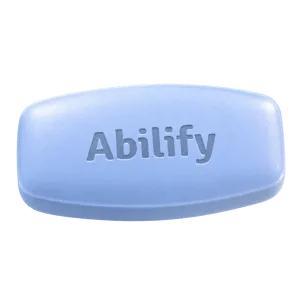
Abilify
Haldol Current
Common questions
What is the best time of day to take Haldol?
The best time depends on whether Haldol causes sedation, restlessness, or sleep disruption for the individual. Some people take it later in the day when drowsiness is prominent, while others need divided timing established by the prescriber. Health Canada guidance from 2023 supports individualized administration rather than one universal clock time. Do not move the dose repeatedly without discussing the effect on alertness and symptom control.
Can Haldol tablets be split, crushed, or chewed?
Tablet manipulation depends on the specific tablet design and the prescribed dose. The European Medicines Agency product information from 2024 should be used by the clinical team to confirm whether a tablet may be divided for a particular presentation. Do not crush or chew a tablet simply to make swallowing easier, because uneven pieces can produce an inaccurate amount and bitter powder may be difficult to tolerate. A pharmacist can identify a suitable administration method before treatment begins.
How soon does the effect of Haldol become noticeable?
Sedation or reduced agitation may appear earlier than improvement in hallucinations, delusions, or disorganized thinking. The response develops over a period that varies with the condition, severity, dose, and previous treatment exposure. The WHO guidance from 2023 describes antipsychotic treatment as requiring monitoring of both symptom response and adverse effects over time. A lack of immediate improvement does not justify taking extra tablets.
How does Haldol differ from the closest alternative by mechanism?
Haldol relies mainly on dopamine D2-receptor antagonism. Many second-generation antipsychotics combine dopamine effects with serotonin-receptor activity, which can produce a different balance of movement, sedation, and metabolic adverse effects. NICE guidance in 2025 supports choosing an antipsychotic according to the person’s response, physical health, and side-effect priorities. No single mechanism is best for every patient.
Can Haldol be combined with other medicines or supplements?
Combination safety depends on the exact products involved. Medicines such as Levodopa, Metoclopramide, prochlorperazine, Pimozide, Droperidol, and sedating or anticholinergic agents may create clinically significant problems when combined with haloperidol. Health Canada safety information from 2023 emphasizes reviewing cardiac risk, central nervous system effects, and movement symptoms when medicines are combined. Give the prescriber a complete list before adding a supplement, sleep product, anti-nausea medicine, or bladder treatment.
Which diet, exercise, or habits support treatment?
A regular sleep schedule, moderate physical activity, hydration, and a balanced diet can support daily functioning during antipsychotic treatment. Alcohol can worsen sedation and impaired coordination, while dehydration may intensify dizziness or constipation. The Canadian Mental Health Association's 2024 guidance encourages practical routines that support sleep, movement, and medication consistency. Exercise should begin at a manageable level, especially if stiffness, dizziness, or sedation is present.
Do you offer anonymous delivery?
Your order will be securely packed and shipped within 24 hours. This is exactly what your package will look like (images of an actual item sent). It has the size and look of a regular private letter (24x11x0.7 cm) and its contents cannot be seen.
Customer Feedback on Haldol
My family noticed that I was calmer and sleeping better. The downside was stiffness in my legs, especially when getting out of a chair, so the treatment plan had to be reviewed.
The vocal outbursts became less frequent and work was easier. Dry mouth and tiredness were noticeable during the first weeks, although they became less troublesome later.
I missed doses when my routine changed and felt worse within days. Using a reminder helped, but I still needed follow-up because restlessness was difficult to distinguish from anxiety.
The medicine reduced agitation, but it was not comfortable at first. I had jaw tightness and a tremor, and those symptoms needed prompt attention rather than waiting for them to disappear.
Sources
- Health Canada (2023). Product Monograph: Haldol (haloperidol tablets).
- European Medicines Agency (2024). Summary of Product Characteristics: haloperidol.
- NICE (2025). Psychosis and schizophrenia in adults: prevention and management.