Skip to content
Ashwagandha
Active ingredient: Withania somnifera

Ashwagandha

Quality products
24/7 Support
Fast delivery
Delivery from 4 days
Select pack Package Per unit Price

Free delivery on orders from $ 312.00, free express delivery from $ 468.00

Secure Payments
Track your order
Best price guarantee

Persistent stress can affect sleep, concentration, energy, and emotional balance. Ashwagandha contains the botanical ingredient Withania somnifera and is used as an herbal supplement for adults seeking support for the body’s stress response. Its plant compounds, including withanolides, may influence cortisol signalling and help promote a calmer daily routine.

Overview

Ashwagandha is a traditional botanical used in Ayurvedic practice and classified within Herbal Supplements. Herbal Supplements sit within the broader Vitamins, Minerals & Supplements category, which forms part of Diet & Nutrition and general Health support.

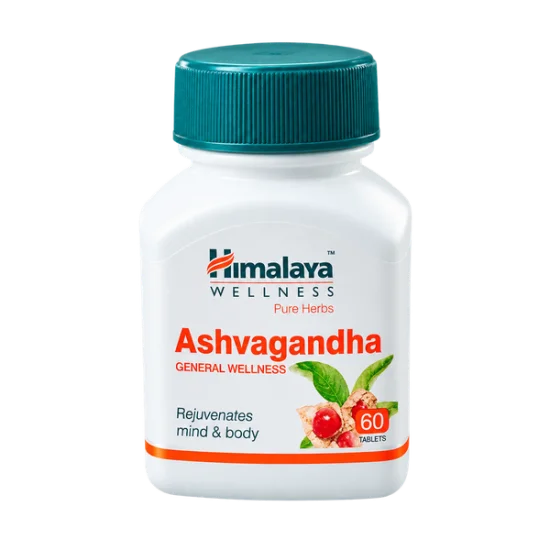
The active botanical in Ashwagandha is Withania somnifera. Supplements may use root material, root extract, or a combination of plant parts; the effects can differ because extraction methods and withanolide concentrations differ. This product is supplied in a bottle containing 60 tablets for general wellness support.

Botanical Background and Classification

Ashwagandha is often called an adaptogen. Adaptogen is a practical term for a plant compound studied for its potential to help the body adapt to physical and psychological stressors without acting as a sedative in the usual pharmaceutical sense.

Research does not support treating Ashwagandha as a replacement for treatment of depression, anxiety disorders, insomnia, thyroid disease, or cardiovascular disease. Its role is supportive.

Choose one measurable goal before starting, such as fewer stress-related sleep disruptions or better daytime calm. A simple weekly note is more useful than judging effects from one difficult day.

Dosage and administration

  • Dose: The exact amount in mg per tablet is not established in the available product information; confirm the dose for the chosen strength with a healthcare professional before starting.
  • Frequency: Use the tablets only at the frequency recommended for the chosen strength by a healthcare professional; the available information does not establish a times-per-day schedule.
  • Timing: Take the tablets orally with water; whether to take them before or after meals and at what time of day is not established.
  • Duration: The appropriate duration of use is not established; confirm it with a healthcare professional before starting.
  • Route: Oral use as tablets.
  • Missed dose: Do not double the next intake; resume the recommended regimen.

Formulation

Ashwagandha is a herbal supplement containing the botanical Withania somnifera. This 60-tablet product may use root material, root extract, or a combination of plant parts, and effects can vary with extraction methods and withanolide concentrations.

How it affects the body

Cortisol is a hormone released through the hypothalamic-pituitary-adrenal axis, often shortened to the HPA axis. This system helps the body respond to pressure, illness, poor sleep, and perceived threat. Prolonged activation can be linked with restless sleep, irritability, fatigue, and reduced concentration.

Ashwagandha has been studied for its potential effect on perceived stress and cortisol. Small clinical trials of standardized root extracts have reported reductions in stress scores and, in some participants, lower cortisol values after regular use, though study designs and extracts varied widely [1].

Ashwagandha may support stress management through several pathways:

  • modulation of HPA-axis signalling;
  • antioxidant activity observed in laboratory research;
  • possible effects on GABA-related calming pathways;
  • support for sleep quality in people whose sleep is affected by stress.

Therapeutic indications

Sleep difficulty is often linked to a busy mind rather than an absence of tiredness. Ashwagandha is used by some adults when stress, tension, and irregular sleep patterns overlap.

Ashwagandha is also used to support energy, stamina, and recovery in physically active adults. This does not mean it works as a stimulant. Any perceived energy benefit is more likely related to improved stress resilience, sleep quality, or reduced feelings of fatigue.

Potential areas of support include:

  • maintaining training consistency during demanding periods;
  • supporting recovery alongside adequate protein, hydration, and sleep;
  • reducing the sense of stress-related exhaustion;
  • supporting stamina during regular exercise.

The evidence is encouraging, yet it does not prove that every Ashwagandha formulation has the same effect or that it treats chronic insomnia [2].

Results from that study cannot be transferred automatically to every tablet formulation, training plan, age group, or fitness goal [3].

Common mistakes

The most frequent mistake is treating Ashwagandha as a fast-acting calming medicine. It is not designed for immediate relief during a panic episode or acute crisis.

Other avoidable mistakes include:

  • combining it with several sedating products and then feeling unexpectedly sleepy;
  • using it while adjusting thyroid medication without informing the prescriber;
  • doubling a missed intake;
  • continuing despite persistent nausea, rash, or unusual fatigue;
  • expecting it to overcome severe insomnia while keeping a highly irregular sleep schedule.

Another common pattern is judging the product only by energy. Better sleep, less evening tension, or steadier concentration can be more realistic signs of benefit than a stimulant-like lift.

Reasons not to use it

Use requires individual medical advice if you have autoimmune disease, thyroid disease, diabetes, low blood pressure, liver disease, or scheduled surgery. Health Canada’s 2012 Ashwagandha monograph also identifies cautions around pregnancy and use with medicines that may affect blood glucose, blood pressure, immune activity, or sedation [5].

Potential interactions include:

  • sedatives, sleeping tablets, and medicines that impair alertness;
  • thyroid medicines;
  • diabetes medicines;
  • blood-pressure medicines;
  • immunosuppressants;
  • alcohol, which may worsen drowsiness or poor coordination.

When this is not for you

Ashwagandha is not for you if you are pregnant, breastfeeding, have a known allergy to Withania somnifera, or have previously developed liver problems linked to an herbal supplement.

Possible side effects

Ashwagandha is generally tolerated by many adults in short-term studies. Digestive upset, loose stools, nausea, stomach discomfort, and drowsiness can occur. A small number of liver injury reports have been associated with ashwagandha-containing products, so new yellowing of the skin or eyes, dark urine, severe fatigue, or persistent upper abdominal pain needs prompt medical assessment [4].

Stop use and seek urgent care for swelling of the lips or face, breathing difficulty, a widespread rash, fainting, or severe vomiting. These symptoms can indicate a serious allergic reaction.

A less obvious issue is thyroid activity. Ashwagandha may affect thyroid hormone levels in some people. That matters for anyone using levothyroxine, antithyroid medicines, or undergoing investigation for palpitations, unexplained weight change, tremor, or heat intolerance.

Comparison

Ashwagandha is an oral herbal supplement used for general wellness and support related to stress, sleep, energy, stamina, and recovery. Unlike a prescription treatment, it is not presented here as treatment for a diagnosed condition and its preparation may vary by plant part, extraction method, and withanolide concentration.

What doctors say

In clinical practice, physicians often see stress as a symptom with several possible drivers: sleep debt, caregiver strain, mood disorders, stimulant use, thyroid changes, chronic pain, or work pressure. Ashwagandha may be reasonable for an adult pursuing general wellness support, provided the person is not using medicines or living with conditions that create interaction concerns.

Doctors also tend to set modest expectations. The aim is not an instant change in mood or energy. A useful trial focuses on tolerance, sleep pattern, stress perception, and daily function rather than expecting a dramatic effect.

Comparison

Comparison table: Stress Relief

Common questions

Does Ashwagandha cause drowsiness?

Ashwagandha can cause drowsiness in some people, though others notice no change in alertness. The U.S. National Center for Complementary and Integrative Health described sleepiness among the possible side effects on its 2024 Ashwagandha safety page. Avoid combining it with sedatives unless a prescriber has reviewed the combination. Extra caution is sensible before driving or using machinery.

Can Ashwagandha be combined with thyroid medicines or sedative supplements?

Ashwagandha may interact with medicines that affect thyroid activity or cause sedation. Health Canada’s 2012 natural health product monograph advises caution with products that influence thyroid function, blood glucose, blood pressure, immunity, or alertness. Combining several calming herbs or sleep aids can make drowsiness harder to predict. A medication review is appropriate before combining Ashwagandha with these products.

How long can an Ashwagandha course last, and is long-term use acceptable?

Most controlled studies have examined Ashwagandha over limited periods rather than years of continuous use. The World Health Organization’s 2009 guidance on herbal medicine safety emphasizes that traditional use and long-term clinical safety are not the same thing. Regular review of benefit and tolerance is sensible, especially when medicines or health conditions are involved. Stop use if adverse effects develop.

What should I do if Ashwagandha does not produce the expected result?

First, define the result clearly: better sleep, lower perceived stress, or improved exercise recovery are different goals. The 2019 Cureus sleep study involved a standardized root extract, so results from one preparation cannot predict results from every product. Persistent insomnia, anxiety, fatigue, or low mood deserves assessment for causes such as depression, thyroid disorders, anemia, sleep apnea, or medication effects. Do not increase the regimen on your own to chase a stronger response.

Can people under 18 use Ashwagandha?

Ashwagandha is not routinely recommended for children or adolescents without direction from a qualified clinician. The European Medicines Agency (EMA) published paediatric guidance in 2017 that supports age-specific evaluation of herbal products. Adult evidence cannot simply be applied to younger people. Growth, puberty, mental health, thyroid status, and concurrent medicines can change the risk profile. A parent or guardian should seek individualized medical guidance before use.

Do you offer anonymous delivery?

Your order will be securely packed and shipped within 24 hours. This is exactly what your package will look like (images of an actual item sent). It has the size and look of a regular private letter (24x11x0.7 cm) and its contents cannot be seen.

Customer Feedback on Ashwagandha

3.4
Based on 5 reviews
Simon, 29 Saskatoon 2 weeks
Verified
Rating: 5 out of 5

I started it during a demanding period at work. I did not feel a sudden boost, but my evenings felt less wired and I stopped replaying meetings as much when trying to sleep.

Oct 6, 2026
Fiona, 53 Lethbridge 3 weeks
Verified
Rating: 3 out of 5

My sleep was lighter at first, then I found I woke up less tense. I still needed to cut back my late coffee, so I would not credit the supplement alone.

Oct 14, 2026
Darren, 56 Abbotsford 8 weeks
Verified
Rating: 3.5 out of 5

I used it hoping for better gym recovery. The difference was subtle, though I felt more consistent with training after I also fixed my sleep schedule.

Oct 20, 2026
Zoe, 54 Nanaimo 4 days
Verified
Rating: 2 out of 5

It upset my stomach after a few uses. I stopped taking it rather than pushing through, and the discomfort settled.

Oct 28, 2026
Luke, 45 Quebec City 3 weeks
Verified
Rating: 3.5 out of 5

It did not make me sleepy in the daytime. After regular use, I felt calmer before bed, but it was not enough on nights when I worked late.

Nov 3, 2026

Sources

  1. Medicine (2019). An investigation into the stress-relieving and pharmacological actions of an ashwagandha extract: A randomized, double-blind, placebo-controlled study.
  2. Cureus (2019). Efficacy and safety of Ashwagandha root extract in insomnia and anxiety: A double-blind, randomized, placebo-controlled study.
  3. Journal of the International Society of Sports Nutrition (2015). Examining the effect of Withania somnifera supplementation on muscle strength and recovery: A randomized controlled trial.
  4. National Center for Complementary and Integrative Health (2024). Ashwagandha: Usefulness and Safety.
  5. Health Canada (2012). Ashwagandha – Withania somnifera – Monograph.
Get our free app Shop faster and track your orders Install