Skip to content
Albendazole
Active ingredient: Albendazole

Albendazole

Quality products
24/7 Support
Fast delivery
Delivery from 4 days
Select pack Package Per unit Price

Free delivery on orders from $ 312.00, free express delivery from $ 468.00

Secure Payments
Track your order
Best price guarantee

Albendazole is an oral anthelmintic product for susceptible helminth infections, including neurocysticercosis and cystic hydatid disease. Dosing varies between strengths and users, so no single amount suits everyone.

Overview

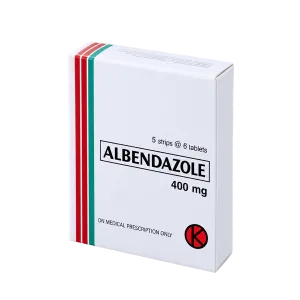
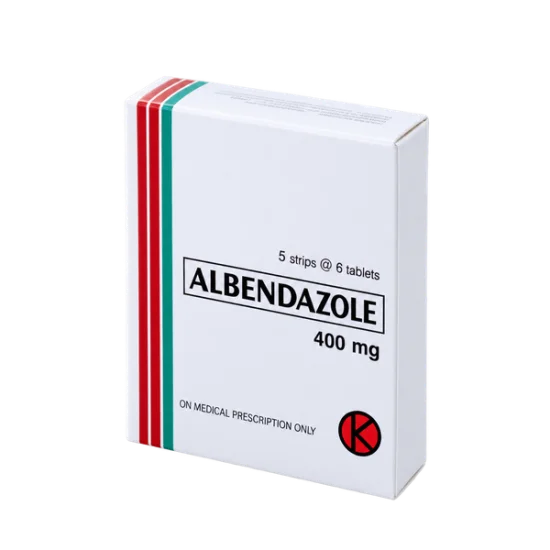
Albendazole belongs to the benzimidazole class of anthelmintics. It is supplied as oral tablets, with six tablets in the marketed pack. Physicians use it for selected intestinal helminth infections and more complex tissue infections, including neurocysticercosis and cystic hydatid disease, when the parasite is susceptible and treatment is clinically appropriate [1]. Dosing varies between strengths and between users, so there is no single amount that suits everyone.

Dosage and administration

The amount of Albendazole used varies between strengths, diagnoses, body weights, and treatment plans, so no single amount suits every patient. This product is supplied as tablets, with six tablets in the pack.

Common clinical patterns include:

  • Pinworm: adults and children meeting the relevant age or weight criteria may receive treatment, with repeat treatment sometimes used to address newly emerged worms.
  • Some intestinal nematode infections: treatment may be given once or as a short course, depending on the organism.
  • Neurocysticercosis: treatment is weight-based, with duration determined by the clinical plan and corticosteroid management when inflammation is expected.
  • Cystic hydatid disease: treatment is weight-based and may involve repeated cycles or longer courses under specialist supervision.

These examples describe recognised clinical approaches, not a universal self-treatment schedule. Children, older adults, people with liver disease, and pregnant patients may require a different plan.

Swallow the tablet as directed. Do not change the duration because symptoms improve early. A missed dose should generally be taken when remembered unless the next scheduled dose is near; doubling doses can increase adverse effects.

Take tablets with food.

For an extended course, keep a written record of each dose and blood-test appointment. This simple step helps prevent both missed doses and accidental extra doses.

Formulation

Albendazole tablets are swallowed by mouth. The active substance is albendazole, an anthelmintic that interferes with parasite microtubules. Microtubules are microscopic structures that help cells maintain shape, transport nutrients, and divide.

Albendazole is converted in the liver to albendazole sulfoxide, the active metabolite responsible for much of the systemic activity. This distinction matters because tissue infections require drug exposure beyond the intestinal tract, while many uncomplicated intestinal infections can be treated with a shorter regimen.

For tissue infections, treatment planning may include liver blood tests and blood counts. These checks are different from the brief regimens used for many uncomplicated intestinal worm infections.

How it affects the body

Albendazole binds to parasite beta-tubulin and inhibits microtubule polymerization. Without functioning microtubules, the worm has difficulty absorbing glucose and maintaining essential cellular processes. Its energy stores decline, and the parasite eventually dies or loses its ability to persist.

The active metabolite, albendazole sulfoxide, reaches tissues more effectively than the original compound. That pharmacokinetic feature helps explain why Albendazole can be used for selected infections outside the intestine, including cysticercosis and hydatid disease.

The medicine acts on parasite biology rather than directly stimulating the immune system. It may still be combined with corticosteroids in neurocysticercosis because killing larval parasites can trigger inflammation around the brain. This inflammatory response may temporarily worsen neurological symptoms or raise intracranial pressure.

The Food and Drug Administration and the World Health Organization describe albendazole as a broad-spectrum anthelmintic with activity against several nematode and cestode infections [2]. “Broad-spectrum” does not mean that it treats every parasite. Species identification remains clinically relevant.

Therapeutic indications

Albendazole is used for parasitic infections caused by susceptible helminths. Its clinical role includes common intestinal nematodes and certain larval tapeworm infections in tissues.

The principal treatment settings include:

  • Neurocysticercosis: infection of the nervous system caused by larval Taenia solium. Albendazole may be used with corticosteroid treatment and, in selected cases, antiseizure therapy.
  • Cystic hydatid disease: tissue infection caused by larval Echinococcus granulosus. Therapy may continue for weeks or occur in repeated cycles, depending on the cyst location and treatment plan.
  • Hookworm infection: intestinal infection caused by hookworm species.
  • Pinworm infection: intestinal infection caused by Enterobius vermicularis. Reinfection within a household is common because eggs can spread easily.
  • Ascariasis and other susceptible intestinal nematode infections: treatment depends on the identified organism and local clinical guidance.
Infection or parasite Typical treatment role
Pinworm and hookworm Short-course intestinal treatment may be appropriate
Neurocysticercosis Specialist-directed therapy for tissue infection
Cystic hydatid disease Prolonged or repeated treatment under clinical monitoring

A stool test, imaging study, blood test, or tissue assessment may be needed before treatment. Symptoms alone cannot reliably identify the parasite. Abdominal discomfort, cough, fatigue, itching, or weight change can occur with many different conditions.

Albendazole does not treat colds, influenza, viral infections, or bacterial infections. It also does not replace antibacterial or antiviral treatment when those infections are present.

Common mistakes

Several mistakes can reduce the benefit of treatment or increase risk:

  • Taking a single tablet for a condition that requires a longer, weight-based regimen.
  • Repeating a dose too soon because itching or abdominal discomfort has not disappeared.
  • Skipping a repeat pinworm dose when it was prescribed.
  • Crushing or splitting tablets without confirming that the formulation permits it.
  • Taking the medicine on an empty stomach during a regimen where systemic absorption is needed.
  • Failing to mention cimetidine, dexamethasone, praziquantel, or theophylline.
  • Continuing a prolonged course without scheduled liver tests or blood counts.
  • Assuming that a household member with similar symptoms has the same infection without assessment.
  • Treating a cold, influenza, or bacterial infection with Albendazole.

One practical detail is easy to miss: symptoms may persist briefly after parasites have been killed, while reinfection can create the impression that treatment failed. Pinworm management often requires attention to household transmission and hygiene as well as the prescribed medicine.

Reasons not to use it

Albendazole is not suitable for everyone.

  • You have had a serious allergic reaction to albendazole or another benzimidazole anthelmintic.
  • You are pregnant or could be pregnant, especially during the first trimester.
  • You have active liver disease or persistently abnormal liver enzymes.
  • You have a blood-count disorder or a history of severe marrow suppression.
  • You are being treated for neurocysticercosis with seizures, hydrocephalus, or raised intracranial pressure without neurological supervision.
  • You take medicines that may interact with albendazole or require stable liver metabolism.
  • The suspected illness has not been confirmed as a parasitic infection.

When this is not for you

Women who could become pregnant may need pregnancy assessment before treatment, depending on the indication and local clinical practice. Prolonged therapy generally requires liver testing and periodic blood counts.

Albendazole can be used in children for specific parasitic infections when the age, weight, formulation, and indication are appropriate. Infants and very young children require individual prescribing decisions.

Possible side effects

Short courses are often tolerated, though side effects can occur. Common complaints include abdominal pain, nausea, vomiting, headache, dizziness, and diarrhoea. Taking the tablet with food may reduce stomach irritation for some patients.

Longer or higher-dose courses carry additional risks:

  • Increased liver enzymes or drug-induced liver injury.
  • Reduced white blood cells or other blood-count abnormalities.
  • Hair loss or reversible changes in hair texture.
  • Fever, sore throat, unusual bruising, or marked fatigue linked to blood-count changes.
  • Rash, facial swelling, wheezing, or other allergic reactions.
  • Neurological worsening caused by inflammation during treatment of neurocysticercosis.

A severe rash, facial swelling, breathing difficulty, yellowing of the skin, dark urine, persistent vomiting, unusual bleeding, or a high fever requires prompt medical assessment. Report severe symptoms promptly.

In neurocysticercosis, headache, vomiting, confusion, seizures, visual symptoms, or reduced alertness may indicate inflammation or increased pressure around the brain. Corticosteroids and neurological monitoring may be part of the treatment plan. The Centers for Disease Control and Prevention describes neurocysticercosis as a condition requiring diagnosis-specific management rather than routine deworming alone [3].

A mild headache after a dose is different from a new seizure, confusion, repeated vomiting, or a worsening neurological deficit. Those neurological symptoms should not be managed by simply taking the next tablet.

Comparison

Choice of anthelmintic depends on the parasite, its location, the patient’s age and weight, liver function, pregnancy status, and interactions with other medicines. Mebendazole and praziquantel are pharmacologically related treatment options, but they are not interchangeable with Albendazole for every infection.

Medicine or category Main clinical distinction
Albendazole Broad activity against selected nematodes and cestode larvae; tissue regimens may require monitoring
Mebendazole Often used for selected intestinal nematode infections
Praziquantel Acts against several flatworm infections and may be selected when the parasite is susceptible

Albendazole is often considered when the infection involves tissue or when the identified worm responds well to a benzimidazole. Mebendazole may be selected for some intestinal nematode infections, while praziquantel has a different activity profile and is used for selected tapeworm and fluke infections.

Praziquantel may interact pharmacokinetically with Albendazole, and the combination should be directed by the prescriber. The best option is not determined by the number of symptoms. It is determined by the organism and the body site involved.

What doctors say

In clinical practice, physicians usually focus first on identifying the parasite and its location. A short course for pinworm is not managed in the same way as a prolonged course for hydatid disease or neurocysticercosis.

Doctors also assess whether symptoms could come from a non-parasitic illness. Treating an unconfirmed diagnosis can delay the correct care and expose the patient to unnecessary side effects.

For tissue infections, clinical follow-up may include liver tests, blood counts, imaging, neurological assessment, or eye examination. The monitoring plan depends on the infection and treatment duration.

A practical prescribing principle is simple: the dose follows the organism and body site, not merely the severity of symptoms. Albendazole can be a useful part of treatment, but its benefit depends on accurate diagnosis and appropriate duration.

Comparison

Comparison table: Antiparasitics

Common questions

How long does an Albendazole course last, and is long-term use acceptable?

The course may last one dose, a few days, several weeks, or repeated cycles, depending on the parasite and its location. A single 400 mg dose can be used for some intestinal infections, while neurocysticercosis and cystic hydatid disease often require weight-based or extended treatment. Long-term use can be appropriate under supervision, with liver function and blood-count monitoring when indicated. Health Canada guidance published in 2023 supports treating prolonged therapy as a monitored regimen rather than routine self-treatment. The monitoring plan should follow the prescribed indication.

Can Albendazole cause liver problems?

Yes. Albendazole can raise liver enzymes and, rarely, cause clinically significant liver injury, with greater concern during prolonged or high-dose treatment. Symptoms such as yellow skin, dark urine, severe fatigue, persistent nausea, or pain under the right ribs require prompt assessment. The European Medicines Agency described liver monitoring as relevant to systemic benzimidazole treatment in 2023, especially when exposure continues for an extended period.

How long does one dose of Albendazole keep working?

The answer depends on the parasite, the infection site, and whether a repeat dose is required. A single intestinal dose acts during the treatment window, but it may not eliminate eggs that hatch later, which is why repeat treatment is often used for pinworm. Tissue infections require a different exposure pattern and may need several doses or treatment cycles. WHO parasitic-disease guidance published in 2023 supports selecting duration according to the organism rather than assuming that one dose treats every infection.

Can Albendazole affect driving, concentration, or work with machinery?

Some people experience dizziness, headache, nausea, or weakness after taking Albendazole. Avoid driving or operating machinery until you know how the tablets affect alertness and coordination. Neurological symptoms from the underlying infection, especially neurocysticercosis, may also make driving unsafe even when the medicine itself is tolerated. Health Canada patient-safety principles published in 2023 support individual assessment when a medicine or illness may impair alertness.

What should be checked or discussed with a doctor before starting Albendazole?

Discuss the suspected or confirmed parasite, pregnancy possibility, liver disease, prior blood-count problems, allergies, and every medicine or supplement you use. Mention cimetidine, dexamethasone, praziquantel, and theophylline specifically because they may affect treatment planning. Ask whether you need liver tests, blood counts, imaging, neurological review, or a repeat dose. The EMA and WHO guidance available in 2023 place diagnosis, parasite species, and treatment duration at the centre of safe anthelmintic use.

Do you offer anonymous delivery?

Your order will be securely packed and shipped within 24 hours. This is exactly what your package will look like (images of an actual item sent). It has the size and look of a regular private letter (24x11x0.7 cm) and its contents cannot be seen.

Customer Feedback on Albendazole

3.8
Based on 3 reviews
Helen, 39 Kamloops Two weeks later
Verified
Rating: 4.5 out of 5

took a single 400 mg tablet for confirmed pinworm infection: “The itching improved over several days, but it did not disappear immediately. I had mild stomach discomfort that evening and followed the repeat-dose plan two weeks later.”

Nov 1, 2026
Liam, 67 Lethbridge The first week
Verified
Rating: 3.5 out of 5

used Albendazole during a longer specialist-directed course: “The tablets were manageable with food, but the treatment involved blood tests and several appointments. I felt tired during the first week, so the monitoring was reassuring rather than inconvenient.”

Oct 6, 2026
Rebecca, 60 Kelowna
Verified
Rating: 3.5 out of 5

received treatment for a suspected intestinal infection: “My nausea was worse after the first tablet when I took it without food. The next doses were easier with a meal, although the treatment did not resolve every digestive symptom immediately.”

Oct 19, 2026

Sources

  1. World Health Organization (2023). WHO Model List of Essential Medicines — 23rd list.
  2. U.S. Food and Drug Administration (2011). Albendazole Tablets: Prescribing Information.
  3. Centers for Disease Control and Prevention (2024). Clinical Care of Cysticercosis.
Get our free app Shop faster and track your orders Install